
Best Acrylic Paint Sets for Beginners 2026: Guide
Disclosure: We may earn a commission when you buy through links on this page, at no extra cost to you. As an Amazon Associate I earn from qualifying purchases. Learn more

Find beginner acrylic paint sets that balance colour range, pigment quality, and price, plus brushes, surfaces, and first painting tips for new artists.
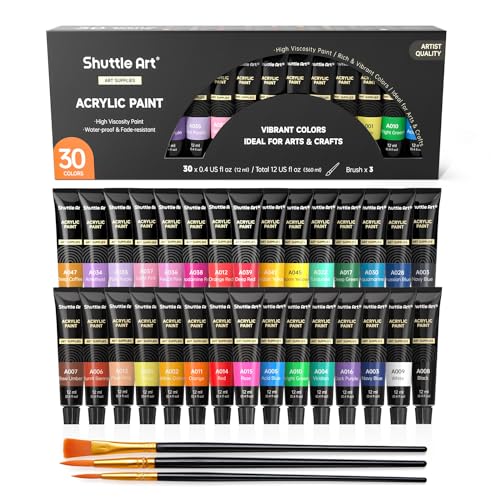
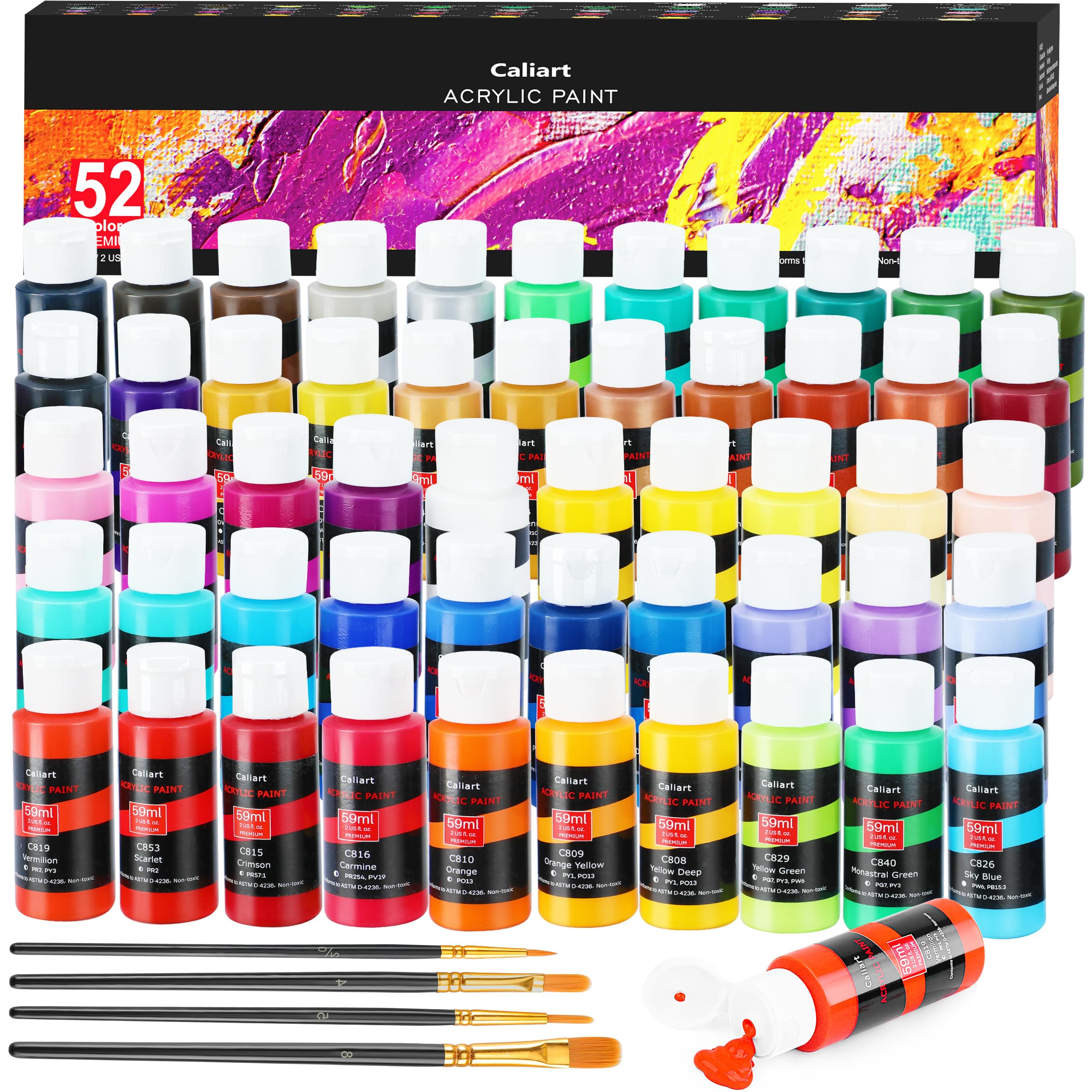
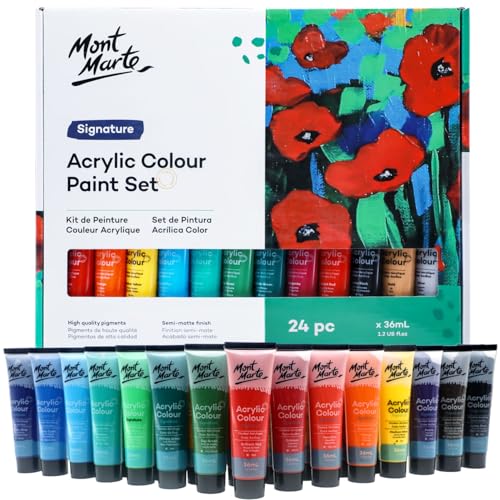
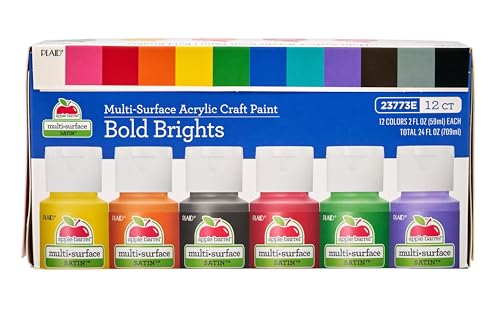
Starting with acrylics is forgiving, fast drying, and relatively low cost, which is why so many new painters choose them first. This guide to best acrylic paint sets for beginners explains what actually matters in a first set: usable colours, decent pigment, workable consistency, and enough paint to practise without rationing every squeeze. The comparison table below outlines the main set types.
Beginner sets vary widely. Some offer many small tubes in bright colours that look exciting but mix muddy, while others offer fewer colours with stronger pigment that teach colour mixing properly. Knowing the difference before you buy saves money and frustration, and it makes early paintings far more satisfying.





Who Should Buy a Beginner Set
A beginner set suits anyone trying acrylic painting for the first time, returning after a long break, or painting with children under supervision. It should be affordable enough that you feel free to experiment, yet good enough that colours stay bright when dry and mix predictably. Very cheap sets can put new painters off because colours dull or turn grey in mixtures.
If you already paint in another medium, you may still benefit from a small beginner set for sketching and colour studies before investing in larger tubes. Keep the first set modest, learn what you use most, and then buy larger tubes of those colours. That approach builds a useful palette without waste.
Colours That Actually Teach Mixing
A limited palette teaches more than a huge rainbow. Look for a warm and cool version of each primary colour, plus white and a dark neutral, since that combination mixes clean greens, purples, and oranges. Sets that include only one red, one blue, and one yellow limit your mixing range and can make landscapes and skin tones harder to achieve.
Check tube size as well as colour count. Small tubes run out quickly when you practise regularly, and replacing single colours can cost more than buying a slightly larger set. Pigment names on the label, rather than only colour names, help you learn what you are mixing. For brush pairings, best acrylic paint brush sets explains shapes and sizes that suit acrylic work.
Paint Quality, Consistency, and Finish
Student grade acrylics use more filler and less pigment than artist grade paints, which is normal at beginner prices. The practical test is whether colours stay vivid when mixed with white and whether they cover in one or two coats. Thin, watery paint that needs many coats to cover is a sign of low pigment load, even if the tube colours look bright.
Consistency matters for technique. Buttery paint holds brush marks and texture, while fluid paint suits glazing and detail. Most beginners do well with a medium body paint that can be thinned with water or medium for different effects. Avoid sets that dry noticeably darker or duller than the wet colour, since that makes colour judgement harder while you learn.
Brushes, Surfaces, and First Supplies
Brushes shape the painting experience as much as paint does. Start with a flat brush for broad areas, a round brush for lines and detail, and a filbert for soft edges, in synthetic fibres that hold up to acrylics and wash clean in water. Clean brushes promptly, reshape the tips, and store them upright or flat so bristles do not bend.
Surfaces need not be expensive. Primed canvas boards, heavy mixed media paper, and primed wood panels all accept acrylic well. Prime raw canvas or wood first, work on a flat surface while learning, and keep a water pot, a palette, and rags nearby.
A simple setup that is ready in minutes encourages regular practice far more than elaborate equipment. For wider options, best acrylic paint sets and best paint sets for beginners cover related choices.
First Painting Habits and Mistakes
Work from dark to light in broad shapes before adding detail, and let layers dry fully before painting over them if you want crisp edges. Acrylic dries fast, so mist the palette lightly or use a stay wet palette to keep paint workable during a session. Mix more paint than you think you need, since matching a mixed colour later is difficult.
A common beginner mistake is using too much water, which breaks the paint film and causes patchy adhesion. Another is overworking a passage until colours turn muddy. Step back often, compare values rather than only hues, and stop a session while the painting still feels fresh. For a broader starter range, best acrylic sets may help you compare set sizes.
Building a First Palette That Grows
A first palette should grow with you rather than forcing a fresh start each time you improve, so choose colours with clear pigment names that you can replace individually when tubes run out. Keep a small notebook of mixtures that worked, noting which colours you combined and in what proportions, since that record becomes a personal reference that speeds future paintings. Over time you will learn which colours you reach for constantly and which ones stay untouched.
Adding colours gradually also teaches restraint, because each new tube should solve a specific problem such as a cleaner green, a warmer shadow, or a brighter sky. Buying a huge set at once often leaves many tubes unused while the core colours run out quickly. Spend the saving on larger tubes of your most used colours, better brushes, or more painting surfaces for practice.
Storage affects paint life, since dried caps and cracked tubes waste paint and frustrate sessions. Wipe tube threads clean after use, cap tubes firmly, and store them upright in a cool place away from direct heat. A simple box sorted by colour family keeps the palette tidy and makes it easy to see what needs replacing before a painting session begins.
Practising Without Pressure
Regular short practice beats occasional long sessions for beginners, because skills build through repetition and small experiments rather than through single ambitious paintings. Set aside twenty minutes to paint a simple object, a colour chart, or a small landscape sketch, and focus on one skill at a time such as mixing, brush control, or value contrast. Small finished studies build confidence faster than large unfinished canvases.
Copying master paintings for study, working from photographs you took yourself, and painting outdoors in simple scenes each teach different skills. Study copies reveal composition and colour choices, personal photographs give you control over subject and light, and outdoor painting trains quick observation. Rotate between these approaches so practice stays varied and enjoyable.
Mistakes are part of learning with acrylics, and many can be painted over once dry, which makes the medium forgiving for experimentation. Keep early work rather than discarding it, since comparing older and newer paintings shows progress clearly. Share work with a supportive group or class for feedback, and judge progress over months rather than over single sessions.
A Final Check Before You Order
Before ordering, check tube sizes as well as colour count, since a set with many tiny tubes may run out mid project while a set with fewer larger tubes lasts longer. Compare total paint volume across sets, and note which colours are offered in larger tubes. That comparison often reveals better value than colour count alone, especially for white and earth colours that get used constantly.
Also check whether single tubes from the same range are sold separately, so you can replace favourites without buying a whole new set. A range with good single tube availability supports gradual palette growth and reduces waste. If singles are unavailable, favour a set with larger tubes of core colours to delay replacement needs.
Finally, consider what surfaces and brushes you already own, since a paint set alone does not complete a painting setup. A few primed boards, a basic brush set, and a palette for mixing matter as much as paint quality for early practice. Budget for those basics together, so your first session is enjoyable rather than frustrated by missing supplies.
Frequently Asked Questions
How many colours does a beginner need?
A set with warm and cool primaries, white, and a dark neutral covers most mixing needs and teaches colour theory well. Larger sets add convenience colours but are not necessary at first. Start small, learn mixing, and add convenience colours only when you repeatedly reach for them. Test the option in your own home or routine where return policies allow.
Are student grade acrylics good enough to learn with?
Yes, for learning techniques, colour mixing, and composition. They use less pigment than artist grade paints, so colours may be less intense and coverage may need an extra coat. If a colour consistently disappoints you, replace that single tube with a higher grade version rather than buying a whole new set.
What brushes should a beginner buy first?
A medium flat, a medium round, and a filbert in synthetic fibre cover most early work. Add a small detail round later for fine lines. Choose brushes with firmly set bristles, clean them in water promptly after use, and avoid leaving them standing in water, which bends tips and loosens ferrules.
Can I paint acrylics on paper?
Yes, if the paper is heavy enough to resist buckling, such as mixed media or watercolour paper. Lightweight printer paper warps and tears when wet. Prime very absorbent surfaces lightly, tape edges down while painting, and let work dry flat for the best result. Test the option in your own home or routine where return policies allow.
Why do my mixed colours turn muddy?
Muddy mixtures often come from mixing too many pigments at once or mixing complementary colours without intent. Limit each mixture to two or three pigments, keep brushes clean between colours, and test mixtures on scrap paper first. Clean water and a wiped palette also help colours stay bright. Note your room, usage, and budget before narrowing the shortlist.
Final Thoughts
A good beginner set balances usable colours, fair pigment, and enough paint to practise freely, without asking you to pay for professional quality before you need it. Learn mixing with a limited palette, pair it with a few sound brushes and a primed surface, and practise regularly. The product table above can help you compare set sizes, and best acrylic paint sets for beginners are best judged by how freely they let you experiment. If you paint with children, check age guidance and ventilation for any mediums you add.


