
Best Acrylic Paint Brush Sets 2026: A Practical Buying Guide
Disclosure: We may earn a commission when you buy through links on this page, at no extra cost to you. As an Amazon Associate I earn from qualifying purchases. Learn more

Compare acrylic paint brush sets by bristle, shape, size, and handle length. Find a set that paints smoothly, cleans easily, and lasts for years.
Painting with acrylics is fast, bold, and forgiving, but only when brushes cooperate. The best acrylic paint brush sets hold paint well, keep a clean edge, and survive the washing that acrylics demand. The comparison table below will help you compare the main options side by side.
This guide focuses on the full painting set: brushes plus how they work with acrylic paint itself. It covers bristle choices, shape ranges, paint thickness, and cleaning, so beginners and experienced painters alike can choose with confidence.

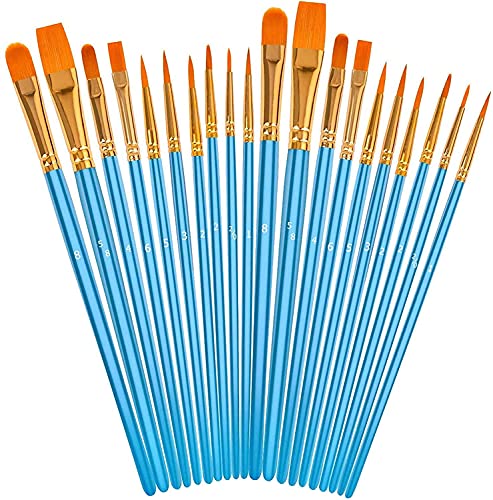

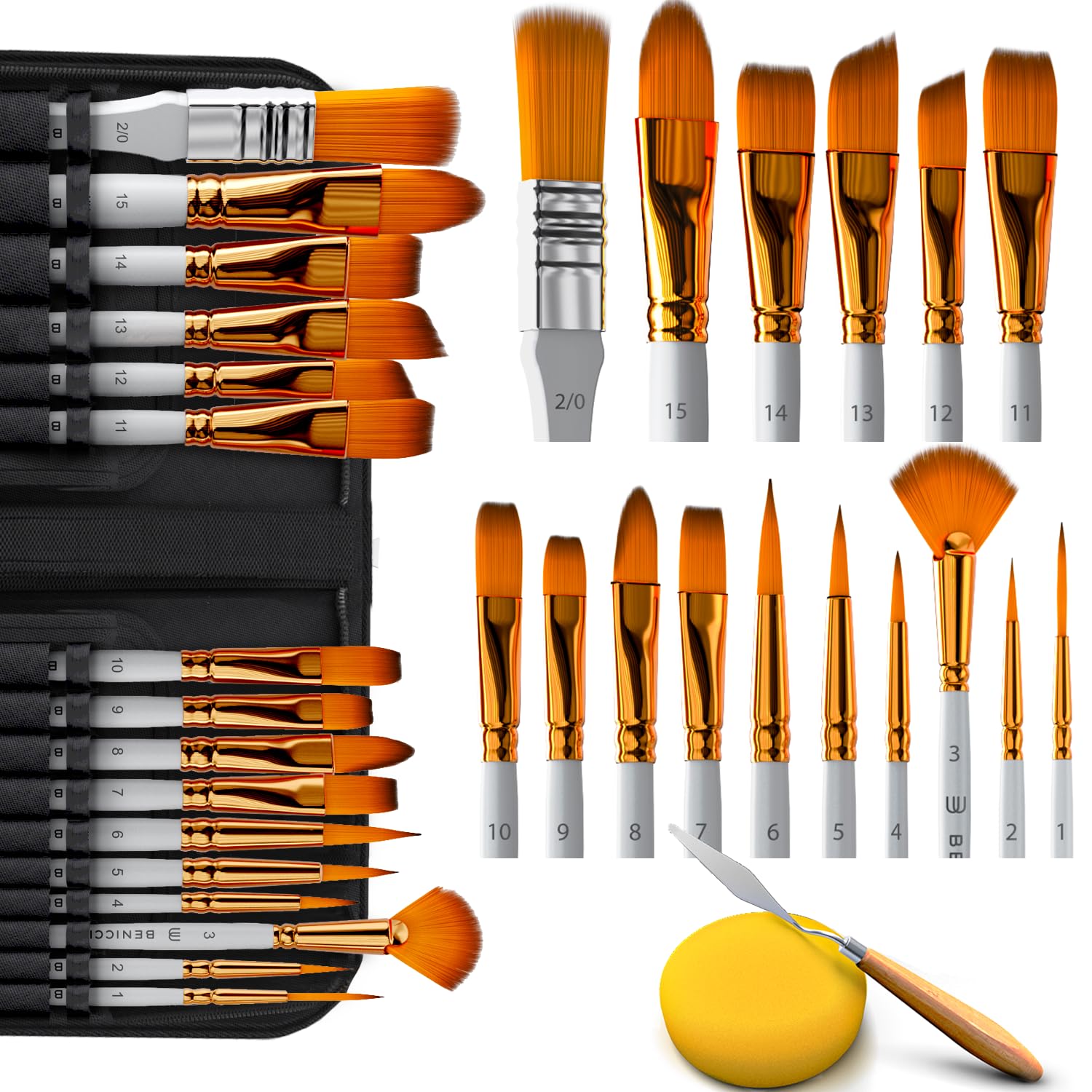


Who Should Buy Which Type
For First Time Acrylic Painters
First time painters need a friendly set that makes early paintings enjoyable rather than frustrating. A few reliable shapes, clear size differences, and easy cleaning matter most. Avoid huge sets that overwhelm you with near identical brushes.
For Classroom and Group Painting
Classrooms and group sessions need durable, affordable sets that survive many hands and frequent washing. Synthetic bristles and sturdy ferrules suit this use well. Keep a spare set on hand, since shared brushes wear faster.
For Experienced Acrylic Artists
Experienced artists often want a set tuned to their style, whether bold texture, smooth blending, or fine detail. They may mix sets, keeping favorites for specific jobs. At this level, snap, paint release, and ferrule strength decide value.
Types Compared
Flat Brush Sets
Flat brush sets focus on broad strokes, sharp edges, and smooth washes. They suit backgrounds, large color blocks, and crisp lines when used on edge. A good flat holds paint across its width without streaking.
Round Brush Sets
Round brush sets focus on lines, curves, and detail, with a point that varies with pressure. They suit outlining, lettering, and small shapes. A round that keeps a centered point is worth more than several that splay.
Filbert and Oval Sets
Filbert brushes have a rounded flat shape that blends softly and paints petals, leaves, and rounded forms. They bridge flats and rounds, giving soft edges with good control. They suit painters who blend often.
Specialty Shape Sets
Specialty sets add fans, liners, angles, and mops for texture and effects. Fans create foliage and hair texture, liners draw long thin lines, and angles reach corners cleanly. Add these only when your paintings call for them.
Key Features to Compare
Bristle Type for Acrylic Paint
Synthetic bristles are the usual choice for acrylics, since they resist paint, clean easily, and keep shape. Look for filaments with split tips, which hold paint and give smoother strokes. Natural hair can work, but it needs faster, gentler care.
Shape Range in the Set
A balanced set covers washes, mid work, and detail without repeating the same brush many times. Check the actual shape and size list, not just the piece count. A set with one strong example of each shape often beats a larger set of duplicates.
Handle Length and Balance
Long handles suit easel work and loose strokes, while short handles suit detail and tabletop painting. Balance matters: a handle heavy at the ferrule end tires the hand. Hold the brush if you can, or check reviews of feel from painters with a similar style.
Ferrule Strength
A ferrule should grip bristles firmly and resist rust from repeated washing. Crimped, sealed ferrules last longer than loose ones. If a ferrule wobbles or sheds bristles early, the set will frustrate you no matter how good the bristles are.
Paint Thickness Compatibility
Thick body acrylics need stiffer bristles that push paint without splaying, while fluid acrylics suit softer brushes. Match bristle stiffness to your usual paint. If you paint both thick and thin, a mid stiffness synthetic set is a practical middle ground.
Setting Up to Paint
Set up a water jar for rinsing, a clean water jar for final rinsing, and a rag or paper towel for blotting. Arrange brushes by shape so you reach for the right one without breaking flow. A simple layout keeps painting enjoyable and brushes safer.
Test paint thickness on scrap material before starting a finished piece. Thin paint flows and blends easily, while thick paint holds texture and needs a firmer brush. Adjust with a little water or medium, following the paint maker guidance, rather than forcing a brush to do the wrong job.
Care and Maintenance
Wash brushes right after painting, using lukewarm water and mild soap, and work from ferrule to tip until water runs clear. Reshape tips and dry brushes flat or tip down, so water does not sit in the ferrule. Prompt washing is the single best habit for acrylic brushes.
Store dry brushes upright with tips up or in a roll that protects tips. Keep them away from heat, and check ferrules now and then for looseness. Replace a brush only when it truly loses shape, not at the first shed bristle.
Mistakes to Avoid
- Buying a huge set where most brushes duplicate the same shape and size.
- Letting acrylic paint dry in brushes between sessions.
- Choosing bristle stiffness that fights your usual paint thickness.
- Ignoring ferrule quality, then losing bristles into finished paintings.
A Final Check Before You Order
Before you order, confirm bristle type, shape list, sizes, handle length, and ferrule quality against your painting style. Check that the set matches your usual paint thickness and cleaning routine. These details matter more than piece count or packaging.
The related guides linked below cover nearby paint and brush sets, including acrylic paint sets and beginner sets, so you can compare full painting kits. Read them with your style in mind, and shortlist the set that fits your work. Related guides: best acrylic paint sets, best acrylic brush sets, best paint brush sets, best acrylic paint sets for beginners, best oil paint brush sets.
Frequently Asked Questions
What shapes should an acrylic paint brush set include?
A practical set includes a large flat for washes, a mid flat, a mid round, a filbert, and a small detail round. That range covers backgrounds, shapes, blending, and detail. Add fans or liners only when your work calls for those effects. A mop brush also helps softening large sky washes without leaving visible brush marks.
Why do my acrylic brushes lose their point?
Points fail when paint dries in bristles, when brushes stand in water, or when ferrules loosen. Wash promptly, reshape tips before drying, and store brushes so tips stay protected. A brush that splays after proper care may simply be worn out. Rinse brushes during long sessions too, not only at the end, since paint thickens in bristles over time.
Should beginners buy cheap or mid priced brush sets?
A mid priced synthetic set usually gives the best start, since very cheap sets shed and splay quickly. You do not need artist grade brushes to learn, but brushes that hold shape make learning far more pleasant. Upgrade favorites as your style develops. Student grade sets suit practice and learning, while artist grade brushes reward committed painters with better snap.
How do I clean dried acrylic paint from brushes?
Soak the brush in a cleaner made for acrylics, following product guidance, then wash with soap and water and reshape the tip. Do not use harsh solvents on synthetic brushes unless the cleaner says it is safe. Prevention, by washing promptly, works far better than rescue. Warm water works better than hot water for soaking, since heat can loosen glue in ferrules.
Can one brush set serve both acrylics and oils?
It can in a pinch, but separate sets last longer and clean more predictably. Oils need solvent cleaning that acrylic brushes do not, and residue can affect acrylic paint. If you paint both media often, keep a set for each. Keep oil brushes in a separate jar and cloth, so solvent traces never reach acrylic paintings.
Paint Thickness and Brush Choice
Paint thickness changes everything about brush choice, yet many painters buy brushes without thinking about it. Thick body paint needs a firmer brush that pushes color without splaying, while fluid paint suits a softer brush that flows. Test your usual paint with each brush before judging it.
Try thinning paint slightly for smooth blends and keeping it thick for texture, and notice which brushes handle each style best. A single brush rarely excels at both, which is why painters keep several types. Match brush to paint, not just to subject.
Keep a practice sheet for testing new brushes, paints, and mediums before using them on a finished piece. A few minutes of testing prevents ruined paintings and wasted paint. Note combinations that work, so you can repeat them confidently later.
Finally, clean brushes promptly whatever the paint thickness, since thick paint dries faster in bristles and damages tips. A consistent cleaning habit matters more than brush price. Even modest brushes last well when washed right after painting.
When you compare sets side by side, look beyond the brush count and check how each brush actually performs with your paint on scrap material. Load a flat with paint and draw a long stroke, then try a round for a fine line and a filbert for a soft blend, noting which brushes skip, splay, or hold paint unevenly. A set that performs well across these three simple tests will serve you far better than a larger set that looks impressive in the box but disappoints on canvas, and this hands on check takes only a few minutes before you commit to keeping a set.
Final Thoughts
Match bristle, shape, and stiffness to your paint and style, and the best acrylic paint brush sets for your work will be the ones you reach for every session. The product table above gives a useful starting point, but your paintings should make the final call.
Order only after you have confirmed the real shape and size list, and start a prompt washing habit from day one. Brushes cared for well become trusted tools, not disposable supplies.


