Best Above Ground Pools Under $1000 in 2026: Buying Guide and Top Options
Disclosure: We may earn a commission when you buy through links on this page, at no extra cost to you. As an Amazon Associate I earn from qualifying purchases. Learn more

A practical guide to the best above ground pool under 1000: sizes, features, budget ranges, and mistakes to avoid before you buy.
Sorting through above ground pools on a budget is confusing because the sticker price hides big differences in size, frame strength, and the gear included in the box. The best above ground pool under 1000 dollars for your yard depends on how many swimmers you expect, how level your ground is, and how much upkeep you accept. This guide compares pool types on build materials, weather resistance, size, and assembly, and the comparison table below sums up where your money goes.
Under $1000 you are not buying a luxury setup, and that is fine. You can still get a sturdy frame pool that holds several thousand gallons and stays up for years. If you want the wider picture across every budget, our guide to the best above ground pool covers the higher price bands as well.

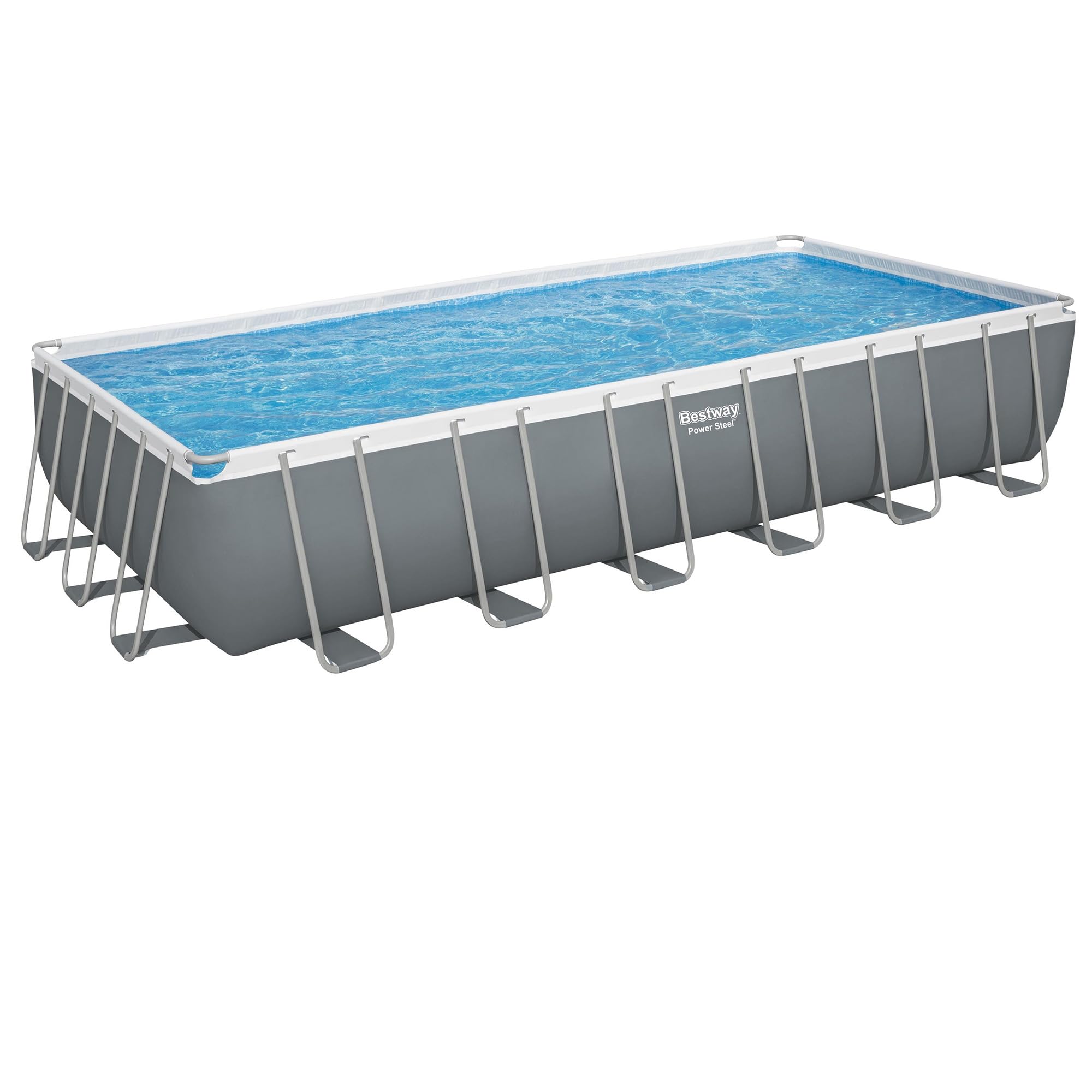


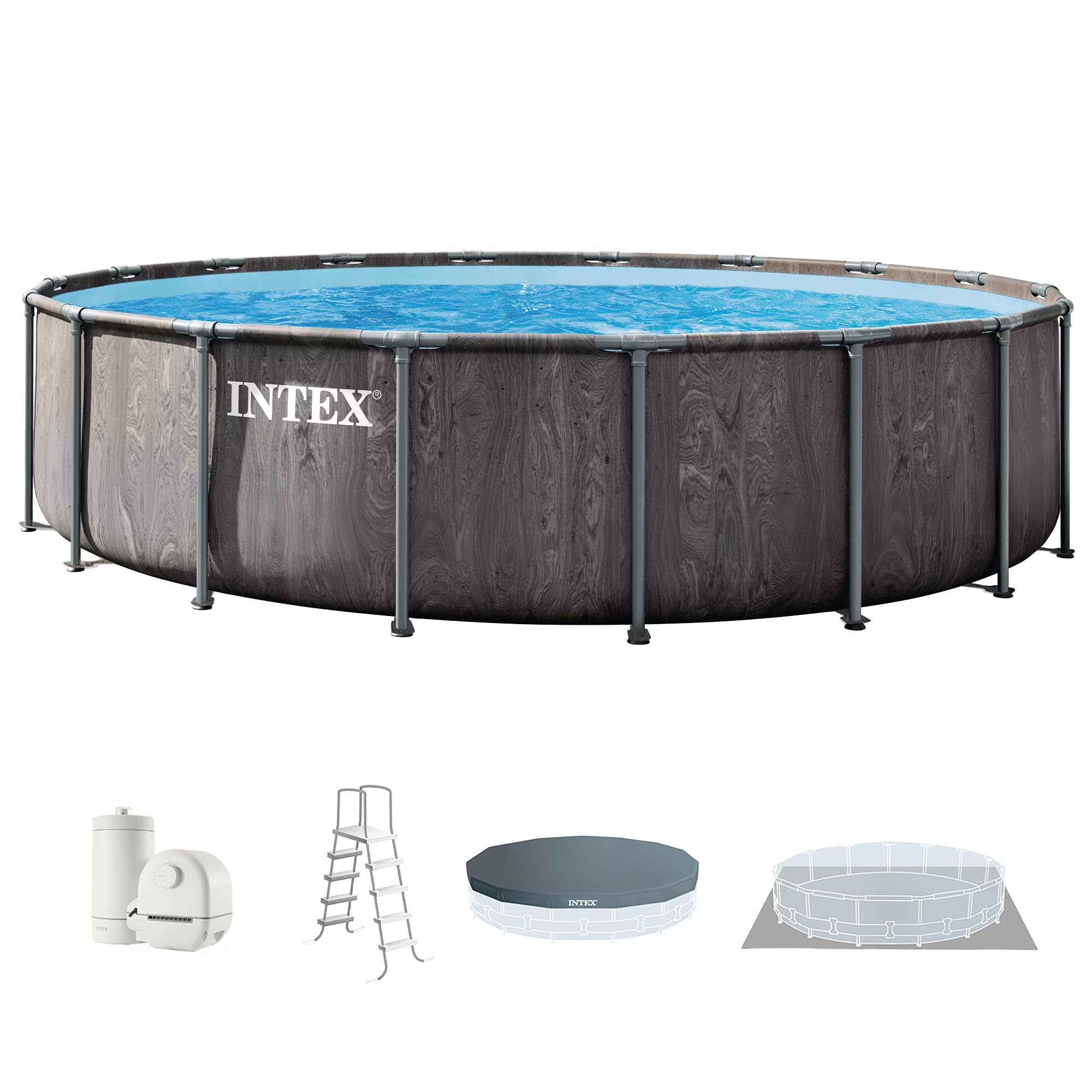
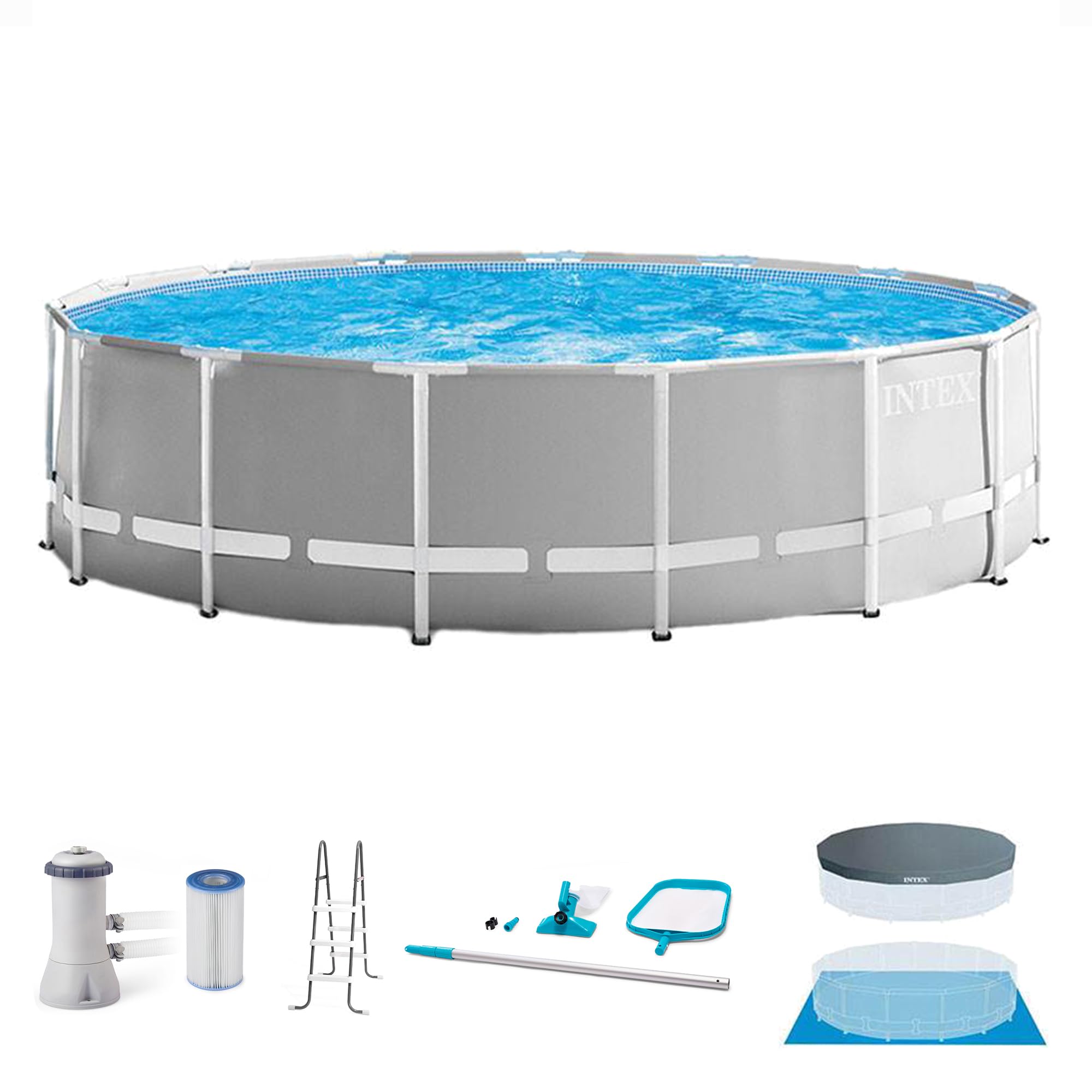

Pool Types at a Glance Under $1000
Three pool types dominate this budget. Metal frame pools give you the most swimming room and the longest service life for the money. Inflatable ring pools cost the least and go up in an afternoon, but they are shallower and less durable. Hard sided pools sit at the top of the budget and feel the most permanent, though setup takes the most work.
Three Pool Types Worth Your Money Under $1000
Metal Frame Pools
A metal frame pool pairs a thick vinyl liner with a skeleton of steel tubes that lock together at the corners and along the walls. Sizes run from about 12 ft across up to 24 ft long rectangular designs, with depths around 48 to 52 inches on the bigger sets. Most kits include a cartridge filter pump, a ladder, and a ground cloth. Rectangular frames suit narrow yards and casual lap swimming, which is why shape deserves its own look in our guide to the best rectangular above ground pool. For most families, this type is the balance point of cost, size, and durability.
Inflatable Ring Pools
An inflatable ring pool has a top ring that you fill with air. As you add water, the ring floats upward and lifts the walls with it, so there is no frame to build. These pools are the cheapest route into backyard swimming and the fastest to set up. The trade offs are real, though. Depths are shallower, walls flex when swimmers lean on them, and a puncture in the ring can drop the water level fast. Treat this type as a starter pool for younger kids, or a trial run before you commit money and yard space to a frame model.
Hard Sided Steel and Resin Pools
A hard sided pool uses a single rolled wall of steel or resin that bolts into a closed oval or circle, held by uprights and top rails. Once built, it stays up all year, and many owners leave the water in over winter with a proper cover. This permanence is the appeal, along with walls that feel solid when you push off them. The cost is setup effort, since the wall is heavy and awkward to unroll alone, and many owners pay for professional installation. At under $1000 you will find smaller diameters, and some models accept saltwater systems.
How to Choose the Right Above Ground Pool
Price alone tells you little. The factors below decide whether a pool feels generous or cramped, stays clear or turns cloudy, and survives several summers or one.
Size and Form Factor
Round pools in this budget usually measure 12, 15, or 18 ft across, while rectangular frames reach 24 ft in length for yards that are long but narrow. Depth matters as much as width. A wall of 42 inches suits younger children, while 48 to 52 inches lets adults stand in water up to the chest and swim a few strokes. Think in swimmer terms as well. A 12 ft round pool feels fine for two adults and two kids, but six teenagers will turn it into a crowded soaking tub.
Frame and Wall Materials
Steel frames carry most pools at this price, and the details separate the sturdy sets from the flimsy ones. Look for tubes with a powder coating or galvanized finish, since bare steel rusts fast where joints trap water. Resin frames and rails cost more but never rust, which matters if you plan a saltwater system. For the liner, thicker layered material resists punctures from pool toys and dog claws better than thin single layer vinyl.
Pump and Filter
Every pool needs moving water, and the pump bundled in the box is often the weakest part of a budget kit. Cartridge filters are simple to rinse and swap, but small cartridges clog quickly in a big pool. Sand filters cost more and clean finer debris with less weekly attention, though they need occasional backwashing. Match the pump to the water volume, because an undersized pump runs far longer each day and still leaves the far corners cloudy.
Weather Resistant Materials
Sun, wind, and rain all work on a pool that lives outdoors. Strong sun fades and weakens exposed vinyl over time, so a cover does more than keep leaves out. It shields the liner and top rails when the pool sits unused. Wind pushes lightweight ring pools around and can fold an uncovered wall in a storm. Rain raises the water level and dilutes your chemicals, so check levels after heavy weather. At the frame joints, trapped moisture starts rust that spreads under the coating, and drying the joints at season end slows that process down.
Size for Your Space
Measure your yard before you fall for the biggest diameter on sale. You need the pool footprint plus clear working room on every side for assembly, cleaning, and reaching the pump. Slope matters more than almost anything. A pool needs ground level within about an inch across the whole footprint, and a sloped site puts uneven pressure on the low wall. Compact yards still have good options, as our guide to the best small above ground pool shows.
Assembly and Anchoring
Frame and ring pools are genuine do it yourself projects, while hard sided walls reward a second pair of hands and a calm day. Plan on ground preparation taking longer than the build itself, since clearing sod and stones from the pad is slow work. Our walkthrough on how to assemble an above ground pool covers the full sequence from pad to first fill. Water weight on a level pad anchors the frame, not stakes. Before you fill, check local rules, since many towns require a barrier fence or a locking ladder around any pool.
Care and Off Season Storage
Clear water is a routine, not a rescue job. Run the pump daily, test the water each week, and keep chlorine and pH in range so algae never gets a foothold. At the end of the season, frame and ring pools usually come down, get dried fully, and store indoors away from mice and sharp tools. Hard sided pools stay up and need proper closing, which our guide to how to winterize an above ground pool explains step by step.
How Much Should You Spend?
Under about $200, expect ring pools and small frames with basic pumps, fine for a season or two of light use. From about $200 to $500, frame pools grow to 15 or 18 ft with stronger pumps and ladders included. From about $500 to $1000, you reach the largest frames, small hard sided pools, and sand filter upgrades. Whatever tier you pick, hold back part of the budget for extras every pool needs, such as chemicals, a test kit, a cover, and a skimmer net.
What You Get and What You Give Up Under $1000
At this budget you get real swimming, not a wading toy. A mid size frame pool holds a family, supports floats and games, and cools a summer of afternoons for less than a single weekend trip costs many households. You also get reversibility. If the pool stops earning its space, you drain it and reclaim the yard, which no dug pool allows. Our comparison of above ground vs inground pool lays out that contrast in full.
The give ups are honest ones. There is no deep end, so diving is off the table, and depths top out around chest height on an adult. The liner is a wear part that will need replacement years before the frame wears out. Walls and rails look functional rather than elegant. Accept those limits and this budget delivers strong value.
Common Mistakes to Avoid
- Setting the pool on ground that looks level. Eyeballing is not enough, and a small slope overloads the low side wall until it bulges or fails.
- Buying the largest size that fits on paper. Forgetting the working room around the pool leaves you unable to reach the pump or brush the far wall.
- Spending the whole budget on the pool itself. Chemicals, a test kit, and a cover are not optional extras, and skipping them turns clear water cloudy fast.
- Leaving the ladder in place between swims. A standing ladder invites unsupervised children, so remove it or lock it after every session.
- Skipping water tests because the water looks clear. Water can look fine while chlorine sits too low to control bacteria, and looks alone never confirm safe levels.
FAQs
Can you get a good above ground pool for under $1000?
Yes. The frame pools in the middle of this budget are genuinely good, with steel frames, usable depths, and pumps sized close to the water volume. One buying tip the price tag hides is timing. Retailers cut prices hard at the end of the swim season, so a pool near the top of the budget in spring may sell for far less in late summer, which suits buyers planning ahead.
How long does an above ground pool last?
A steel frame commonly outlasts two liners, and owners often get a decade or more from the structure with basic care. The liner ages first, since sun, chemicals, and folding for storage all wear the vinyl. Replacement liners cost far less than a new pool, so a tired liner is a reason to refresh the pool rather than replace it. Ring pools sit at the short end of the range, since the inflatable ring takes the same sun damage with no frame behind it.
How do you clean an above ground pool?
Skim the surface each day you swim, since leaves left floating sink and feed algae. Brush the walls and floor once a week to loosen the film that forms where water movement is weakest, especially in the corners and behind the ladder. Cleaning works best right before the pump runs its daily cycle, so loosened dirt reaches the filter instead of settling again.
Is an above ground pool worth it?
For most households, yes, because the cost per swim drops fast. A pool used three or four times a week across one summer already beats paying entry fees for the same family at a public pool, and it is still there next summer. Families with children in the swimming years get the most from it, while a household that travels all summer may find the upkeep outweighs the use.
What is the most reliable above ground pool brand?
Reliability tracks parts support more than the logo on the box. A maker that sells replacement liners, pump cartridges, and frame joints for years after purchase keeps a pool running long after a bargain brand becomes unrepairable. Warranty length on the frame and liner is the clearest public signal of how long the maker expects the pool to last. Register the purchase and keep the manual, since warranty claims go faster with both on hand.
Final Thoughts
Under $1000, the smart money goes to a metal frame pool sized honestly for your yard, with budget left over for chemicals, a cover, and a test kit. Ring pools serve as cheap starters, and hard sided pools reward buyers who want a fixture that stays up all year. Whichever type you choose, the best above ground pool under 1000 dollars is the one whose size, pump, and upkeep match your space and routine. Check the product table above once more, measure your yard twice, and order with the full season in mind.