Above Ground vs Inground Pool: Which Is Better in 2026?
Disclosure: We may earn a commission when you buy through links on this page, at no extra cost to you. As an Amazon Associate I earn from qualifying purchases. Learn more
Above Ground vs Inground Pool: we compare the key differences, pros and cons side by side so you can decide which one is right for you.
The above ground vs inground pool choice comes down to how permanent you want the pool to be. Choose an above ground pool if you want lower cost, fast setup and the option to remove it later. Choose an inground pool if you want greater depth, a shape built for your yard and a structure that stays in place for decades. The comparison table below sums up the gap in cost, lifespan and effort.
Both types use similar pumps, filters and water care, so the real difference between above ground and inground pool ownership is the structure itself. One sits on the ground as a kit you assemble, while the other is a construction project dug into the soil. That single fact drives almost every difference in price, timing and upkeep that follows.




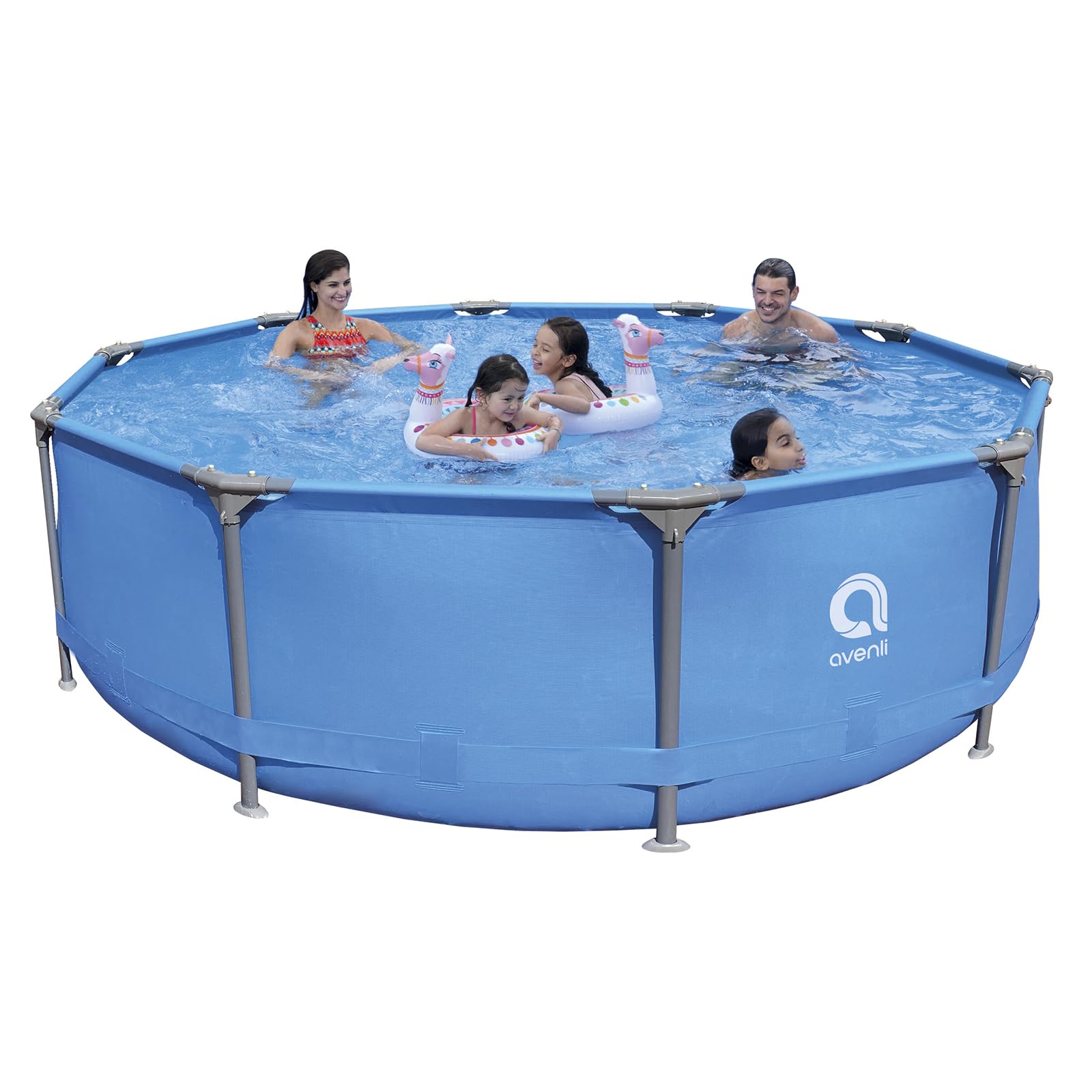
Above Ground vs Inground Pool: Comparison Table
The table below gives you the short version before the detail sections. Read the winner column as a guide to which type suits a given priority, not as a final verdict, since your yard, budget and plans for the home matter just as much as the pool itself.
| Criterion | Above Ground | Inground Pool | Winner |
|---|---|---|---|
| Total cost | About $1,500 to $15,000 for many home setups | About $35,000 to $100,000 or more | Above Ground |
| Time to first swim | Days once the ground is level | About 6 to 12 weeks of construction | Above Ground |
| Typical lifespan | About 8 to 15 years | 25 years or more | Inground Pool |
| Depth and shape | Mostly one flat depth, round or oval | Varied depths, custom shapes | Inground Pool |
| Removal | Can be drained, dismantled and taken away | Permanent, costly to fill in | Above Ground |
| Effect on the yard | Sits on top, yard largely unchanged below | Excavation reshapes the yard for good | Depends on your plans |
What Is an Above Ground Pool? What Is an Inground Pool?
Above Ground Pool Overview
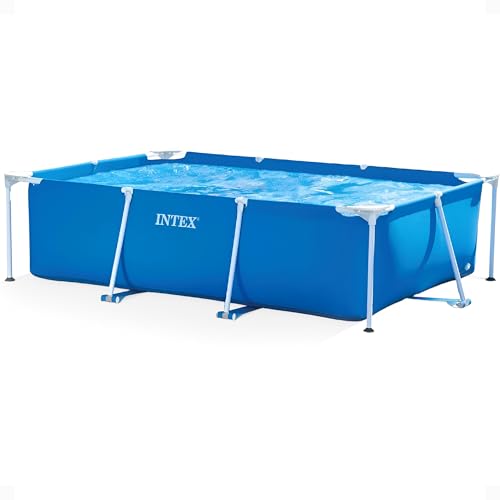
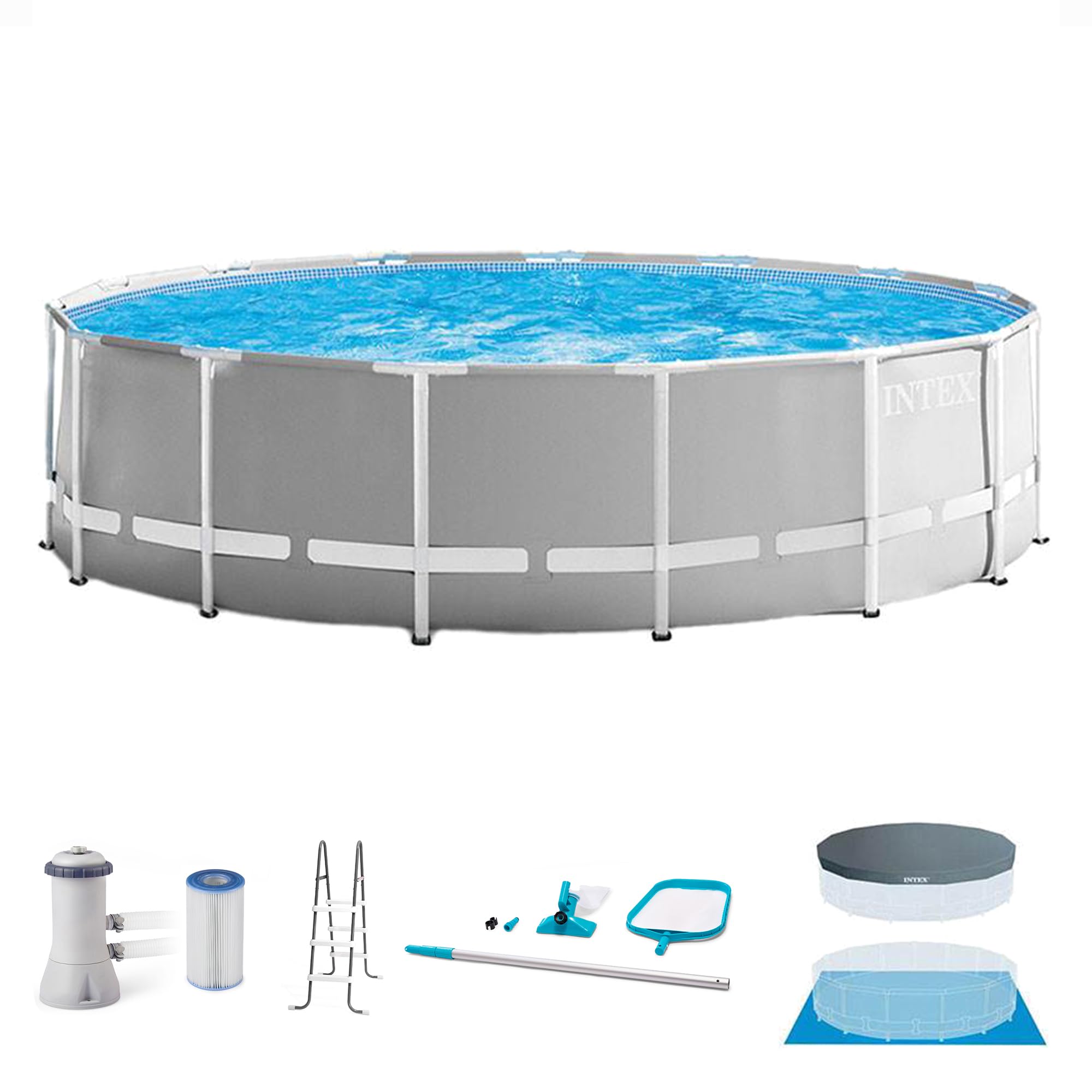
An above ground pool is a freestanding structure that sits on a level pad of soil or sand in your yard. Its wall or frame holds a vinyl liner that contains the water, and the pump and filter sit outside the wall at ground level. Sizes run from small round models about 12 feet across to large ovals past 30 feet long. Frame pools use steel or resin supports you bolt together, and readers comparing one framed model in detail can check the intex prism frame pool review for its listed dimensions and included pump.
Inground Pool Overview
An inground pool is built into an excavated hole, so its waterline sits at or below the level of the surrounding deck. Builders form the shell from concrete sprayed over steel mesh, set a one piece fiberglass shell into the hole, or fit a vinyl liner over a prepared base and wall panels. Plumbing runs underground to a pump and filter pad, and a deck of pavers, stone or concrete finishes the edge. Because the shell becomes part of the property, most towns treat the build as a construction project with permits and inspections.
Key Differences Between the Two Pool Types
Build Materials and Weather Resistance
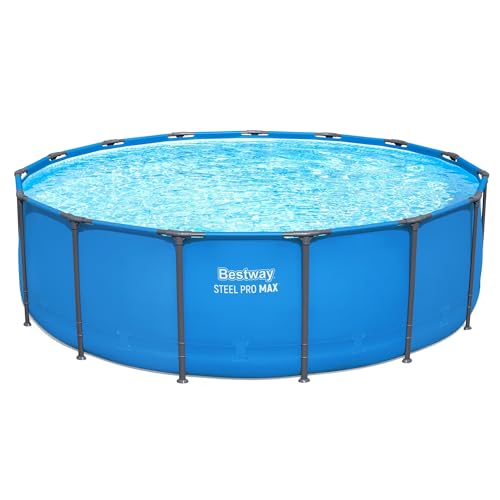
Above ground pools rely on a vinyl liner held by a steel, resin or aluminum frame, and each material handles weather in its own way. Steel is strong but can rust where the coating chips, resin shrugs off rust and heat, and liners grow brittle after years of sun exposure. Shoppers weighing steel frame designs can read the bestway power steel review to see how one steel frame line lists its sizes and parts. Inground shells of concrete or fiberglass resist sun and wind far better, though hard freezes can crack plumbing and damage tile or plaster if the pool is closed poorly.
Size and Capacity
Above ground pools come in fixed kit sizes, so you pick from set diameters and lengths rather than drawing your own shape. Round models commonly run about 12 to 30 feet across, wall height stays near 48 to 54 inches, and the water inside sits a few inches below the rim, giving one flat depth of roughly 4 feet. Inground pools start around 12 by 24 feet for a compact rectangle and reach 20 by 40 feet or larger, with a shallow end near 3 feet sloping to a deep end of 8 feet or more. That extra volume also means more water to heat, treat and circulate each week.
Assembly and Installation
Setting up an above ground pool is mostly ground work. You clear and level the site, lay a sand or pad base, assemble the frame or wall, fit the liner and connect the pump, and many owners finish in 1 to 3 days once the ground is ready. An inground build follows a longer chain of steps: layout and excavation, steel and plumbing work, electrical bonding, shell placement or spraying, deck pouring and startup, with inspections between stages. Weather delays and permit waits stretch the inground pool vs above ground timeline gap even further, which is why inground projects often take about 6 to 12 weeks.
Durability and Lifespan
An above ground pool typically serves about 8 to 15 years before the frame or wall needs major work, and the liner inside usually wears out sooner, often after about 5 to 8 years of sun and chemical exposure. The good news is that a liner swap is a modest job that resets the clock on the part that ages fastest. Inground pools last far longer as structures. A concrete or fiberglass shell can serve 25 years or more, although concrete surfaces need refinishing over time and pumps, filters and heaters wear out on their own schedules regardless of pool type.
Warranty Coverage
Warranty terms differ sharply between the two types, and the fine print matters more than the headline number of years. Above ground warranties often split coverage by part, with the frame covered longer than the liner, and many liner warranties are prorated, so the amount paid toward a claim shrinks as the liner ages. Inground builders usually warrant the shell or structure for a long term, sometimes for as long as you own the home, while pumps, heaters and lights carry shorter equipment terms from their makers. Labor is commonly excluded on both types, so ask who pays for draining and refilling the pool during a repair.
Price and Value
Money is where the two types sit furthest apart. A complete above ground setup, counting site work, a pump and basic steps or a ladder, often lands at about $1,500 to $15,000, and you can start small and add a deck later. An inground project usually runs about $35,000 to $100,000 or more once excavation, the shell, decking, fencing and electrical work are added. Running costs follow size, since a larger inground pool holds more water to heat and treat. An inground pool may appeal to buyers in warm areas, but treat it as a lifestyle purchase rather than a sure gain in home value.
Which Pool Should You Buy?
Choose Above Ground If
Pick an above ground pool if your budget is limited, you want to swim this season rather than after a long build, or you may move within the next several years. It also suits renters with landlord permission, families who want a pool only while the kids are young, and yards where digging is blocked by rock, a high water table or buried utility lines. When you are ready to compare sizes and frame styles, our guide to the best above ground pool options walks through what to measure first.
Choose Inground Pool If
Pick an inground pool if you plan to stay in the home for many years and want the pool to anchor your outdoor living space. It is the better fit when you want a deep end for older swimmers, a shape that follows an awkward yard, or features such as a tanning ledge, bench seating or an attached spa. You should also be comfortable funding professional opening, closing and surface care over the long term, since the structure is permanent and its upkeep becomes part of owning the home.
Other Options to Consider
A partly buried pool sits between the two main types. Part of its wall rests below grade, which lowers its profile in the yard and lets a deck meet it more neatly, while it still uses a liner and frame style construction. Cost and lifespan land between a standard above ground kit and a full inground build, and not every above ground model is rated for burial, so check the maker guidance for the wall you choose. Soil drainage and local code decide whether this middle path works on your lot, so confirm both before you commit.
FAQs
Is an above ground pool better than an inground pool?
Neither type is better for everyone, because the right answer depends on how long you will use it and what you can spend. An above ground pool wins on price, speed and flexibility, and it can leave with you or come down when tastes change. An inground pool wins on depth, looks and lifespan. If you expect to sell the home soon, the removable option protects you from paying for a permanent build that the next owner may not value.
What is the main difference between an above ground pool and an inground pool?
The main difference is placement: one pool stands on the ground as an assembled kit, and the other is a shell built into a dug hole. Placement changes everything downstream, from permits to plumbing routes. One practical effect owners notice is leak spotting. A leak in an above ground liner usually shows as a wet patch you can see and reach, while an inground leak can hide underground and may need pressure testing by a leak detection service to locate.
Which pool type is easier to clean, an above ground pool or an inground pool?
An above ground pool is usually easier to clean because its floor is one flat surface with no steps, benches or ledges where debris settles. A basic vacuum and a leaf net cover most routine work, and you can reach every wall from a small step stool outside the pool. An inground pool has more surface area plus steps and corners that need brushing by hand. On the plus side, many inground builds include stronger pumps and plumbing layouts that suit automatic cleaners well.
Which pool type lasts longer, an above ground pool or an inground pool?
An inground pool lasts longer as a structure, with shells that can serve 25 years or more, while an above ground pool typically lasts about 8 to 15 years. The failure pattern differs, though. Above ground pools tend to decline part by part, so a new liner or a single frame rail can buy more seasons at low cost. Inground pools fail less often but at higher stakes, since a cracked shell or a leaking underground pipe calls for excavation or specialist repair rather than a weekend fix.
Does an above ground pool or an inground pool need a permit and a fence?
Most inground pools need a building permit, inspections and a barrier fence that meets local code before the pool can be filled. Above ground pools are treated differently from town to town. Some places exempt small pools, while others require a fence, a locking ladder or a permit once the water depth passes a set threshold. Rules also cover setbacks from property lines and septic systems. Check with your local building office before you buy, since these rules can change which type fits your lot.
The Bottom Line
So, above ground or inground pool: which is better for you? If low cost, fast setup and the freedom to remove the pool matter most, go above ground. If you want depth, a custom shape and a structure measured in decades, go inground. Use the product table above to weigh the trade offs against your budget and your timeline, then measure your yard and check local rules before you order anything. Pick the above ground vs inground pool option you will still be glad you own five summers from now.