
Best AAA Batteries for Digital Cameras in 2026: The Buyer Checklist We Use
Disclosure: We may earn a commission when you buy through links on this page, at no extra cost to you. As an Amazon Associate I earn from qualifying purchases. Learn more

Compare AAA battery types for digital cameras by capacity, flash recycle speed, shelf life and cost, with a checklist to avoid leaks and weak cells.
A digital camera is a hard load for a small cell. Each flash burst pulls a quick surge of power, the screen stays on between shots, and voltage can sag long before the stored energy is gone. The best aaa batteries for digital cameras hold their voltage under that load, and you can check the key points in the comparison table below.
Start with fit, then match the chemistry to how often you shoot. A camera used twice a year needs cells that wait well, while a weekly camera rewards cells you can recharge. This guide covers capacity, voltage under load, shelf life and leakage risk.


Who Should Buy Which AAA Batteries for Digital Cameras?
Your shooting pattern decides the chemistry more than any single number on a pack.
Owners of Older Compact Cameras That Take AAA Cells
Many older compacts run on two or four AAA cells instead of a fitted pack. You need cells the manual allows, in the exact count the tray holds. Alkaline cells suit light use, since they are easy to find while traveling. Keep a fresh spare set in your bag, because a stopped camera rarely gives much warning.
Families Whose Camera Sits Idle for Months
A family camera may sleep in a drawer between birthdays, then need to work at once. Shelf life matters more for you than peak output. Lithium cells and low self discharge rechargeable cells both wait well, while ordinary rechargeable cells can lose much of their charge while sitting. Remove cells during long storage, since a forgotten set is the usual source of leaks.
Frequent Shooters Who Use Flash Often
If you shoot school events or indoor visits most weeks, flash will empty single use cells at a pace that gets costly. Rechargeable nickel metal hydride cells usually pay for their charger within a handful of outings. Buy two full sets so one can charge while the other is in the camera, and label each set.
Key Features to Compare
Compare these factors in the same order each time you shop. A low pack price means little if the cells fade after a short session.
Chemistry: Alkaline, Lithium and Rechargeable Cells
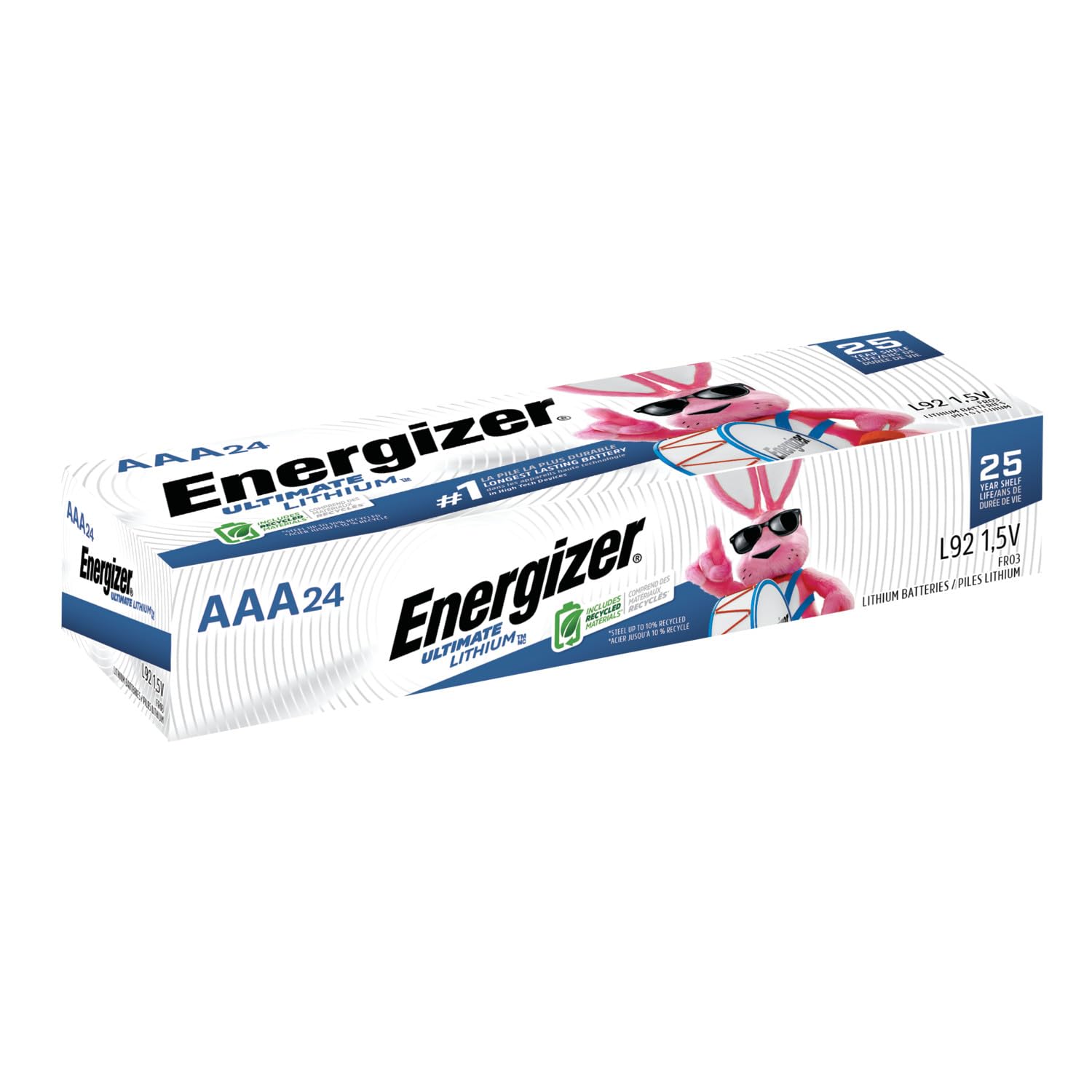
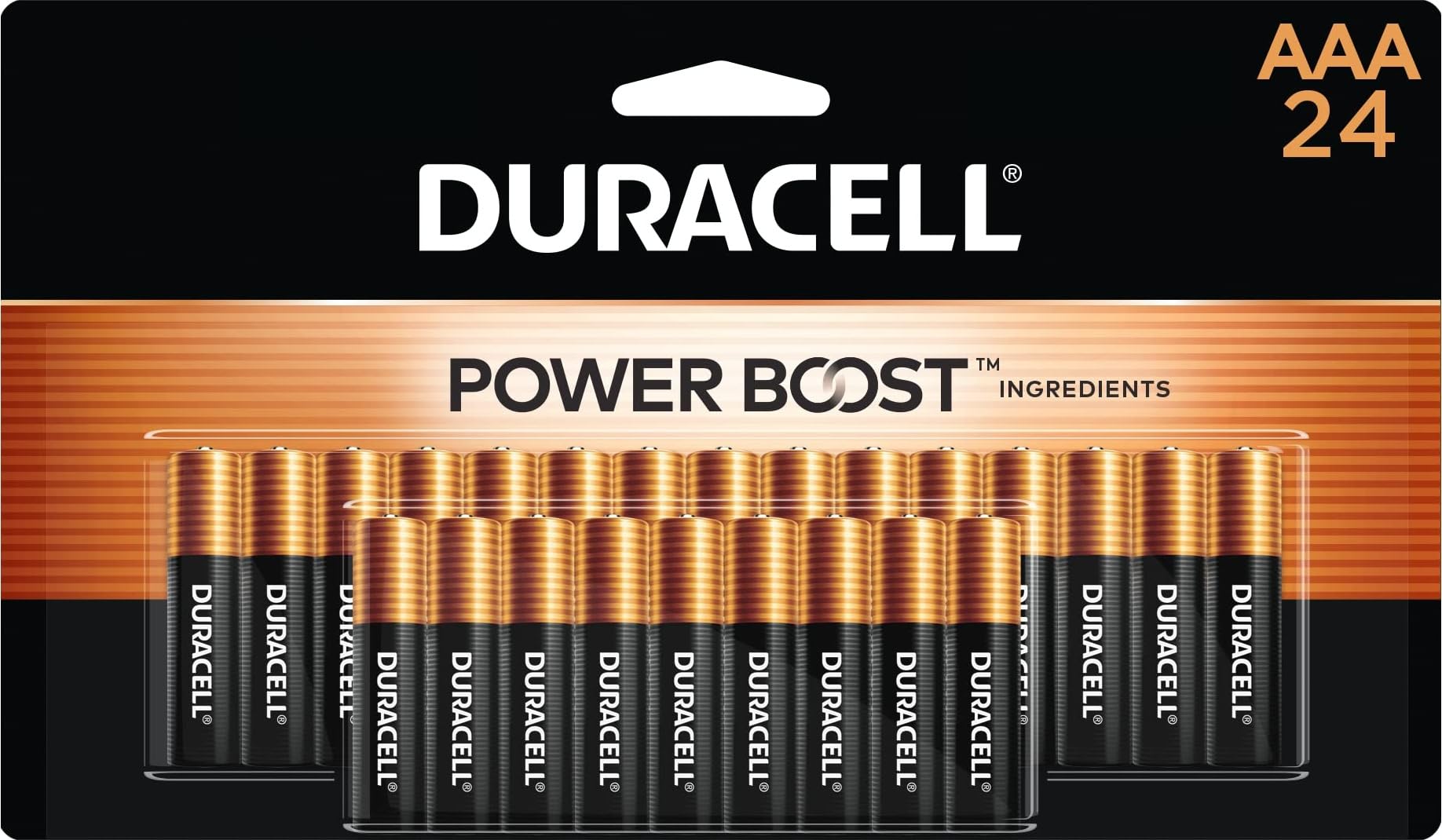
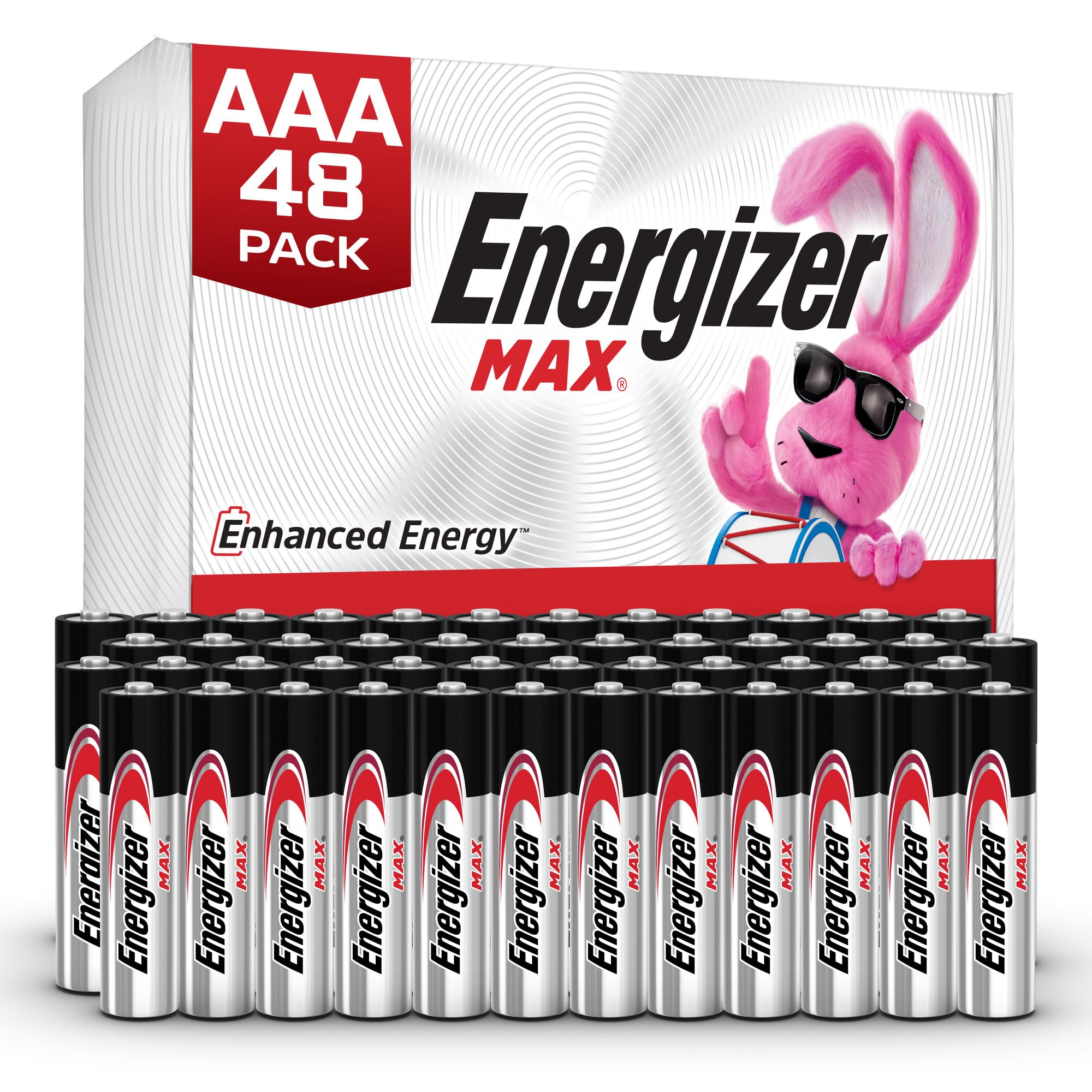
Chemistry sets voltage, shelf life and running cost in one choice. Alkaline cells start at about 1.5 volts, cost little per pack and suit occasional shooting. Lithium AAA cells also deliver about 1.5 volts, weigh less and work well in cold weather, but each pack costs more. Rechargeable nickel metal hydride cells run at about 1.2 volts and can be charged hundreds of times. Check your manual first, since some older cameras behave poorly on that lower voltage.
Capacity and Voltage Under a Flash Load
Capacity is listed in milliamp hours, and many rechargeable AAA cells list about 700 to 1100 milliamp hours, while most alkaline packs print none. A bigger number helps, but it is measured under gentle loads, and a camera flash is not gentle. What you feel in use is recycle time, the pause before the flash is ready again. Cells that hold voltage under load give shorter pauses and more shots, even when printed capacity looks similar.
Shelf Life and Self Discharge in Storage
Every cell loses charge while it waits, and the rate differs a lot by type. Alkaline cells store well for years, and lithium cells store longer still. Standard rechargeable cells can lose a large share of their charge within a few months. Low self discharge rechargeable cells hold most of their charge for many months, which suits cameras used only now and then.
Performance in Cold and Heat
Temperature changes how much power a cell can give at once. Alkaline output drops sharply in cold weather, so winter photos can end early even with cells that worked fine indoors. Lithium cells cope with cold far better and are the usual pick for winter trips and outdoor events. Heat hurts every type, since a hot car speeds up self discharge and raises leak risk. Store spares at room temperature.
Leakage Risk and Contact Safety
A leak can damage a camera far beyond the price of the cells, since the fluid corrodes tray contacts. Alkaline cells are the most likely to leak once fully drained, especially when a weak cell sits beside stronger ones. Rechargeable and lithium cells leak far less often, though no type should stay in an unused camera for years. Replace all cells in the tray together, and never mix old and new cells or mix chemistries in one set.
AAA Battery Types Compared: Which Type Fits Your Shooting?
The three chemistries split cleanly by habit. If you are weighing the broader category, see our guide to the best batteries for digital cameras. Owners whose tray takes the larger size instead should see our guide to the best batteries for digital cameras aa before ordering.
Alkaline cells offer simple availability and a low first cost, and our guide to the best alkaline batteries for digital cameras covers that type in depth. Choose them for a backup set or a camera used a few times a year. Lithium cells fill the gap for trips where charging is impossible and cold weather is likely.
For frequent shooting, rechargeable cells are usually the sensible default, and our guide to the best rechargeable batteries for digital cameras explains charger choices. When you compare the best aaa batteries for digital cameras across types, weigh how you shoot rather than specs alone, since the right type for weekly use is rarely right for a drawer camera.
Before you order, run this quick checklist. Does the manual list AAA cells and allow rechargeable voltage? Does the tray take two cells or four? Can you charge a set the night before an outing? Will the camera sit unused for more than six months? Where will you store a spare set?
Common Mistakes to Avoid
Most early battery failures come from simple habits rather than a poor brand choice.
- Mixing old and new cells in one tray makes the weak cell drain first and raises the chance of a leak.
- Buying AAA cells for a camera that takes AA cells or a fitted pack leaves you with spares you cannot use.
- Judging a pack by capacity alone ignores voltage sag, so flash recycle times stay slow despite a big printed number.
- Leaving drained alkaline cells in an unused camera lets corrosion build on the tray contacts over time.
- Storing spares in a hot car shortens their life and can leave them weak before a single shot.
- Tossing loose cells in a bag with keys lets metal touch both ends and drain or damage the cells.
How to Make Your AAA Batteries Last Longer
Small habits during a shoot save more power than most buyers expect. Turn the screen brightness down, review shots in batches, and switch the camera off between stops rather than letting it idle. Use flash only when the light truly needs it, since each full power flash costs far more energy than several daylight shots.
Storage decides how much charge is left next time. Keep cells in their pack or in a small case at room temperature, away from damp and direct sun. Charge rechargeable sets a day or two before an outing rather than months ahead, and rotate two labeled sets. If white crust or swelling appears on any cell, remove the whole set and recycle the damaged cells instead of using them again.
FAQ
What features matter most in AAA batteries for a digital camera?
Voltage under load matters most, because the flash needs a strong surge and weak cells make recycling slow. Next comes chemistry matched to your habit, then shelf life if the camera sits idle. As a practical test, time the flash pause at home. If it doubles after about twenty flash shots, that type will struggle at a longer event, so try a different chemistry.
Can rechargeable AAA batteries work in a digital camera that came with alkaline cells?
Yes, in most cameras they can, and the flash often recycles faster on rechargeable cells despite the lower listed voltage. The catch is the fuel gauge, which reads voltage and may report a half full set as nearly empty. Try one set at home first. If the camera shuts down early, the manual limits you to 1.5 volt cells, and lithium cells are the better upgrade.
How many spare AAA batteries should you carry for a day of shooting?
Carry one full spare set for a light day and two sets if flash will be on for most indoor shots. A set means the full tray count, usually two or four cells, kept together in a case. Searches for the best batteries for digital cameras aaa often mislead here, since a large bargain pack is no help if spares sit loose and drained in your bag.
Why does flash drain AAA batteries faster than daylight shooting?
Flash drains cells faster because each burst charges a capacitor in a few seconds, which is a heavy and sudden draw for a small cell. Daylight shooting spreads its load across the screen, the lens motor and short bursts of processing. Distance matters too, since a subject across a dark room forces a full power flash, while a subject near a lamp needs only a weak fill burst.
How much should you spend on AAA batteries for a digital camera?
Spend in line with use, since occasional shooters do well with alkaline packs that cost only a few dollars per set. Frequent shooters save more by paying about $25 to $45 once for rechargeable cells and a charger. Lithium sets cost the most among single use types and earn their price mainly on cold trips or long travel.
Final Thoughts
Match the chemistry to your habit first, then check capacity, shelf life and cold performance before you compare prices. Keep one fresh spare set with the camera. Use the product table above to confirm cell type, pack size and price for your tray count.
Chosen that way, the best aaa batteries for digital cameras are simply the cells that are ready when you pick the camera up, and that still deliver a fast flash at the end of the day. If you are still choosing the camera itself, see our guide to the best digital cameras.


