
Best AA Batteries for Security Cameras in 2026: Matching the Right Cells to Your Routine
Disclosure: We may earn a commission when you buy through links on this page, at no extra cost to you. As an Amazon Associate I earn from qualifying purchases. Learn more

Compare AA battery chemistry, runtime, cold weather performance and cost for security cameras, with a simple checklist to choose the right set.
A security camera can be well placed and still fail you if its cells fade during the wrong week. The best aa batteries for security cameras for a sheltered porch in a mild town are not the right set for a gate camera facing winter wind. Chemistry, capacity and temperature range decide how many weeks you get between changes. Use the comparison table below to line up those traits against your routine.
Start with two facts: how many cells your camera holds and how often it wakes to record. A quiet side yard asks little of a set, while a front walk records all day and drains the same set far sooner. The sections below sort buyers by routine, then explain each trait.


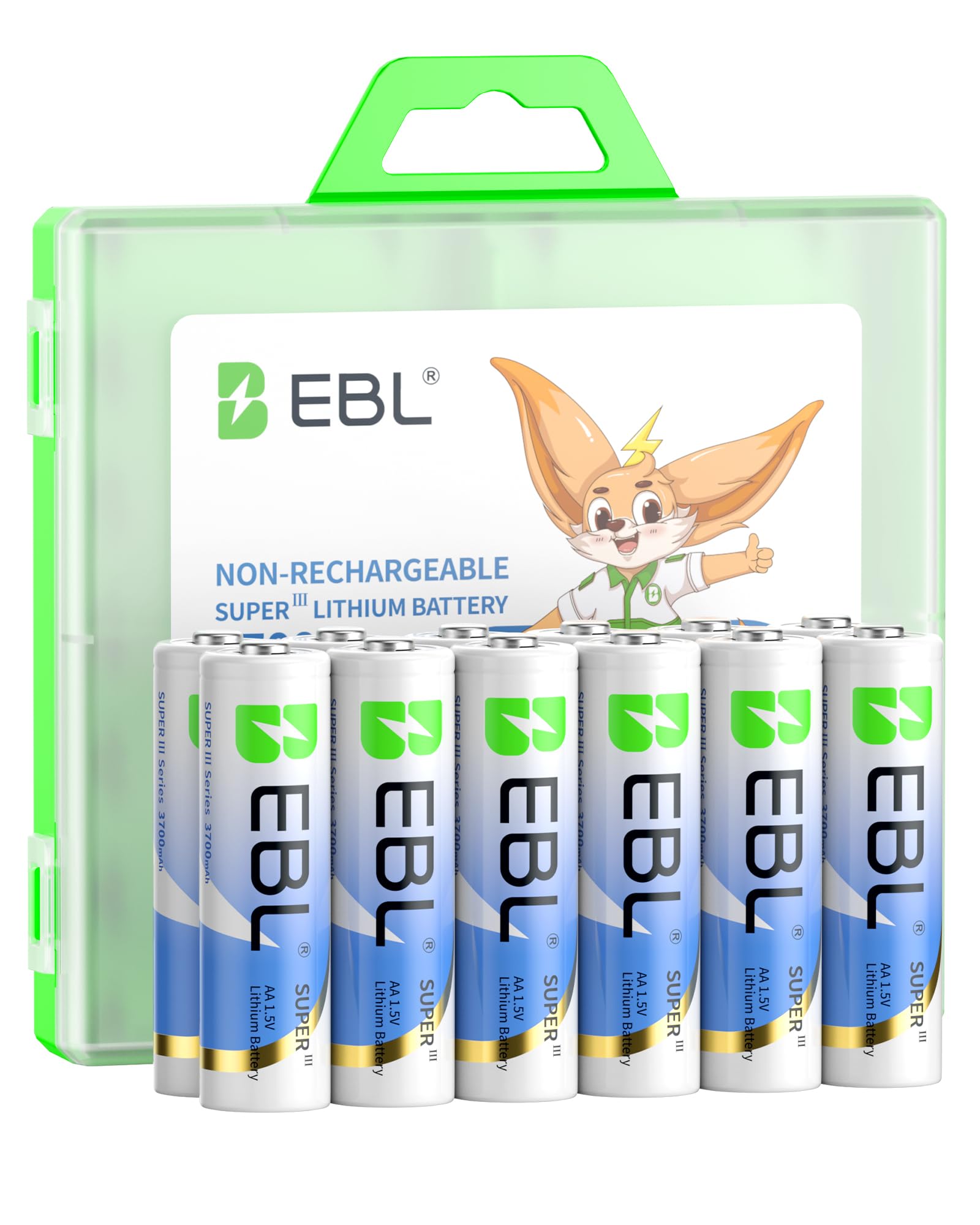
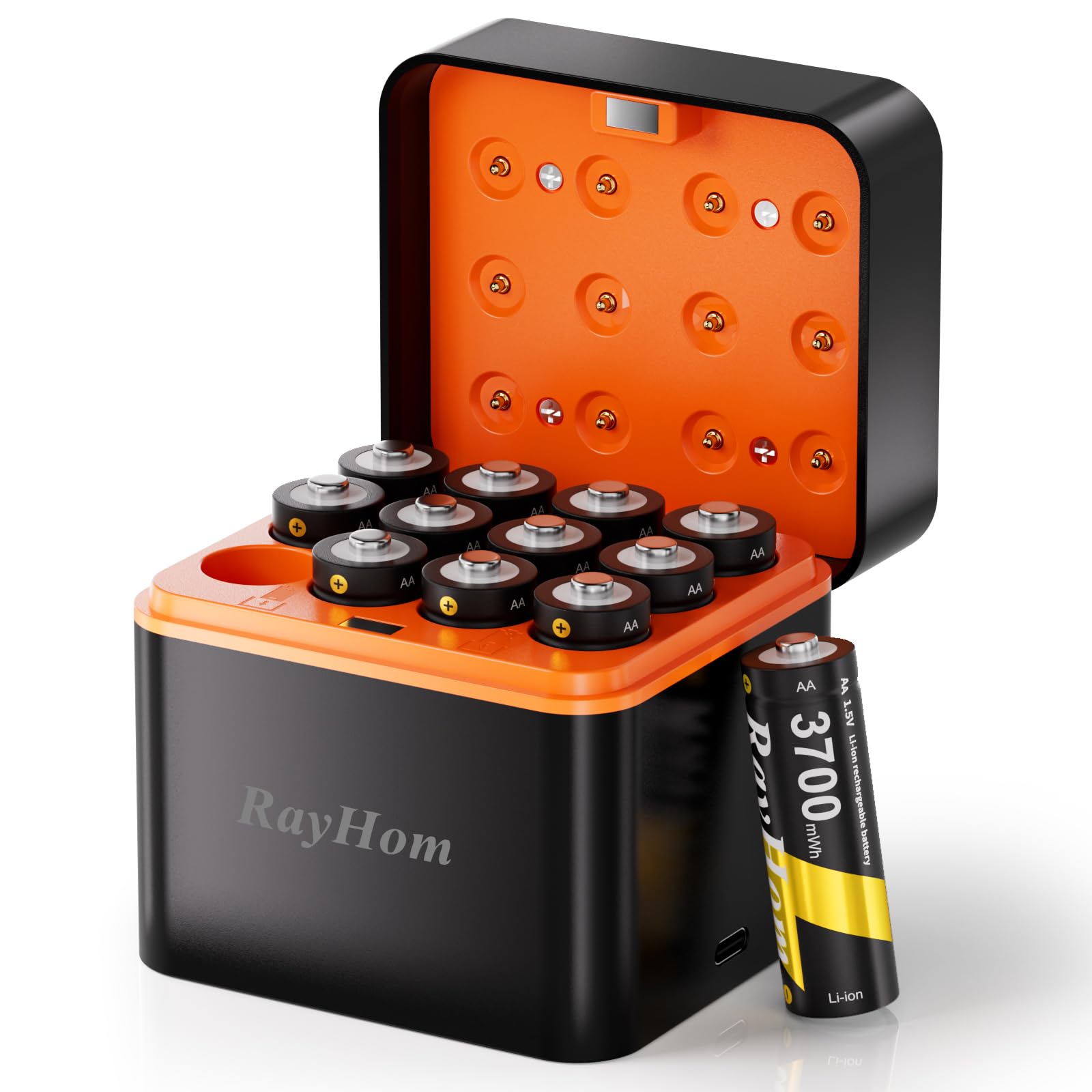
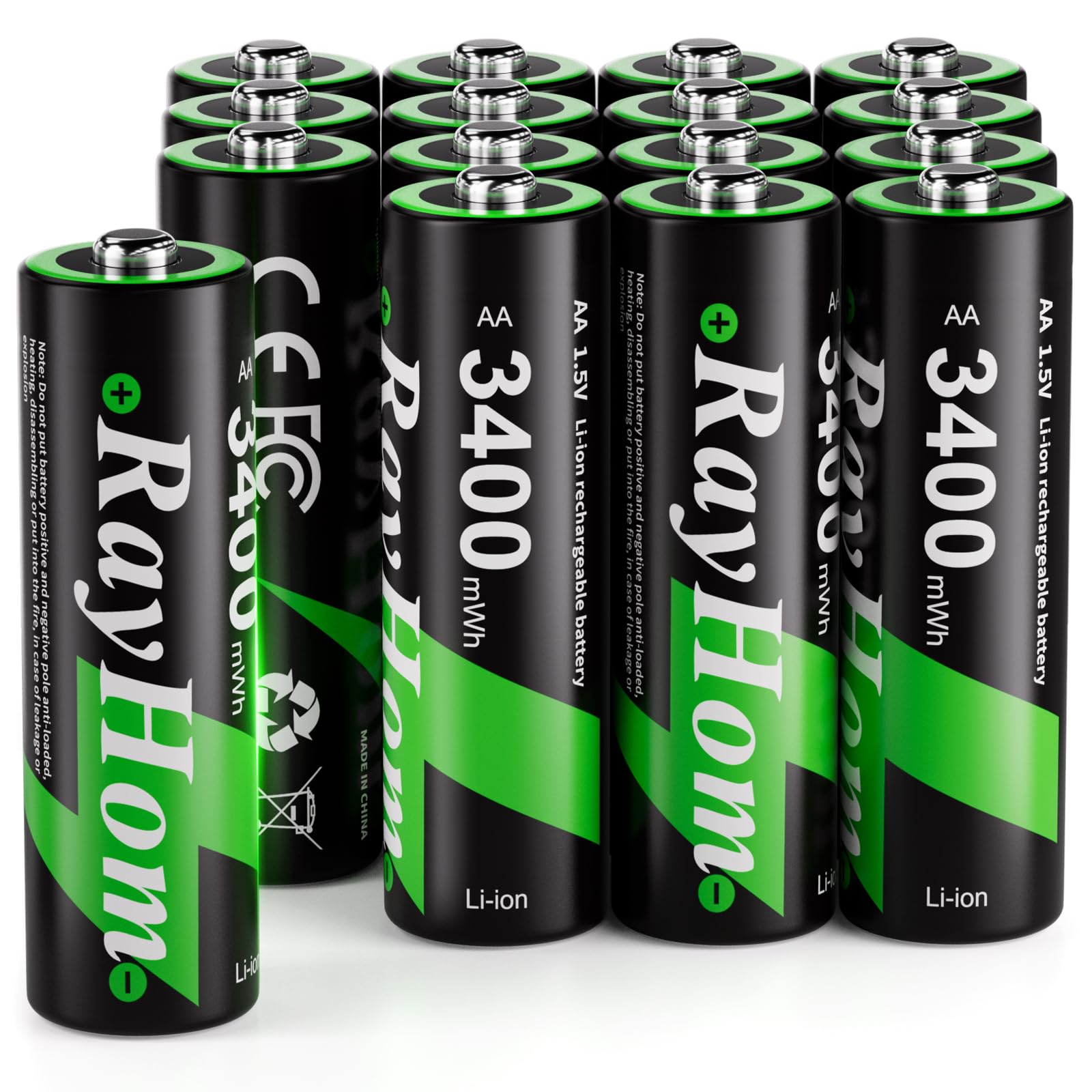
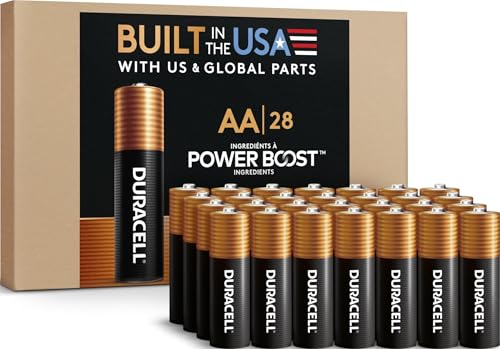

Who Should Buy Which AA Batteries?
No single set suits every camera, because homes differ in weather, traffic and access. Match the cells to the job your camera does, and your replacement rhythm becomes predictable.
Owners With Outdoor Cameras in Cold Winters
Your camera sits outside through frost and long nights, and each change may mean a ladder in bad weather. Put lithium cells first, because they keep delivering power when alkaline cells sag in the cold. Buy the largest pack you will use within its storage life, and keep one full spare set indoors so a low warning never waits on a store trip.
Owners With Busy Entryways and Frequent Motion
Your camera wakes many times a day for deliveries, children, pets and passing cars, so runtime per set is short even with good cells. High capacity lithium cells suit you if you want the longest gap between changes. A rechargeable rotation can work instead if your camera accepts the voltage and you swap more often. Track how many days a set lasts to learn your real yearly cost.
Owners With Quiet Spots and Second Homes
Your camera may sit idle for weeks, guarding a cabin, a rental or a back gate you visit now and then. Shelf life and leak resistance matter more than raw capacity here. Lithium cells fit this pattern well, since they store for years and rarely leak in service. Plan changes around your visits, and note the install date inside the battery door.
Key Features to Compare
Compare these five traits in the same order each time you shop. Together they predict runtime far better than a brand name or a pack price.
Chemistry: Lithium, Alkaline or Rechargeable Cells
Chemistry is the base choice, because it sets voltage behavior, cold tolerance and storage life. Lithium AA cells give a steady 1.5 volts, last longest in most cameras and cost the most per cell. Alkaline cells also start at 1.5 volts but fade as they drain, so cameras often warn early. Nickel metal hydride rechargeables give about 1.2 volts, which some cameras read as low. Our guide to the best aa batteries for cameras covers the same voltage question for photo gear.
Capacity and Voltage Under Load
Capacity, printed in milliamp hours, tells you how much charge a cell holds under a light and steady draw. A camera draws power in short pulses instead, when it wakes and records at night. Under those pulses, a cell whose voltage holds up runs the camera longer than a cell with a higher rating whose voltage dips. Treat the printed rating as a rough guide, and trust chemistry and the voltage curve more.
Cold and Heat Performance Outdoors
Temperature changes what a cell can deliver, even when its charge is not yet spent. Alkaline cells lose much of their useful capacity in freezing weather, while lithium cells are commonly rated to work at about minus 40 degrees Fahrenheit and up to about 140 degrees Fahrenheit. Heat hurts in the other direction, since warm storage speeds the slow self discharge that empties cells on the shelf. Our guide to the best aa batteries for trail cameras applies the same cold weather logic outdoors.
Leak Resistance and Shelf Life
A leaking cell can corrode the contacts inside a camera and end its life. Alkaline cells are the most likely to leak once they run flat, especially if they stay in the device for months. Lithium cells are sealed to a higher standard, and many carry storage ratings of up to about 20 years, while alkaline cells are often rated at about 5 to 10 years. Treat any cell with a damaged wrapper as unfit.
Fit, Cell Count and Camera Requirements
Every AA cell shares the same physical size, yet cameras differ in what they accept and how many they hold. Most models take 2 to 4 cells, and some larger outdoor models take 8 or more. Many makers state lithium cells by name in the manual, and some warn that other chemistries give very short service. Read that page before you shop, and replace the full set at one time so every cell starts level.
How to Match a Set of AA Batteries to Your Camera and Routine
Begin with the manual, not with the battery shelf at the store. Write down the cell count, the chemistry the maker allows and any voltage note, because those three lines narrow the best aa batteries for security cameras to a short list that will run your camera well. If the manual allows more than one chemistry, let weather and traffic decide.
Next, estimate how hard your camera works in a normal week. Count the recorded events on a day in the app, and note how many fall after dark, when infrared lamps draw extra power. A camera on a high gable deserves a longer lasting set than one you can reach from a step. If you are still picking hardware rather than cells, see our guide to the best battery security cameras and compare our guide to the best batteries for security cameras.
Last, do the yearly math. Divide the pack price by the number of full camera sets it provides, then multiply by the changes you expect in a year. A set of four lithium cells at about $12 to $20 can look costly, yet one change a season may beat alkaline sets at about $5 to $8 swapped every few weeks. Rechargeable cells earn their keep only when changes are frequent.
Common Mistakes to Avoid
These errors are easy to make at the store and costly once the camera is on its mount.
- Buying alkaline cells for a camera whose maker requires lithium leaves you with short runtime and early warnings.
- Mixing old and new cells lets the weakest cell drag the set down and raises the risk of a leak.
- Storing spare packs in a hot garage ages the cells before they ever reach the camera.
- Waiting until a camera goes fully dark risks a gap in recording while you are away.
- Judging by pack price alone ignores how often you will climb a ladder to swap the set.
Care and Maintenance for AA Batteries in Security Cameras
Store spare cells in a cool, dry room at normal indoor temperature, away from radiators, sunny sills and damp basements. Keep them in their original pack until you need them, since loose cells can short against keys or coins. Write the purchase month on the pack, use your oldest stock first, and keep one camera set in reserve.
When you change a set, wipe the camera contacts with a dry cloth and check for white or green crust, which signals an earlier leak. Fit every cell to the polarity marks, close the door seal fully, and take spent cells to a battery collection point rather than household trash. Remove cells from any camera stored unused for a season.
FAQ
How long do AA batteries last in a security camera?
AA batteries in a security camera last from a few weeks to many months, and your viewing habits explain much of that spread. Live viewing is the hidden drain, because a camera held open on your phone streams the whole time. If you check live views many times a day, expect the short end of the range even with lithium cells.
Can I use rechargeable AA batteries in a security camera?
Yes, you can use rechargeable AA batteries in a security camera when the maker allows them and the camera reads their voltage correctly. Keep a second charged set ready, because charging takes hours and the camera sits dark while its only set is on the charger. Mark each rotation set with tape so paired cells never blend.
Can I mix old and new AA batteries in one security camera?
No, you should not mix old and new AA batteries in one security camera, even when the brand and label match. Cells bought months apart count as mixed, because storage lowers the older cells a little. Check the date codes on the pack. Move doubtful cells to a flashlight and give the camera a matched set.
Why does a security camera show low battery soon after a change?
A security camera often shows low battery soon after a change because one weak cell pulls the total voltage down. Cold nights can cause a warning that appears at dawn and clears by midday as the cells warm. Log the time of each warning for two days. A pattern tied to cold points to weather, while a constant warning points to a dud cell.
Can I use alkaline AA batteries in an outdoor security camera?
Yes, you can use alkaline AA batteries in an outdoor security camera if the maker allows them, but expect much shorter service outside. Plan the change before winter trips rather than after a warning. A camera under a deep eave fares a little better than one on an open fence post. For a camera you cannot reach easily in winter, lithium is the safer plan.
The Bottom Line
Three points decide almost every purchase: choose chemistry first, check the temperature range for your climate second, and match the pack to how often you can change it third. Use the product table above to confirm chemistry and price.
With those points settled, the best aa batteries for security cameras for your home become a simple repeat purchase. Buy the matched set each time, keep one spare set indoors, and your cameras stay awake through the weeks that matter.


