
Best A3 Photo Printers: Which One Fits the Way You Use It for 2026
Disclosure: We may earn a commission when you buy through links on this page, at no extra cost to you. As an Amazon Associate I earn from qualifying purchases. Learn more

Match the best a3 photo printers to the way you print, from student work to gallery pieces, with clear guidance on ink, paper, size, and running costs.
There is no single right A3 photo printer, because a student printing coursework, a parent printing family portraits, and a photographer preparing exhibition pieces need different things from the same paper size. This guide matches the best a3 photo printers to real patterns of use, so you pay for the capabilities you will actually exercise.
An A3 sheet measures about 297 mm by 420 mm, large enough for prints that hold a wall without the cost and space demands of wider machines. The comparison table below gathers the main options in one place. First work out which user profile sounds like you, then check the features and costs that profile depends on.
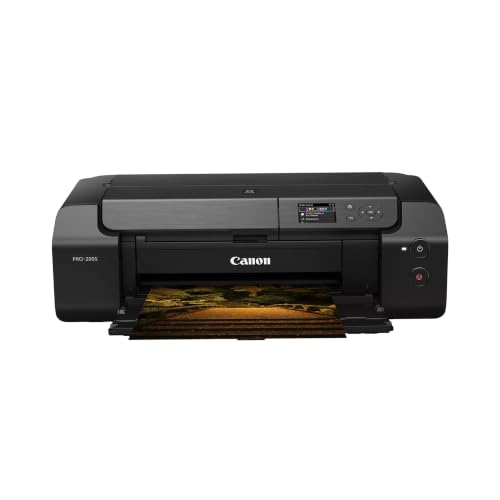


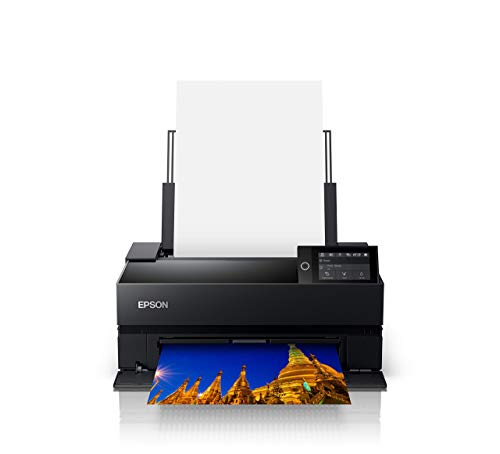
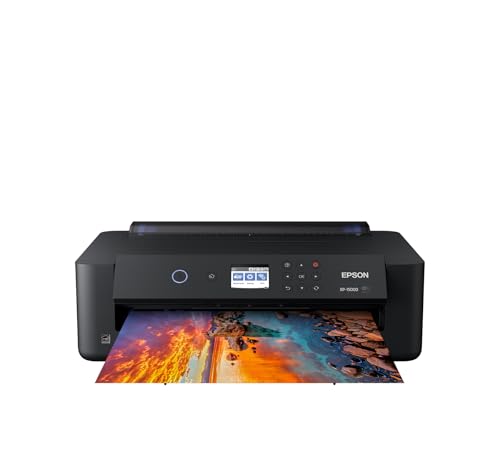
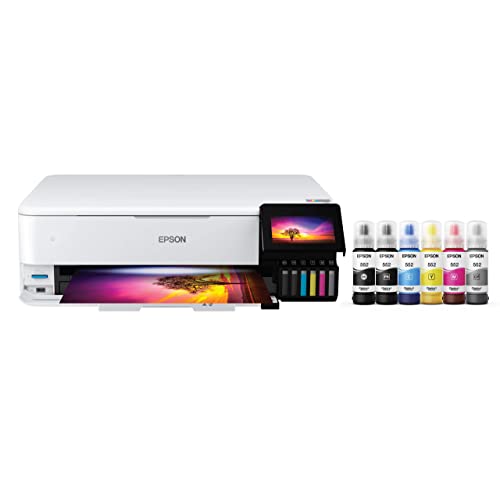
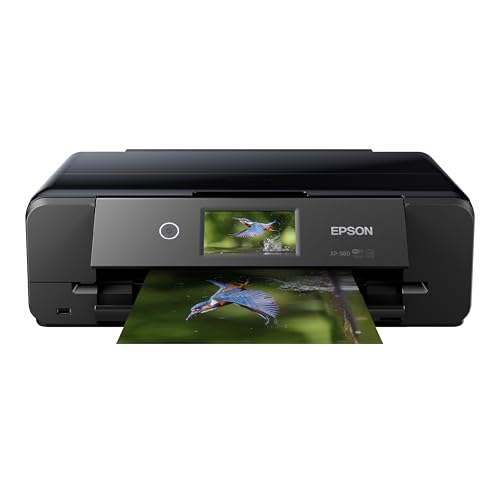
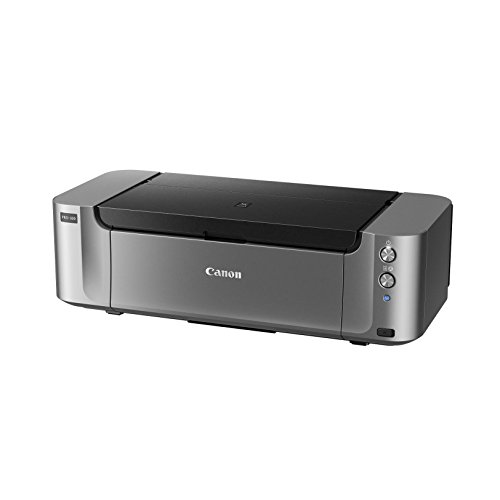
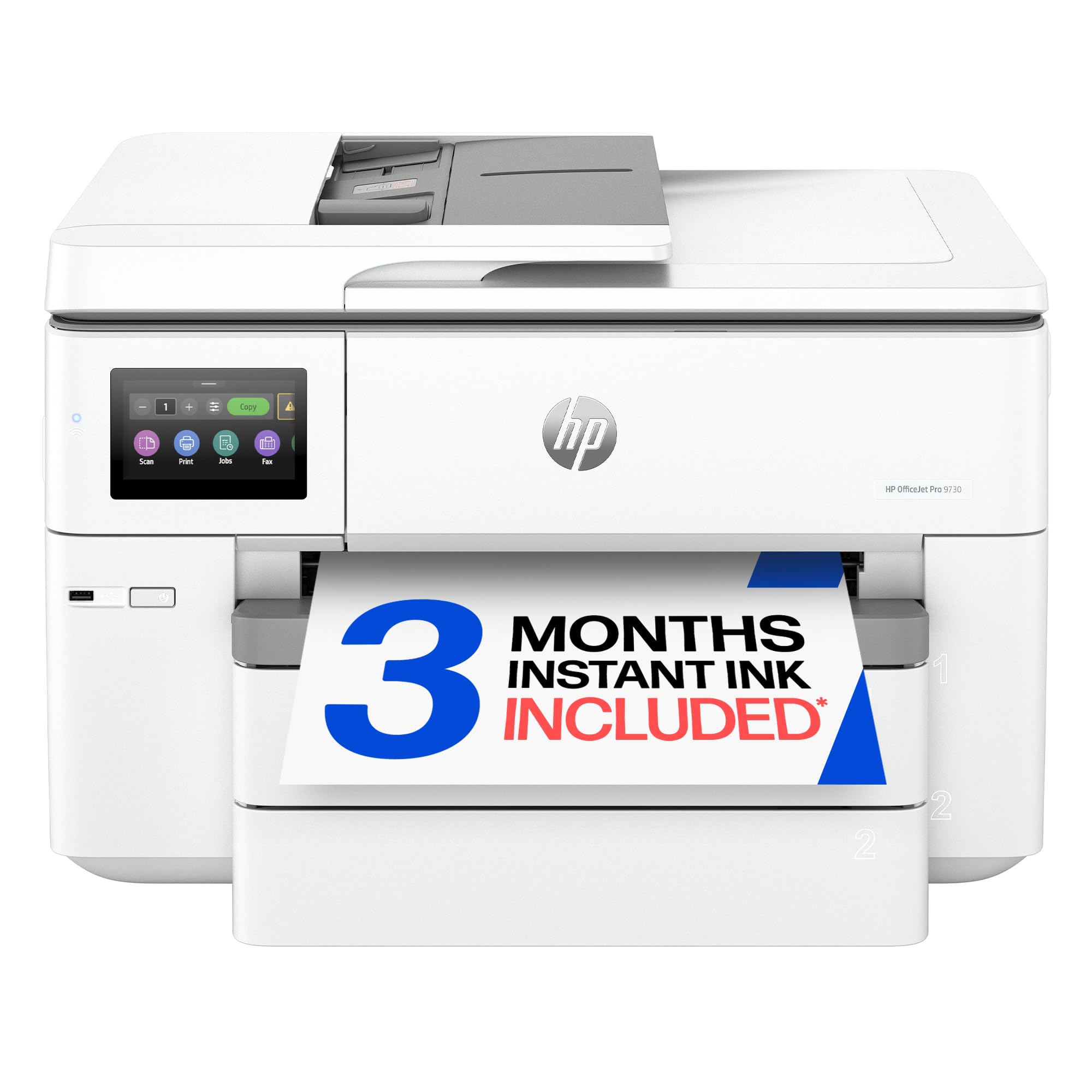
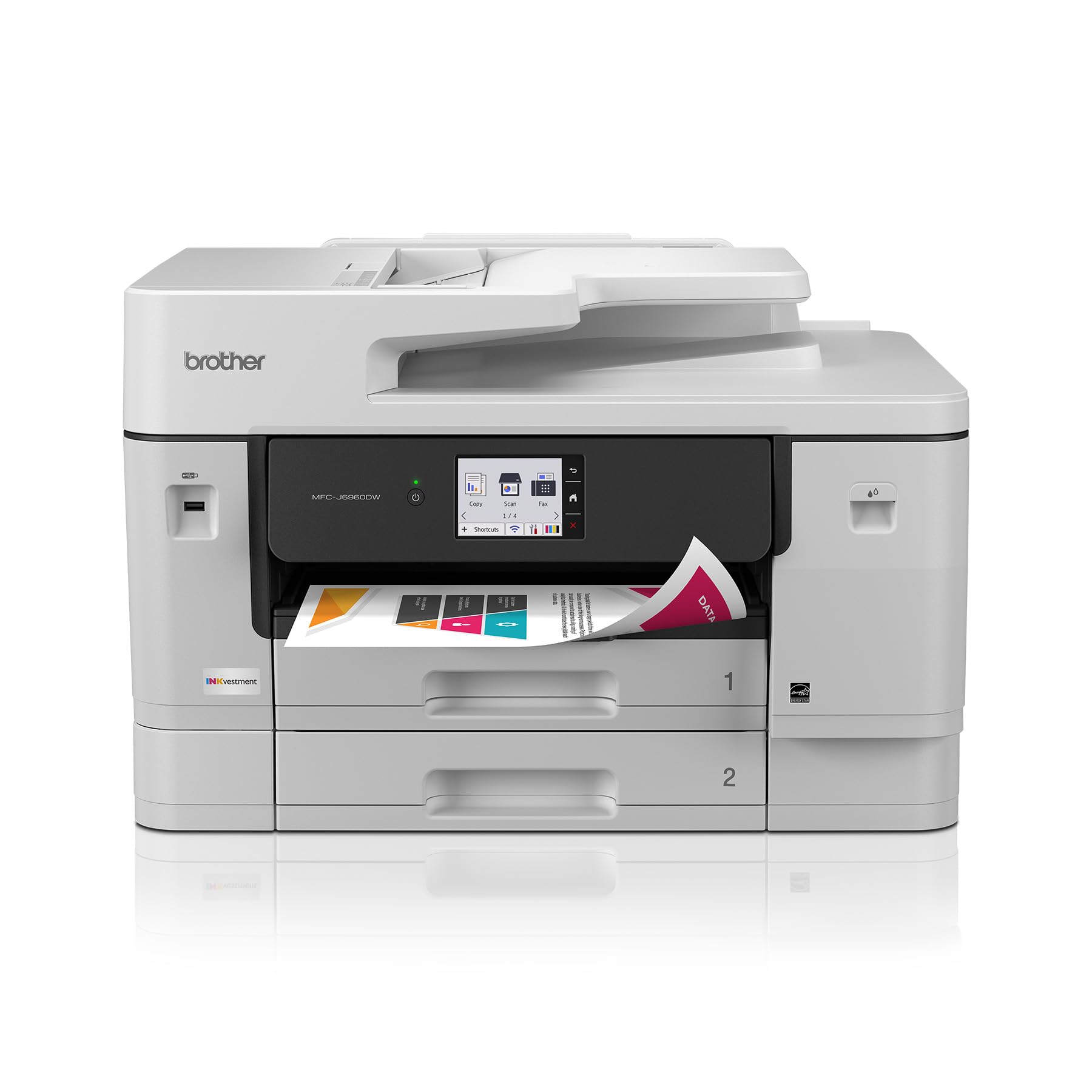
Who Should Buy Which A3 Photo Printers?
For Students and Everyday Users
Students print a mix of photos, posters, and coursework, often in bursts near deadlines, and they need a machine that simply works after sitting idle between terms. Prioritize low running costs, forgiving paper handling, and a driver that makes A3 and A4 switching painless. A cartridge model with modest ink prices or an entry tank model both fit, and absolute color accuracy matters less than reliability and price per print. If your printing is mostly documents with occasional photos, compare the wider field in our guide to the best a3 printers before paying a premium for photo specific ink systems.
For Travelers and Commuters
People who travel often tend to print in concentrated sessions at home, turning months of phone and camera photos into albums and wall prints between trips. For this rhythm, choose a printer that tolerates idle weeks without clogging, offers cleaning routines that actually recover nozzles, and connects easily to the phone where most travel shots live. A smaller footprint helps if the printer shares a desk in a small apartment. What this group does not need is roll paper hardware or production speed, since their printing is personal and unhurried.
For Remote Workers and Creators
Remote workers and content creators print proofs, portfolios, and client pieces on a schedule, so consistency from session to session is the priority. Look for strong color management, paper profiles for the exact media you use, and a rear feed that takes thicker fine art and matte papers without bending. Quiet operation matters in a home office, as does a display that reports ink levels honestly before a deadline run. This group benefits from extra ink colors, because brand work and portrait proofs expose banding and hue shifts that casual printing hides.
For Gamers and Power Users
Power users in this category are the demanding hobbyists and semiprofessional photographers who print large, often, and critically. They should prioritize the widest color range, the deepest blacks for dramatic images, and support for heavy papers and canvas style media. A machine with individual ink channels in larger cartridges lowers cost per print at their volume and reduces mid run cartridge swaps. Speed still matters less than repeatability: the winning trait is that print number twenty matches print number one, so calibration tools and stable drivers outrank raw pages per minute.
Picking the Right A3 Photo Printers for Different Uses
Best A3 Photo Printers by Canon: What to Prioritize
Shoppers who start their search with best a3 photo printers by canon are usually drawn to that maker for its photo heritage and its dye ink systems known for vivid color on glossy paper. If you lean that way, prioritize three things. First, check the ink set, since more colors and a dedicated black improve both portraits and monochrome work. Second, confirm borderless A3 support and a straight rear path for thick media. Third, price the cartridges at your expected volume, because a fairly priced printer with costly small cartridges can lose its value quickly.
Key Features to Compare
Reliability and Support
Reliability decides whether an A3 printer feels like a tool or a chore. Look for current drivers for your operating system, firmware updates that arrive without drama, and a support library with clear cleaning and alignment guides. A large owner community helps too, because someone has already solved your exact error code. Before buying, check the cost and availability of replacement print heads or service, since at this size a single out of warranty repair can approach the price of a new entry model.
Printer Type (Inkjet, Laser, Tank, 3D FDM/Resin)
Serious A3 photo printing is inkjet territory, because liquid ink on coated paper produces the smooth tones photos need. Within inkjet, dye inks shine on glossy media with bright color, while pigment inks offer stronger water resistance and longer display life on matte and fine art papers. Tank models apply the same methods with bottled ink for lower running costs. Laser cannot match photo quality at this size, and 3D printers using PLA filament or resin build objects rather than prints, so neither belongs on a photo printer shortlist.
Ease of Setup and Calibration
Setup should include guided ink charging, automatic alignment, and a nozzle check you can run in seconds. Calibration is where photo printers earn their keep: a model that accepts paper profiles and lets you fine tune color will match your screen far better than one with fixed settings. Budget time for two or three test prints on each new paper type and keep notes beside the printer. That small notebook of settings, paper names, and results becomes your most valuable accessory within a month.
Footprint and Noise
An A3 printer needs more room than its listed width suggests, because paper feeds in and prints exit with space to spare, and rear feeds need clearance behind the machine. Measure the full working envelope, not just the body. Noise matters in small homes and shared offices: look for a quiet mode for evening printing and place the printer on a solid surface that will not amplify vibration. Readers short on space who print mostly small sizes should weigh our guide to the best compact photo printers before committing to A3 hardware.
Connectivity and Mobile Printing
WiFi is the baseline, with Ethernet a welcome extra for stable transfers of large photo files. AirPrint and the maker app make phone printing painless, and many travel and family photos never touch a computer at all. Check that the app exposes real paper size and type controls, not just a print button, because the wrong paper setting ruins more output than any hardware limit. For a wider view of phone friendly options, see our roundup of the best printers to print photos once your A3 shortlist is set.
Common Mistakes to Avoid When Buying A3 Photo Printers
- Judging by purchase price only. Ink and A3 paper dominate the real cost within the first year. Model your first hundred prints before choosing.
- Skipping reliability and support checks. A printer with stale drivers becomes a problem at the first computer update. Verify current software support for your system.
- Buying the wrong size class. Oversized hardware crowds a small room, while an A4 only machine cannot deliver the wall prints you wanted. Measure both the space and the output you plan.
- Ignoring warranty terms. Print head coverage and warranty length vary widely at this price. Read what is covered before the first clog, not after it.
- Using one paper setting for everything. Glossy, matte, and fine art papers need different ink amounts. The general advice across the best printers for photo printing is consistent: match the driver setting to the loaded sheet every single time.
Care and Maintenance Tips
Simple habits keep an A3 printer ready and accurate. Print a page weekly to prevent clogs, even a small photo, because inkjet nozzles dry out in still air and recovery cleanings waste the ink you were trying to save. Use genuine or reputable ink so viscosity and color stay within the range the profiles assume. Store paper flat in its packaging away from humidity, and handle sheets by the edges. If you also run a 3D printer, keep its bed clean with isopropyl alcohol as its own routine, but keep solvents away from photo paper coatings. Finally, dust the paper path monthly with a dry, soft cloth.
A3 Photo Printers: Your Questions Answered
What does cost per page mean?
Cost per page is the combined ink and paper cost of one finished print. At A3 size with full photo coverage, ink use is high and paper is pricier, so a single print can cost several times an A4 document page. Calculate it by dividing a cartridge or bottle price by its realistic yield and adding the sheet price. This number, at your monthly volume, predicts ownership cost better than any feature list.
Inkjet or laser: which is cheaper long term?
For photographs, the comparison is mostly academic, because laser output cannot match inkjet photo quality on any paper a home user would buy. If you print documents in volume and photos rarely, a laser machine for text plus a print service for large photos can be the cheapest honest setup. If photos are the main job, a tank inkjet usually delivers the lowest long term cost per print.
Are ink tank printers worth it?
They are worth it when your volume is steady, because bottled ink lowers cost per print and large reservoirs end mid print cartridge anxiety. The higher entry price and larger body are the tradeoffs, and occasional printers may never earn the premium back. One caution applies to every ink system: regular use keeps heads healthy, and tank models reward the weekly printing habit as much as cartridge models do.
Which 3D printer is easiest for beginners?
No 3D printer prints photographs, since FDM and resin machines build plastic objects in layers. If you arrived here from a search that mixed the categories, treat them as separate purchases. For photos at A3 size, the easiest beginner path is an inkjet with guided setup and automatic alignment. Our notes on the best photo quality printers explain the color and sharpness traits that matter once the categories are untangled.
Our Verdict
Match the machine to your most common week of printing, not your most ambitious day. Students should chase low running costs, creators should chase color consistency, and power users should chase ink range and media handling. Buyers who start from their own habits will shortlist the best a3 photo printers quickly and spend their money where it shows on paper. Finish by checking your top choices in the product table above, confirm borderless A3 support and paper costs, and order with a first pack of the paper you will use most.


