Best AM3 Motherboards 2026
Disclosure: We may earn a commission when you buy through links on this page, at no extra cost to you. As an Amazon Associate I earn from qualifying purchases. Learn more

How to choose the best am3 motherboards for a legacy AMD build: CPU support, DDR3 limits, expansion, ports and condition checks.
The best am3 motherboards serve older AMD boards for builders reviving a classic system, replacing a failed board, or building a budget machine from spare parts. AM3 is a legacy platform, so buying needs care around compatibility and used condition. The table below compares the boards on offer.
AM3 boards no longer come new from major makers in large numbers, so most buying happens on the used market. This guide explains socket compatibility, RAM limits, expansion, power delivery and used buying checks, so a legacy build works first time.


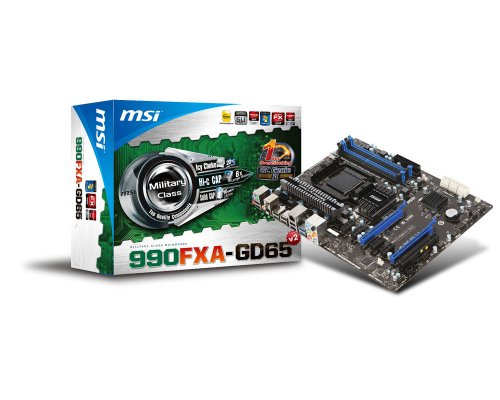
Who Should Buy an AM3 Motherboard
Builders reviving an older AMD system, replacing a dead board, or using spare AM3 CPUs gain the most. Budget builders with free or cheap AM3 parts can build a usable office or light gaming machine. Retro computing fans also value AM3 boards for period correct builds.
New PC builders should choose a current platform instead, since AM3 limits performance, RAM and upgrade paths. If you need modern features like fast NVMe storage or current USB standards, a newer socket serves better. AM3 suits legacy and budget reuse, not new high performance builds.
Board Sizes and Chipsets Compared
ATX boards offer the most expansion slots and RAM slots, suiting larger cases and multi card setups. Micro ATX boards balance size and expansion for mid tower cases. Mini ITX AM3 boards are rare and limit expansion, but suit compact legacy builds.
Chipsets affect features like SATA ports, USB count and overclocking support. Higher end chipsets offer more ports and better power delivery for faster CPUs. Check chipset specs against your CPU and storage needs before buying, since not all AM3 boards support all AM3 CPUs.
Socket, CPU and RAM Compatibility
AM3 socket boards accept AM3 CPUs, while some AM3 plus boards also accept AM3 CPUs with a BIOS update. Check the maker CPU support list for your exact CPU model, since support varies by board revision. A board that physically fits a CPU may still need a BIOS update to boot.
RAM type is DDR3 for AM3, with speed and capacity limits set by board and CPU. Check maximum RAM and slot count, since older boards may cap at 8 GB or 16 GB. Use matched RAM pairs for stability, and check the board manual for supported speeds.
Expansion, Storage and Ports
Expansion slots decide graphics cards, sound cards and extra controllers you can add. Check PCIe slot count and spacing, since large graphics cards can block neighbouring slots. SATA ports decide how many drives you can connect, while USB ports shape peripheral use.
AM3 boards lack native NVMe support, so fast modern storage needs adapters with limits. Onboard audio and network vary, so check specs if you need specific features. Legacy ports like PS2 or IDE appear on some boards and suit retro builds.
Buying Used and Checking
Inspect used boards for bulging capacitors, bent socket pins, corrosion and damaged slots before paying. Ask the seller whether the board posts and whether the BIOS version supports your CPU. Test with your CPU, RAM and power supply as soon as the board arrives.
Buy from sellers with return options when possible, since untested boards can hide faults. Keep the board manual or download it from the maker site for BIOS and jumper details. A board that looks clean but fails to post still needs a return, so test promptly.
Power Supply, Cooling and Case Fit
AM3 and AM3 plus systems draw modest power, but older processors in the FX line can pull a lot under load. A quality 450 to 550 watt power supply with the correct 24 pin and 8 pin (or 4 pin) connectors is a safe target, and an old supply that is as aged as the board is worth replacing at the same time.
Cooling needs the AM3 retention bracket, and some used boards arrive without it, so confirm it is included. Airflow matters because older chipsets run warm; a front intake and rear exhaust fan keep an AM3 build stable. Match board size to your case before you order: full ATX boards need an ATX case, while micro ATX boards fit both sizes.
Common Mistakes to Avoid
Assuming any AM3 board supports any AM3 CPU is a common error, since BIOS and power delivery limits vary. Buying a board without checking RAM limits is another, since capacity caps surprise builders. Ignoring capacitor condition on old boards leads to sudden failures.
Do not buy a board with bent socket pins hoping for an easy fix, since pins break easily. Avoid boards with no return option unless the price reflects the risk. Check case size against board size before buying, since ATX boards do not fit compact cases.
Related Guides Worth Reading
If you are weighing a newer platform, best motherboards am4 covers the next practical step, and best matx motherboards helps with compact builds.
Frequently Asked Questions
Will an AM3 CPU work in any AM3 motherboard?
No, CPU support varies by board, chipset, BIOS version and power delivery, so check the maker CPU support list for your exact model. Some boards need a BIOS update before a newer AM3 CPU will boot. Physical fit alone does not guarantee compatibility, so build that step into your normal routine with your board.
Can AM3 boards use DDR4 RAM?
No, AM3 boards use DDR3 RAM, and DDR4 modules do not fit the slots. Check maximum capacity and supported speeds in the board manual, since older boards cap RAM lower than modern boards. Use matched DDR3 pairs for best stability, which helps your board last longer and perform more reliably.
Are AM3 motherboards still available new?
New AM3 boards are rare, since makers moved to newer sockets years ago, so most buying happens on the used market. Used boards need careful inspection for capacitor wear and socket damage. Buy from sellers with return options when possible, and that small habit saves frustration later with your board.
Can I use an NVMe SSD with an AM3 motherboard?
AM3 boards lack native NVMe support, so fast NVMe drives need adapters and may boot only with difficulty or not at all. SATA SSDs work well and give a large speed gain over hard drives. For a legacy build, a SATA SSD is the practical storage upgrade, especially when you use your board every day rather than occasionally.
What should I check on a used AM3 board first?
Check capacitors for bulging or leaking, socket pins for bending, slots for damage, and ask whether the board posts with a supported CPU. Test promptly on arrival with your CPU and RAM. A clean looking board can still hide faults, so checking the board matters more than its appearance, so note what works for your board and repeat it next time.
Final Thoughts
Check the CPU support list, RAM limits and capacitor condition before buying any AM3 board, and test promptly on arrival. Choose board size by your case and expansion needs, and favour SATA SSDs for storage. The product table above compares the main board types, and a careful used check will save a failed build.
When you choose the best am3 motherboards for a legacy build, CPU support and capacitor condition matter more than board size alone.