
Best 90s Cameras of 2026: Complete Buying Guide
Disclosure: We may earn a commission when you buy through links on this page, at no extra cost to you. As an Amazon Associate I earn from qualifying purchases. Learn more

Find 90s cameras by film format, lens and flash, plus a used buying checklist for light seals, shutters and batteries that still work well today.
A 90s camera gives you the look and pace of film, but almost every example you buy now is used, so condition matters as much as the name on the front. The best 90s cameras still focus cleanly, expose film correctly and use film and batteries you can buy today. Use the checks in this guide to compare the comparison table below with confidence.
Start with how you want to shoot. A small compact suits everyday carry and family snaps, while a larger SLR suits slower work with lens choice.


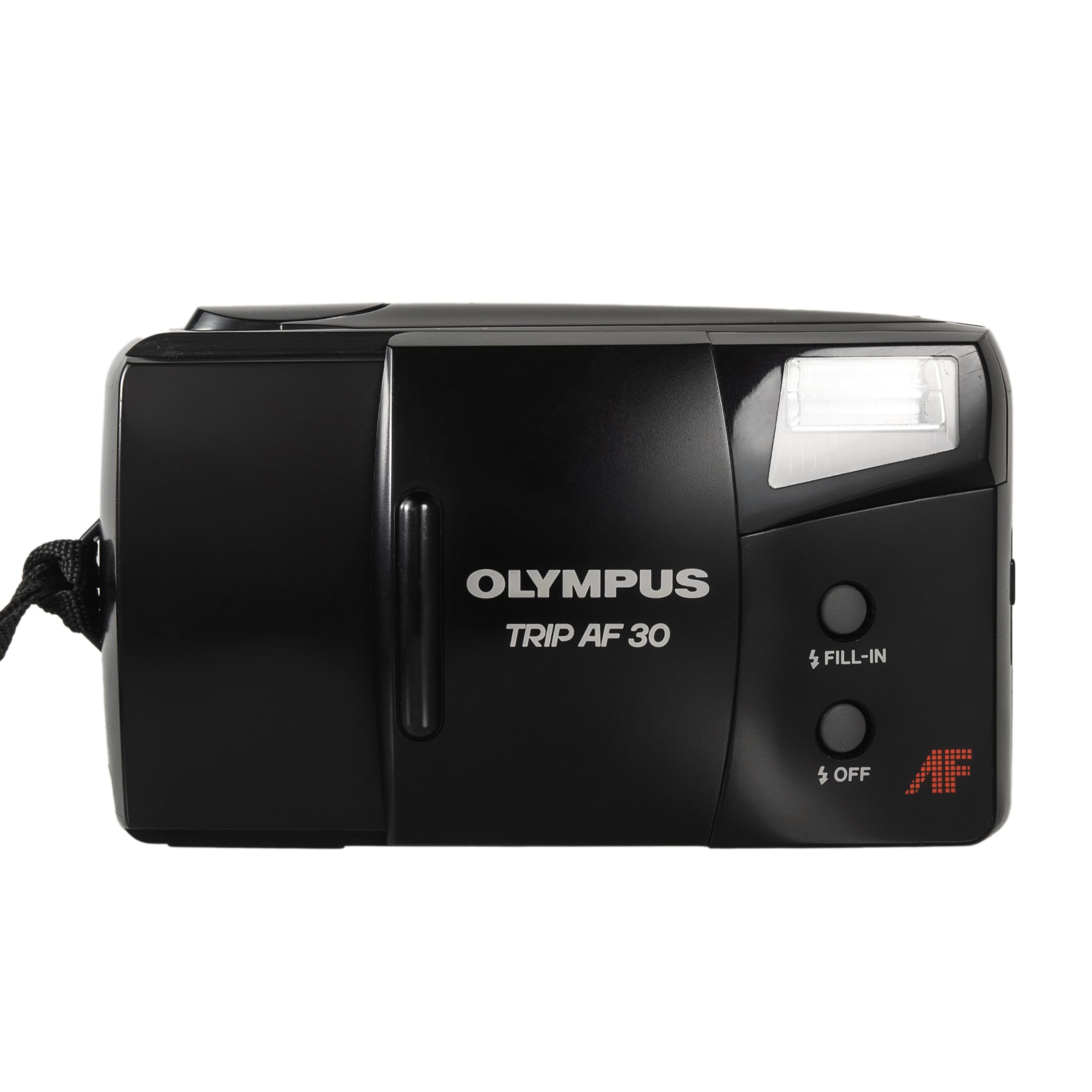
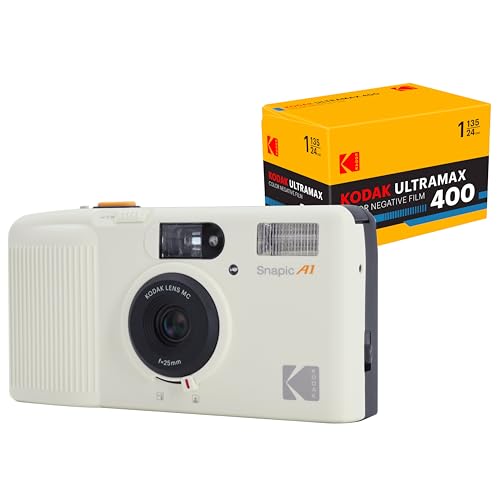
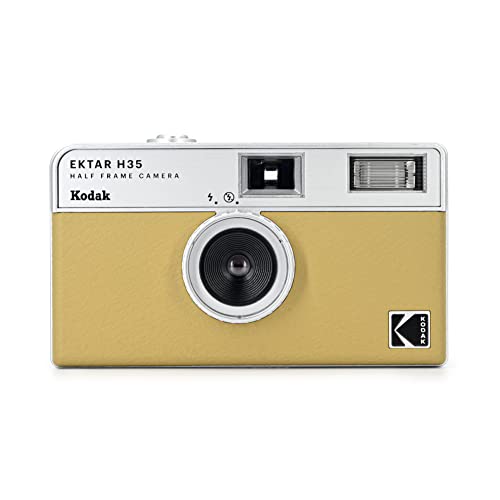
Who Should Buy Which 90s Cameras?
Pick by the photos you take most often, not by the rarest model you can find. A camera that fits your routine gets used, while a bulky one stays at home.
New Film Shooters Who Want Point and Shoot Ease
You want to load film, raise the camera and press one button. Choose an autofocus compact with automatic loading, automatic advance and a built in flash. A fixed lens around 35 mm suits groups and travel scenes with no settings to learn. For models in this class, see our guide to the best 90s point and shoot cameras.
Travel Photographers Who Want a Compact Zoom
You shoot people near and far on the same day, often with one hand busy. Choose a zoom compact covering about 38 mm to 105 mm, because that range handles portraits and buildings without a lens swap. Optical zoom on a film compact uses real glass, so quality holds up better than cropping a scan later.
Keen Photographers Who Want Manual Control
You want to set aperture and shutter speed yourself and change lenses for each subject. Choose a 35 mm SLR with a bright viewfinder, a working meter and a common lens mount, because common mounts keep used lenses affordable. If you enjoy this deliberate style, see our guide to the best cameras for photography for wider reading.
Key Features to Compare
Compare these factors in the same order each time. When you shop for the best 90s cameras on the used market, this order puts the costly faults first.
Film Format: 35 mm, APS and Instant
Most 90s cameras use 35 mm film, which remains the easiest format to buy and the cheapest to develop, with the widest choice of color and black and white stocks. APS cameras use smaller cartridges and give smaller negatives, so large prints look softer. Instant cameras print on the spot but cost far more per photo. Choose 35 mm unless you have a clear reason to pick another format.
Lens Type, Focal Length and Aperture
The lens decides sharpness more than the body does, because the body mainly holds film flat and opens a shutter. A fixed lens around 35 mm near f/2.8 gathers more light and stays sharper than a long zoom at its widest setting. Zooms that reach 105 mm or 140 mm add reach but often open only to about f/4 at the long end. Check any used lens for fungus, haze and scratches.
Autofocus, Metering and Exposure Modes
Autofocus on a 90s compact usually works through the center of the frame, so it can miss a subject placed at the edge. Aim at your subject, half press to lock focus, then recompose. Metering matters just as much, because film cannot be checked on a screen after each shot. Program mode plus exposure compensation handles bright beaches and dark rooms better than a single automatic setting.
Built In Flash and Low Light Handling
Almost every 90s compact has a small built in flash with a useful range of about 10 to 15 feet at ISO 400, and the range shrinks fast beyond that distance. Film speed does much of the work indoors, so ISO 400 film is the practical default for mixed light. A flash you can turn off helps where flash is banned. Red eye reduction modes help only a little, so distance matters more.
Battery Type and Availability Today
A bargain camera stops being a bargain when its battery is rare or costly. Many 90s compacts use one CR123A or CR2 lithium cell, both still sold widely, while some compacts and SLRs use AA cells you can buy anywhere. A few models need specialty cells that now cost more than the camera is worth. Confirm the exact cell and check the compartment for corrosion before you commit.
Used Condition: Shutter, Seals and Electronics
Condition separates a working camera from a shelf ornament. Fire the shutter at several speeds and listen for a clean, even action, because sticky shutters ruin whole rolls. Foam light seals around the film door turn crumbly with age and let light leak onto your photos, though a repair shop can replace them at modest cost. Test every button and dial, since failed electronics on a compact are rarely worth repairing.
Types of 90s Cameras Compared
The four types below cover nearly every 90s camera you will meet for sale. If moving pictures matter more than stills, see our guide to the best 90s video cameras instead.
Point and Shoot Compacts
Compacts combine autofocus, auto exposure and a built in flash in a pocket size body. They suit travel, parties and family records where speed matters more than control. Better examples have glass lenses and a useful zoom, while the cheapest feel plasticky and focus slowly.
SLR Cameras with Interchangeable Lenses
An SLR shows you the scene through the taking lens, so the viewfinder view matches the photo closely. You gain manual control and a wide lens choice, but the body is larger and the mirror adds noise. SLRs suit portraits, landscapes and learning exposure. Buy the lens mount first and the body second, because lenses outlast any single body.
Disposable and APS Cameras
Disposable cameras come preloaded with film and a fixed focus lens, and the whole camera goes to the lab. They suit weddings and water side days where loss or damage would hurt less. APS cameras sit between disposables and 35 mm compacts, with drop in loading and smaller negatives.
Instant Cameras
Instant cameras from the 90s print a physical photo within minutes. The trade off is cost per shot and softer detail than 35 mm film gives. Some older models use film packs that are no longer made, so confirm that fresh packs for the exact model are still sold before you buy.
Common Mistakes to Avoid
These errors cost buyers money on cameras that looked fine in a listing photo.
- Buying a camera untested lets a dead shutter turn your bargain into a repair bill.
- Ignoring crumbly light seals lets light leak across a roll and spoils photos you cannot retake.
- Choosing an APS or instant model without checking film supply leaves you with a camera you cannot load.
- Paying extra for a long zoom buys a slow aperture that struggles indoors in low light.
- Forgetting developing and scanning costs makes each roll cost far more than you planned.
- Storing a camera with batteries inside lets leaks corrode contacts and kill the electronics.
Care and Maintenance for a 90s Film Camera
Clean the lens with a soft lens cloth, never your shirt, because grit in fabric can scratch the coating. Blow dust off first, then wipe gently from the center outward. Keep a spare battery on trips. Carry the camera in a dry, padded bag.
Store the camera in a cool, dry place away from steamy bathrooms and hot car boots. Remove batteries before long storage, and keep unexposed film sealed in a fridge, letting it warm up before loading so condensation stays off the surface. If seals feel sticky or the shutter sounds uneven, a repair shop can service both.
FAQ
How much should you spend on a first 90s film camera?
A first 90s film camera should cost about $30 to $100 for a working compact, or about $100 to $250 for a serviced SLR with a standard lens. Spend the rest of your budget on film and developing for your first three rolls, because early rolls teach you more than a pricier body does. A seller who shows a recent test roll is worth a small premium.
Can you still buy and develop film for a 90s camera?
Yes, you can still buy 35 mm film from camera shops and large online stores, and mail order labs will develop and scan it for you. Color film in ISO 200 and ISO 400 remains the easiest to find, while APS cartridges are scarce and cost more. Ask the lab for scans as well as negatives, so you can share photos online.
Do all 90s cameras need a battery to take a photo?
No, not all 90s cameras need a battery to expose a frame. Mechanical SLRs can fire at most shutter speeds with a dead cell and lose only the light meter, while electronic compacts stop completely when the battery dies. Carry a spare cell anyway, because guessing exposure in tricky light wastes film.
How do you get digital files from a 90s film camera?
You get digital files by asking the lab to scan your negatives when the film is developed. Most labs offer basic scans for sharing and higher resolution scans for printing, at a higher price per roll. Home scanning suits keen users with many rolls. Keep the negatives either way, because a later rescan can pull more detail from the same frame.
Which handles low light better, a 90s film camera or a smartphone?
A smartphone handles low light better for a quick, clean snapshot, because it blends several frames in a second. A 90s film camera with ISO 400 film and flash gives a harsher but more honest look, with visible grain. If you prefer to skip film costs entirely, see our guide to the best digital cameras for current options.
Our Verdict
Buy on condition first, film format second and lens third. A tested 35 mm compact with a clean lens, fresh seals and a common battery covers most needs. Use the product table above to compare type, size and price against these checks.
When the best 90s cameras on your shortlist pass those checks, any of them can give you years of film shooting. Pick the one that fits your hands and your budget, load ISO 400 film, and start with subjects you know best.


