
Best 90s Video Cameras of 2026: Complete Buying Guide
Disclosure: We may earn a commission when you buy through links on this page, at no extra cost to you. As an Amazon Associate I earn from qualifying purchases. Learn more
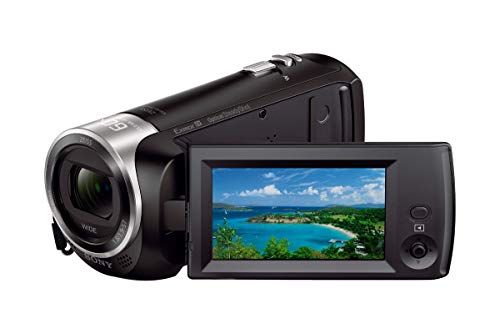
Compare 90s video cameras by tape format, lens zoom and condition, plus checks for used camcorders, spare batteries and digitizing tapes at home.
Buying a camcorder from the 1990s is not like buying a new camera. Every example is now used, and two cameras that look alike can differ a lot in condition. The best 90s video cameras are the ones that still record cleanly, play back without chewing tape, and suit the look you want. Use the comparison table below to sort formats before you judge any single listing.
Start with your purpose. Some buyers want soft home movie footage that feels true to the decade. Others want a working tape camera for music clips or family copies. Your format, battery plan and transfer plan matter most.

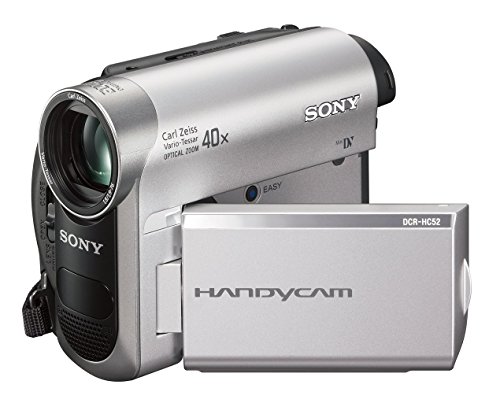


Who Should Buy a 90s Camcorder?
Match the camera to the job you will actually give it. A full size model, a compact and a late decade MiniDV camera each reward a different user.
Families Recreating Home Movies on Tape
You want birthdays and holidays that look like the tapes you grew up watching. Choose a compact Video8, Hi8 or VHS C model that starts quickly and focuses on its own in indoor light. Prioritize a working tape door and a battery that holds a charge for one event. Simpler controls help, because other family members may pick the camera up too.
Creators Chasing a True Tape Look
You want the soft detail, gentle color and slight noise that modern filters only imitate. Choose Hi8 or MiniDV for a cleaner image for editing, or standard Video8 and VHS for a rougher result. Plan your transfer route before you shoot, because footage stays on tape until you capture it. A camera with S Video output gives a cleaner signal.
Collectors Who Enjoy Working With Tape
You enjoy loading a cassette, cueing a tape and maintaining older hardware. Choose the format you can also play and store with care, and keep one spare tape for testing. Full size VHS models appeal if you value direct playback in a VCR. Buy for working condition first, because a rare finish adds little if the tape path is worn.
Key Features to Compare
When you compare best 90s video cameras side by side, work through format, picture, lens, handling and power in that order. That stops a zoom number from hiding a dead battery.
Tape Format and Playback Compatibility
Format decides picture character, camera size and how you watch the result. Full size VHS plays straight in most VCRs but makes the camera large. VHS C uses compact cassettes that need an adapter for a VCR. Video8 and its sharper Hi8 sibling use small cassettes that only play in a camcorder or matching deck. MiniDV arrived late in the decade and gives the sharpest picture of the group. Pick the format you can play and capture.
CCD Sensor and Low Light Character
These camcorders use a single CCD sensor, most often about one quarter inch to one third inch across, and record standard definition in interlaced lines. Expect a softer image than any modern camera, with limited detail in shadows. In low light the picture gains visible noise and colors fade. A brighter lens helps a little, but no model from this era sees in the dark cleanly. Shoot with a lamp on when you can.
Optical Zoom, Autofocus and Stabilization
Optical zoom on period models commonly runs from about 10x to 22x, and it keeps detail as you close in. Digital zoom goes beyond that by cropping the image, and the picture turns blocky quickly, so treat it as a framing aid only. Autofocus of the era hunts in dim rooms and through windows, and many models let you focus by hand when it wavers. Early electronic and optical stabilization smooth small hand shakes, but both work best with a two hand hold.
Viewfinder, Screen and Handling
Most early and mid decade models give you a small black and white viewfinder tube and no screen, so you compose with one eye and review footage later. Late decade models add a color viewfinder or a flip out color screen of about 2.5 to 3.5 inches, which makes group shots and playback checks easier. Weight varies from compact models under two pounds to shoulder held VHS models of several pounds, and a top heavy camera tires your wrist.
Sound Quality and Microphone Options
Sound separates a watchable tape from a frustrating one. Basic models record mono sound from a built in microphone that also picks up tape motor noise. Better models record stereo sound and add a jack for an external microphone plus a headphone jack for checks while you record. Wind muffling is crude by modern standards, so stand sheltered outdoors and keep the speaker close when words matter.
Battery Chemistry and Power Options
Most of these cameras shipped with nickel cadmium or nickel metal hydride packs, and early lithium ion packs appeared on late decade models. Old packs often hold only a fraction of their first charge. Ask what run time the seller sees from a full charge, and budget for a fresh compatible pack and a charger. A camera that runs from a wall power adapter is easier to test and to use for transfers at a desk.
Types of 90s Video Cameras Explained
The decade splits into clear families. Size, tape and playback needs set them apart more than brand does.
Full size VHS models. These rest on your shoulder, balance well for long takes and play their tapes in a standard VCR with no adapter. The trade off is bulk, so they suit planned shoots at home.
Compact VHS C and Video8 models. These shrink the camera by shrinking the cassette, and they became the classic family choice. VHS C keeps a simple playback route through an adapter, while Video8 tapes need the camera or a matching deck to play.
Hi8 models. Hi8 records more detail and cleaner color than standard Video8 on similar cassettes, and many Hi8 cameras also play older Video8 tapes. That makes a working Hi8 model practical if your family owns Video8 tapes to watch or capture. Tested examples often cost about $120 to $250.
MiniDV models from the late decade. These record a digital signal, copy to a computer with little loss through a FireWire port, and pack into the smallest bodies of the era. Choose them for edit friendly footage rather than the softest retro result. If still photos from the same era interest you, see our guide to the best 90s cameras for the film models of the decade.
Common Mistakes to Avoid
Most bad purchases come from skipping simple checks.
- Buying an untested camera with no return option leaves you paying repair prices for a display piece.
- Ignoring the tape format leaves you with cassettes you cannot play or capture at home.
- Trusting digital zoom numbers leaves you with blocky footage when you zoom far at an event.
- Forgetting the charger and battery leaves a working camera unusable on the day it arrives.
- Storing tapes in a hot attic fades the recording and can leave the tape pack sticky and damaged.
Care and Maintenance for Tape Camcorders
Keep the tape path clean and dry. Use a dry head cleaning cassette only as directed and only when playback shows streaks, because cleaning tapes are mildly abrasive and wear the heads with repeated use. Keep cassettes in their cases, store them upright in a cool room, and rewind them fully before shelving.
Wipe the lens with a clean lens cloth and keep the lens cap on between shoots. Charge spare packs a day before an event, and remove the tape and battery before long storage. If the camera starts to chew tape, stop at once and have the tape path inspected.
FAQ
How do I transfer footage from a 90s video camera to a computer?
You transfer footage by playing the tape in the camera and capturing its output in real time. Analog models send picture and sound through RCA leads or the cleaner S Video lead into a capture device, while MiniDV models send a digital copy through FireWire. Capture a short test first and check that sound stays in step with picture.
Can I still buy blank tapes for a 90s video camera?
Yes, you can still buy blank tapes, but supply is thin and varies by format. New old stock VHS C, Video8 and Hi8 cassettes turn up from specialist sellers, while MiniDV cassettes are easier to source new. Test any old stock tape with a short recording first, and avoid cassettes with a musty smell or white patches, since those point to mold.
What should I check before paying for a 90s video camera sold as working?
Check that the camera records and plays back its own test tape with stable picture and clear sound. Ask for a recent clip shot with the camera, then confirm the tape door opens smoothly and the zoom moves without grinding. Also check the date clock battery, because a camera that forgets its settings overnight may hide other tired parts.
How much should I spend on a first 90s video camera?
Most first time buyers should spend about $80 to $200 on a tested camera with a charger and a working battery. Untested examples can cost around $40, but the saving disappears if you then buy a second camera for parts. Leave part of your budget for fresh tapes and a capture device.
Is a smartphone enough instead of a 90s video camera?
A smartphone is enough if you only want the look for a single short clip. Apps can add grain and a date stamp, but they cannot copy how tape handles mixed indoor light and zoom in one unbroken take. If clean modern footage is your real goal, see our guide to the best cameras for video and our guide to the best digital cameras instead.
Wrapping Up
Choose your format first, then judge condition, battery health and your transfer route before you fall for zoom numbers. A tested Hi8 or MiniDV camera with a fresh pack and one good tape teaches you more than a rare model that will not play.
Compare listings against the product table above, ask each seller for a fresh test clip, and keep your first purchase simple. When you choose best 90s video cameras by format and condition rather than nostalgia, you get footage you can watch and share.


