Best 8x42 Binoculars for Hunting: The Buyer Checklist We Use for 2026
Disclosure: We may earn a commission when you buy through links on this page, at no extra cost to you. As an Amazon Associate I earn from qualifying purchases. Learn more

Choose the best 8x42 binoculars for hunting by glass quality, field of view, eye relief and weather sealing.
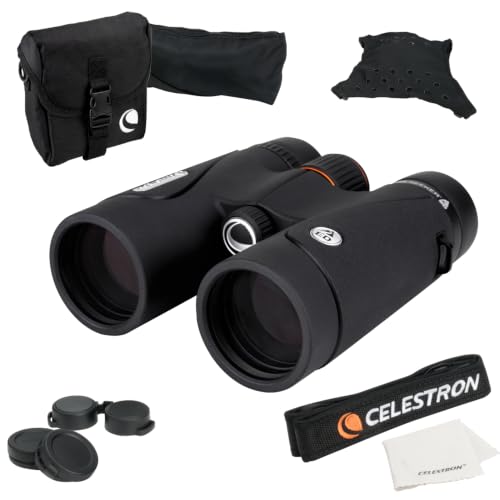
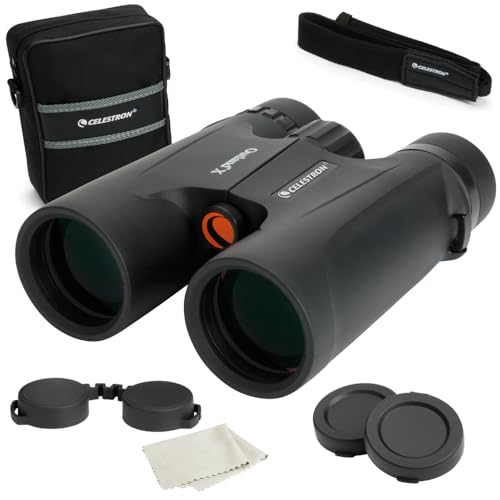
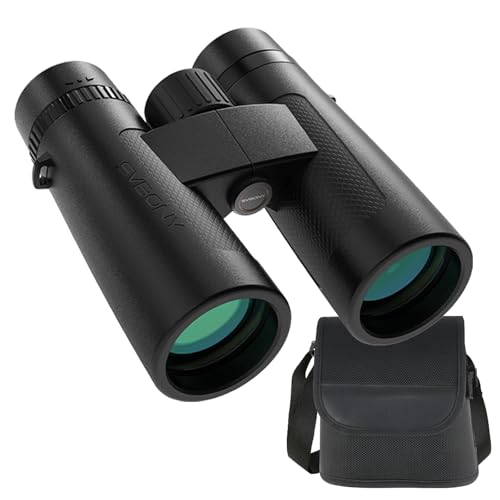
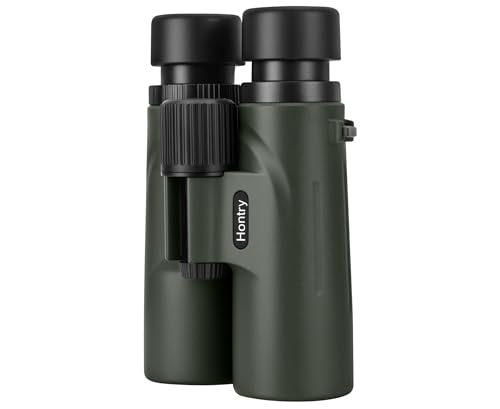
Choosing hunting binoculars gets easier when you judge every model against the same short checklist. This guide walks you through that checklist step by step, from glass quality and field of view to eye relief, focus control, and weather sealing, so you can spot a strong pair and skip a weak one with confidence. Start with best 8x42 binoculars for hunting as your target size, then use the comparison table below to see how the models you are considering line up on the specs that actually matter in the field.
The 8x42 size earns its popularity for good reason. The 8 power magnification keeps the image steady in your hands, and the 42 mm objective lens gathers enough light for dawn and dusk glassing without the bulk of a larger optic.



How We Evaluate 8x42 Binoculars
Think of this evaluation as a scoring order. Glass and brightness come first, because no feature can rescue a dim or blurry view. Fit and handling come next, because a pair you cannot hold steady or use with your eyeglasses will frustrate you on every hunt. Size, weight, and sealing round out the list.
Features That Matter for Hunting
Hunting places demands on binoculars that backyard birding never will. You glass at first light and last light, often in cold, damp, or dusty air, and you may hold the binoculars up for long stretches while scanning a field edge or a distant ridge. That is why brightness, a wide field of view, and full weather sealing sit at the top of this checklist. A bright image helps you judge antlers in shadow, and a wide view helps you catch movement.
Glass Quality and Image Clarity
Glass quality decides how sharp and true the image looks from edge to edge. Look for fully multi coated lenses, which carry antireflective coatings on all air to glass surfaces and pass more light to your eyes. ED glass, short for extra low dispersion glass, reduces color fringing around antlers and branches, so edges look clean instead of outlined in purple or green. Prism quality matters just as much, since roof prism models need phase coating to keep contrast high. If a listing hides its coating and glass details, treat that silence as a weak sign.
Ease of Use for Your Experience Level
A good hunting binocular should feel simple from the first minute. The center focus wheel should turn smoothly with one finger, without gritty spots or stiff patches, and the diopter ring should hold its setting once you adjust it for the difference between your two eyes. If you are new to glassing, favor a forgiving design with a wide field of view and generous eye relief, because both make the image easier to find and hold. Complicated controls add nothing in the field, where gloves and cold fingers reward simple handling.
Magnification and Objective Lens Size
The numbers in 8x42 tell you the two core specs. The 8 is the magnification, meaning game eight times closer than with your naked eye, and the 42 is the objective lens diameter in millimeters. Unlike a camera, a binocular has no sensor size, no megapixel count, and no optical zoom range to compare, because the image goes straight to your eyes. A 10x42 model magnifies more but shakes more in hand and shows a narrower view, so 8 power remains the balanced choice for most hunting on foot.
Low Light Performance
Low light performance decides what you can see in the first and last minutes of legal shooting light. Divide the objective size by the magnification to get the exit pupil, which is 5.25 mm on an 8x42, a value that suits dim conditions well because it roughly matches a dilated human pupil. Fully multi coated glass protects that brightness. Twilight factor figures appear in many listings, but treat them as a rough guide only, since coatings and glass quality shape real dawn performance far more than that single number does.
Focus Control and Steadiness in Hand
Binoculars have no autofocus, so your fingers do that job through the center focus wheel, and the wheel deserves close attention before you buy. It should need about one to one and a half turns from close focus to distance, which lets you refocus quickly when game steps out at a new range. Standard hunting binoculars also have no image stabilization, and at 8 power they do not need it, because the lower magnification keeps hand shake modest.
Size, Weight, and Ergonomics
Most 8x42 hunting binoculars weigh about 20 to 28 ounces, light enough for all day carry yet heavy enough to feel stable. Check the length as well, since a longer body can crowd your hands when you wear thick gloves. Rubber armor should feel grippy without sharp edges, and the eyecups should twist up and down with firm clicks. How you carry the pair matters too, and many hunters pair their optic with the options covered in our guide to the best binoculars harness for hunting to keep weight off the neck and the lenses protected.
How to Choose the Right 8x42 Model for Your Hunt
Once a model passes the core checklist above, the right choice depends on your terrain, your budget, and your eyes. Use the product table above to shortlist two or three pairs that meet the glass and sealing standards, then work through the three fit questions below. Your search for the best 8x42 binoculars for hunting gets much simpler once those standards are set.
Match the Glass Tier to Your Budget
Budget tiers in this size roughly follow glass quality. Pairs at about $100 to $250 usually offer solid coatings and dependable sealing for casual seasons. Stepping up to about $250 to $500 typically buys ED glass, better phase coating, and a sharper edge to the image. Above that, gains grow smaller and focus on refinement. If money is tight, start with the models discussed in our guide to the best inexpensive binoculars for hunting and upgrade later once you know which features you value most.
Prioritize Field of View for Your Terrain
Field of view tells you how much country you can see at once, usually stated as feet at 1000 yards. A view of about 330 feet or wider suits woodland and brush, where game appears close and moves fast between trees. Open country hunters who scan basins can accept a slightly narrower view in exchange for other strengths. Deer hunters in mixed cover often split the difference, and our guide to the best binoculars for deer hunting explains how terrain and stand hunting style shift this balance in practice.
Check Fit With Your Eyes and Glasses
Eye relief is the distance your eye can sit from the eyepiece while still seeing the whole image, and eyeglass wearers should look for about 17 mm or more. Too little relief cuts the view into a small circle and slows you down when game moves. Also check the interpupillary distance range, which is the span between the two barrels, so the binoculars can match the width of your eyes. Finally, confirm the close focus distance, often about 6 to 8 feet, if you also enjoy watching birds and insects at camp.
Quick Buyer Checklist
Run any finalist through these questions before you order. A strong pair should earn a yes on nearly every line, and the comparison table above can help you confirm the printed specs behind each answer.
- Are the lenses described as fully multi coated, with no vague coating language?
- Does the listing name ED glass or phase coated prisms at this price point?
- Is the field of view about 330 feet at 1000 yards or wider?
- Does the eye relief reach about 17 mm if you wear eyeglasses?
- Is the body listed as waterproof and fogproof with sealed, nitrogen or argon filled optics?
- Does the focus wheel turn smoothly through its full range?
- Is the weight under about 28 ounces so you will actually carry the pair all day?
- Does the warranty cover defects for years rather than months?
If you want a broader view of how top models stack up beyond this single size, see our guide to the best rated binoculars for hunting for the wider field.
Red Flags to Watch For
Weak binoculars rarely announce themselves, but their listings often do. Watch for these warning signs, and walk away when more than one of them appears on a model you are considering.
- The listing shouts a huge magnification figure, such as 20 power, on a small body, which guarantees a shaky and dim image for hunting.
- Coating claims stay vague, using words like coated optics with no mention of fully multi coated glass, so light transmission stays low.
- The binoculars claim to be weatherproof yet list no waterproof or fogproof rating and no mention of sealed or gas filled construction.
- The warranty lasts only a few months, which signals low confidence from the maker in the focus mechanism and seals.
- Review patterns look unnatural, with clusters of glowing praise and no mention of focus feel, eye relief, or real hunting use.
Setup and Care Tips for 8x42 Hunting Binoculars
Set up a new pair before your first hunt. Adjust the barrels until the two circles merge into one round image, set the diopter once using the method in the manual, and learn where the focus wheel sits under your finger without looking. These few minutes at home prevent fumbling when an animal steps into view.
For care, clean the lenses only with a soft lens cloth or lens pen, never your shirt, because shirt fabric drags grit across the coating and leaves fine scratches. Blow loose dust off first, then wipe gently in small circles from the center outward. Store the binoculars in a dry, padded bag with the lens caps on, and keep them out of a hot vehicle trunk, since heat can stress seals and lubricants. If you also glass with a general purpose pair, our guide to the best 8x42 binoculars covers everyday uses beyond hunting. Rinse mud off the armor with plain water and let the pair dry fully before casing it.
8x42 Binoculars: Your Questions Answered
What features matter most in 8x42 binoculars for hunting?
Brightness, field of view, and weather sealing matter most in 8x42 hunting binoculars. Bright, fully multi coated glass lets you judge game in shadow at dawn, a wide view helps you catch movement in cover, and sealed optics survive rain and cold. One point hunters often miss is eyecup quality, because firm, multi position eyecups hold your eye at the right distance and block stray light from the sides on bright days.
What do the numbers 8x42 mean on hunting binoculars?
The numbers 8x42 mean 8 power magnification paired with a 42 mm objective lens. Game appears eight times closer, and the front lens size helps set brightness and overall body size. A useful extra check is the real field of view in degrees, often about 6.5 to 8 degrees for this size, which you can multiply by 52.5 to estimate the view in feet at 1000 yards when a listing gives only degrees.
What specs matter most for beginners choosing 8x42 hunting binoculars?
Beginners choosing 8x42 hunting binoculars should focus on eye relief, field of view, and a smooth focus wheel. These three specs decide whether the image feels easy or frustrating during your first season. Beginners also benefit from a generous sweet spot, meaning the central sharp area of the image, because a wide sweet spot stays clear even when game sits slightly off center while you settle your hold.
Is a smartphone enough instead of 8x42 hunting binoculars?
No, a smartphone is not enough instead of 8x42 hunting binoculars. Phone cameras use digital zoom that discards detail, their screens wash out in bright sun, and holding a phone up for long glassing sessions drains the battery you need for maps and emergencies. A phone still earns a place in your pack for photos through one barrel with a simple adapter, but it supports the binoculars rather than replacing them.
How much should you spend on your first pair of 8x42 hunting binoculars?
Plan to spend about $150 to $300 on your first pair of 8x42 hunting binoculars. That range buys fully multi coated glass, honest weather sealing, and a warranty worth having, without paying for refinements a new hunter will not yet notice. Keep a little budget aside for a chest harness and a lens pen as well, because protecting the glass you just bought extends its life more than any single upgrade would.
Final Thoughts
Keep your decision simple. Demand bright and fully coated glass, a field of view that suits your terrain, eye relief that fits your eyes, and sealing you can trust in bad weather, then let handling break any tie. Compare your finalists in the product table above one last time, and choose the best 8x42 binoculars for hunting that pass every line of your checklist. A pair chosen this way will serve season after season, from the first cold morning in the stand to the last long evening of glassing.