
Best 8x42 Binoculars: Matching the Right Pair to Your Routine for 2026
Disclosure: We may earn a commission when you buy through links on this page, at no extra cost to you. As an Amazon Associate I earn from qualifying purchases. Learn more

Birders, hikers, hunters, and fans: the best 8x42 binoculars balance field of view, eye relief, brightness, and build for your routine.
One size of binocular shows up again and again for good reason: it balances magnification, brightness, and a size you can carry all day. If you are shopping for the best 8x42 binoculars, you are looking at a format that suits birdwatching, hiking, hunting, and stadium viewing alike. The product table gives a quick overview, while this guide explains how to judge the details that separate a good pair from a disappointing one.
The numbers tell the core story. Eight times magnification brings a distant bird or player close enough to study, while a 42 mm objective lens gathers enough light for dawn, dusk, and shaded woods. No single pair is best for every use, though, so your main activity should shape which features you prioritize.


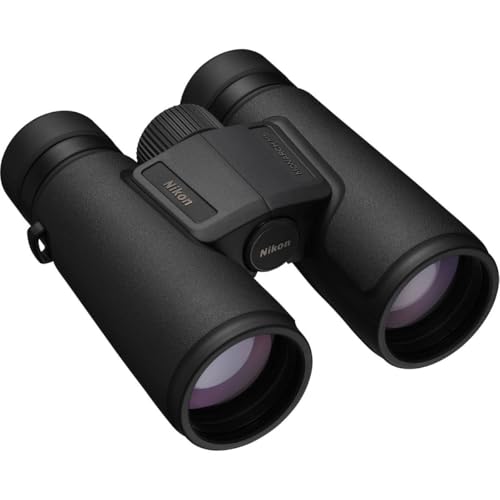
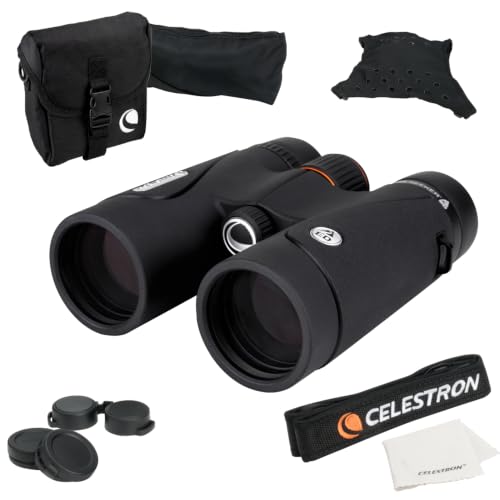


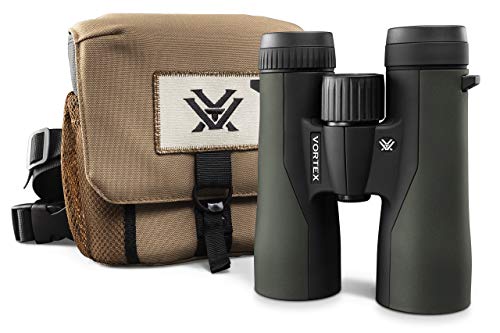
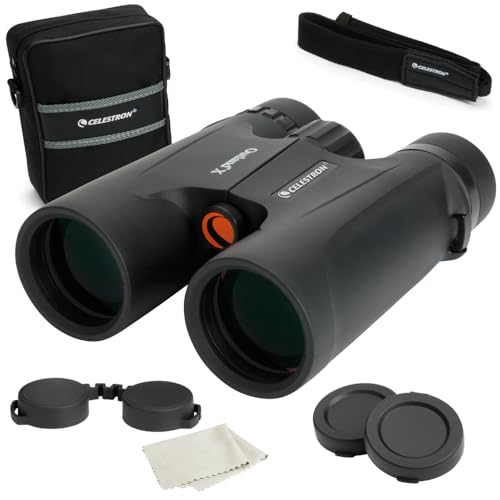

How to Choose the Best 8x42 Binoculars for Your Use
Different activities stress different features, so start by naming your main use. A birdwatcher needs close focus and a wide view, while a hunter needs low light performance and rugged sealing. A traveler needs light weight and compact folding, while a stadium viewer needs a steady image and easy focus. Matching the pair to the activity avoids paying for strengths you will never use.
For Birdwatchers
Birdwatchers should prioritize a wide field of view, close focus under about 8 feet, and accurate color. A wide view helps you find a moving bird quickly, and close focus lets you study birds at a feeder or in nearby brush. Light weight matters on long walks, and good coatings keep colors true in mixed light. A neck strap that distributes weight evenly also helps on a full morning outdoors.
For Hunters
Hunters should prioritize low light brightness, rugged waterproof sealing, and a grip that works with gloves. Dawn and dusk are prime viewing times, so light gathering and lens coatings matter more than extra magnification. A durable armor coating protects against bumps, rain, and dust in the field, and quiet, smooth focus adjustment matters too, since fumbling with stiff controls can cost you a sighting. See our guide to the best 8x42 binoculars for hunting for field specific advice on sealing and low light use.
For Hikers and Travelers
Hikers and travelers should prioritize light weight, compact folding, and a protective case that fits a day pack. Every ounce counts on a long trail, and a pair that folds flat packs far more easily. Waterproofing still matters, since mountain weather changes fast. A wide field of view helps you scan landscapes and spot wildlife without constant refocusing.
For Stadium and Theater Viewers
Stadium and theater viewers should prioritize a steady image, generous eye relief, and simple focus. You will hold the pair for long stretches, so balance and a comfortable strap matter as much as optics. Eye relief is especially important if you wear glasses, since short eye relief forces you to press the eyecups awkwardly. A smooth center focus wheel lets you follow fast action without losing the scene.
Key Features to Compare
Binocular specs can look like a wall of numbers, but only a handful change what you actually see. Focus on magnification and lens size, field of view, eye relief, brightness, coatings, and build. See our guide to the best rated binoculars for a broader comparison across sizes. The rest are refinements that matter only after these basics are right.
Magnification and Objective Lens Size
The first number, 8, is the magnification, and the second, 42, is the objective lens diameter in millimeters. Eight times magnification is a sweet spot because it enlarges the view usefully while keeping the image steady in hand. Higher magnification narrows the view and magnifies hand shake, which is why many experienced users prefer 8 over 10 for all day use. The 42 mm lens gathers enough light for most daylight and twilight viewing without making the pair bulky.
Field of View
Field of view tells you how wide a scene you see at a set distance, often quoted in feet at 1000 yards. A wider field makes it easier to find birds, follow players, and scan a hillside. Narrow fields feel like looking through a tunnel and force constant searching. For birdwatching and sports, favor the widest field you can find at your budget, since it changes the experience more than small sharpness differences.
Eye Relief and Comfort
Eye relief is the distance from the eyepiece at which you see the full image, and it decides whether glasses wearers can use the pair comfortably. Look for at least about 15 mm of eye relief if you wear glasses, and twist up eyecups that lock at several positions. A comfortable pair also balances well in the hand and does not press hard on the brow. Try the diopter adjustment for your right eye, since it corrects for differences between your eyes.
Brightness and Low Light Performance
Brightness depends on lens size, coatings, and glass quality, not on magnification alone. Divide the objective lens by the magnification to get the exit pupil, which is about 5.25 mm here, a generous size that suits low light viewing. Fully multicoated lenses transmit more light and reduce glare, which shows up most at dawn and dusk.
Never look at the sun through binoculars, since concentrated sunlight can damage your eyes instantly. For twilight use, favor pairs known for strong coatings and clean internal optics.
Coatings and Build Quality
Coatings reduce reflections and improve contrast, and their quality varies widely even among similarly priced pairs. Fully multicoated optics are the standard to expect, while lesser coatings leave images washed out in bright light. Phase correction coatings matter for roof prism designs, since they sharpen the image noticeably. Sealing matters too: waterproof and fogproof construction keeps moisture out during rain and temperature changes, which protects the internal optics for years.
Focus and Handling
A smooth center focus wheel lets you shift from a near bird to a distant ridge without overshooting. Close focus distance matters for butterflies, flowers, and feeder birds, so check it if near viewing appeals to you. Weight and grip shape decide comfort on long outings, and a textured armor coating helps in wet hands. A tripod adapter thread is a bonus for long stationary viewing, such as watching a nest or a distant overlook.
Common Mistakes to Avoid
- Choosing higher magnification first, which narrows the view and magnifies hand shake.
- Ignoring eye relief if you wear glasses, then finding you cannot see the full image comfortably.
- Judging brightness by lens size alone without checking coatings and glass quality.
- Buying a heavy pair for all day carrying, then leaving it behind because it tires your neck.
- Skipping waterproof sealing to save money, then fogging the optics on the first rainy outing.
Tips to Get the Most From Your Pair
- Use a lens cloth, not your shirt, since fabric can drag grit across coatings and scratch them.
- Store the pair in a dry, padded bag to protect alignment and keep dust out of the focus mechanism.
- Adjust the diopter for your right eye once, then use only the center wheel for everyday focusing.
- Keep the neck strap snug enough that the pair does not swing while you walk or climb.
- Keep lens caps on when the pair is not in use.
- Clean lenses with a blower first so loose dust does not scratch the surface during wiping.
8x42 Binoculars: Your Questions Answered
What does 8x42 mean?
It means 8 times magnification with 42 mm objective lenses, the front lenses that gather light. The 8 enlarges a distant subject to appear eight times closer, while the 42 mm opening sets how much light reaches your eyes. Dividing 42 by 8 gives an exit pupil of about 5.25 mm, which is generous for low light. That combination is why this size suits so many activities, from birding to sports.
Is a smartphone enough instead of binoculars?
No, not for distant subjects, because a phone relies on digital zoom that crops and softens the image. Binoculars give a bright, steady, real time view with true depth that a screen cannot match. Phones excel at recording what you found, so many users pair the two tools. Use binoculars to find and study the subject, then switch to the phone to photograph it.
How much should I spend on my first pair?
About $100 to $250 buys a solid first pair with fully multicoated optics and waterproof sealing, while below that range coatings and build quality drop off quickly and the image can feel dim or soft at the edges. Above that range, you pay for finer glass, wider fields, and smoother mechanics rather than a new capability. Start in the middle range, learn what you value, and upgrade later if a specific weakness bothers you. See our guide to the best budget 8x42 binoculars for options in that range.
Which 8x42 pair is better for low light?
The better low light pair is the one with the best coatings and cleanest glass, not simply the largest lens. Fully multicoated optics transmit more light, and high quality prisms preserve contrast when light fades. A generous exit pupil helps, but it cannot rescue poor coatings. If twilight viewing is your priority, favor pairs praised for brightness and contrast, and try them at dusk if you can.
Can glasses wearers use 8x42 binoculars comfortably?
Yes, provided the pair offers enough eye relief and adjustable eyecups. Look for at least about 15 mm of eye relief and twist up cups that retract fully for glasses. With the cups down, you should see the full field without dark edges. Some users prefer contact lenses for long sessions, but a well chosen pair works fine with glasses.
The Bottom Line
A good pair in this size disappears in use: the view is wide, bright, and steady, and the pair itself is light enough to carry all day. Prioritize field of view, eye relief, coatings, and sealing for your main activity, and treat extra magnification as a tradeoff rather than an upgrade. Compare those factors in the product table above, and choose the pair that fits your hands, your eyes, and your routine. With the right pick, the best 8x42 binoculars for you will earn their place on every outing.


