
Best Binoculars with Range Finder of 2026: Complete Buying Guide
Disclosure: We may earn a commission when you buy through links on this page, at no extra cost to you. As an Amazon Associate I earn from qualifying purchases. Learn more

Compare binoculars with a built in range finder by ranging distance, magnification, display clarity, angle compensation, glass quality and weight.
A weak laser or a dim display can leave you guessing when you need a clear number. The best binoculars with range finder give you a steady view and a fast, honest range without a second device in your other hand. This guide explains what to compare so you can read the comparison table below with confidence.
Start with how you use distance. A bowhunter in timber needs a quick reading at short range on a steep angle. A rifle hunter in open country needs a longer reading on a small target. Your terrain and light will point you to the right magnification, display and ranging strength.
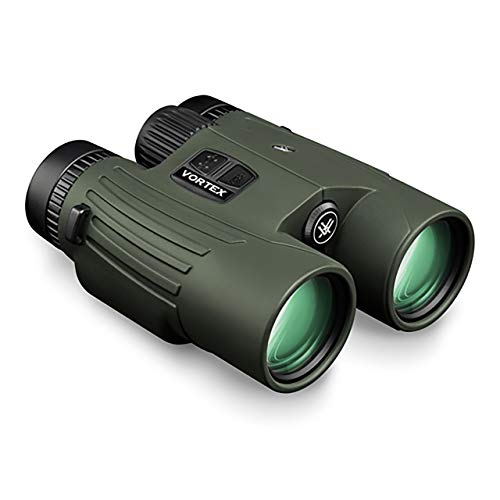
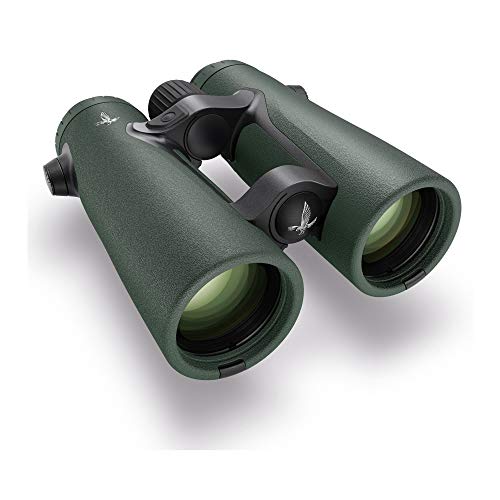
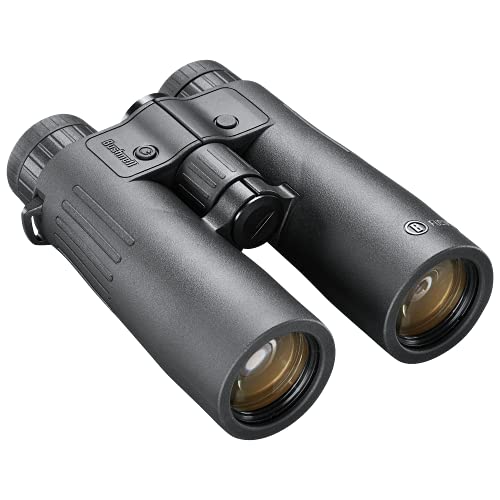
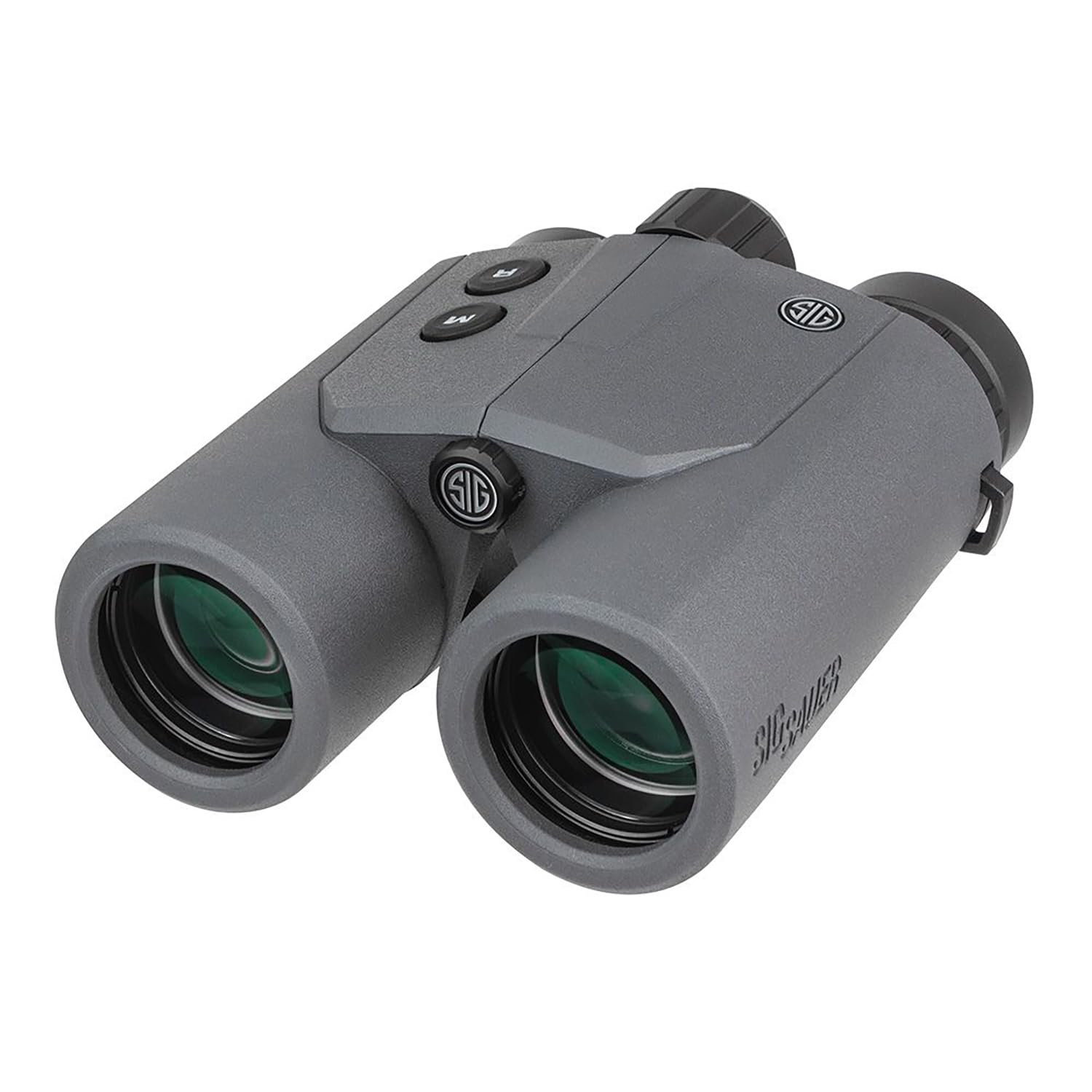
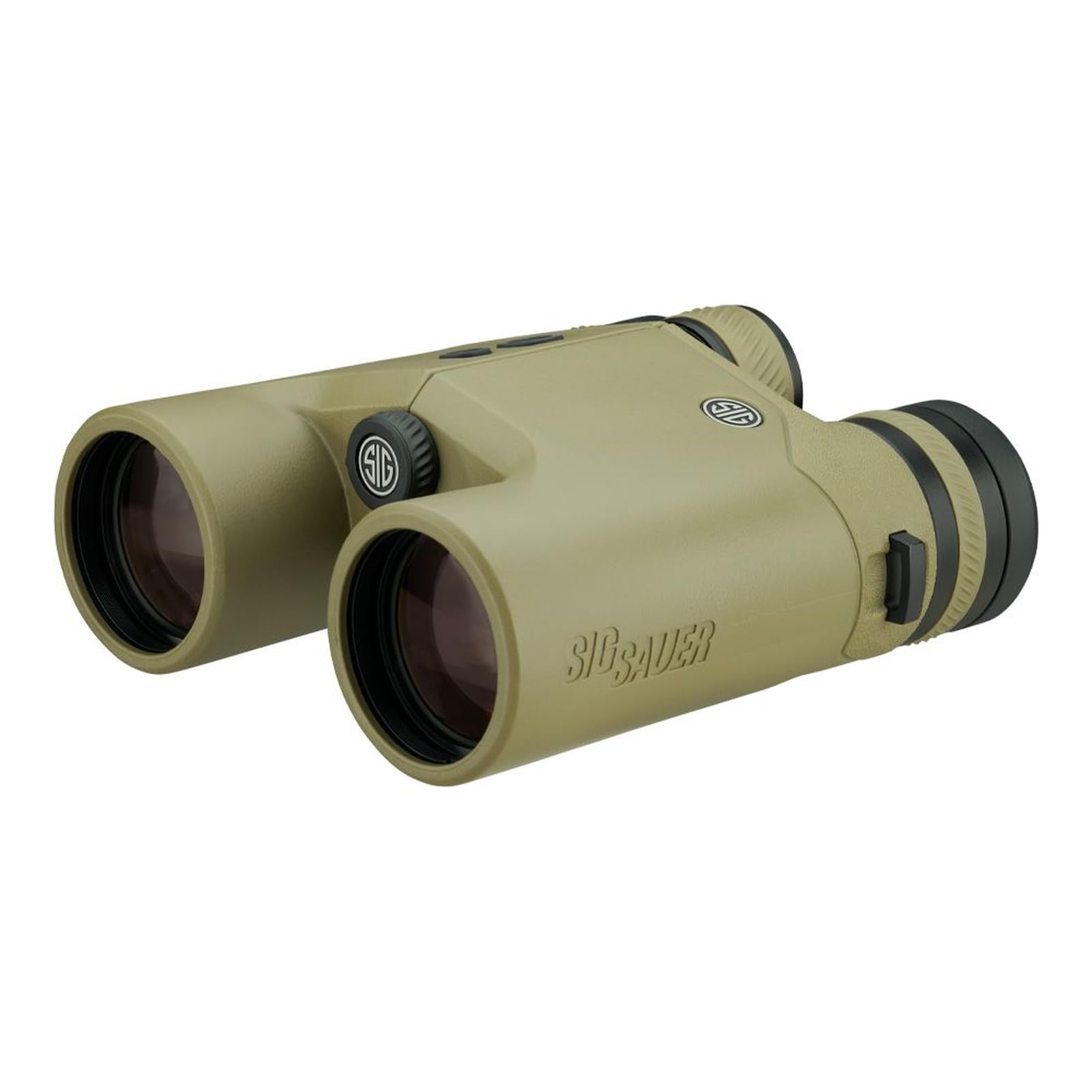

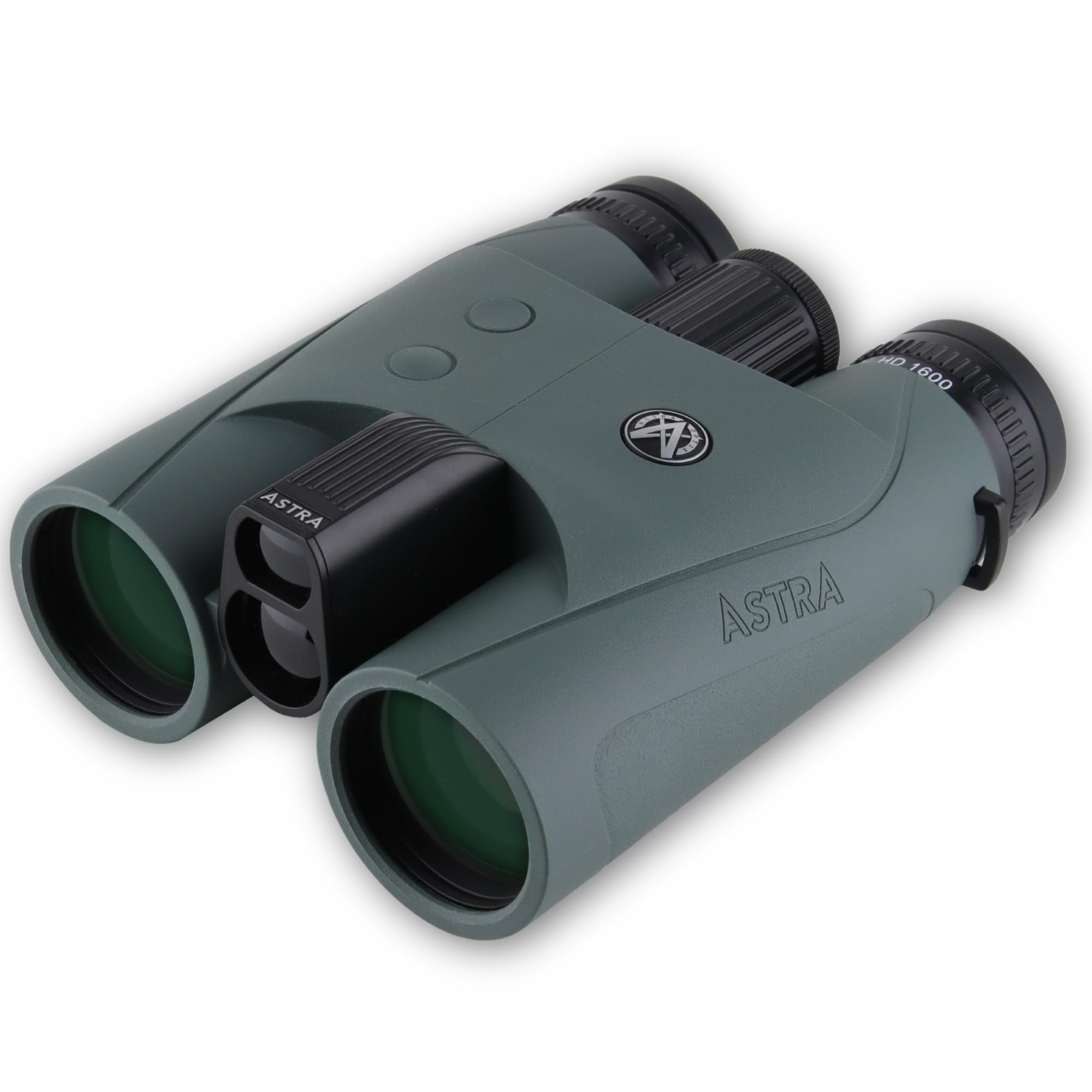
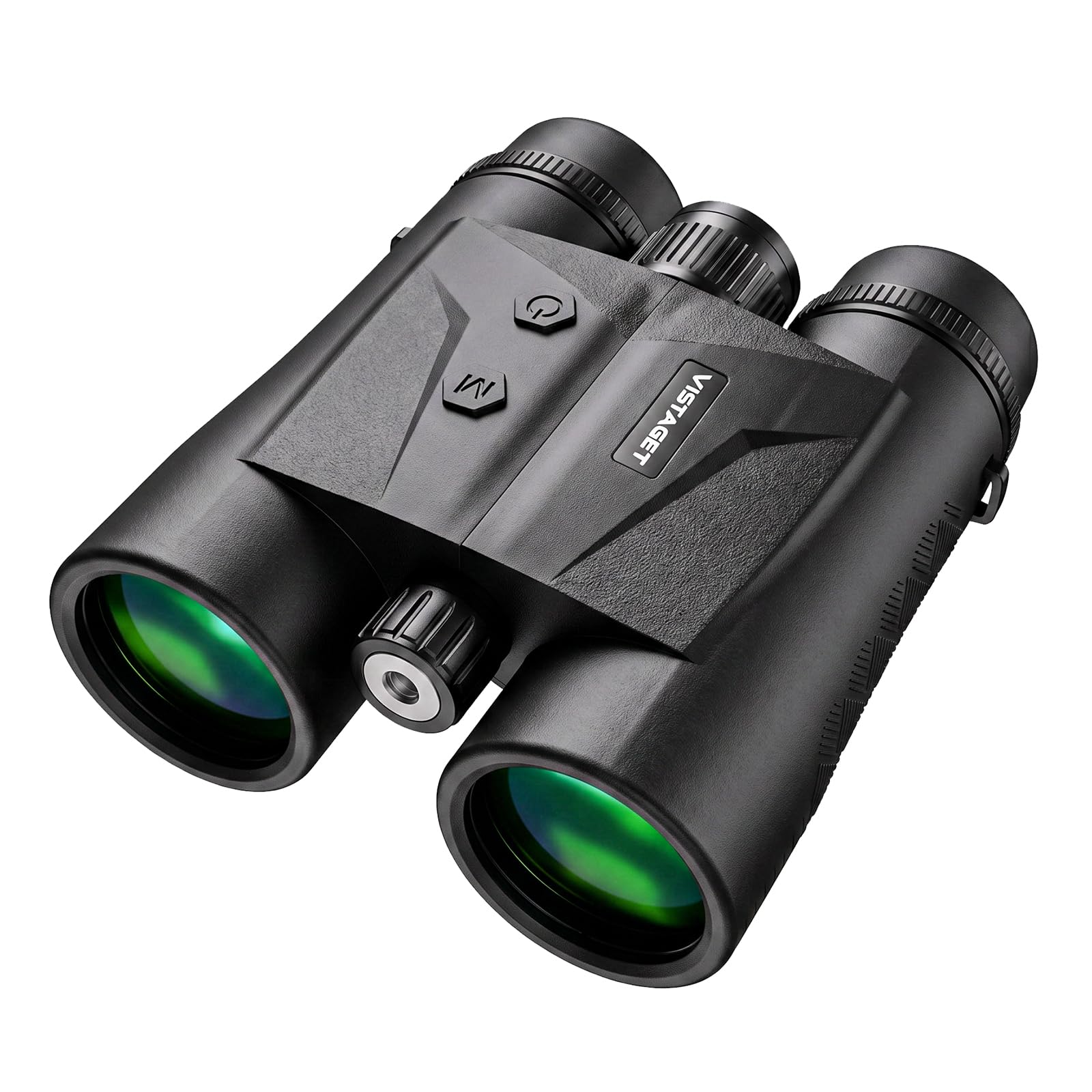
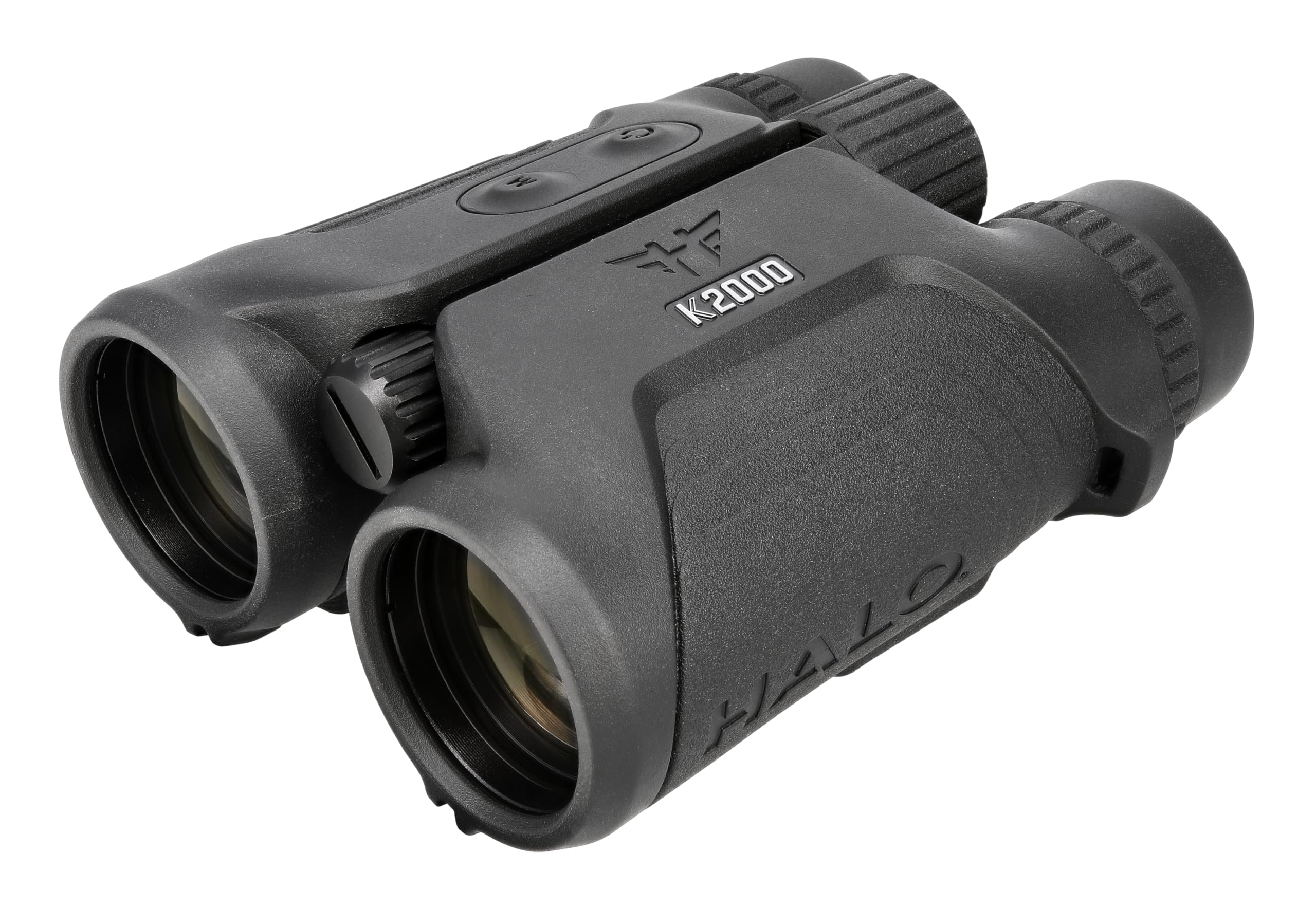

Who Should Buy Binoculars With a Range Finder?
These binoculars suit buyers who check distance often and want fewer tools to carry. If you rarely need a number, a plain binocular will weigh less and cost less.
Rifle Hunters in Open Country
You glass across fields and basins, then need a distance before you decide on a shot. Choose a model that ranges deer sized targets well past your longest ethical shot, with a display you can read against bright sky. A scan mode helps you follow a moving animal.
Bowhunters Who Shoot on Angles
You often range from a tree stand or a slope, where the straight line distance is longer than the distance gravity acts on your arrow. Choose angle compensation that gives the corrected distance at close range, plus a low minimum range so near targets still read. A wide field of view helps in timber.
Land Managers and Wildlife Observers
You measure distance to animals, feed sites and fence lines for notes, photos and planning. Choose balanced glass, comfortable eye relief for long sessions and a display that reads in yards or meters as your notes require. You need repeat readings that agree more than the longest laser. If range work matters more than viewing, see our guide to the best range binoculars for that balance.
Key Features to Compare
When you shop for the best binoculars with range finder models, compare the laser and the glass together. A long claimed range means little if the image is too dim to identify your target.
Ranging Distance and Accuracy
Manufacturers quote a maximum range, usually on a large reflective target such as a building or a metal sign. Expect the useful range on deer to be far shorter, often about half to two thirds of that headline number in good light. Accuracy is commonly about plus or minus one yard at moderate distance, and repeatability matters more. Choose a model whose animal range exceeds the distance you plan to use.
Magnification and Front Lens Size Choices for Hunters
Most buyers land on 8 by 42 or 10 by 42. An 8 power view is steadier, wider and brighter in low light, which suits timber and close work. A 10 power view shows more detail at distance, which suits open country, but it magnifies hand shake and narrows what you can see at once. Larger lenses, such as 50 mm, gather more light at dawn but add weight. Pick the smallest lens that still gives a clear image in your usual light.
Display, Reticle and Ranging Modes
The display shows your distance inside the view, in red or black depending on the design. Red is easier to read at dawn, black can look sharper at midday, and several brightness levels help in both. Useful modes include scan, which updates the number as you pan, and target priority settings that favor the nearest or farthest object. A simple reticle and a button you can find by feel matter more than a long menu.
Angle Compensation and Ballistic Help
On a slope, the laser measures the straight line to the target, but your shot drops over the shorter horizontal distance. Angle compensation does that math and shows the corrected number, which is the one to use from a stand or a hillside. Some models add ballistic groups that suggest a correction for your load. Treat that help as a starting point and confirm it at the range.
Glass Quality, Field of View and Eye Relief
Look for fully coated glass and, where the budget allows, extra low dispersion glass that keeps edges and color truer at distance. Field of view is stated in feet at 1,000 yards, and a wider view helps you follow animals. Eye relief of about 16 to 18 mm suits most users, and glasses wearers should favor the longer end.
Size, Weight, Weather Sealing and Battery
Adding a laser, display and battery makes these binoculars heavier than plain glass, often about 28 to 36 ounces. A chest harness spreads that weight well, while a neck strap will tire you on a long walk. Choose a waterproof and fogproof build so the inside lenses do not fog. Most units run on a single CR2 cell, so carry a spare. If you want distance first, see our guide to the best long range binoculars for longer reach.
Types of Binoculars With a Range Finder Compared
Most models fall into three groups by size and power. Match the group to your terrain first, then compare price inside that group.
Wide View 8 by 42 Binoculars With a Range Finder
These give the widest view and the steadiest image, and they stay bright in timber and at last light. They suit bowhunters and observers who work at short to moderate distance. The tradeoff is less detail on far targets across a wide basin.
Balanced 10 by 42 Binoculars With a Range Finder
These are the all round choice for mixed ground, with enough power for open fields and enough brightness for wooded edges. They suit most rifle hunters who want one unit for the whole season. If your budget sits in the middle of the market, see our guide to the best mid range binoculars for price context.
Large Objective 10 by 50 Binoculars With a Range Finder
These gather the most light and support longer viewing from a tripod or a truck window. They suit western hunters who glass at dawn across big country. The tradeoff is bulk, so plan on a harness or a tripod. For far country use, see our guide to the best long range binoculars for hunting before you commit to the weight.
Common Mistakes to Avoid
These errors leave buyers with an expensive plain binocular.
- Trusting the headline maximum range leaves you short, because that number reflects a large hard target and not an animal.
- Choosing 12 power for timber narrows your view so much that you lose the animal each time it steps.
- Skipping angle compensation makes slope shots miss, because the straight line number is not the drop distance.
- Ignoring display brightness means your number vanishes against snow, sky or pale grass at midday.
- Leaving home without a spare battery turns your range finder into plain glass on a cold morning.
- Buying the heaviest model for long walks leads you to leave it in the truck.
Care and Maintenance for Binoculars With a Range Finder
Clean the outside lenses with a blower first, then a lens cloth with light pressure, so grit does not scratch the coatings. Keep the laser window clean as well, because a smeared emitter window can weaken the ranging beam. Keep lens covers on in your pack and store the unit in a closed harness case.
Check the battery contacts each season and replace the cell before a major trip. Dry the unit at room temperature after rain, never on a heater, and store it in a cool dry place. If readings turn erratic after a hard drop, stop relying on them and contact the maker, because a shifted laser cannot be corrected at home.
Frequently Asked Questions
How far can binoculars with a range finder measure on an animal?
On an animal, expect a useful range well below the headline maximum, often about 800 to 1,500 yards for mid priced models in clear light. Dark coats, fog and rain all shorten that distance. Try a unit on a deer sized target at your longest planned distance on a dull day, not only on a bright one.
Do binoculars with a range finder work in rain and fog?
Yes, binoculars with a range finder work in light rain, but readings get less reliable as rain and fog thicken. Water in the air can reflect the beam early and return a number for the weather instead of the target. Many models include a rain mode that ignores very near returns. Wipe both front windows before you range.
Are binoculars with a range finder safe for your eyes?
Yes, consumer binoculars with a range finder use a low power laser classed for eye safety under normal use. That rating assumes you use the device as directed and never aim it at aircraft or into the eyes of a person at close range. Treat the beam with respect and keep the unit away from unsupervised children.
Can binoculars with a range finder replace a separate range finder for golf?
Not well, because binoculars with a range finder are built for larger targets at longer distance and lack the pin seeking lock that golf units use. Their minimum range is also longer, and the two handed hold is slower on a green. A golfer will get faster numbers from a dedicated golf unit.
How long does a pair of binoculars with a range finder last?
A well kept pair of binoculars with a range finder can serve for many seasons, with the glass usually outlasting the electronics. Common age related failures are a dimmer display, worn eye cups and tired seals rather than a broken laser. Keep the warranty details, because electronic faults are rarely repairable at home.
The Bottom Line
Put useful animal range, a readable display and glass you can hold steady ahead of headline numbers. Match magnification to your terrain, insist on angle compensation if you shoot on slopes, and budget for a harness and a spare battery. Then compare your short list in the product table above.
Chosen that way, the best binoculars with range finder become the one tool you reach for first, giving you a clear view and a number you trust in a single motion.


