
Best 8x32 Binoculars for Hunting in 2026: A Buyer Checklist That Works
Disclosure: We may earn a commission when you buy through links on this page, at no extra cost to you. As an Amazon Associate I earn from qualifying purchases. Learn more
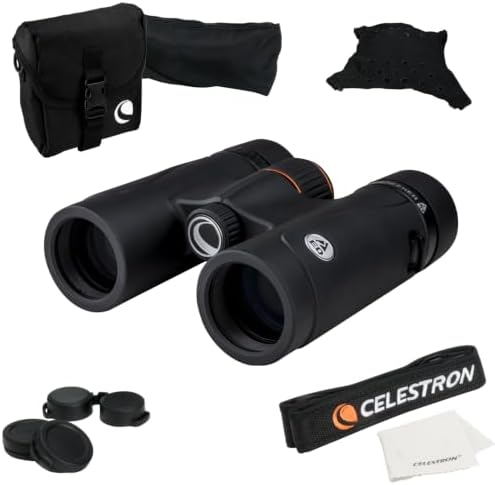
Use this checklist to compare 8x32 hunting binoculars by exit pupil, field of view, lens coatings, eye relief, weight and weather sealing before you buy.
An 8x32 binocular gives you 8 times magnification through 32 mm objective lenses, in a compact body that carries well. Picking the best 8x32 binoculars for hunting comes down to a short checklist, not a long spec sheet. Use the points below as you scan the comparison table below.
Start with where and how you hunt. Dawn and dusk light, the distance you glass, and the hours you walk decide which traits matter most. Stand and upland hunters will weigh brightness, field of view and weight in a different order.
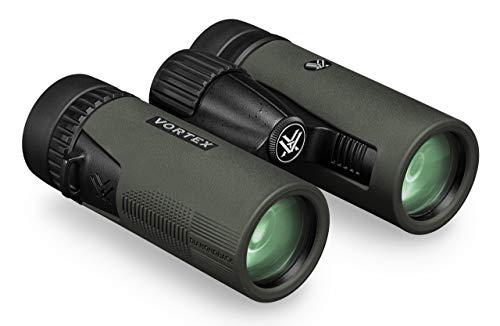
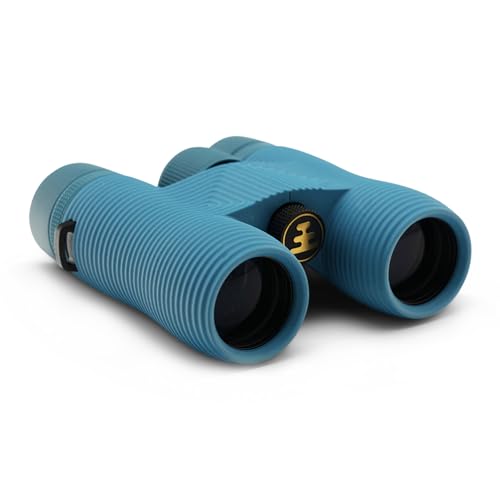
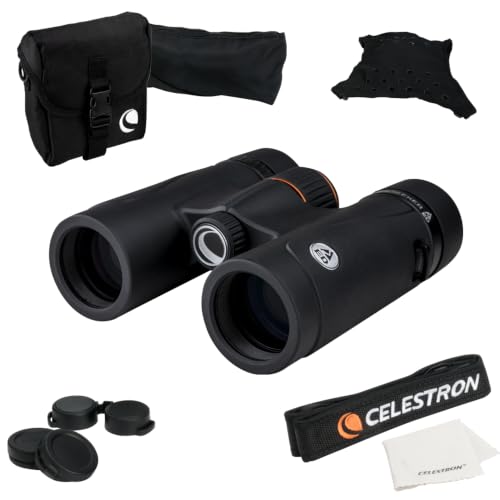
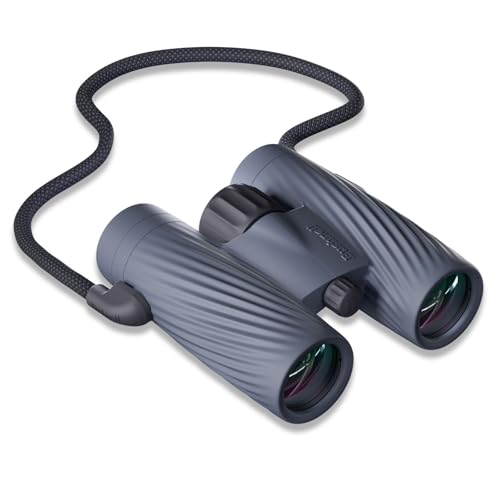

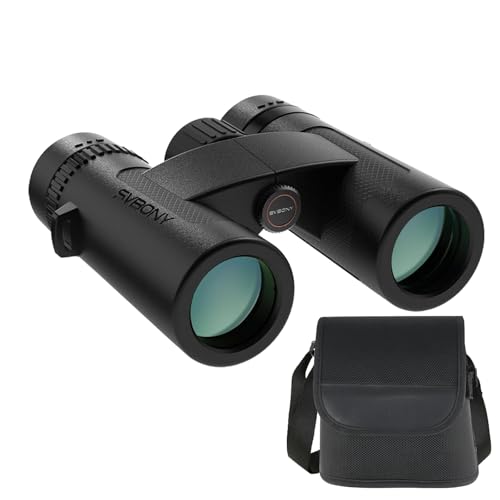
Who Should Buy 8x32 Binoculars for Hunting?
The 8x32 size fits hunters who value a wide view and low carry weight more than maximum brightness.
Timber and Brush Hunters Who Watch Short Lanes
You hunt woodlots and creek bottoms where sightings happen inside about 150 yards. A wide field of view helps you catch movement and follow an animal through gaps in trees. Choose a field near the top of the range and a smooth focus wheel, because your glassing is mostly quick checks.
Upland and Turkey Hunters Who Walk All Morning
You cover ground on foot and raise your binoculars often for brief looks across fields. Weight matters more to you than to a stand hunter, so look for a pair near about 14 to 18 ounces that rides flat on your chest. A short close focus helps when you check a track at your feet.
Stand Hunters and New Hunters Learning to Glass
You sit for long stretches and scan slowly, often in the dim first and last minutes of legal light. Brightness and contrast matter most, so give extra weight to lens coatings and prism quality. Choose forgiving eye placement and a generous field, because both make it easier to find an animal and hold it in view.
Key Features to Compare in 8x32 Hunting Binoculars
Work through these six factors in order. Together they decide how clearly you can use a compact binocular for a full hunt.
Exit Pupil and Brightness at Dawn and Dusk
Exit pupil is the objective size divided by magnification, so every 8x32 gives you a 4 mm exit pupil. A larger beam looks brighter when your pupils widen in dim woods. An 8x32 will look less bright than an 8x42 in the last minutes of light, but good coatings narrow that gap. In full daylight, 4 mm is plenty.
Field of View for Finding and Following Game
Field of view is the width you can see at 1000 yards without moving the binoculars, and most 8x32 models show about 350 to 430 feet. A wider field makes it easier to pick up movement and follow deer through timber. It also forgives hand shake, because the image has more room to move before the animal leaves the edge. For woods hunting, favor width.
Lens Coatings and Prism Glass for Contrast
Coatings cut glare and pass more light to your eyes, which raises contrast between antlers, hide and brush. Look for glass described as fully multi coated on all air to glass surfaces, and for roof prisms with phase correction, because that pairing keeps edges crisp and colors true. Some models add extra low dispersion glass to reduce color fringe on bright edges. Contrast helps you judge an animal in shade, so weigh this factor heavily.
Eye Relief and Eyecups for Hunters Who Wear Glasses
Eye relief is the distance your eye can sit from the rear lens while you still see the full field, and most 8x32 models offer about 15 to 20 mm. If you wear glasses, aim for at least about 16 mm so your lenses do not crowd the eyecups and cut off the edges. Twist up eyecups let glasses wearers rest the cups fully down, while other hunters raise them.
Weight, Balance and Focus Wheel Control
Most 8x32 hunting binoculars weigh about 14 to 20 ounces, light enough to carry on a chest harness all day without neck strain. Balance matters too, because a pair that sits steady in one hand is easier to raise while your other hand holds a bow. The focus wheel should turn with light finger pressure and no gritty spots, even with thin gloves on.
Weather Sealing and Armor for Wet, Cold Hunts
A sealed and gas purged body keeps inside fog from forming when you step from a warm truck into cold air, and it keeps rain and dust out. Look for a waterproof rating you can verify and for rubber armor that protects the barrels when they bump a stand rail or a gate. Armor also improves your grip with wet or gloved hands.
Compact Roof Prism Types and a Quick Buyer Checklist
Nearly every 8x32 hunting model uses roof prisms, which keep the barrels straight and the body slim. Basic builds use standard glass and simple coatings, mid builds add phase correction and full sealing, and premium builds add extra low dispersion glass and wider fields. For most woods hunters, the mid build gives the best return. For the plain size used beyond hunting, see our guide to the best 8x32 binoculars and note how hunting needs change the ranking.
Choosing the best 8x32 binoculars for hunting is easier when you answer these questions before you order:
- Is the field of view at least about 375 feet at 1000 yards for your cover?
- Are the lenses fully multi coated, with phase correction listed for the prisms?
- Is eye relief at least about 16 mm if you hunt while wearing glasses?
- Does the weight, with strap and caps, still feel right for a full day carry?
- Is the body sealed and purged, with armor you can grip while wearing gloves?
- Does close focus reach about 6 feet or less for sign near your stand?
- Does the warranty cover defects for years, not only for a single season?
Red flags include vague coating claims with no mention of phase correction, a very narrow field sold as a virtue, and a short warranty paired with no clear waterproof rating. If budget is your main limit, see our guide to the best inexpensive binoculars for hunting for ways to save without giving up sealing. Deer focused hunters can also see our guide to the best binoculars for deer hunting for notes on judging antlers in low light.
Common Mistakes to Avoid
- Buying a 10 power model for timber leaves you with a narrower field and more visible shake.
- Ignoring eye relief while wearing glasses cuts off the edge of the view and slows every scan.
- Judging brightness by objective size alone misses the coating quality that decides contrast in shade.
- Carrying binoculars on a thin neck strap all day causes neck ache and lets the pair bang gear.
- Skipping the diopter setup leaves one eye slightly soft, which tires your eyes during long sits.
- Storing a wet pair in a closed case traps moisture on the lenses and invites spots and odor.
Setup and Care for 8x32 Hunting Binoculars
Set up once at home. Bend the hinge until the two circles merge into one clean circle, then focus the left eye with the center wheel while the right lens stays covered. Cover the left lens and turn the diopter ring until the right eye view is sharp, and note that setting. A chest carry keeps the pair steady and quiet, so see our guide to the best binoculars harness for hunting if a neck strap has left you sore.
Clean lenses with a soft lens cloth and a puff of air first, never with a shirt tail that can drag grit across the coating. Keep caps on in brush, and let a soaked pair air dry open before you case it. Store the binoculars in a dry, padded bag away from heat.
FAQ
Are 8x32 binoculars for hunting bright enough at dawn and dusk?
Yes, 8x32 binoculars for hunting are bright enough for dawn and dusk in woods and fields, though an 8x42 will look brighter in the final minutes. The 4 mm exit pupil fits a partly widened eye pupil well, and strong coatings add contrast in shade. A clean objective matters too, because dust costs more light than many hunters expect.
How much should you spend on a first pair of 8x32 binoculars for hunting?
Most first time buyers do well at about $100 to $250, where full coatings, phase correction and real sealing become common. Under about $100, you often give up field width or coating quality you will notice in shade. Above that range, gains come in edge sharpness and build feel. Save part of the budget for a harness, because carry comfort decides whether the pair goes with you.
What close focus distance suits 8x32 binoculars for hunting?
A close focus of about 6 feet or less suits 8x32 binoculars for hunting best. That range lets you study a feather, a track or rub marks on a sapling without stepping back. Turkey and small game seasons bring many subjects close, so this spec earns more use than it first seems. Check that focus stays smooth at the near end.
Can you glass all day with 8x32 binoculars for hunting?
Yes, you can glass all day with 8x32 binoculars for hunting, and the low weight is the main reason. Short breaks still help, because eye strain often comes from squinting into wind or from a drifted diopter. Rest the barrels on a pack or a rail for long scans. If headaches appear, recheck your hinge width, since slightly off circles force your eyes to work harder.
How does an 8x32 compare with an 8x42 for deer hunting?
An 8x32 is lighter and often wider in view, while an 8x42 is brighter when light fades, and both share the same 8 power magnification. For stand sits that end at legal light, the larger lens earns its extra weight. For long walks, the smaller pair usually gets used more because it is already on your chest.
The Bottom Line
Put field of view, coatings and eye relief first, then check weight and sealing. Use the product table above to confirm those points before you choose.
Matched to your cover and carry style, the best 8x32 binoculars for hunting disappear on your chest until you need a clear, wide look. Pick the pair that passes every line of the checklist.


