Best 5000 Btu Window Air Conditioners (2026): Types and Buying Guide
Disclosure: We may earn a commission when you buy through links on this page, at no extra cost to you. As an Amazon Associate I earn from qualifying purchases. Learn more

A buying guide to the best 5000 btu window air conditioner: room size, noise, energy use and window fit compared for small rooms.
A 5000 Btu unit is the smallest common window size, and it works beautifully in the right room and disappoints in the wrong one. Choosing the best 5000 btu window air conditioner is mostly about honesty. You need to match the unit to your actual square footage, your window opening, and how much noise you can sleep through.
This guide compares the main types on coverage, cooling performance, noise level, and energy use, so you can see which style fits your room before you spend anything. Start with the comparison table below, then use the sections that follow to check sizing, features, and running costs.





Types to Compare at a Glance
Every unit in this class delivers the same nominal cooling output, so the real differences sit in controls, noise, and convenience. The three types below cover nearly everything you will see for sale, and each suits a different kind of buyer.
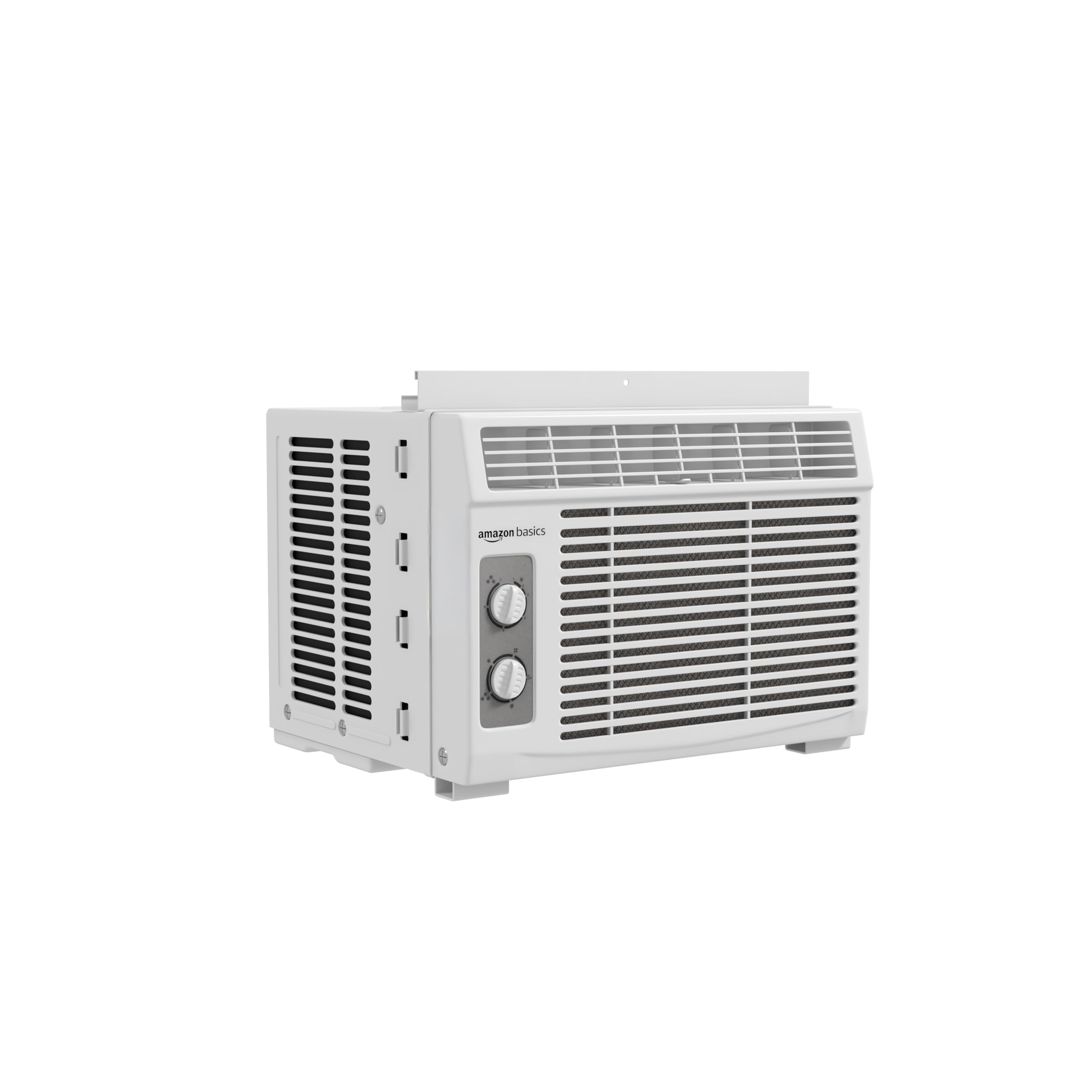
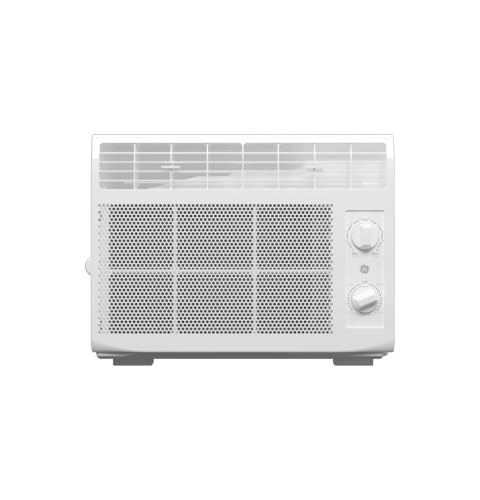
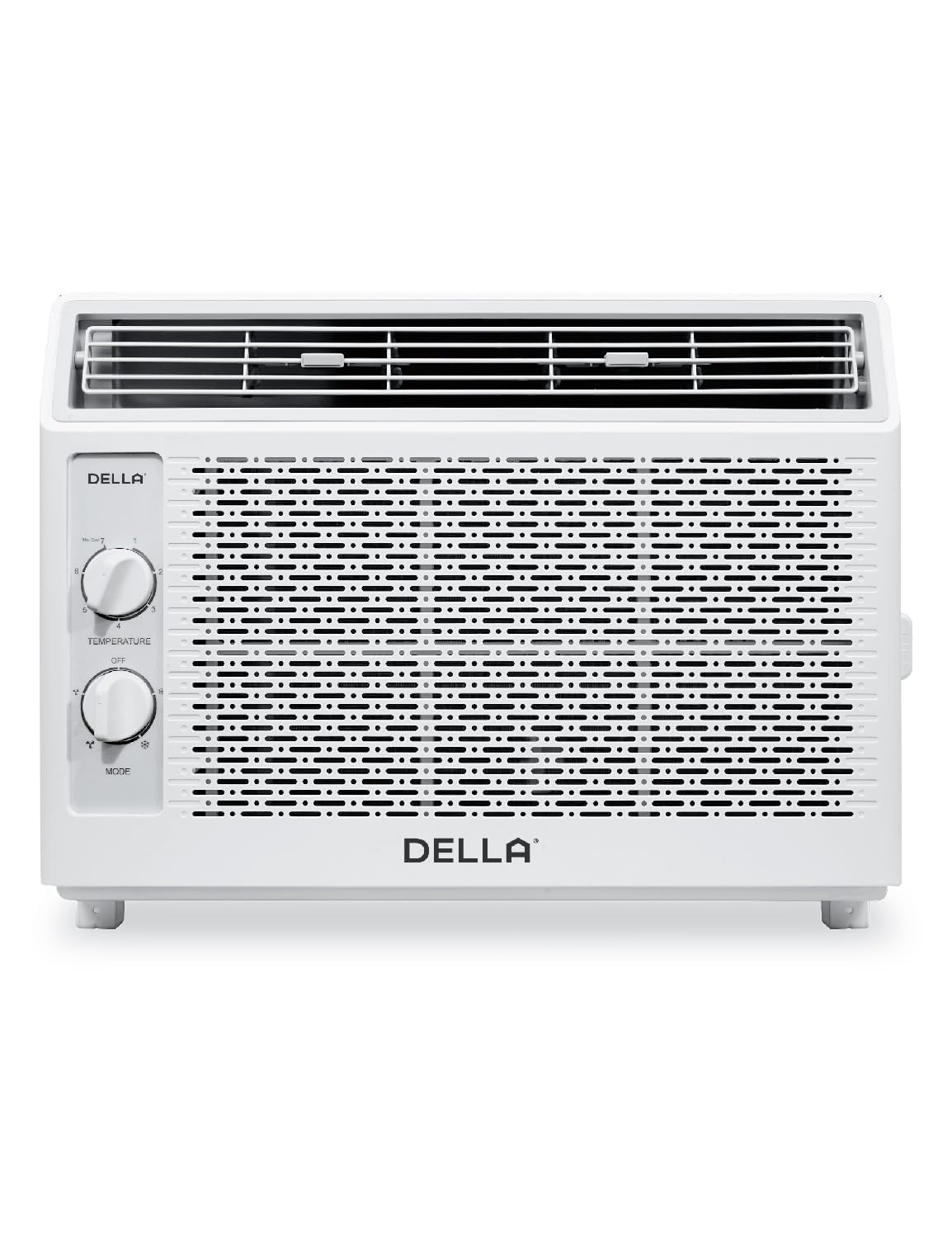
Basic Units With Mechanical Controls
The simplest type uses two rotary dials, one for temperature and one for fan speed and mode. There is no remote, no timer, and no display, and that simplicity is the appeal. These units cost the least, restart after a power outage at the same dial setting, and have fewer electronic parts that can fail. The trade off is precision. You adjust by feel rather than by degree, and you must walk to the window to change anything. Choose this type for a guest room or a workshop.
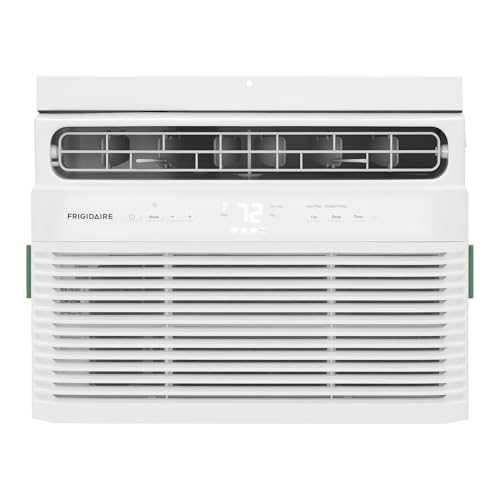
Electronic Units With a Remote Control
This type swaps the dials for a digital thermostat, a small display, and a remote you can use from bed or from a desk. Most models add a timer, a sleep mode that eases the temperature up during the night, and an energy saving mode that cycles the fan with the compressor. Temperature control is far more accurate, which matters in a bedroom where one or two degrees decide whether you sleep well. For most bedrooms, this is the type to beat.
Smart Units With App and Voice Control
The third type adds WiFi, an app, and voice control through a home assistant. You can start cooling before you get home, build a weekly schedule, and check the room temperature from another town. Expect to pay the most for this type, and expect a longer setup, since the unit must join your home network. Skip it if you will set one temperature and rarely change it, because the features only pay off when you use them.
How We Chose the Types and Criteria in This Guide
We judged this class on six factors that decide daily satisfaction: coverage in square feet, cooling performance on a hot afternoon, noise level on the low fan setting, energy use, filter care, and the usefulness of the controls. The figures come from manufacturer specification sheets and patterns in verified buyer reports. If you want the broader picture across all sizes, our guide to the best window air conditioner covers the full range in one place.
How to Choose the Right Window Air Conditioner
Size and Form Factor
Every unit here is rated at 5000 Btu, so size in this section means the cabinet, not the output. Most cabinets measure roughly 16 inches wide, 12 inches tall, and 13 to 15 inches deep, and they fit windows with a clear width of about 23 to 36 inches and a lower sash that lifts at least 13 inches. Measure your opening before you order, including the space the side curtains need. Most units weigh about 40 to 50 pounds, which one adult can lift, though a second pair of hands makes the job safer.
Type Options Beyond the Standard Box
The standard rectangular unit fits the common window that slides up and down. If your window cranks outward or slides from side to side, a standard unit will not seal properly, and you should look at casement or slider models instead, though those are rare at this small size. Inverter models are common in larger sizes but uncommon at 5000 Btu, so do not pay a premium hunting for one here. Energy Star certified models are worth preferring when the price gap is small.
Features Worth Paying For
A remote and a timer earn their keep in a bedroom, and a sleep mode helps if you wake up cold at night. A dehumidifier mode, often labeled dry, is useful in humid weather when the room feels clammy but not hot, because it removes moisture while running the fan at low speed. Washable filters are standard and should stay that way on your short list. True heat and cool models are almost always larger units, and WiFi is a comfort feature, so rank it below noise and fit.
Room Size and Coverage Ratings
Manufacturers rate a 5000 Btu unit for about 100 to 150 square feet, which covers a room of roughly 10 by 12 feet up to about 12 by 12 feet with a standard ceiling. Treat 150 square feet as the ceiling of its ability, not the middle of its range. In a room at the top of that range, the unit runs for long stretches on a hot afternoon and holds the temperature rather than pulling it down quickly. Matching the rating to the room most shapes whether you love or regret this purchase.
Running Cost and Energy Use
A unit in this class draws about 450 watts while the compressor runs, and efficiency is expressed as a CEER rating, where a higher number means less electricity for the same cooling. Models around a CEER of 11 or above sit at the efficient end of this size. Your bill depends on local rates and daily run time far more than on small rating gaps between models. Our breakdown of how much electricity does a window air conditioner use shows how to estimate a monthly figure from your own rate.
Noise Levels for Bedrooms
Expect about 50 to 56 decibels depending on fan speed, with the low setting near the bottom of that range. A quiet conversation sits around 60 decibels, so even the high setting is not loud in absolute terms, but a steady hum near your pillow feels different from the same sound across a living room. What bothers sleepers most is often change, such as the click when the compressor starts, and a sleep mode with a gentle low fan setting reduces those interruptions.
Filters, Tanks, and Maintenance
Window units do not use a water tank. Moisture pulled from the air drains outside through the tilted cabinet, so correct tilt during installation keeps water from pooling indoors. The mesh filter slides out from the front and needs rinsing about once a month during heavy use, since a clogged filter cuts airflow and makes the room cool unevenly. The full routine in our guide to how to clean a window air conditioner covers the coils and cabinet as well. Let the filter dry fully before you slide it back in.
How Much Should You Spend?
Most units in this class sell for about $150 to $250. Near the bottom of that range you get mechanical dials and little else, which is fine for occasional use. Around $200 you typically gain electronic controls, a remote, and a timer, and that step is where most buyers get the best value. Above that level you pay for smart controls, a quieter fan, or a better finish, not for more cooling, because output stays at 5000 Btu across the whole class.
Is a 5000 Btu Window Air Conditioner the Right Size for You?
This size is right for you if your room measures about 100 to 150 square feet and has a door you can close. A bedroom, a home office, or a dorm room fits that description, and our guide to the best small window air conditioner looks at this end of the market in more depth. It is the wrong size for an open plan space or a living room that flows into a kitchen, because cooled air escapes faster than a small unit can replace it.
If your room sits just above the range, or faces afternoon sun with large windows, step up one size instead of asking this unit to work at its limit all summer. Our guide to the best 6000 btu window air conditioner shows what that extra output buys you. If you rent and expect to move within a year or two, a small unit you can take with you often beats a fixed installation. Readers weighing a permanent system will find the trade offs laid out in window ac vs mini split.
FAQ
What is the best 5000 btu window air conditioner?
For most people, an electronic model with a remote, a timer, and a washable filter, sized for a room inside the rated range. One practical point rarely mentioned is the return window. Fit problems appear on installation day, so buy from a listing with a clear return policy and keep the box until the unit has run through one hot afternoon without rattling or leaking.
What size window air conditioner do I need for a bedroom?
Start with square footage, then adjust for the room itself. A bedroom with a high ceiling holds more air and may need the next size up, and a room in direct afternoon sun can need about 10 percent more capacity than the basic chart suggests. When your adjusted figure lands between two sizes, choose the larger one for a room you sleep in nightly.
How long does a 5000 Btu window air conditioner last?
Most window units last about 8 to 12 years before the compressor weakens or repair costs stop making sense. Storage makes a real difference. A unit stored indoors, covered, and kept upright through winter ages better than one left in the window through freezing weather or laid on its side in a damp garage. If an older unit cools weakly and draws more power than it used to, replacement usually costs less than a major repair.
Is a 5000 Btu window air conditioner worth it for renters?
For a renter with one hot room, yes, it is usually the cheapest route to real cooling that you fully own. You avoid negotiating a fixed system with a landlord, you can take the unit to your next home, and the price is often recovered in one summer compared with larger portable setups. Check your lease for rules about window installations before you order, and keep the original screens safe so you can restore the window when you move out.
How should you clean a 5000 Btu window air conditioner at the end of the season?
Season end cleaning goes beyond the monthly filter rinse. Unplug the unit, wipe the cabinet, and use a soft brush on the outdoor coil fins to clear dust and pollen, taking care not to bend the thin metal. Check that the drain path at the back is open so stored moisture does not sit inside. Run the fan alone for an hour to dry the interior before removal. That drying step is the one most owners skip, and it is the main defense against a musty smell at the next startup.
What makes a window air conditioner brand reliable?
Reliability shows up less in the badge than in the support behind it. Look for a warranty of at least a year on the whole unit, a longer stated term on the sealed refrigeration system, and replacement filters and remotes that are easy to order. A local service network matters if a fault appears under warranty, because a window unit is heavy to ship. Model lines that stay in production for years also help, since parts remain available.
Final Thoughts
Match the room first, then choose the control style you will enjoy using every day. A basic dial model serves a guest room well, an electronic model suits most bedrooms, and a smart model earns its price only if you will use schedules and remote starts. Compare the finalists in the product table above, confirm your window measurements, and you will end up with the best 5000 btu window air conditioner for the room you actually have, not the room you estimated.