
Best 8 Inch Carbon Steel Pans (2026): Sizes, Types and Prices
Disclosure: We may earn a commission when you buy through links on this page, at no extra cost to you. As an Amazon Associate I earn from qualifying purchases. Learn more

Choosing the best 8 inch carbon steel pan? An 8 inch pan heats fast for eggs, single steaks and quick sauces.
A small pan earns its place when it heats fast, stores in a shallow drawer, and handles breakfast without fuss. If you cook for one or two people, the best 8 inch carbon steel pan can be that everyday helper for eggs, a single chicken breast, or a quick pan sauce. This guide helps you choose by kitchen space, household size, and budget.
An 8 inch pan is a specialist, not a family workhorse, so clear expectations matter. The comparison table below sums up the main types, and the sections that follow explain size, stovetop fit, and ownership cost.




Quick Answer: Three Types Worth Considering
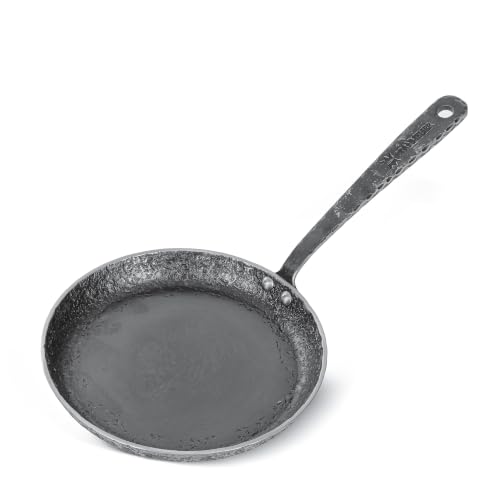
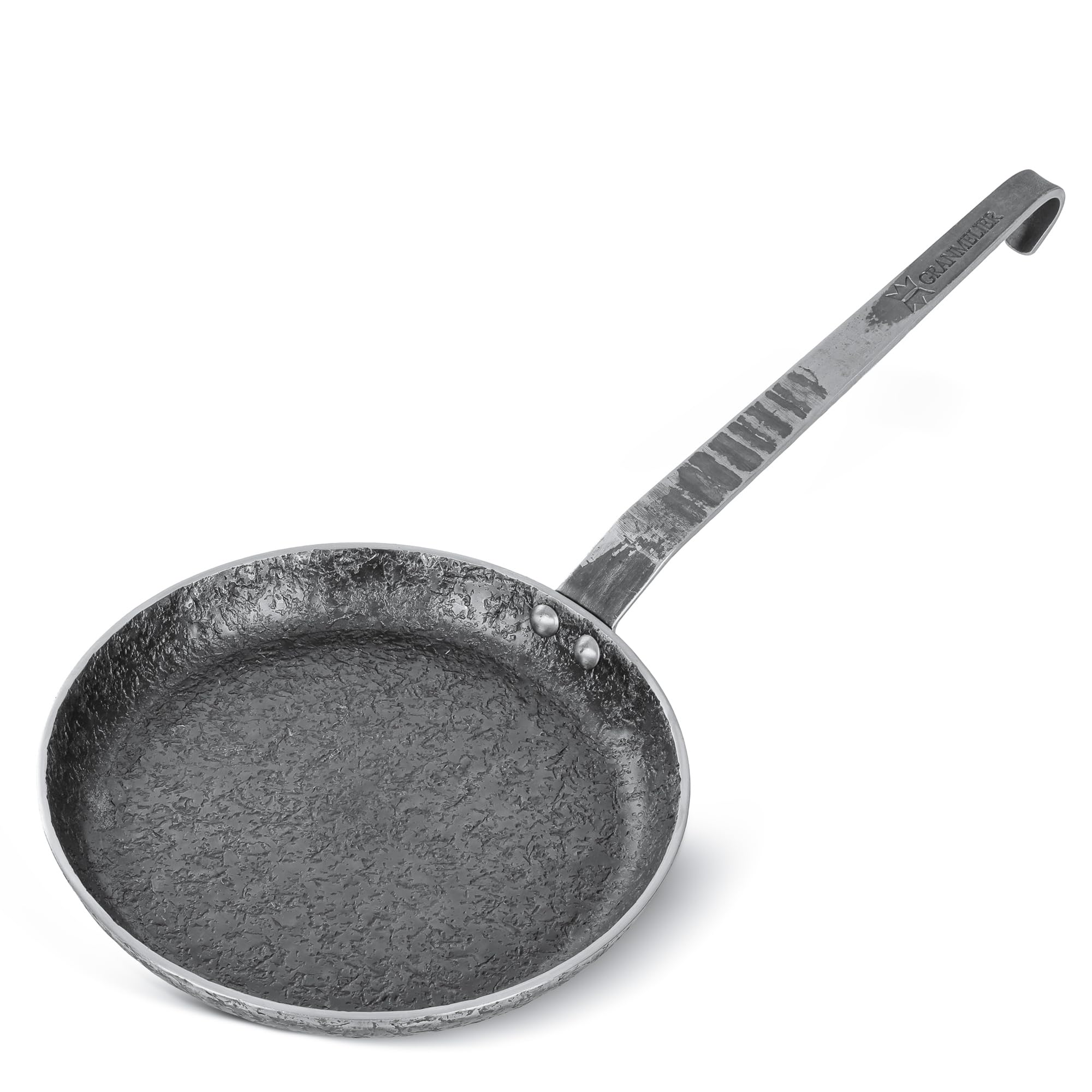
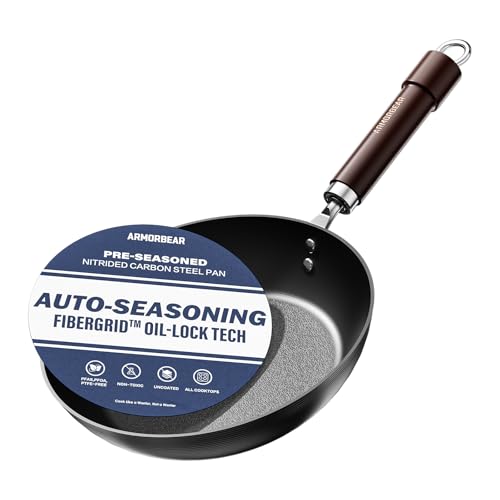
Most 8 inch carbon steel pans fall into three groups. A pre seasoned pan arrives ready to cook and suits new owners. A blue carbon steel pan is light and responsive, and it suits cooks who enjoy building seasoning themselves. A thicker pan holds heat more steadily for browning, but it weighs more and costs more. Your household size, burner type, and storage should decide between them.
Before You Buy: A Quick Checklist for Choosing a Carbon Steel Pan
Size: Match It to Your Space
An 8 inch pan measures about 8 inches across the top rim, and the flat cooking surface is smaller, often around 5 to 6 inches. That base fits one fried egg with room to spare, two eggs at a push, or a small steak cut to fit. It also stores easily in a narrow cabinet or on a small hook.
Larger sizes serve different homes. A 10 inch pan fits two chicken breasts, an 11 inch pan handles a family omelet, and a 12 inch pan suits batch cooking but needs a wide burner and more storage. If you cook three or more portions at once, step up a size. Our broader guide to the best carbon steel pan covers those larger options.
Which Type Fits Your Routine
Pre seasoned pans carry a factory applied layer of oil based seasoning, so first meals stick less and you can cook on day one. Blue carbon steel pans get their color from a heat treatment that slows rust, yet they still need seasoning before serious use. Lightweight pans, often around 2 mm thick, heat and cool quickly, which helps when you toss vegetables or adjust a sauce.
If you want the least fuss, start with our guide to the best pre seasoned carbon steel pan. If you enjoy seasoning rituals, a bare or blue steel pan will feel more rewarding.
Is Carbon Steel Free of PFAS and PTFE Coatings?
Carbon steel is a simple mix of iron and a small amount of carbon, with no applied synthetic coating on the cooking surface. That means there is no PFAS or PTFE layer to wear away, and the surface you cook on is seasoning built from your own cooking oils. Our overview of carbon steel vs nonstick explains how the two surfaces age very differently over years of use.
Stainless steel and cast iron are also coating free choices, but stainless can stick with eggs unless you manage heat carefully, and cast iron is heavy for its small cooking area. Ceramic coated pans avoid PTFE, yet their slick layer fades with time, while carbon steel seasoning can be renewed at home.
Induction, Gas and Glass Top Compatibility
Carbon steel is magnetic, so most pans work on induction as long as the base sits flat and matches the element size. On a small pan, a warped base is the usual problem, because the pan rocks and heats unevenly on glass and induction tops. Choose a pan with a notably flat base, and avoid putting a hot pan under cold water, which can cause warping.
Gas burners forgive a slight warp and heat the sloped sides nicely. On glass top ranges, lift the pan instead of sliding it, since rough bases can mark the surface. If induction is your main cooktop, see our guide to the best carbon steel pan for induction.
Oven Safe Temperature and Handles
Most plain carbon steel pans tolerate high oven heat, often up to about 600 degrees Fahrenheit, but always check the maker limit for the exact pan you buy. Pans with coated or wooden handles carry lower limits, so a plain steel handle is safer if you finish eggs or fish under the broiler. This size also works as a small roasting dish for a single portion of vegetables.
Handle shape matters daily too. A long handle keeps your hand away from the flame, and the pan should stay balanced when empty, since a heavy handle can tip a small pan on a narrow grate.
Realistic Budget Ranges
Most 8 inch carbon steel pans cost about $20 to $60, and many solid choices sit under $50. At the lower end you get thinner steel, a simpler handle, and little or no seasoning, so your time becomes part of the price. Spending about $40 to $60 usually buys thicker steel, a flatter base, and a finish that resists rust during shipping.
Three Styles of 8 Inch Carbon Steel Pan Compared
Pre Seasoned Pans for the Easiest Start
A pre seasoned pan suits most homes because it removes the hardest first step. The factory layer gives you a head start with eggs and fish, and each meal adds to it. These pans often use medium thickness steel, so they balance easy handling with steady browning. Choose this style if you cook breakfast daily. The trade off is variation, since some factory coatings feel waxy at first and need a few cooks to settle in.
Blue Carbon Steel Pans for Light and Responsive Cooking
Blue carbon steel pans are usually thinner and lighter, which suits cooks who move the pan a lot. The steel reacts quickly when you lower the heat, a real help with eggs and delicate fish that can overcook in seconds. The blue finish slows early rust, but it is not seasoning, so plan on seasoning the pan yourself. Thin steel does lose heat faster when cold food lands in it.
Thicker Pans for Steadier Browning
Thicker pans, often around 3 mm, hold heat through the sear, so a small steak or a pair of scallops browns instead of steaming. The extra steel also resists warping, which protects flat contact on glass and induction tops. Pick this style if your small pan will double as a searing pan. It makes less sense as a pure egg pan, where a lighter pan is easier to tilt. Our guide to the best carbon steel pan for eggs covers that use.
How to Judge an 8 Inch Carbon Steel Pan
Good decisions rest on a short list of checks you can repeat for any pan. Look at heat spread across the small base, base flatness, steel thickness, handle comfort, and how much seasoning work the maker has done for you. Then weigh stovetop and oven compatibility against your own range, since a pan that fights your cooktop will sit unused.
Maker specifications and patterns in verified buyer reviews are the most useful sources for these checks. Consistent reports about warping or rust on arrival tell you more than a single glowing comment.
Is an 8 Inch Carbon Steel Pan the Right Size for You?
The best 8 inch carbon steel pan shines for one or two people, small kitchens, dorm rooms, and camper cooking where storage is scarce. It is ideal for a fried egg, reheating a single portion of leftovers, or toasting spices and nuts. Side dishes are another strong use, since the small pan frees your big skillet for the main course.
It is the wrong size as your only pan for a family of four. Stir fries and three or more chicken thighs will crowd it, and crowded food steams instead of browning. Many homes pair it with a 10 or 12 inch pan.
- Buy the 8 inch size if: you cook solo most days, your cabinets are shallow, and eggs or single portions dominate your cooking.
- Choose a larger size if: you cook for three or more people, batch cook on weekends, or want one pan to cover nearly every meal.
- Buy both if: your household mixes solo breakfasts with family dinners, and you have a drawer or rail to store the pair.
Common Buying Mistakes to Avoid
- Buying 8 inch as your only pan for a family. The small base forces batch cooking, so weeknight dinners take longer and brown less well.
- Ignoring burner size. An oversized flame licking the sides of this small pan can overheat the handle and waste gas.
- Expecting nonstick performance on day one. A bare pan needs seasoning and a few fatty cooks first, so early eggs may stick and discourage you unfairly.
- Skipping the cost of care items. A stiff brush and seasoning oil add a little to the true purchase price.
- Paying for features you will not use. Fancy handle wraps and gift packaging add cost without improving a pan you reach for at breakfast.
Cost of Ownership and Care
Carbon steel asks for time more than money. Seasoning costs a spoonful of oil and some oven or stovetop heat, and our step by step guide on how to season a carbon steel pan walks through the full process once. After each use, wash the pan with hot water, dry it on low heat, and wipe on the thinnest film of oil before storing.
That routine protects the pan from rust, deepens the seasoning, and takes about two minutes. There are no replacement parts and no special cleaners to buy, and a pan treated this way can serve for decades, keeping the cost per year low.
Your Questions, Answered
Can an 8 inch carbon steel pan cook a single steak well?
Yes, if the steak is about 8 ounces or smaller and no thicker than about 1 inch. Preheat until a drop of water dances, pat the meat dry, and leave it undisturbed at first. Warm a small plate while it sears, since a cold plate can soften the crust.
Is an 8 inch carbon steel pan worth it for a small household?
For one or two people who cook several times a week, yes, because the pan heats quickly and washes in moments. It earns its keep fastest covering breakfast and side dishes, the meals larger pans handle wastefully. If you mostly cook big family meals, the same money buys more value in a 10 inch pan.
How long does an 8 inch carbon steel pan last with daily use?
The steel itself can last for decades, because there is no coating to exhaust. What changes is the seasoning, which darkens and can be renewed whenever it thins. The realistic failure points are a warped base from thermal shock and rust from leaving the pan wet overnight, both from habits rather than age.
Can an 8 inch carbon steel pan cook eggs without sticking?
Yes, once the seasoning is established and the pan is preheated first. Add butter or oil to the hot pan, let it shimmer, then add the eggs and wait until the edges set. Egg temperature helps too, since cold eggs chill the small base fast, so set them out for about 10 minutes before cooking.
Does an 8 inch carbon steel pan need special storage in a humid kitchen?
It needs dry storage more than special storage. Dry the pan on the burner every time, apply the thin oil film while warm, and avoid closed cabinets above a steamy dishwasher. If rust spots appear, scrub them off with a paste of salt and oil, rinse, dry, and cook a fatty meal to refresh the seasoning.
Final Thoughts
For small homes and small households, the right 8 inch pan is the one that matches your burner, your storage, and your patience for seasoning. Pre seasoned pans offer the easiest start, blue steel keeps things light, and thicker pans brown with confidence. Whichever type you choose, the best 8 inch carbon steel pan is the one you will reach for daily, so use the product table above to compare the styles side by side before you order.


