Best 75 Inch TV Stands (2026): Sizes, Types and Prices
Disclosure: We may earn a commission when you buy through links on this page, at no extra cost to you. As an Amazon Associate I earn from qualifying purchases. Learn more

Choosing the best 75 inch tv stand? A stand for a 75 inch TV needs the right width and a safe load rating.
A 75 inch TV is a big screen with real weight, and a stand that suits a smaller set can flex, crowd your gear, or leave the panel ends hanging past the edges. Finding the best 75 inch tv stand means matching width, load rating, and storage to the TV you actually own. This guide compares three stand styles by build quality, materials, and weight capacity, and the comparison table below sums up how each style fits a different room and setup.
Instead of ranking specific models, this guide walks you through the choices that matter most at this size, from width and materials to the extra features worth paying for.

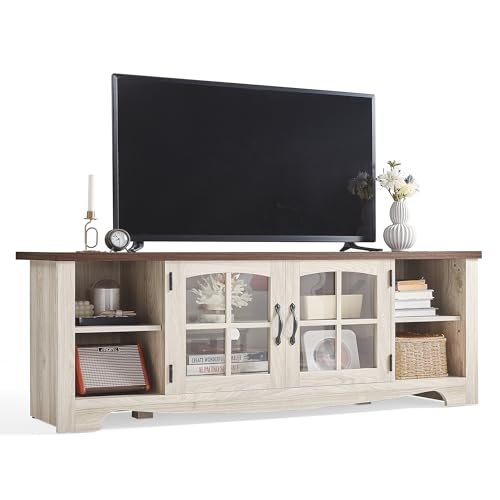


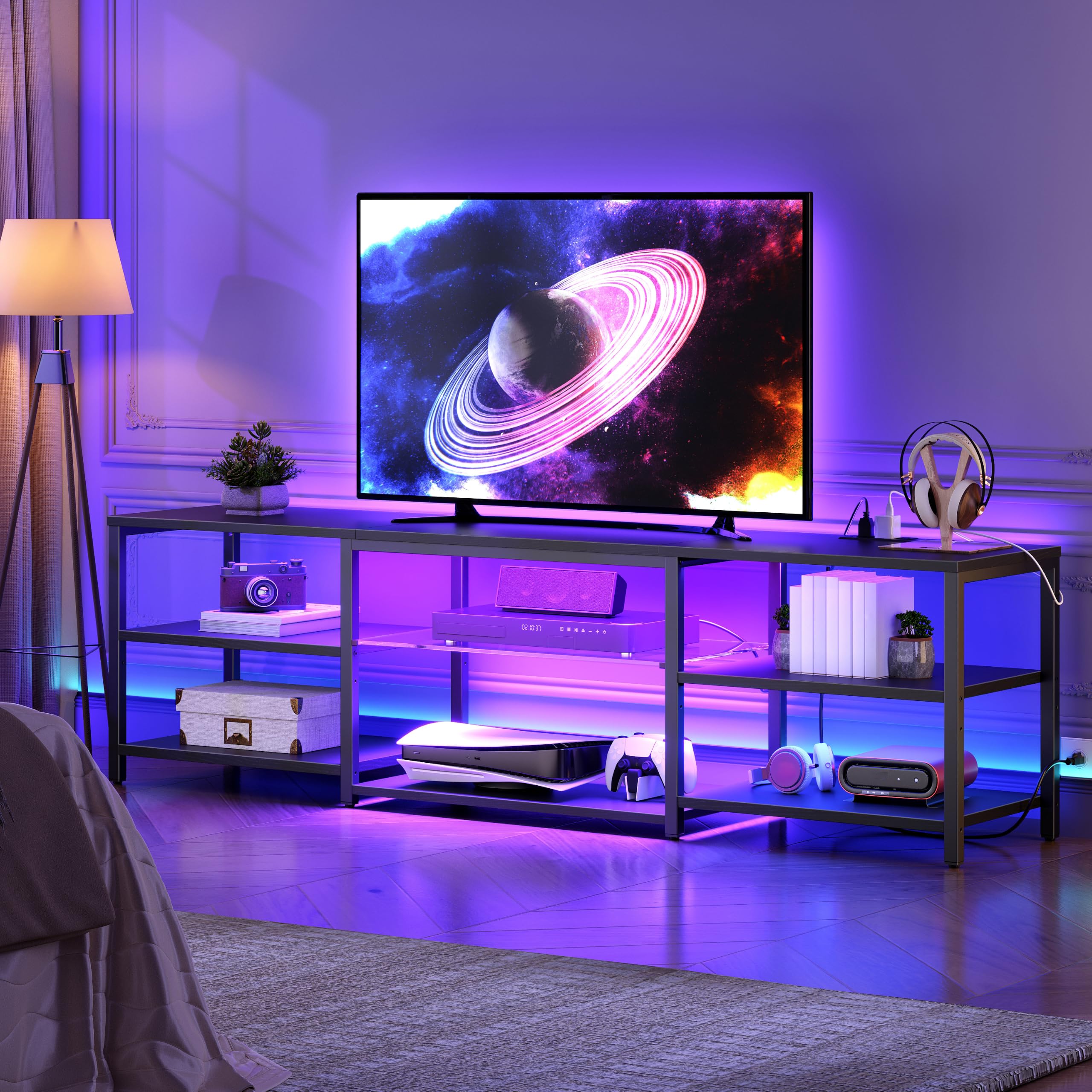
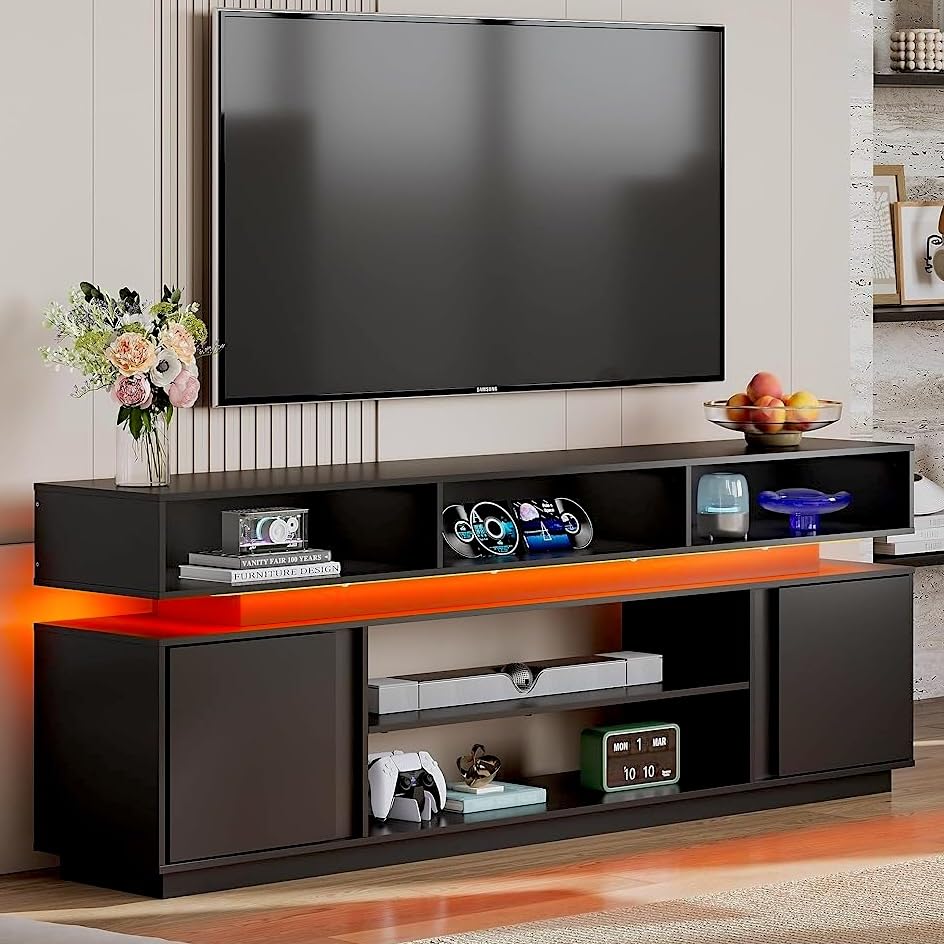
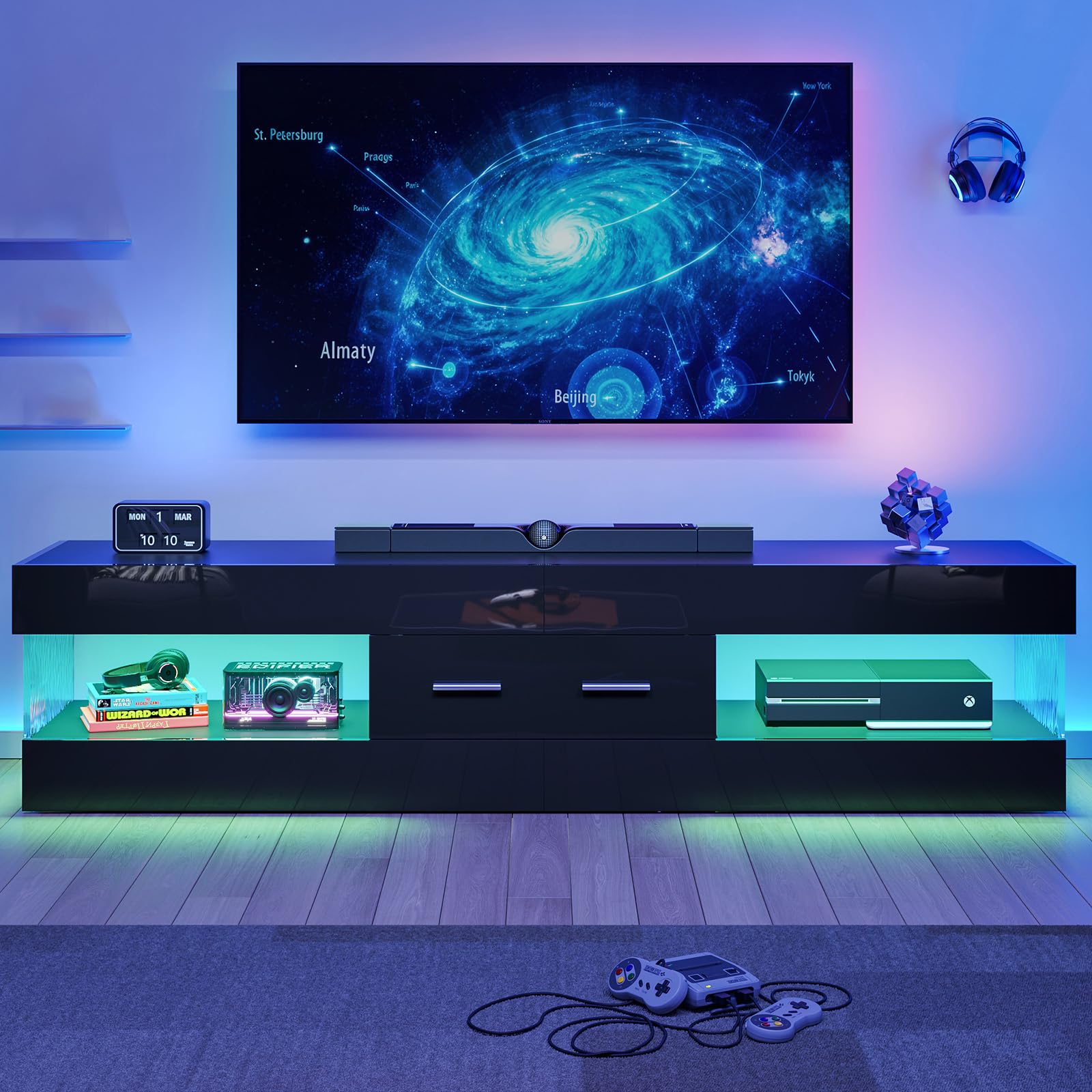


Stand Styles at a Glance
Three broad styles cover most homes. An enclosed cabinet stand hides gear behind doors and gives a large TV a solid, grounded look. An open shelf media console keeps receivers and game consoles easy to reach and well aired. A fireplace stand adds an electric heating insert, so it works as both furniture and a secondary heat source on cool evenings.
Three Stand Styles Compared
Enclosed Cabinet Stands
An enclosed cabinet stand is the classic choice for a family living room. Doors close over consoles, discs, and remotes, so the room looks calm even when your gear collection is not. Look for doors that sit square, hinges that close without dropping, and at least one interior shelf you can move to fit a taller receiver. The trade off is airflow, so choose a back panel with cutouts or leave space behind the unit for warm air to escape.
Open Shelf Media Consoles
An open shelf console suits viewers who swap devices often or run a warm receiver and several consoles at once. With no doors in the way, cables are easier to route, remote signals reach every device, and heat drifts away instead of building up inside a closed box. The downside is dust and visible clutter, so this style rewards people who tidy cables into trays or sleeves.
Fireplace TV Stands
A fireplace stand pairs a media cabinet with an electric insert that gives off flame effect light and gentle heat. It suits rooms where the TV wall is also the natural focal point, such as a living room without a working fireplace. Check the insert size, the stated heat coverage, and whether the flame and heat can run separately in warm months. If this style appeals to you, our guide to the best fireplace tv stand covers heaters and sizing in more depth.
What to Compare in a 75 Inch TV Stand
A large screen makes a few factors important. Check size and weight capacity first, then build quality and materials, then how practical the stand is to assemble and live with, including cable routing and shelf layout. Also note warranty length and what it covers. Maker specifications and patterns in buyer feedback are the best sources.
How to Choose the Right TV Stand
Size and Form Factor
Start with the width of the TV itself, not the diagonal on the box. A 75 inch panel is roughly 66 inches wide, so a stand in the 70 to 80 inch range leaves a few inches of surface on each side and looks balanced. Depth of about 14 to 20 inches holds most consoles without crowding. If you are still matching stand size to screen size, our guide to the best tv stand for 75 inch tv explains the pairing from the TV side.
Type and Room Layout
Let the room pick the form. A standard cabinet stand suits most walls, while a corner unit turns an awkward angle into the viewing spot in an L shaped room. Floating and wall mounted styles free up floor space and give a clean modern look, but they need solid wall studs and careful cable planning. Tall stands raise the screen for bedroom viewing from a bed, while low profile consoles keep the screen center closer to sofa eye level in a living room.
Features Worth Paying For
Storage and cable management earn their cost every day, because a large setup usually means a soundbar, a streamer, a console, and a tangle of cords. Built in power outlets help when wall sockets sit far from the TV wall, and LED lighting can add soft backlight for evening viewing. A mount bracket built into the stand raises the panel and frees the top surface for a soundbar. Skip extras you will not use, since each one adds parts, weight, and assembly time.
TV Size and Weight Capacity
A 75 inch TV often weighs about 50 to 90 pounds before you add a soundbar or a stack of devices on the same surface. Add up everything the top shelf will carry, then choose a stand rated comfortably above that total, not one that barely meets it. A rating with headroom also matters if guests lean on the unit or a child bumps it. Check the rating for the top surface itself, since some stands rate each shelf differently.
Adjustability
On a TV stand, adjustability means movable interior shelves, leveling feet, and, on mount styles, a bracket that tilts or swivels. Movable shelves let a tall center channel speaker and a short streamer share one cabinet. Leveling feet matter more at this width than on small stands, because a slight floor slope can leave a long unit rocking or a door swinging on its own. A tilting bracket helps cut glare from windows opposite the screen.
Materials and Durability
Solid wood is the strongest and heaviest option, and it can be refinished when the surface wears. Engineered wood with a good veneer or laminate costs less and resists warping, but check the panel thickness and edge finish, since thin panels flex under a heavy TV. Metal and glass designs look light and modern, though glass tops show dust and need a strong load rating. Whatever the material, look for a stiff back panel and firm joints, because racking side to side is what loosens a stand over time.
Assembly and Warranty
Most stands at this size arrive flat packed and take two people about one to two hours to build, mainly because the long panels are awkward to hold alone. Read the panel and hardware counts before you start, keep parts for each step separate, and tighten fasteners fully only once the frame sits square. Our step by step guide on how to assemble a tv stand walks through the process in order. A warranty of at least a year on parts is typical, and longer cover on a fireplace insert is a plus.
How Much Should You Spend?
Under $100, expect simple open shelf designs in thinner engineered wood, suited to light setups and spare rooms. Between about $100 to $200, build quality steps up with thicker panels, better hardware, and some closed storage. Between about $200 to $300, you will see solid finishes, soft closing doors, and stronger load ratings. From about $300 to $500, expect premium materials, fireplace inserts, or mount brackets included, along with longer warranties and more careful packaging.
Is a 75 Inch TV Stand the Right Size for You?
Choose this size when your TV is 75 inches or close to it and the room gives you a wall wide enough for a 70 to 80 inch unit plus walking space at each end. Measure your viewing distance too, since a big screen feels best from roughly 8 to 12 feet back in most rooms. If that span leaves you cramped, step down a size and check our guide to the best 65 inch tv stand instead, because a smaller stand on a smaller screen will look and feel more balanced.
Before ordering, run through the sizing questions in what size tv stand do i need with your tape measure in hand. Confirm the doorway and stair turns on the delivery path as well, because long flat pack boxes can be hard to angle through tight halls.
Common Mistakes to Avoid
- Buying by diagonal alone, then finding the stand narrower than the panel and the TV feet near the edges.
- Ignoring the load rating and stacking a heavy TV, soundbar, and receiver on a top shelf rated for less.
- Closing hot consoles inside a cabinet with no back cutouts, so heat builds up and fans run loud.
- Skipping the anti tip strap, even though a tall heavy screen on a stand can pull forward if a child climbs the shelves.
- Placing the stand before planning cables, then pinching cords behind a unit that is too heavy to move once loaded.
FAQs
What is the best 75 inch tv stand?
The right answer depends on your room and gear. An enclosed cabinet suits families who want clutter hidden, an open console suits setups with several warm devices, and a fireplace stand suits rooms that need a focal point. Whichever style you pick, the best 75 inch tv stand for you is the one whose width and load rating match your TV with room to spare and whose storage fits everything you plug into the screen.
What size TV stand do I need for a 75 inch TV?
Think in three dimensions rather than width alone. Height matters because the center of the screen should sit near your eye level when seated, which often points to a stand about 20 to 30 inches tall on a typical sofa. Depth matters because the TV feet need full support front to back, with space behind the panel for cables to bend without strain. Check the foot spacing on your exact TV model, since wide set feet need a longer top than a center pedestal does.
How long does a TV stand last?
A well built stand usually lasts as long as the furniture around it. Solid wood and thick engineered panels hold their joints for many years, while thin panels and worn cam locks tend to loosen first. You can extend the life of any stand by keeping it level, keeping weight within the rating, and retightening hardware once a year. Replace a stand if the top sags visibly, a leg cracks, or the frame racks even after tightening.
Is a TV stand worth it if I could wall mount the TV?
For many homes, yes, because a stand gives you storage and a home for devices that a bare wall mount leaves scattered. It also avoids drilling into studs, which matters for renters and for walls of plaster or masonry. A mount can still be the better call in a very tight room or where toddlers push on furniture. Some stands blend both ideas with a built in bracket, so you gain storage and a raised screen in one piece.
How do you clean a TV stand?
Dust weekly with a dry or slightly damp soft cloth, working from the top down so dust falls to the floor last. For wood and laminate, skip soaking sprays and wipe spills at once, since standing moisture can lift a veneer edge. Glass cleaner on a cloth, not sprayed on the surface, keeps glass shelves clear without drips reaching the electronics below. Once or twice a year, pull devices out and vacuum the cable area, where dust gathers thickest.
What is the most reliable TV stand brand?
No single maker leads on every style, so judge the individual stand rather than the name on the box. Signs of a dependable product include honest load ratings, spare hardware in the box, clear instructions, and a warranty the maker states in writing. Recent buyer feedback on wobble, damaged corners, and door alignment tells you more about reliability than any brand reputation.
Final Thoughts
Match the stand to the screen first, then to the room and the gear it must hold. When the width, load rating, and storage all fit, any of the three styles above can carry a big screen safely and look good doing it. Use the product table above to compare the styles side by side, then choose the best 75 inch tv stand for your space with confidence. For a broader look at every size, see our guide to the best tv stand for the full range.