
Best 65 Inch TV Stand for 2026: A Buying Guide and Checklist
Disclosure: We may earn a commission when you buy through links on this page, at no extra cost to you. As an Amazon Associate I earn from qualifying purchases. Learn more

Sizing a stand for a 65 inch TV? Check width, depth, weight rating, storage and cable management before you order.
A 65 inch TV looks simple to support until you measure it. The screen is about 57 inches wide, and a stand that is too narrow, too shallow or too low can leave the TV looking crowded and feeling unstable. Choosing the best 65 inch tv stand starts with fit, not style, and the comparison table below lets you check width, height and storage side by side.
This guide walks you through the sizing math, the main stand types, the features that earn their cost and the assembly details that matter after delivery.
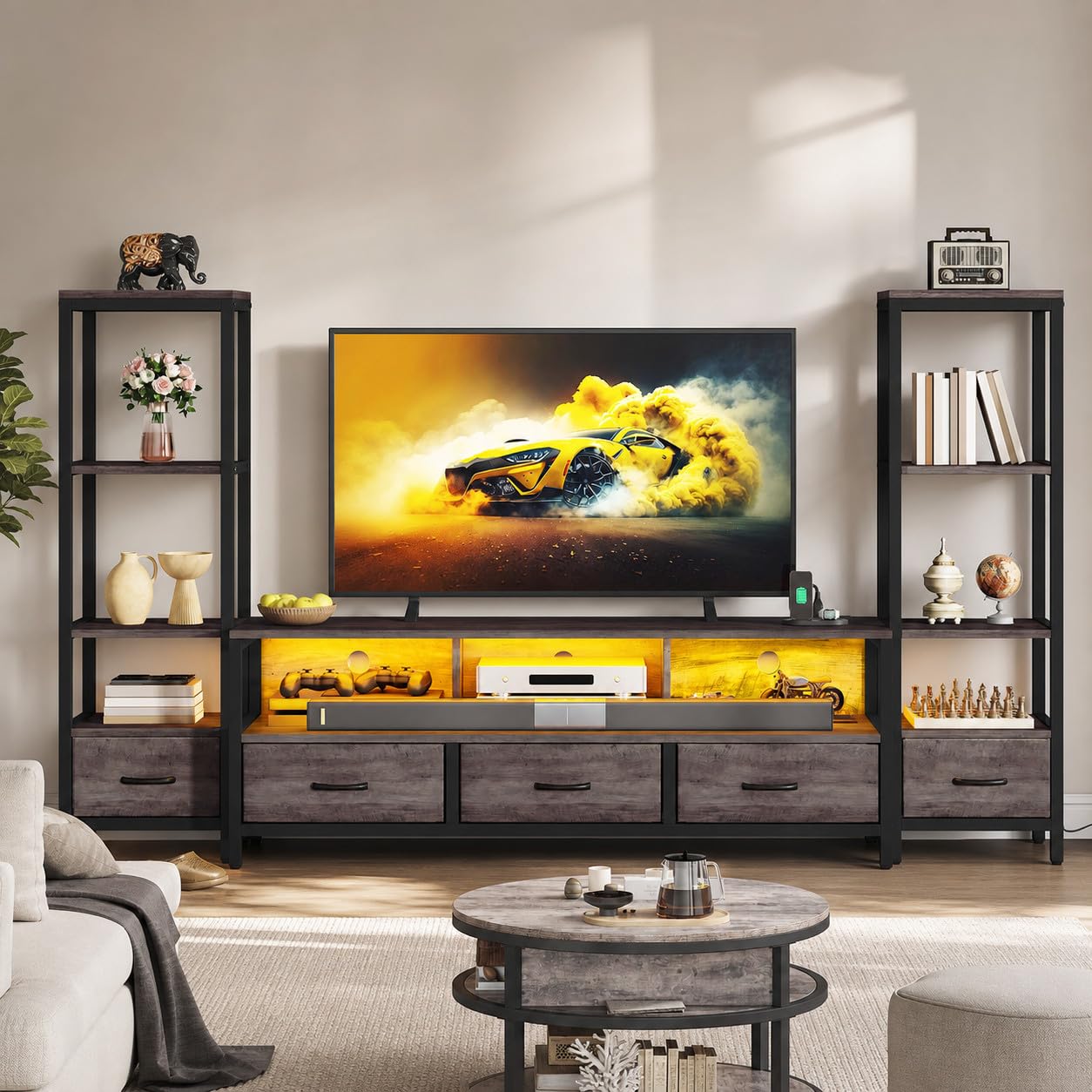

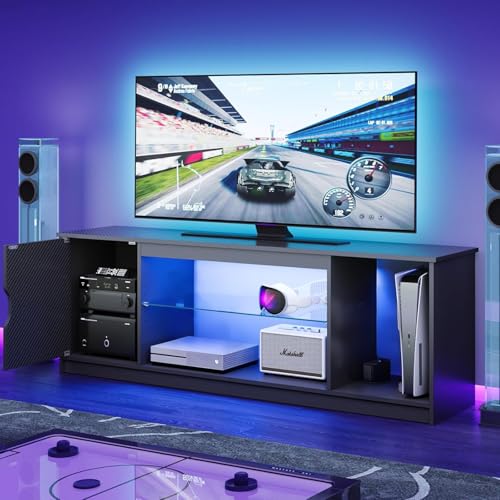

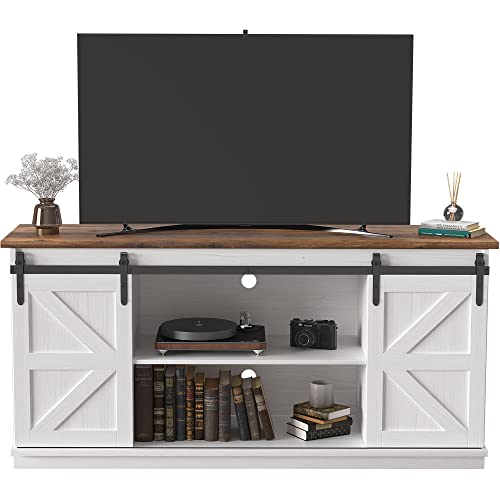


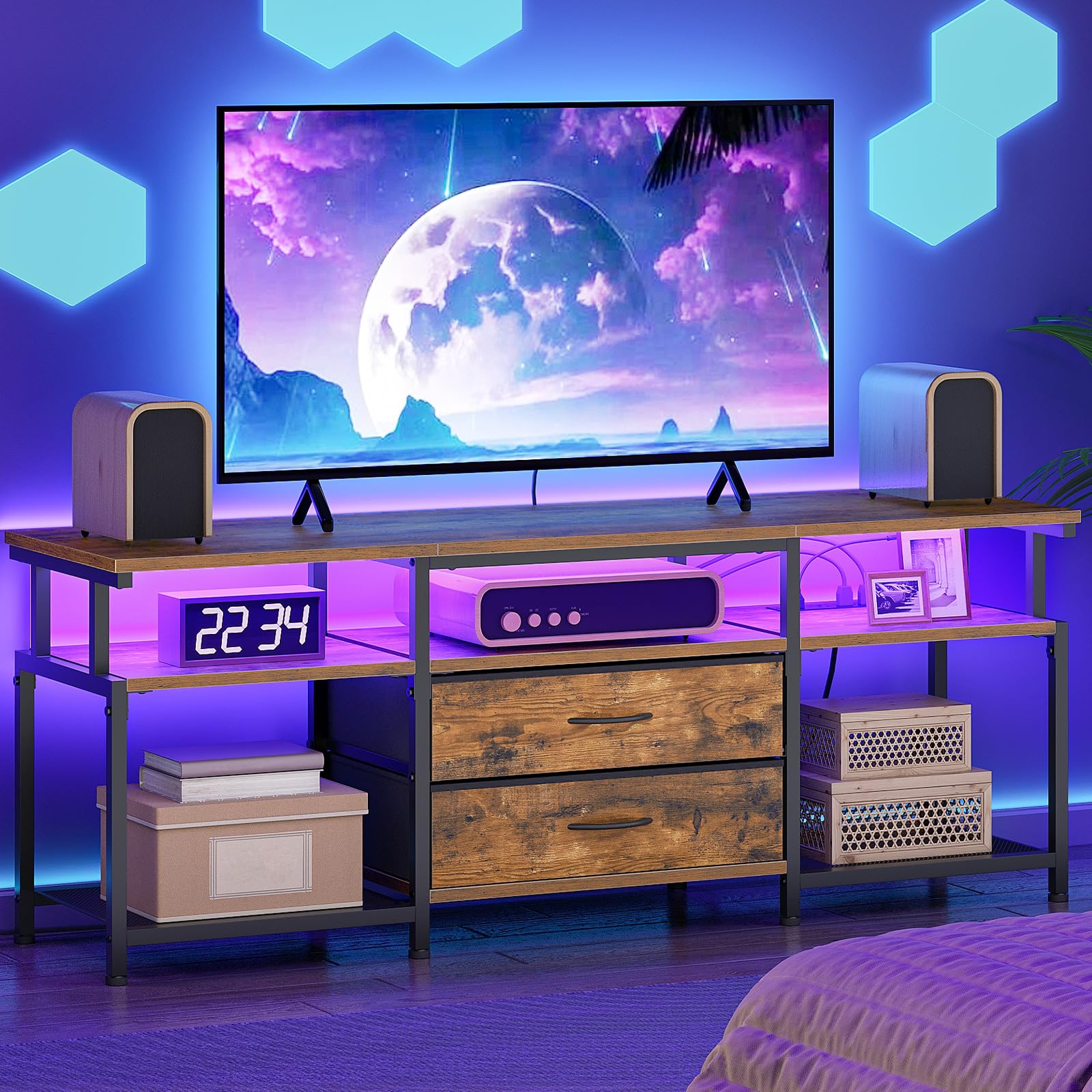
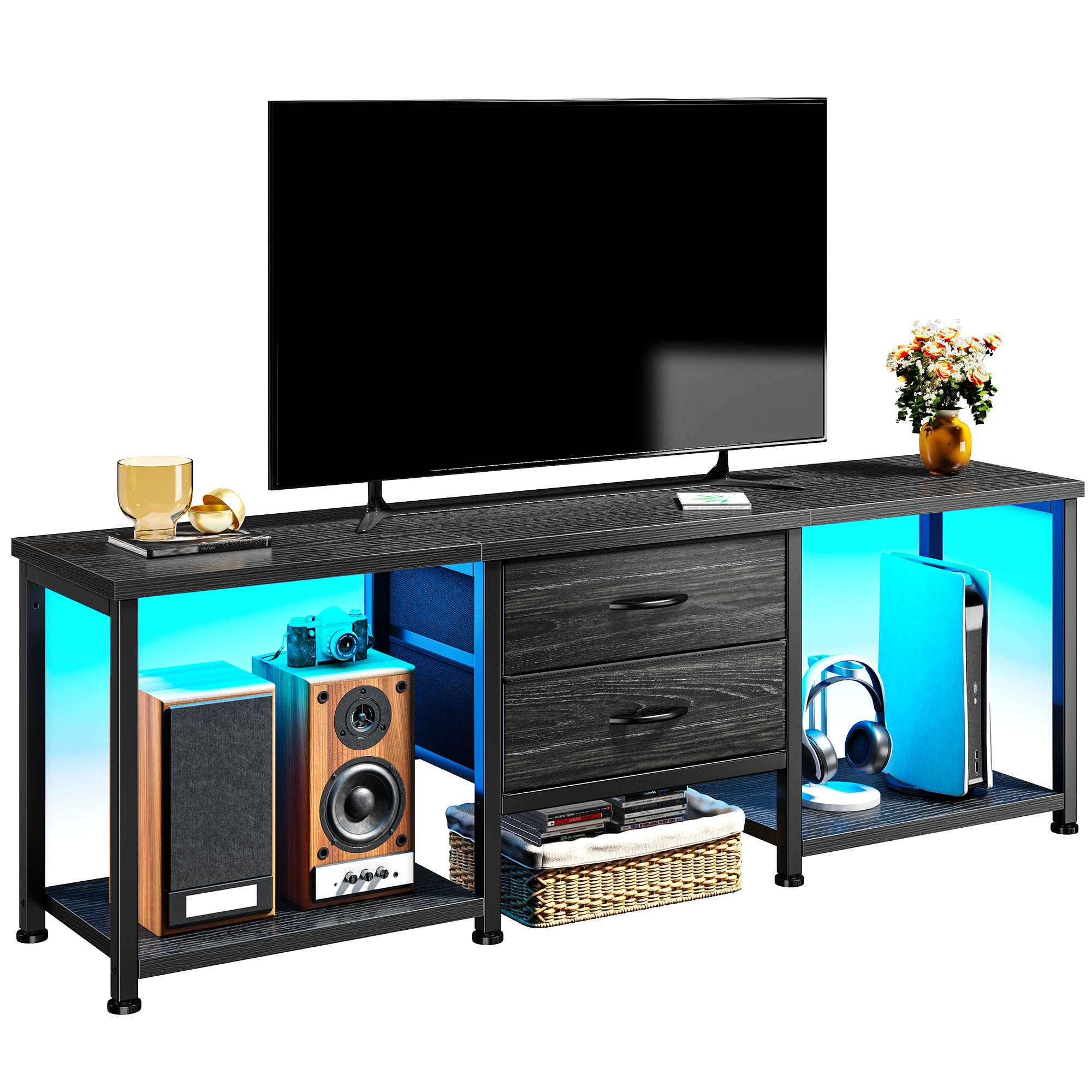
Three Buying Profiles and What to Prioritise
Most shoppers fall into one of three groups, and each group should rank the same features in a different order. Start with the profile that sounds like your home, then use the product table above to check the numbers that matter most for that profile.
The tidy living room with lots of gear
If you own a soundbar, a game console, a streaming box and a router, storage and cable routing should top your list. Look for a stand at least 65 inches wide with closed cabinets or deep shelves, rear cutouts for cords and enough shelf height for a center channel speaker. Ventilation matters too, because consoles run warm inside closed doors. A slightly deeper cabinet, around 16 to 18 inches, gives plugs and cables room behind each device instead of pressing against the back panel.
The renter who wants a clean look on a budget
If you rent or move often, prioritise a stand that is light enough to shift, simple to assemble and kind to your floor. Open shelving and a simple frame in engineered wood usually cost less and weigh less than a solid cabinet. Check that the design still hides the power strip, because an open back can leave cords on show. Felt pads under the legs protect hardwood, and a width near 60 to 70 inches keeps the piece useful if you later buy a larger TV.
The movie lover building a long term setup
If your TV is the center of the room and you plan to keep it for years, build quality deserves the biggest share of your budget. Solid wood or a sturdy mix of wood and steel tends to feel firmer, wobble less and hold heavier audio gear. Look for a higher weight rating, soft close doors and a finish that can be cleaned or touched up. If you are also comparing sizes for a future upgrade, our guide to the best tv stand covers wider and narrower options in one place.
How to Evaluate a 65 Inch TV Stand
A fair evaluation rests on five checks you can make from the product page and the manual before you order. First, confirm the stand width against the actual width of your TV, not the screen size on the box. Second, check the weight rating against the combined weight of the TV and everything on the shelves. Third, read the material and joinery details, because they predict wobble and sag. Fourth, review the assembly steps and hardware list. Fifth, check the warranty length and what it covers.
Owner reviews add useful detail when you read them for patterns rather than star counts. Repeated comments about missing hardware, doors that hang crooked or shelves that bow tell you more than a single glowing summary.
How to Choose the Right TV Stand
Size and form factor
TV sizes are measured diagonally, so a 65 inch screen is roughly 57 inches wide and about 33 inches tall without its feet. Your stand should be at least as wide as the TV and ideally about 3 to 6 inches wider on each side, which points to a stand roughly 63 to 70 inches wide. Depth matters as well. Most TV feet need about 10 to 13 inches of depth, and a stand depth of 15 to 18 inches leaves a safe margin front and back. If you are unsure how these numbers scale to other screens, the guide on what size tv stand do i need walks through the measuring method step by step.
Type and style
Console stands are the most common choice, with open shelves, closed cabinets or a mix of both under a flat top. Corner stands tuck into an unused corner and suit rooms where the seating faces a diagonal, though their shelves are often smaller. Floating and wall mounted designs lift the cabinet off the floor, which makes cleaning underneath easy, but they need solid wall studs and careful drilling. Fireplace stands add an electric insert for warmth and ambience, and our guide to the best fireplace tv stand explains the heating and safety points to check. Match the style to the room after the type fits your space.
Features worth paying for
Cable management is the feature almost everyone uses daily, so look for rear cutouts, channels or a removable back panel. Built in power outlets and USB ports reduce the cord run to the wall, though you should confirm the strip carries a safety certification. Adjustable shelves help because consoles and speakers vary in height, and soft close hinges keep doors quiet during late night viewing. LED lighting is mostly decorative. A built in mount can help in bright rooms, but it adds cost and assembly time.
Weight capacity and stability
Add up the weight of your TV, soundbar and stored gear, then choose a stand rated comfortably above that total. Many 65 inch TVs weigh about 45 to 60 pounds, and a stand rated for around 100 pounds or more gives a sensible margin. Wide feet or a solid base spread the load better than four slim legs on a long span. If children or large pets live in your home, use the anti tip hardware in the box and anchor the stand or the TV to the wall, because a tall screen on a stand can pull forward if a child climbs the shelves.
Height and viewing comfort
The center of your screen should sit close to eye level when you are seated, which for most sofas means a screen center about 40 to 44 inches from the floor. Since the TV adds roughly half its height above the stand top, a stand height of about 20 to 26 inches usually lands the picture in that range. A stand that is too tall forces you to tilt your head up, and one that is too low makes the screen compete with coffee tables and knees. Measure your seat height first, then do the simple math before you fall for a design.
Materials and durability
Solid wood is the most durable and the easiest to repair, but it is heavy and usually costs the most. Engineered wood with a quality veneer or laminate offers many finishes at lower prices, and its weakness is edge damage and sagging on long unsupported shelves. Metal frames paired with wood or glass shelves feel firm and suit modern rooms, though glass tops show dust fast. Whatever the material, check shelf thickness and whether a center support leg is included, because a long shelf without support is the part most likely to bow under a heavy receiver.
Assembly and warranty
Most stands arrive flat packed and take about one to two hours to build with a screwdriver and a drill for the wall anchor. Clear instructions, labeled parts and spare hardware make a real difference. Before you start, read our walkthrough on how to assemble a tv stand for the order of steps that prevents wobbly results. Warranties on furniture are often short, around one year, so a longer term on the frame is a plus.
How much should you spend?
Basic open stands often cost under $100 and suit light TVs and simple setups, though materials and weight ratings are modest. The middle range, about $100 to $300, is where most buyers find the best mix of size, storage and finish. Spending about $300 to $500 usually buys sturdier construction, better hardware and features such as a fireplace insert or a built in mount. Set your budget after you know the width and storage you need, not before.
Is a 65 Inch TV Stand the Right Size for You?
A stand in the 65 inch class suits medium and large living rooms where the seating sits about 7 to 10 feet from the screen. That distance keeps a 65 inch picture immersive without forcing your eyes to scan. In a small apartment, the same stand can dominate the wall, and a narrower design paired with a smaller screen may feel calmer. Shoppers weighing a smaller screen can compare our guide to the best 55 inch tv stand for stands that fit tighter spaces.
Room layout matters as much as room size. Leave a few inches of breathing room on each side of the stand so the wall does not look crowded, and check that doors, drawers and walkways clear the front of the cabinet. Think about the next TV you might buy too. A stand near 70 inches wide can also support a 75 inch screen later, which makes it the smarter long term buy.
How to Make Your TV Stand Last Longer
Dust the surfaces with a soft dry cloth each week and wipe spills right away, because standing liquid can swell engineered wood and lift veneer. Keep the stand out of direct sun where you can, since strong light fades finishes unevenly. Tighten the cam locks and leg bolts every few months, as small shifts in the floor can loosen them. Use coasters under drinks and felt pads under speakers, and lift the stand rather than dragging it when you rearrange the room, because dragging racks the joints and can snap a leg.
Frequently Asked Questions
What is the best 65 inch tv stand for a typical living room?
For a typical living room, the strongest choice is a stand about 65 to 70 inches wide, 15 to 18 inches deep and rated well above the weight of your TV and gear. Closed storage with cable cutouts keeps the setup tidy, and adjustable shelves handle consoles of different heights. One point buyers often miss is the soundbar: leave a shelf or top space at least 40 inches wide and 4 inches tall so the bar is not muffled inside a tight compartment.
What size TV stand do I need for a 65 inch TV?
You need a stand at least as wide as the TV itself, which is about 57 inches for a 65 inch screen, and wider is safer and better looking. Aim for roughly 63 to 70 inches so the screen does not overhang the edges. Also check the footprint of the TV feet rather than the screen alone, because some models place wide feet near the corners. If the feet spread wider than the stand top, a center pedestal TV or a soundbar shelf will not fix the fit, so choose a wider stand.
How long does a TV stand last?
A well built TV stand commonly lasts about 7 to 15 years, with solid wood at the long end and light flat packed designs at the short end. The real lifespan depends on how often you move it, since each disassembly weakens cam locks and screw holes. If you move homes often, a metal framed stand that bolts together tends to survive repeated builds better than one held by wooden dowels. Replace any stand that leans, rocks or shows a cracked top panel.
Is a TV stand worth it compared with wall mounting?
A TV stand is worth it when you need storage, rent your home or want the freedom to rearrange the room without patching holes. Wall mounting gives a cleaner look and saves floor space, but it offers nowhere to put a console or receiver. Many households split the difference by mounting the TV and keeping a low console under it for gear.
How do you clean a TV stand without damaging the finish?
Start with a dry microfiber cloth for dust, then use a cloth dampened with water and a drop of mild soap for sticky marks. Wipe dry right away so moisture does not sit on seams or edges. Skip abrasive pads and strong sprays, which can dull laminate and strip veneer. For glass shelves, a vinegar and water mix cuts fingerprints well. Clean the rear vents and cable area too, because dust buildup there traps heat around your consoles.
Which features make a 65 inch TV stand reliable over time?
Reliability comes from a rated weight capacity with real margin, thick shelves with center support, metal hardware instead of plastic cams and a finish that resists heat and moisture. Makers that publish clear specs, stock spare parts and offer a frame warranty of more than a year tend to support their furniture longer. Check that replacement hinges and shelf pins are listed for sale, because small parts are what you will actually need years later.
Final Thoughts
The right stand is the one that fits your TV with room to spare, hides your cables, holds your gear without sagging and places the screen at a comfortable height. Use the product table above to compare widths, depths and storage layouts against the measurements in this guide. When you settle on the best 65 inch tv stand for your room, you will feel the difference every time you sit down to watch, in comfort, in tidiness and in how settled the whole setup feels.


