Best 100 Inch TV Stand (2026): How to Choose
Disclosure: We may earn a commission when you buy through links on this page, at no extra cost to you. As an Amazon Associate I earn from qualifying purchases. Learn more

A practical guide to the best 100 inch tv stand: what matters, what to skip and how to avoid common buying mistakes.
A stand for a 100 inch TV is a serious piece of furniture, and choosing the wrong one is an expensive mistake. The best 100 inch tv stand must be wider than the screen, strong enough for a heavy panel, and stable on your floor. This guide compares the main types by viewing comfort, build quality, materials, and value, and the comparison table below sums up the key differences.
Screen width, stand depth, weight rating, and viewing height decide whether a console works in your room far more than looks alone. Our broader guide to the best tv stand covers smaller setups if your screen turns out to be more modest than you thought.
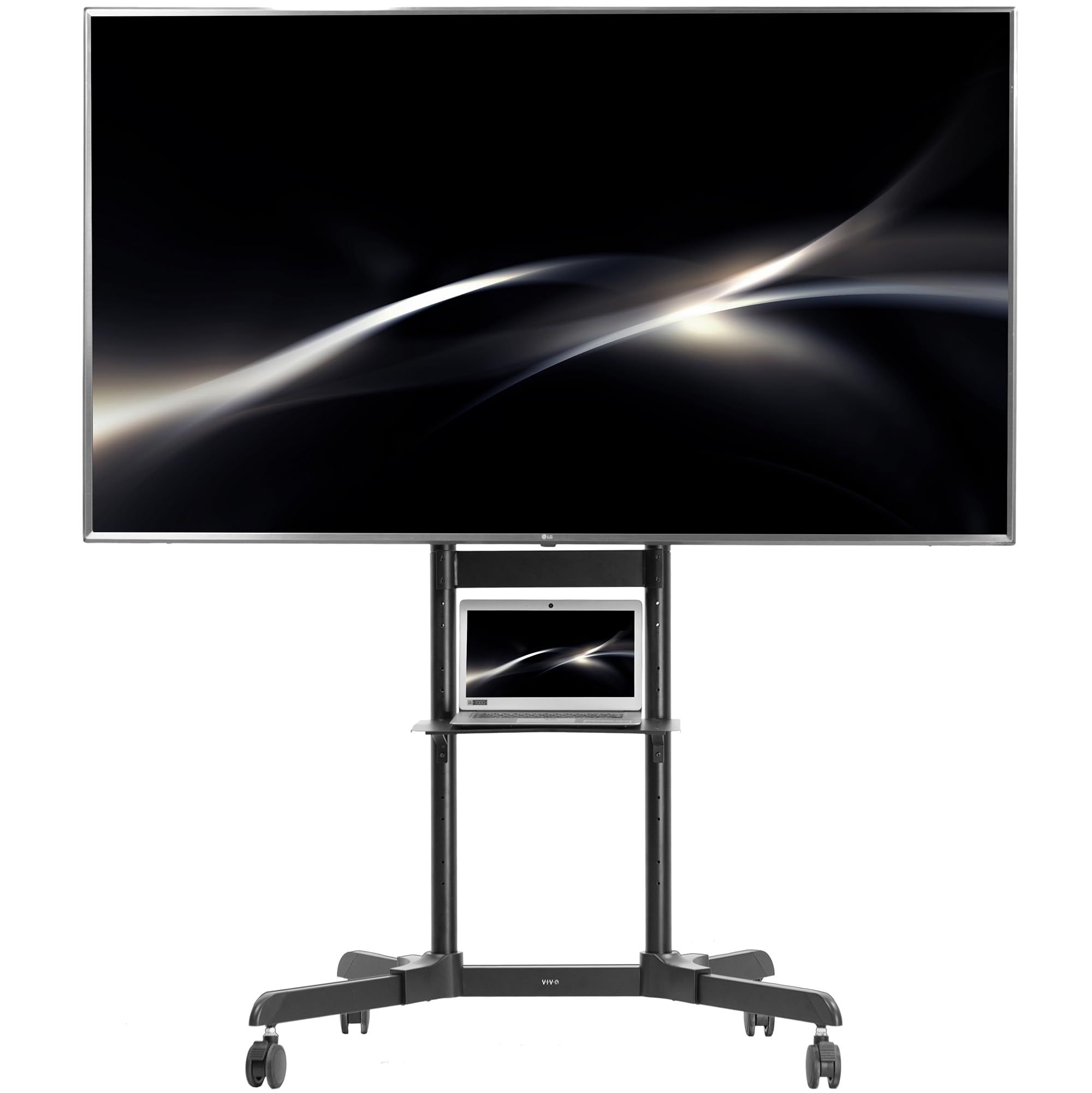


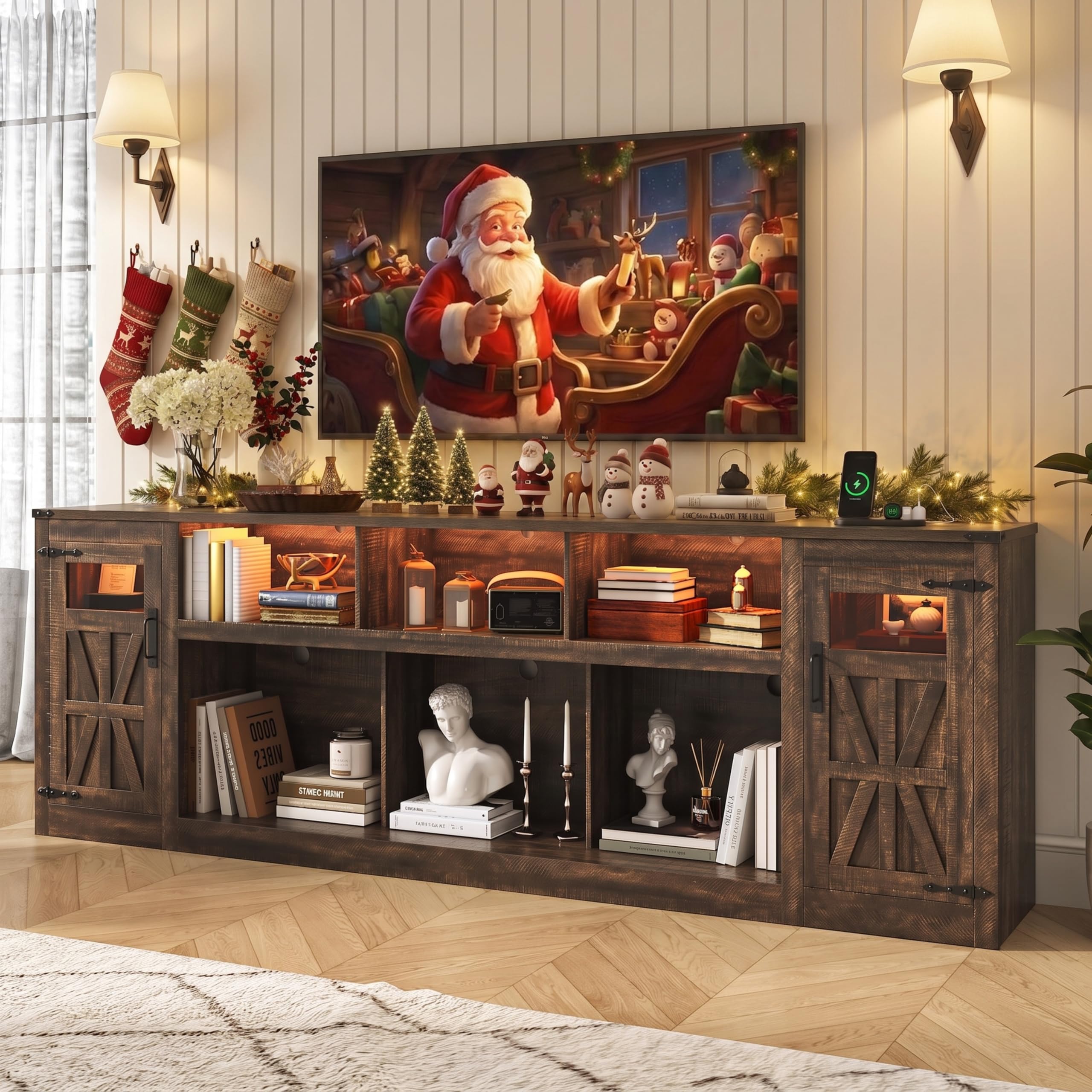
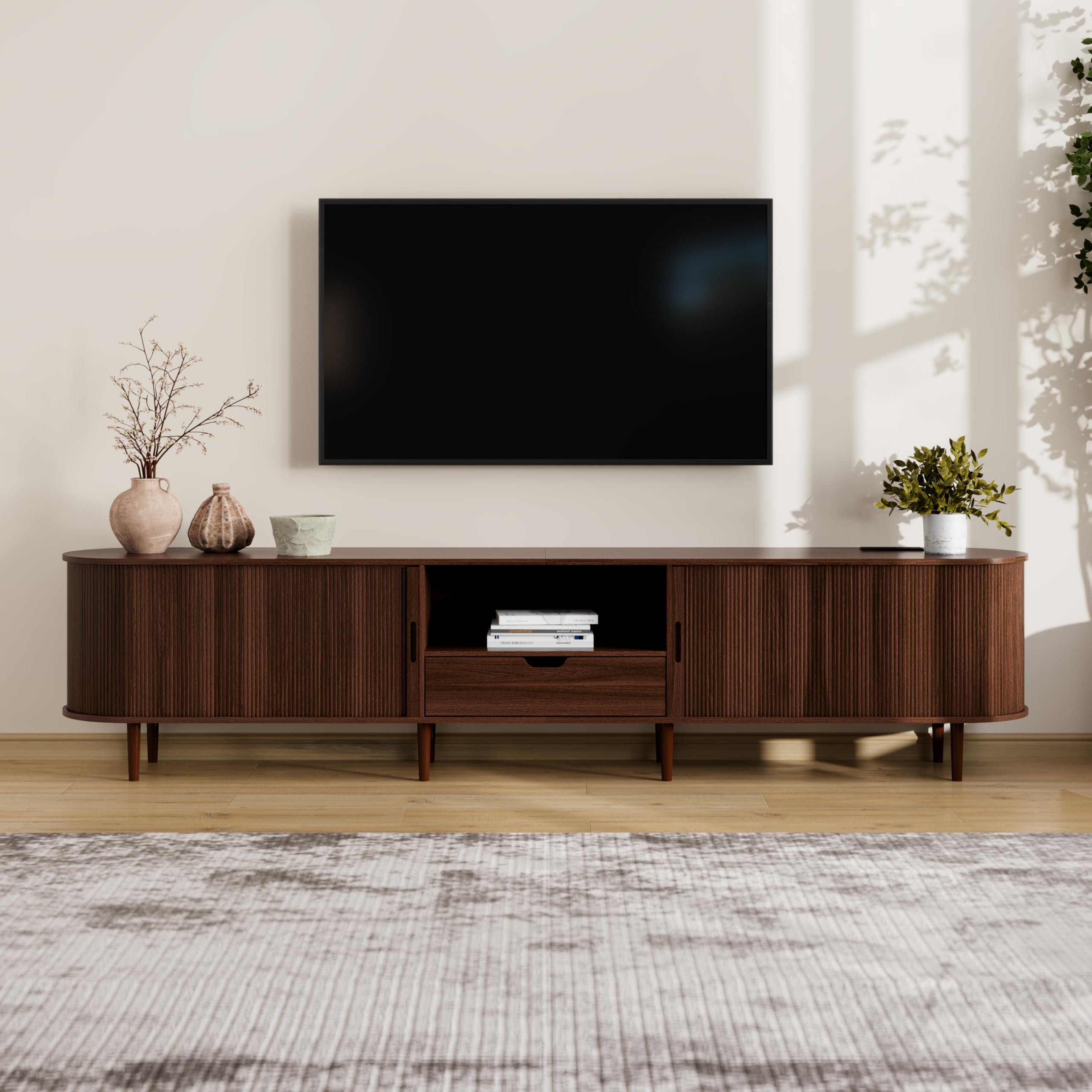

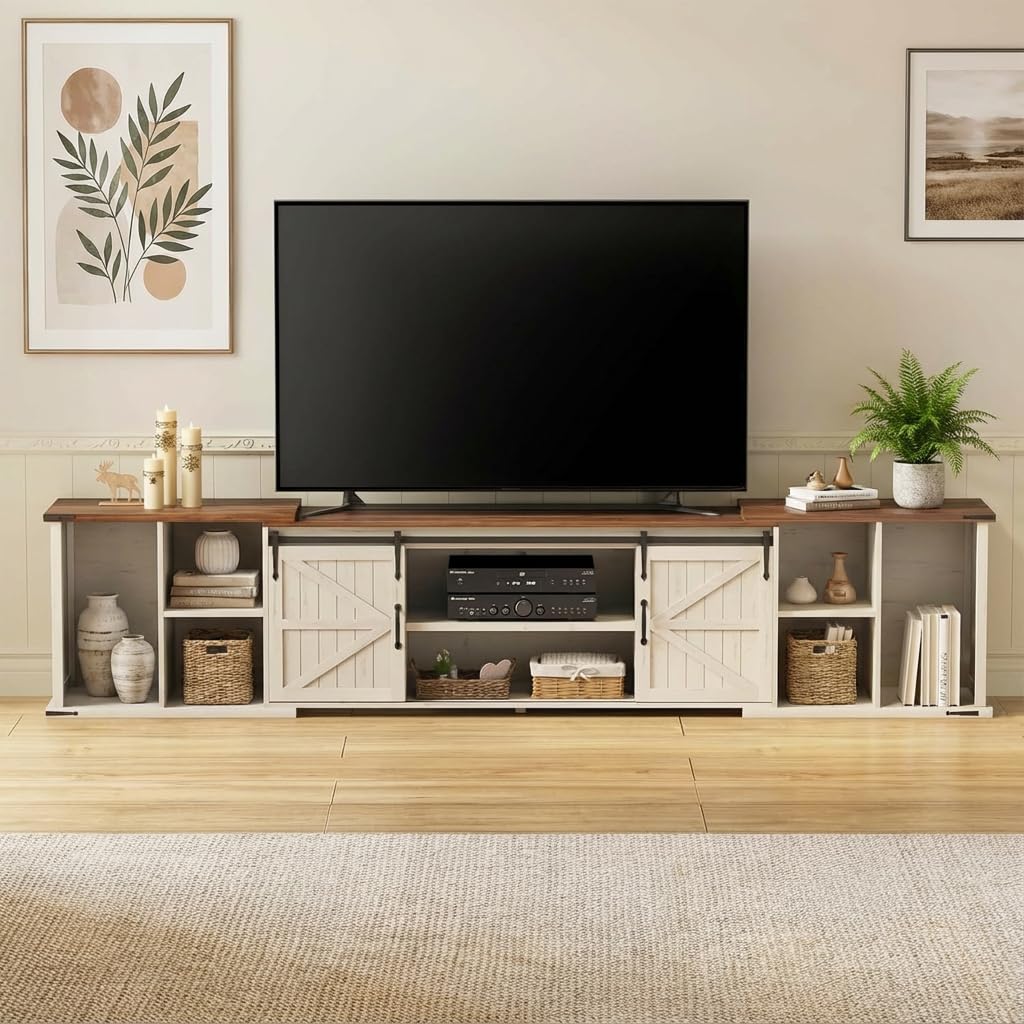
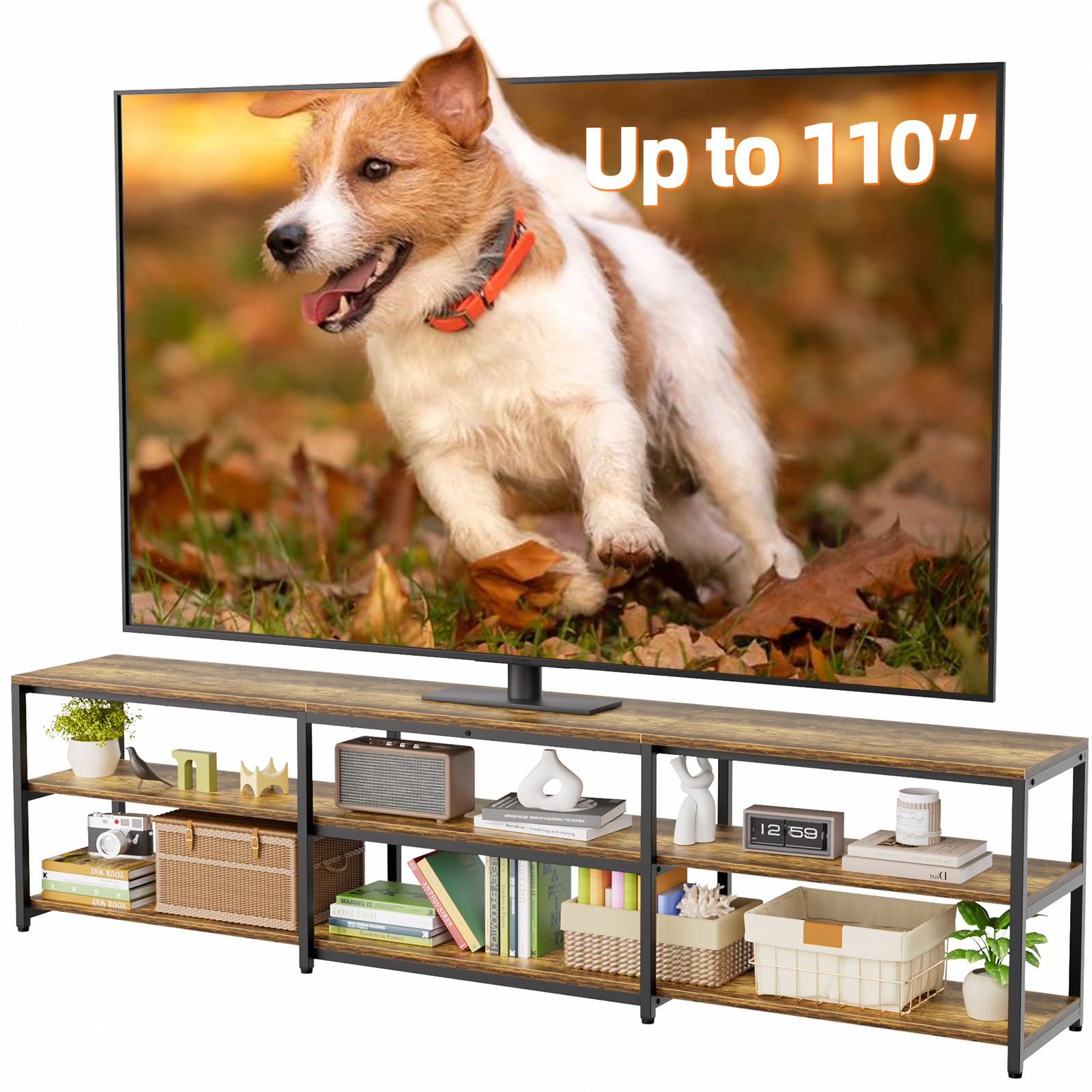

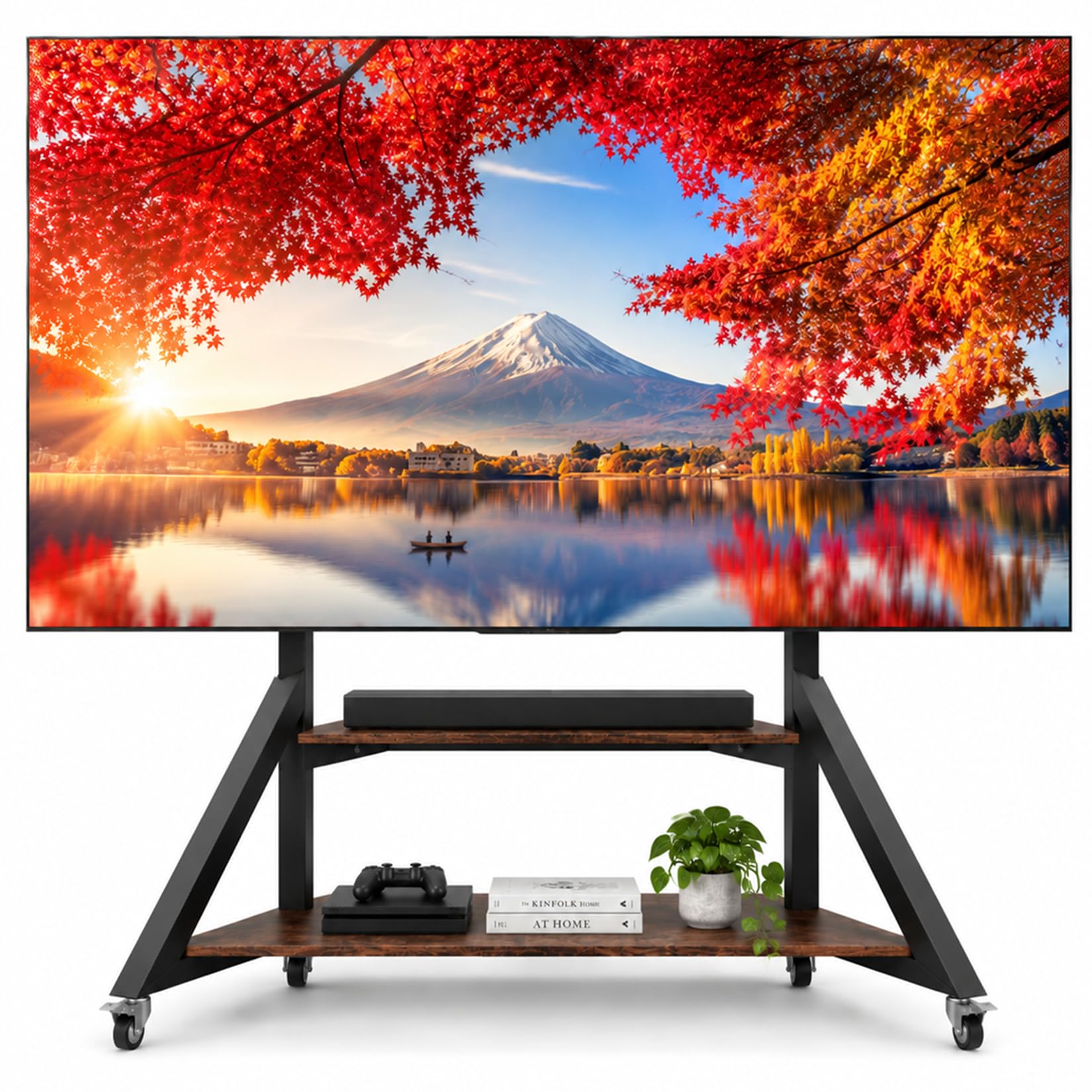
Types of 100 Inch TV Stands Compared
Instead of ranking individual models, this guide compares the three console types that dominate this size class. Each type holds the same screen, yet they differ a lot in storage, airflow, room presence, and price.
Open Console Type
An open console has exposed shelves and no doors, so your receiver, console, and soundbar stay easy to reach and easy to cool. Air moves freely around warm electronics, and cables are simple to route because nothing blocks the back. This type suits a dedicated media room where gear changes often and quick access matters more than a tidy front.
Enclosed Cabinet Type
An enclosed cabinet hides your gear behind doors, giving the room a calm furniture look even when the system inside is large. Doors keep dust off components and keep curious hands and paws away from knobs and discs. Check that the back panel has generous cable openings and that shelves can move, since a tall receiver may not fit a fixed shelf spacing. Ventilation matters here, so leave space around warm equipment and avoid packing every shelf full.
Fireplace and Media Center Type
The largest type pairs the console with an electric fireplace insert, side towers, or a full wall unit around the screen. It anchors a big room and gives a 100 inch panel the visual weight it needs so the screen does not float on a bare wall. If this format appeals to you, compare it with the options in our guide to the best fireplace tv stand before committing to the extra depth and cost.
How We Chose the Criteria in This Guide
We built the criteria in this guide from manufacturer specifications, stated weight ratings, and patterns in verified buyer feedback about sagging shelves, damaged panels, and assembly trouble. The factors are viewing comfort and adjustability, build quality and materials, size and weight capacity, assembly, and warranty coverage.
How to Choose the Right TV Stand
Size and Form Factor
A 100 inch screen measures about 88 inches wide in a straight line across its frame, and the stand should extend at least 2 to 4 inches beyond the panel on each side. That overhang protects the screen corners and keeps the setup from looking top heavy. Depth matters too, since most consoles in this class run about 15 to 20 inches deep and the TV feet must sit fully on the top surface.
Type and Style
Style options in this size include modern, farmhouse, and mid century looks, plus floating and corner formats for tricky rooms. A floating unit frees floor space and eases cleaning, but it demands solid wall studs and a much higher weight rating from the mounting hardware. A corner format wastes less floor area yet limits how wide the console can be, which can rule it out for a full 100 inch panel.
Features Worth Paying For
The features that earn their cost at this size are enclosed storage for clutter, doors that keep dust out, built in power outlets for tidy charging, and an integrated mount that lifts the panel off the top surface. LED lights add mood in a dark room, though they do nothing for support or storage, so treat them as a bonus rather than a reason to buy. Spend first on the frame, the top panel thickness, and the quality of the shelf supports, because those parts carry the load every day.
TV Size and Weight Capacity
Check the rated capacity, not the marketing headline, and keep a safety margin between the rating and your actual load. A 100 inch TV can weigh about 100 to 140 pounds on its own, and a soundbar, receiver, and consoles add more. The rating should exceed your total load by at least a quarter, so a stand rated for about 200 pounds gives sensible headroom for most setups. Even owners of smaller screens face the same math, as readers of our guide to the best tv stand for 75 inch tv will recognize.
Adjustability
Adjustability on a TV stand means viewing height, shelf spacing, and leveling, not the lumbar and arm controls you would find on a chair. A mount equipped model lets you raise the panel so its center sits near eye level from your seat, which reduces neck strain during long films. Movable shelves let you fit a tall center channel speaker or a short games console without wasted space. Leveling feet matter on older floors, because a slight tilt in a stand this wide shows up as a visible lean at the far end.
Materials and Durability
Solid wood is the strongest and heaviest choice, and it can be refinished when the surface wears. Engineered wood with a quality veneer costs less and resists warping, but a thin top panel can sag under a panel this heavy, so check the stated thickness and the span between supports. Metal frames add strength with a slimmer profile and suit modern rooms, though they offer less enclosed storage. Whatever the material, look for a reinforced center support leg on wide models, since the middle of an 88 inch span carries the most bend.
Assembly and Warranty
Expect assembly to take two people and a clear floor area larger than the finished console, because panels in this size are awkward to flip alone. Our walkthrough on how to assemble a tv stand covers the general sequence and the tools that help. Warranty terms vary from about one year to several years, and the useful ones cover structural failure of the frame and top panel, not just cosmetic defects in the finish.
How Much Should You Spend?
Basic open consoles in this size start at about $150 to $300, and they cover simple support and open storage well. Enclosed cabinets with better veneers and softer closing doors run about $300 to $600. Solid wood builds and full media centers with a fireplace insert reach about $600 to $1,200 and beyond. Set your budget after you know the type you need, since switching from an open console to a wall unit mid search makes every price look wrong.
Is a 100 Inch TV Stand the Right Size for You?
A stand this wide makes sense when your screen really is near 100 inches and your room gives you the viewing distance to enjoy it, roughly 10 to 14 feet from seat to screen for most viewers. In a smaller room, the console and screen together can crowd out seating and make dialogue sound boxy because speakers end up pushed into corners. Run through the questions in our guide on what size tv stand do i need if your measurements land close to the edge between sizes.
Also think about the doorway, not just the wall. Measure hall turns, stair landings, and door widths along the delivery path, since a fully built unit this wide may not make a tight corner even when flat packed panels do. If the room doubles as a guest space or a play area, an enclosed cabinet keeps the gear safer than an open console.
Buy for the TV you own now rather than a hoped for upgrade, since an oversized console under a smaller panel wastes floor space. If you currently run a 65 inch screen, the sizing advice in our guide to the best 65 inch tv stand will fit your room better today.
Common Mistakes to Avoid
- Buying by screen size alone and skipping the actual width, so the panel overhangs the stand and a bump can shift it.
- Trusting the headline weight rating without adding the soundbar, receiver, and consoles you plan to place on top.
- Pushing the console flat against the wall and strangling airflow, which lets enclosed gear run hot.
- Skipping the wall anchor strap, so a tall and loaded unit can tip if a child climbs the open doors.
- Assembling the unit in another room and then finding it cannot pass the doorway into the media room.
FAQ
What is the best 100 inch tv stand for a living room?
For most living rooms, the enclosed cabinet type is the strongest choice because it hides clutter, keeps dust off your gear, and looks like furniture when the screen is off. Either way, the best 100 inch tv stand for your space is the one whose width, depth, and weight rating match your panel with room to spare.
What size TV stand do I need for a 100 inch TV?
Measure the panel itself rather than trusting the class size on the box, because bezels differ between models and a 100 inch class screen can vary slightly in true width. One detail many buyers miss is foot placement. Some large TVs have feet near the outer edges rather than a center pedestal, so the stand top must be wide enough at both ends, not just in the middle.
How long does a 100 inch TV stand last?
A solid wood or metal frame stand can serve for decades, while an engineered wood console in a busy household often shows wear within about five to ten years at the edges and door hinges. Lifespan depends less on age than on load and moisture, so a stand kept under its rating and away from damp floors ages slowly.
Is a 100 inch TV stand worth it compared with a wall mount?
A stand earns its cost when you need storage, rent your home, or have walls that cannot carry a very heavy panel safely. A wall mount frees the floor and can look cleaner, but it leaves your receiver and consoles needing a separate home and makes cable changes harder. Many owners combine both ideas by using a stand for storage under a mounted screen.
How do you clean a 100 inch TV stand?
Dust the top surface weekly with a dry microfiber cloth, working from the back toward the front so grit does not get dragged under the TV feet. For sticky marks, use a cloth dampened with water only, then dry the spot at once, since standing moisture lifts veneer edges.
How can you tell whether a 100 inch TV stand is reliable?
Reliability shows in the details a product page lists plainly: a stated weight rating, a reinforced center support, metal shelf pins rather than plastic ones, and a warranty that covers the frame. Vague pages that promise strength without numbers are a warning sign.
Final Thoughts
Start with the measurements, choose the type that fits your gear and your room, and only then compare finishes and prices. The product table above pulls the main types together so you can see the trade offs at a glance. When the width, depth, and weight rating all line up with your panel, the best 100 inch tv stand stops being a gamble and becomes the quiet foundation of your whole viewing setup.