65 vs 75 Inch TV: Which One Fits Your Home Better? (2026)
Disclosure: We may earn a commission when you buy through links on this page, at no extra cost to you. As an Amazon Associate I earn from qualifying purchases. Learn more

65 vs 75 Inch TV: see how they differ in everyday use, features and value, and which one makes more sense for your home and budget.
Picture your family on a Friday night, with the sofa full and the old TV feeling a little small for the room. You have narrowed the choice to two sizes, and the debate over 65 vs 75 inch tv options is really about your seating, your wall space, and how your household watches together. This guide compares both sizes for shared living rooms, main bedrooms, and home offices. Use the comparison table below for a quick view, then read on for the details.
Neither size wins for every home. The larger screen suits group viewing and fills more of your view from the sofa. The smaller screen fits more rooms, costs less to buy and run, and is simpler to move and place. Your room and budget will point to one clear answer.



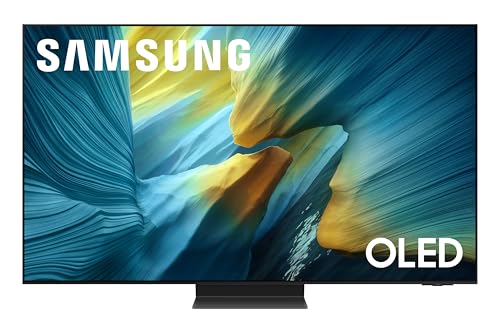

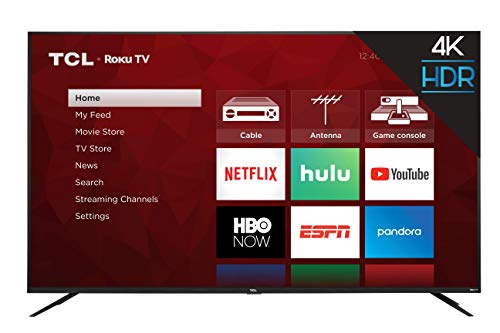

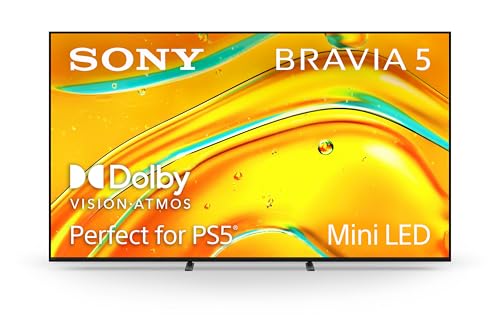

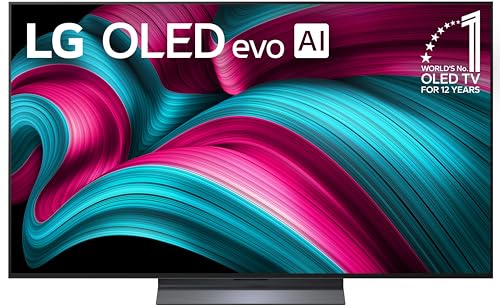
65 vs 75 Inch TV at a Glance
Both sizes share the same core features in most lineups, including 4K resolution, smart apps, and similar port counts. What changes with size is scale, placement, and cost. The quick points below sum up where each size holds an edge for a family home.
- Screen area: the 75 inch screen shows about one third more picture area, so group viewing goes to the 75 inch size.
- Room fit: the 65 inch size wins in bedrooms, offices, and smaller living rooms where seating sits closer to the screen.
- Seating distance: the 75 inch size needs more space between sofa and screen, so rooms with deep seating favor it.
- Price and running cost: the 65 inch size costs less to buy, power, and mount at the same feature tier.
- Handling: the 65 inch size is lighter and far easier to carry, unbox, and reposition with two people.
- Impact on the room: the 75 inch size makes movies and sports feel larger, but it also dominates the wall.
Choose the largest size your seating distance and furniture truly support, not the largest size the wall can hold.
Meet the Contenders: 65 and 75 Inch TVs
The 65 Inch TV at Home
A 65 inch class TV measures about 57 inches wide and about 32 inches tall for the screen alone, and the stand adds depth and a little height. That footprint sits well on consoles about 60 inches wide and leaves room for a soundbar and small decor at each end.
In a main bedroom or home office, it reads as a large screen without taking over the wall. Two adults can unbox and lift one, and it fits through standard doors and stair turns with care.
The 75 Inch TV at Home
A 75 inch class TV measures about 65 inches wide and about 37 inches tall before the stand, so it needs a console wider than the screen or a sturdy wall mount. On the wall of a shared living room, it becomes the clear focal point, which many families love for movie nights and weekend sports. From typical sofa distances, faces, captions, and scores are easy to follow for everyone in the room.
Readers comparing specific models in this size can start with the tcl qm7k review for a closer look at one current line. Budget for delivery help or a second pair of hands, since the box is bulky and the panel is awkward to grip. A rushed lift is the most common way a new large TV gets damaged before it is even switched on.
Head to Head: Where They Really Differ
Size alone does not change panel quality, apps, or ports, but it changes how each feels in your room.
Picture Quality
Both sizes are sold almost entirely as 4K sets, so they show the same number of pixels. On the 75 inch screen those pixels spread over more area, which means a softer look if you sit very close to a lower quality source such as an old cable box. From a normal sofa distance, the larger picture feels more immersive, and small details are easier for the whole group to see.
Panel type matters more than size for contrast and color. An OLED or a strong mini LED set will beat a basic LED set at either size, which is why the samsung s90f review is a useful read on what premium contrast looks like in practice. Viewing angle also counts in wide seating plans, since some panels lose color from side seats at both sizes.
Brightness and HDR
Brightness is set by the panel and backlight, not by screen size, so a bright 65 inch set can outshine a dim 75 inch set in a sunny room. What size changes is the total light the screen throws into the room and the area that can catch window reflections. A larger glossy screen is more likely to mirror a bright window behind your seating, so curtains and screen angle matter more at 75 inches.
For HDR films, look for strong local dimming and high peak brightness at the size you plan to buy, since some lines vary by size within the same series. The tcl qm6k review gives a sense of how a current mid priced line handles dimming and HDR highlights. In a dim family room, either size can look rich, and scale helps the 75 inch picture feel closer to a theater.
Smart Platform and Apps
At the same brand and tier, both sizes run the same smart platform, the same apps, and the same voice controls. Menus, search, and streaming logins feel identical, so this factor should rarely decide the size choice. What does differ is how readable the interface feels from your seat. On the 75 inch screen, menus, captions, and program guides stay clear from farther back, which helps in deep rooms and for viewers who prefer larger text.
Sound
Built in speakers follow the cabinet, and the 75 inch cabinet gives makers more room for larger drivers and a wider spread of sound. Dialogue can sound a bit fuller on the larger set, yet neither size matches a decent soundbar for films or for clear speech at low volume. If speech often gets lost in your room, budget for a soundbar at either size and treat the TV speakers as a backup.
Ports and Connectivity
Port counts are normally identical across sizes in the same series, with three or four HDMI inputs, an eARC port for a soundbar, USB ports, and WiFi for streaming. The real size difference is access. A wall mounted 75 inch set is heavy to tilt or lift for cable swaps, and its inputs sit farther from the edge, so plan your cables before mounting. Leave slack in each cable and label both ends to keep routine changes simple.
Price and Value
At the same brand and tier, the 75 inch version usually costs about $300 to $800 more than the 65 inch version, and sale gaps can narrow or widen by season. Ownership costs climb too. The larger set uses more power during long viewing days, needs a stronger mount or wider console, and may add a delivery or installation fee that a smaller set avoids.
Value depends on how many people enjoy the extra area and how long you keep the set. A family that watches together most nights spreads that added cost over thousands of hours, so the larger screen can be the better value even at the higher price. A single viewer in a small room gains little and keeps more value by choosing 65 inches and spending the savings on sound or seating.
Our Recommendation for Your Home
If you are torn between 65 or 75 inch tv sizes, let your tape measure decide before your heart does. Measure the seating distance and the furniture first, then match the result to the guidance below.
Pick the 65 Inch Size If
The smaller size is the safer and often smarter buy in these homes.
- Your main seats sit about 7 to 10 feet from the screen, a range where 65 inches already fills your view well.
- The TV goes in a main bedroom, a home office, or a smaller living room where wall space is shared with art, shelves, or windows.
- Your console is under about 60 inches wide, or you rent and may need to move the TV in a year or two.
- You would rather put part of the budget toward a soundbar, a mount, or better seating than toward screen area alone.
Pick the 75 Inch Size If
The larger size earns its cost and wall space in these homes.
- Your main seats sit about 8.5 to 11.5 feet from the screen, and the group often watches from four or more seats.
- The room is a shared living room where the TV is the main focal point and the wall can give it breathing room.
- Sports, films, and group events anchor your weekends, and captions or scores need to stay readable for everyone.
- You plan to keep the set for many years in the same room, so the higher cost spreads out over long daily use.
Not Sold on Either? One More Option
Two sizes bracket the choice for many homes. A 55 inch set suits desks, guest rooms, and seating that sits very close, while an 85 inch set serves very deep rooms where even 75 inches looks modest from the back row. Before you jump a size in either direction, browse our guide to the best tv options across sizes to see how features and prices shift as screens grow. A premium smaller set can cost the same as a basic larger one, so compare tiers as well as inches.
Your Questions, Answered
Each answer below adds a detail the main sections did not spell out.
Which lasts longer, a 65 inch TV or a 75 inch TV?
Lifespan tracks panel type, daily hours, and heat far more than screen size, and both sizes in one series share most parts and design. A practical step is ventilation: leave space behind the set, keep vents dust free, and avoid placing it above a working fireplace, since steady heat shortens the life of any large screen.
Which is easier to clean, a 65 inch TV or a 75 inch TV?
The 65 inch screen is easier to clean because you can reach every corner from the floor without stretching across the panel. The 75 inch screen often needs a step stool for the top edge, and reaching invites pressure on the glass, which you should avoid. For either size, use a dry microfiber cloth, power the set off so smudges show, and never spray liquid straight onto the screen.
What is the main difference between 65 and 75 inch TV models?
The headline gap is scale: the larger screen carries about one third more area, needs more seating distance, and costs more at the same tier. One detail buyers miss is foot spacing. On many 75 inch sets the feet sit near the ends of the panel, so a console that looks wide enough in photos can still leave a foot hanging near the edge. Measure foot spacing, not just screen width, before you order furniture.
Is a 65 inch TV better than a 75 inch TV for most homes?
Neither size is better in the abstract, and the better pick is the one your room supports without strain. A quick test helps: tape the outline of each size on your wall with painter tape, live with both outlines for a day, and note which one leaves the room feeling balanced from your main seats. Many families find the taped outline settles the argument faster than any spec sheet.
The Bottom Line
For a shared living room with deep seating, the 75 inch screen gives your family a picture everyone can follow with ease. For bedrooms, offices, and cozier living rooms, the 65 inch screen delivers the same features with easier placement and a lower total cost. Measure your room, weigh how your household watches, and trust the 65 vs 75 inch tv choice that fits your daily life. Before you order, look back at the product table above and confirm your pick against your seating distance and furniture width.