
Best Alpine Car Speakers: Everything to Know Before Your First Purchase in 2026
Disclosure: We may earn a commission when you buy through links on this page, at no extra cost to you. As an Amazon Associate I earn from qualifying purchases. Learn more

A plain English guide to the best alpine car speakers, covering specs, fit, power matching, and common upgrade mistakes.
Upgrading car speakers sounds simple until the spec sheets start talking about sensitivity, impedance, and mounting depth. If this is your first audio upgrade, take heart: a few core ideas explain nearly every choice you will face, and Alpine makes the learning curve gentler with clearly tiered lines.
This guide walks you from the basics to a confident shortlist of the best alpine car speakers for your vehicle and budget. Begin with the comparison table below, then use the plain English spec guide to match speakers to your car and your head unit.


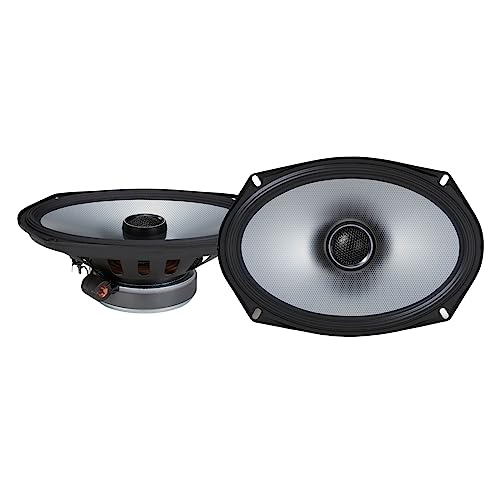
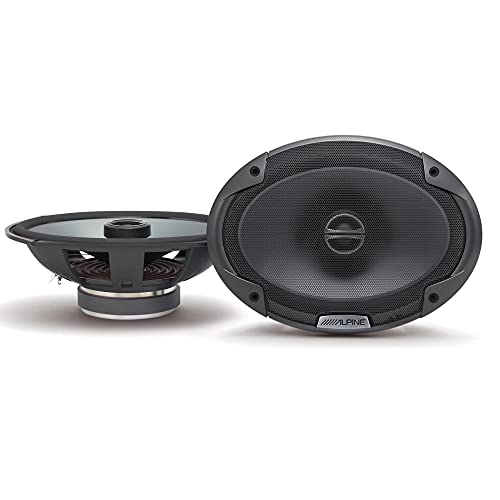

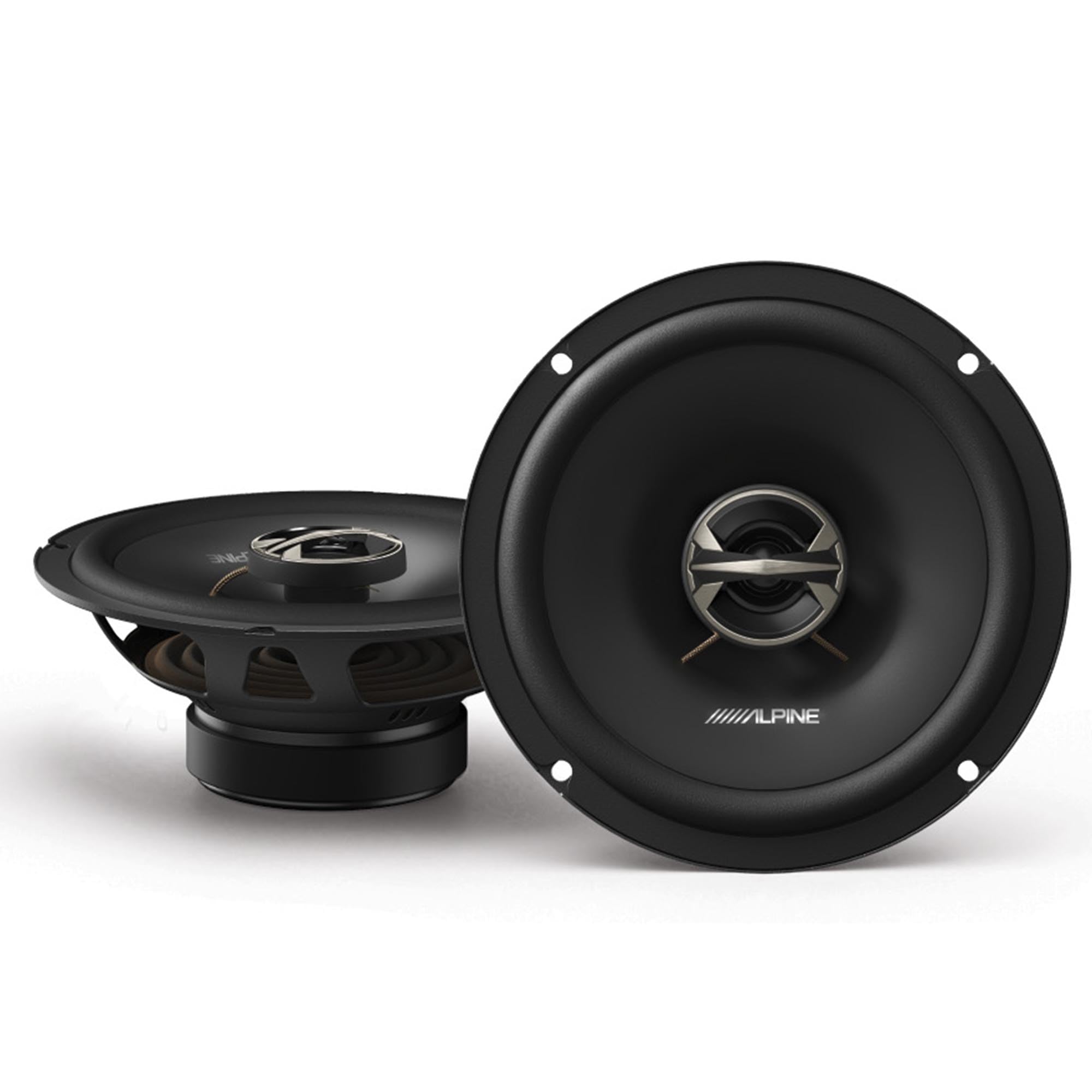
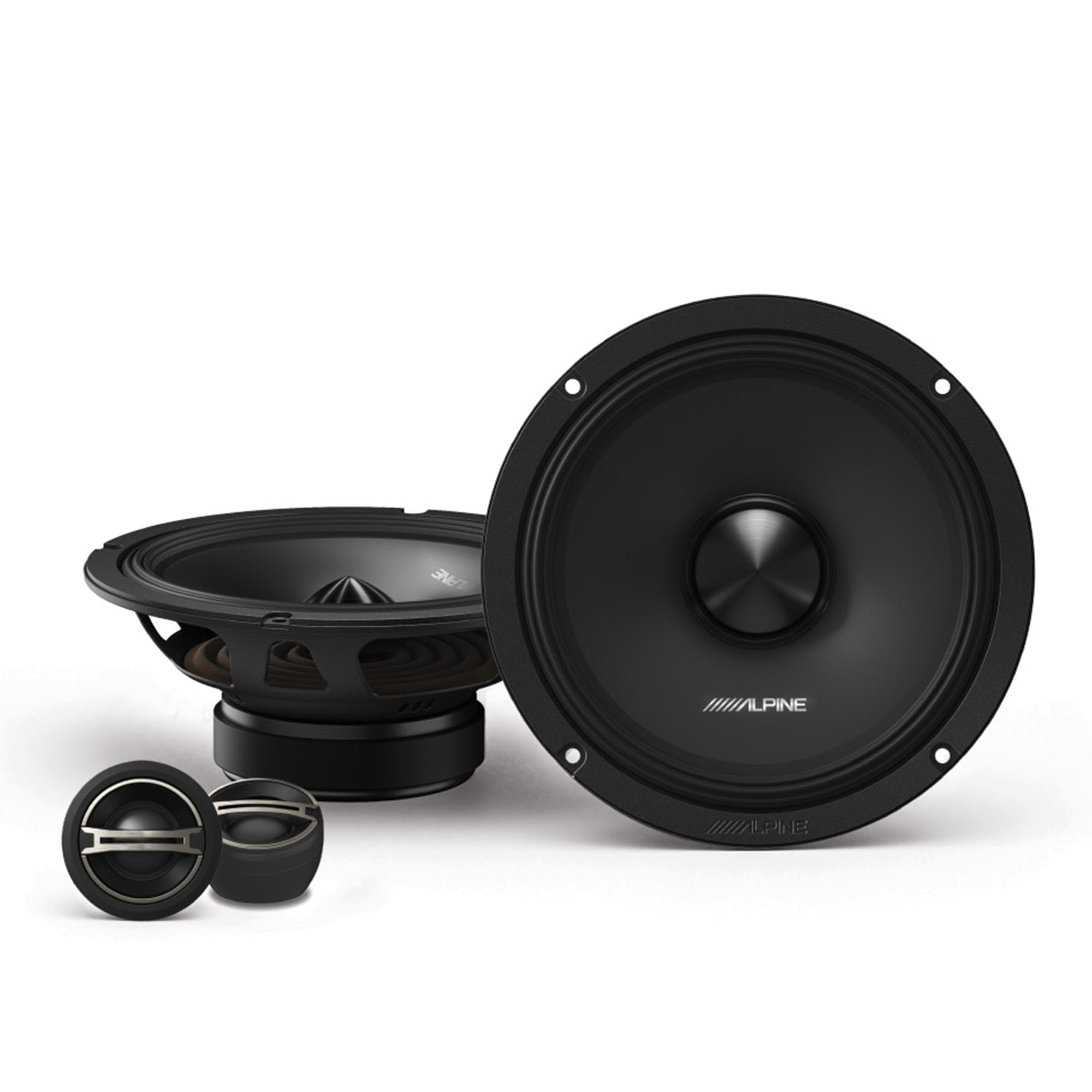


Alpine Car Speakers 101: The Basics
A car speaker turns electrical signal from your stereo into sound using a cone driven by a magnet and voice coil. Two designs dominate. Coaxial speakers mount a small tweeter in front of the main cone, so one unit covers bass, mids, and highs, and they drop into factory locations with little fuss. Component sets separate the tweeter and the woofer, adding an external crossover that sends each driver only the frequencies it handles best. Components cost more and take longer to fit, but they place voices and instruments at ear level, which makes music sound wider and clearer.
Alpine organizes its speakers into tiers, from affordable factory replacement sets to premium lines built for amplified systems. Knowing which family you are shopping in matters more than chasing any single number, because a speaker designed for head unit power will disappoint on a big amplifier, and a power hungry premium set will sound thin on a basic stereo. The sections below translate the specs that separate those tiers.
One more basic shapes your result more than any brand badge: the power source. A factory stereo typically sends about 15 to 25 watts per channel, while even a modest external amplifier can double or triple that figure cleanly. Speakers are voiced with a power range in mind, so pairing matters. Sensitive entry level sets shine on factory power, and heavier premium cones wake up only with an amplifier behind them. Decide which source you will actually use before you shop, and your shortlist narrows fast.
Key Specs Explained in Plain English
Vehicle Compatibility
Fit comes first, because the finest speaker is useless if it will not sit behind your door panel. Note your factory speaker size, commonly 6.5 inches for doors, plus the mounting depth available before the cone or magnet hits the window mechanism. Check your vehicle year and trim, since premium factory audio packages sometimes use unusual sizes or amplified signals. Crutchfield style fit guides and Alpine own vehicle lookup tools confirm size and depth, and a quick photo of your door cavity saves return shipping later.
Build Quality and Weather Resistance
Door speakers live a hard life of heat, cold, vibration, and the odd splash when a window seal ages. Cones made from treated polypropylene or carbon fiber blends shrug off humidity better than plain paper, and rubber surrounds outlast foam ones that crumble with age. Look for sturdy baskets without flex and terminals that grip wire firmly. If you drive a convertible or an older truck with leaky seals, favor materials rated for damp environments and keep power connections clean and tight.
Warranty and Brand Support
Alpine sells through authorized dealers, and that channel matters because warranty claims are smoother and counterfeit risk drops. Typical coverage runs about one year on speakers, with longer terms on some premium lines. Keep your receipt and register the product if the option exists. Support also means documentation: clear manuals, published dimensions, and real sensitivity and power figures. Brands that publish honest RMS ratings, explained below, are telling you they expect informed buyers.
Features and Extras
Useful extras include swiveling tweeters on coaxial models, which let you aim high frequencies toward the seats instead of the dashboard, and included grilles for exposed mounting spots. Component sets may add tweeter mounting pods for pillars and sails, plus crossover housings that protect the electronics. Some lines include wiring adapters or foam rings that seal the speaker to the door, a small part that noticeably improves midbass. Skip flashy styling elements that add cost without helping sound or installation.
Ease of Installation
A plug and play style swap, using vehicle specific harness adapters, can take under an hour per door and needs only basic trim tools. Component installs take longer because tweeters and crossovers need mounting and new wire runs. Honest questions help: are you comfortable removing door panels, and does your car hide clips that break easily? Many first timers fit the front pair themselves and pay a shop for the trickier rear or pillar work. Either way, disconnect the battery negative terminal before wiring, and test each speaker before refitting panels.
Safety Features
Speaker safety is mostly about sane power matching and clean wiring. Feeding a speaker far more power than its rating, or clipping a small amplifier into distortion, overheats voice coils and can damage the unit. Inline fuses on added amplifier power cables protect the vehicle, and proper gauge wire prevents voltage drop and heat. Route cables away from pedal mechanisms and sharp panel edges, and secure anything loose behind the dash. If wiring makes you uneasy, a professional install is money well spent.
Rookie Mistakes to Avoid
- Chasing peak power numbers. Peak watts are a marketing figure. Shop by RMS power handling and match it to your head unit or amplifier output.
- Ignoring sensitivity. On factory power, a higher sensitivity rating, around 90 dB or above, plays louder and cleaner with the same wattage.
- Skipping the fit check. Size alone is not enough: confirm mounting depth and tweeter clearance before ordering.
- Upgrading only the rear speakers. Your ears face forward, so the front pair shapes most of what you hear. Upgrade fronts first.
- Forgetting sound deadening. A few deadening sheets on the door skin reduce rattles and tighten bass more than a pricier speaker in a flimsy door.
For a broader sense of how top tier car audio sounds, you can also read our guide to the best sounding car speakers before narrowing to one brand.
Getting Started: Setup and First Use
Start by reading your vehicle manual for panel removal notes and airbag locations, since some doors hide seat airbag modules you must not disturb. Gather trim tools, harness adapters, and deadening material before you begin, not mid job. Fit one side first and compare it against the factory speaker on the other side: that instant contrast tells you more than any graph. Set your head unit tone controls flat, play familiar songs at moderate volume, and let the speakers settle in over several hours of use before judging bass output. If you add an amplifier later, recheck gain settings rather than simply turning everything up.
Readers still deciding between brand families can compare this guide with our guide to the best alpine speakers, which covers the wider Alpine range beyond car specific sets.
Alpine Car Speakers: Your Questions Answered
Will Alpine car speakers fit my vehicle?
They will fit if the size, mounting depth, and tweeter clearance match your factory locations. Most cars accept common sizes such as 6.5 inch door speakers, but trims with premium factory systems can differ. Use a vehicle fit guide, measure your current speaker, and confirm depth before ordering. Adapter rings and harness plugs solve most minor mismatches without cutting factory wires.
What specs matter most for Alpine car speakers?
RMS power handling, sensitivity, and fit matter most. RMS tells you how much real power the speaker accepts, and sensitivity tells you how loudly it plays on that power, which is vital with a factory stereo. Frequency response ranges look impressive on boxes but vary too much by measurement method to compare fairly. Start with fit, then match power, then choose coaxial or component by budget.
How long do Alpine car speakers last?
Quality car speakers commonly last 5 to 10 years, and often longer when they are not overdriven. Heat, moisture, and distorted amplifier signals shorten life more than age alone. Rubber surrounds and treated cones age gracefully compared with foam and untreated paper. If sound turns raspy at modest volume, a voice coil or surround is likely failing and replacement beats repair at this level.
Do I need professional installation for Alpine car speakers?
No, a coaxial swap with harness adapters is a friendly first project for most owners. Professional help makes sense for component sets, amplifier integration, or cars with complex factory electronics. Shops also carry panel clip assortments that save frustration when factory clips snap. If you do hire out, ask for the old speakers back and keep them if you may return the car to stock later. Drivers planning a fuller system should also see our guide to the best car stereo speakers for context.
Final Thoughts
Match fit first, power second, and design third, and your first upgrade will go smoothly. Coaxial sets on factory power suit most first timers, while component sets reward amplified systems with clearer staging. Round out your research with our guide to the best car radio speakers and, if deep bass is on your list, our guide to the best sub speakers for car. The right best alpine car speakers for you are the ones your car can house and your stereo can feed, so verify your finalists in the product table above.


