
Best 6x9 Car Speakers 2026: Types Compared and How to Choose
Disclosure: We may earn a commission when you buy through links on this page, at no extra cost to you. As an Amazon Associate I earn from qualifying purchases. Learn more

Types, sensitivity, mounting depth, and amplifier matching explained to help you choose the best 6x9 car speakers for your car.
A 6x9 speaker is larger than most door speakers, which helps bass and overall fullness. Many cars use this size in rear decks, where the larger cone can move more air. The best 6x9 car speakers range from simple coaxial upgrades to component sets built for detail.
This guide compares types, explains sensitivity and power in plain terms, and covers fit in rear decks and doors. The aim is balanced sound at real driving volumes, not just loudness in a parking lot. The product table right after this introduction lists current options side by side.
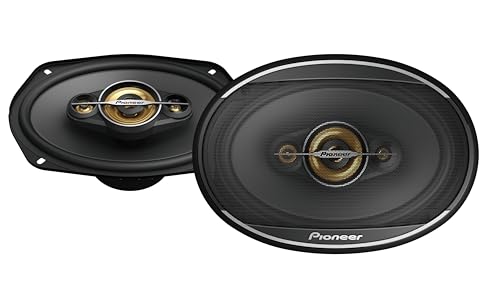
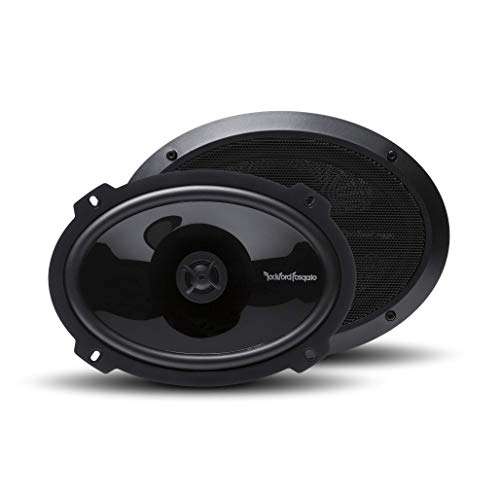


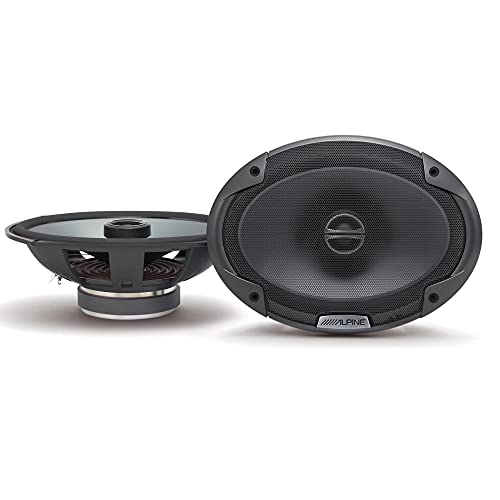



Who Should Buy the Best 6x9 Car Speakers
These speakers suit drivers who want a clear step up from factory rear speakers without adding a subwoofer box. They work well for full range music, podcasts, and rear fill sound. They also suit cars where the rear deck already has 6x9 openings.
They are less suited to front stage focused builds, where component door speakers and tweeters matter more. They are also a poor fit if your rear deck is shallow or blocked by trunk equipment, since depth and magnet size can cause fit problems.
Types Compared
Most choices fall into a few clear types. The differences below matter more than small specification gaps, because they decide how the product feels in daily use.
Two way coaxial 6x9 speakers
A two way coaxial pairs a woofer with a tweeter on one frame. It installs easily in a factory opening and gives a clear upgrade in clarity and bass. This type suits most daily drivers who keep the factory radio.
Bass and detail are good but not specialized. At very high volume, a single woofer handling midbass and midrange may distort sooner than a component woofer.
Three way coaxial 6x9 speakers
A three way coaxial adds a midrange driver beside the tweeter. Vocals and instruments can sound more separated, especially at moderate volume. This type suits listeners who value vocal clarity on long drives.
Extra drivers do not always mean better sound. Crossover quality and tweeter placement matter more than driver count. Check listening impressions for harshness in the upper range.
Component 6x9 speakers
A component set separates woofer and tweeter with a crossover. The woofer focuses on bass and midrange, while the tweeter can sit higher for better staging. This type suits enthusiasts who want a more detailed front or rear stage.
Component sets need more install effort and often more power. Tweeter placement in a rear deck can be awkward, so plan mounting and wiring before you buy.
Key Features to Compare
Sensitivity and power match
Sensitivity tells you how loud a speaker plays on given power. For factory radios, higher sensitivity usually sounds better. For amplified systems, power handling and control matter more. Match both to your actual source, not to peak numbers.
Cone and tweeter materials
Polypropylene and treated paper cones give different warmth and durability. Silk tweeters often sound smoother, while harder tweeters can sound brighter. Your music taste and tolerance for bright highs should guide this choice.
Mounting depth and rear deck fit
Rear decks vary in depth, and trunk torsion bars or hinges can block large magnets. Measure depth and check for obstructions before ordering. Adapter plates help with screw patterns but do not fix depth problems.
Bass response and enclosure
A rear deck acts as a large baffle, which can help bass. Sealing gaps around the speaker and securing it firmly reduces rattles. If bass still sounds thin, check wiring polarity and head unit bass settings before replacing speakers.
Rear Deck Tips for Cleaner Sound
A rear deck speaker fires toward the cabin ceiling and the back glass, so the sound reaches you after a bounce. Seal the frame to the deck with foam tape, tighten the screws evenly, and remove loose items from the trunk side that can rattle. Keep the balance slightly toward the front if vocals seem to come from behind you, and leave the fade control near center so the rear pair adds fullness rather than overpowering the dash.
Common Mistakes to Avoid
A common mistake is mixing impedance or wiring one speaker out of phase. Out of phase wiring cancels bass and makes sound hollow. Check positive and negative connections on both sides before you close panels.
Another mistake is setting bass boost very high to compensate for weak install. Heavy boost can distort speakers and hide detail. Fix fit, sealing, and polarity first, then adjust tone controls gently.
Budget and Long Term Value
A good coaxial pair costs about $70 to $180, while component sets often run about $180 to $350. Adapters, wiring, and damping add about $30 to $90. An amplifier can add more, but many drivers enjoy a coaxial upgrade without one.
Long term value depends on surround durability in heat, terminal quality, and cone stability. Rear decks get hot in summer, so materials that resist heat and sunlight last longer. A solid midrange pair is often the best value.
A Final Check Before You Order
Before you order, confirm opening size, screw pattern, and mounting depth for your car. Check trunk clearance under the deck. Confirm whether your car uses a factory amplifier, since that affects impedance and wiring.
Decide your priority: bass, vocal clarity, or overall balance. That choice points to coaxial or component types and to tweeter material. Keep the factory radio in mind, since it limits how much power you can use well.
Related guides can help you compare nearby choices before you decide. Readers who want a wider view often look at best 6x9 car speakers for bass, best 6x9 car speakers for sound quality, best 6x9 car audio speakers, best pioneer 6x9 car speakers and best sounding 6x9 speakers alongside this guide, then return here to check size, fit, and daily use against their own routine.
Frequently Asked Questions
Are 6x9 speakers better than 6.5 inch speakers?
For bass, often yes, since the larger cone moves more air. For front staging, a 6.5 inch component set can still sound better, because tweeter placement matters more. Choose by location and install, not by size alone.
Do 6x9 speakers need an amplifier?
Many work well on a factory radio, especially high sensitivity models. An amplifier improves control and volume headroom, particularly for component sets. It is helpful, not always required.
Can I install 6x9 speakers in doors?
Some cars allow it with adapters, but many doors are made for round speakers. Check depth, window travel, and panel clearance. Rear decks are the more common and easier location for 6x9 speakers.
Why do my new speakers sound harsh?
Harshness can come from bright tweeters, high treble settings, or poor crossover design. Lower treble slightly, check tweeter angle, and give speakers a short break in period before judging. If harshness stays, tweeter material may not suit you.
How can I reduce rear deck rattle?
Tighten speaker screws, seal gaps with foam tape, and add damping material to the deck. Check loose trunk items and license plate frames too, since they can rattle at bass frequencies and sound like speaker problems.
Final Thoughts
A 6x9 upgrade works best when type, sensitivity, and fit match your car and your listening habits. Larger cones help bass, but install quality decides whether that bass sounds clean.
Measure first, choose coaxial for simplicity or component for detail, and check wiring carefully. With a solid install, best 6x9 car speakers can give daily drives a fuller, clearer soundtrack.
Use the product table above to shortlist two or three options, then check measurements, fit, and running costs once more before you buy.


