Best 60 Gallon Air Compressors (2026): Types and Buying Guide
Disclosure: We may earn a commission when you buy through links on this page, at no extra cost to you. As an Amazon Associate I earn from qualifying purchases. Learn more

A buying guide to the best 60 gallon air compressor: single stage, two stage and oil free types compared on airflow, power needs and upkeep.
A small tank can leave your impact wrench weak and your spray gun sputtering while the motor runs without pause. A 60 gallon tank solves that problem by holding a large reserve of air, so demanding tools keep working between pump cycles. If you want the best 60 gallon air compressor for your shop, the comparison table below is a quick place to start.
This guide explains the three main build types in this size, the airflow and pressure figures that matter, and the electrical and placement needs many buyers miss. For a wider view of smaller and larger options, see our guide to the best air compressor range as a whole.


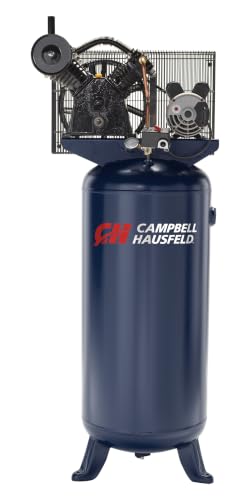

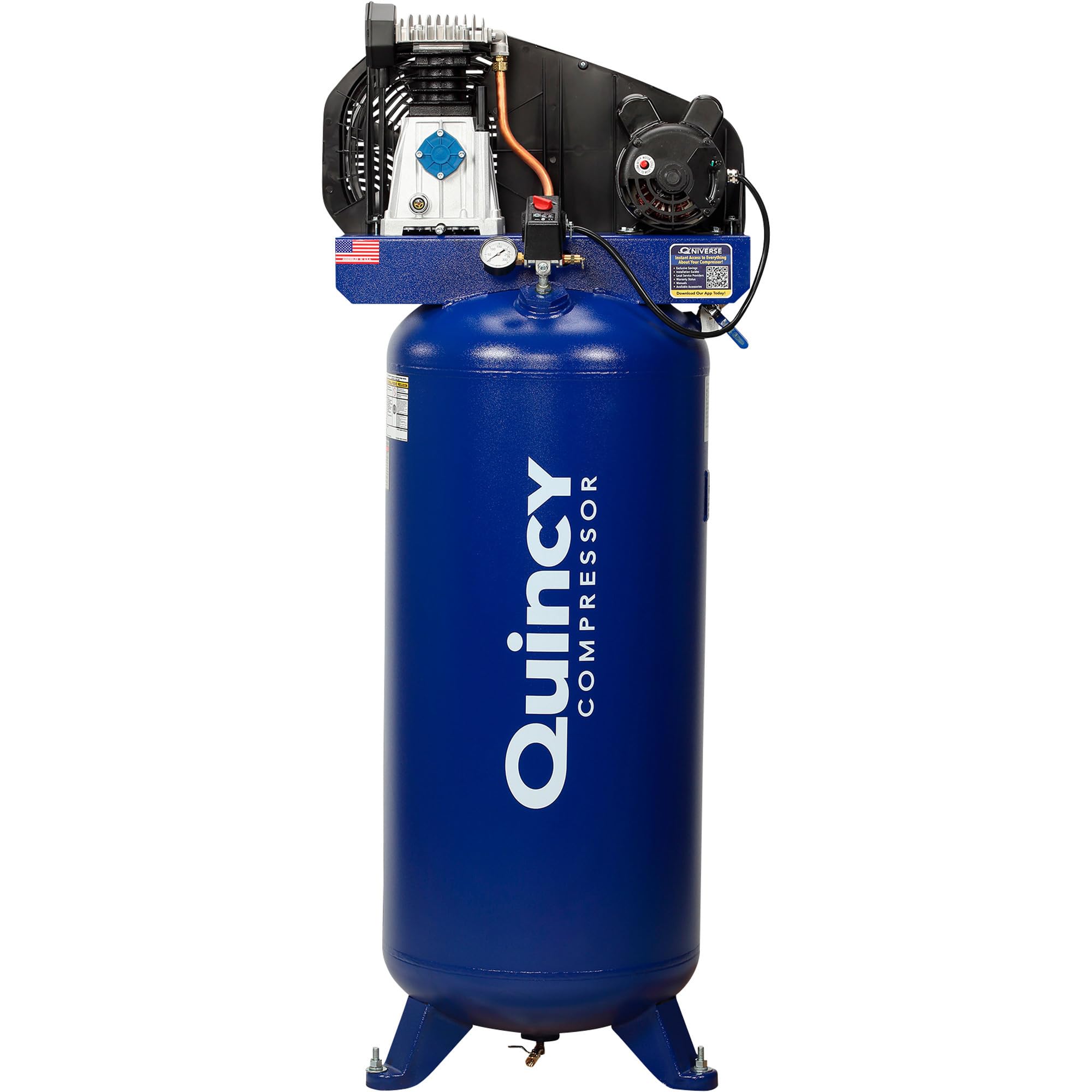
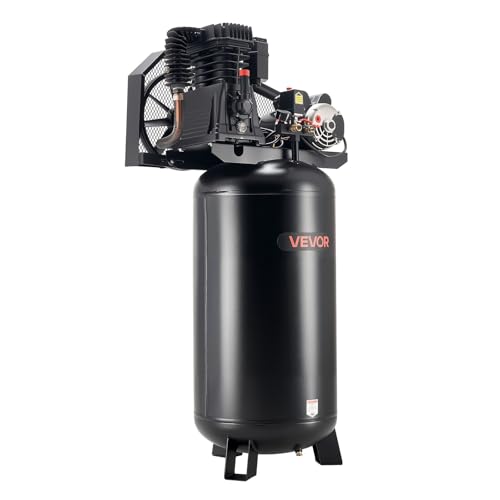
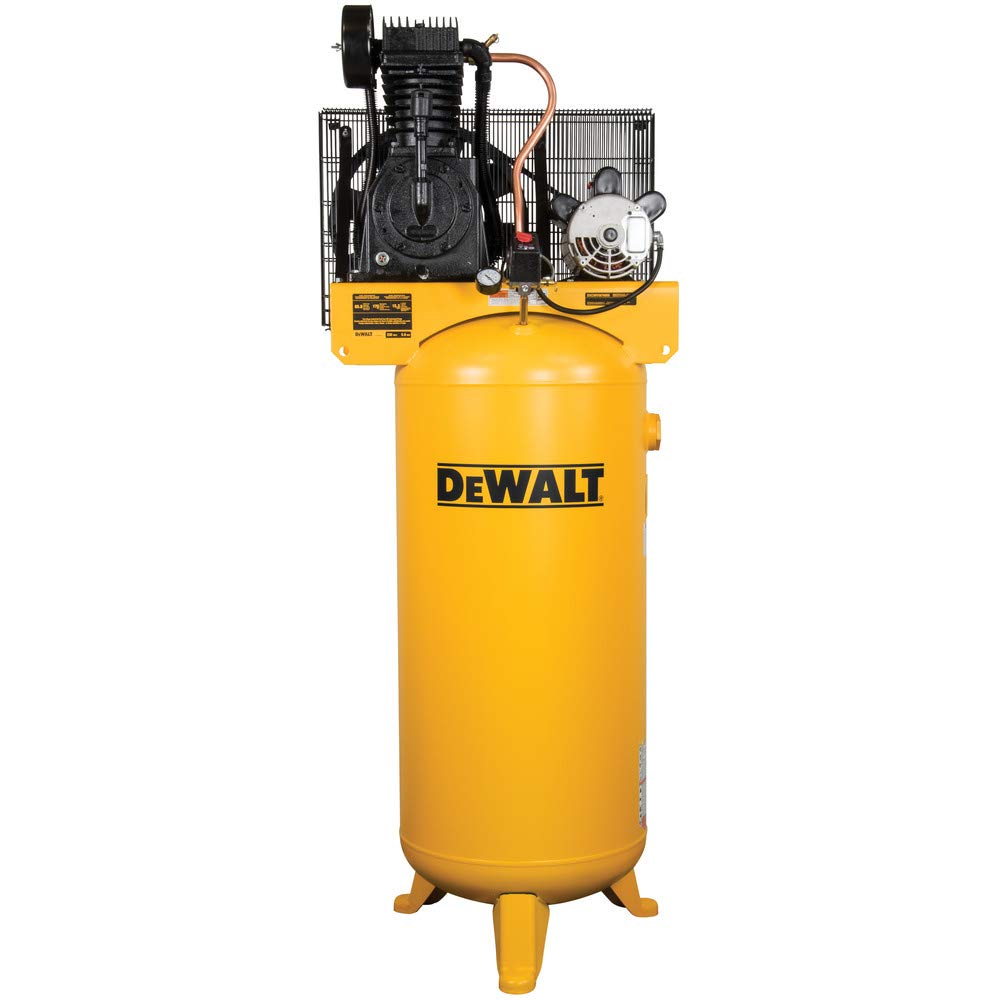

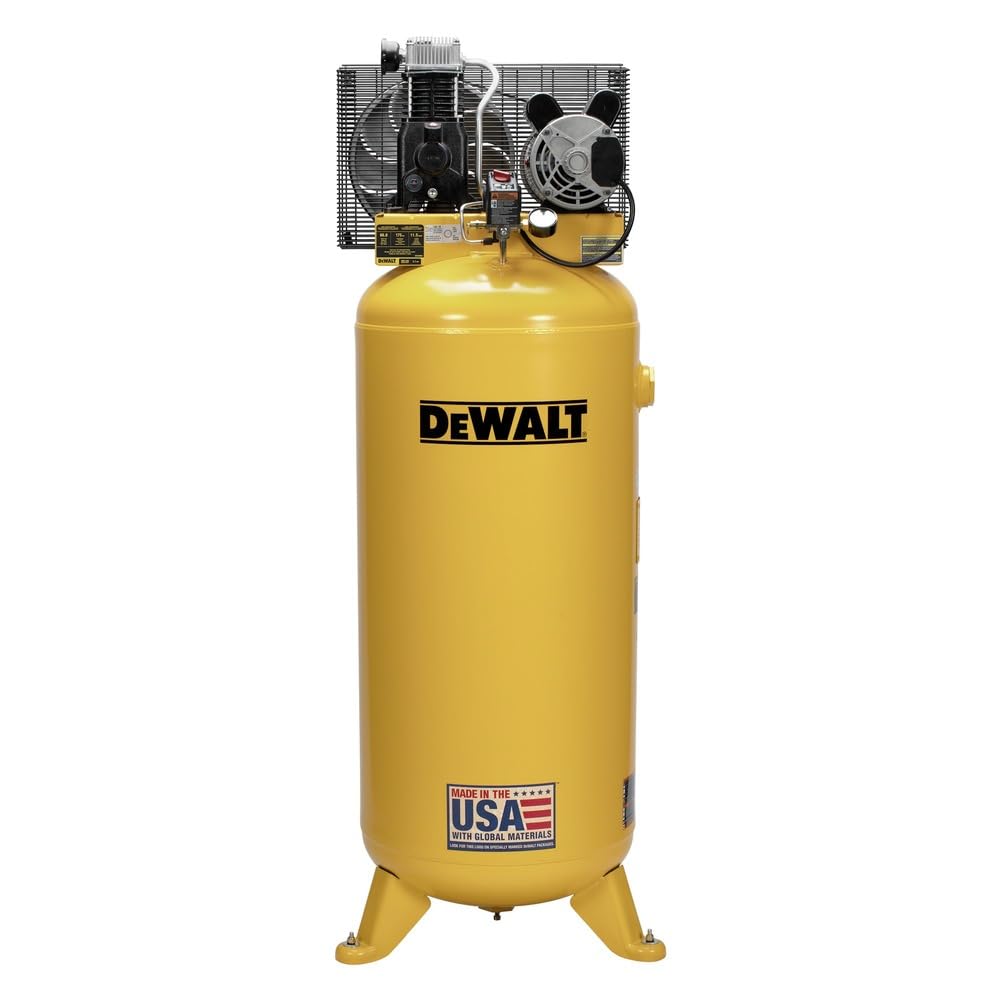
Types Compared at a Glance
Almost every model in this size is a vertical stationary unit, but the pump design changes airflow, noise, upkeep and price in clear ways. The three types below cover nearly all of your choices.
- Single stage oil lubricated: One compression step, a belt driven cast iron pump and max pressure often around 125 to 155 PSI. The value choice for general shop work.
- Two stage oil lubricated: Air is compressed twice, giving pressure near 175 PSI and stronger airflow for painting, sanding and grinding. It costs more and rewards daily use.
- Oil free: No oil changes and a cleaner air supply, but the pump runs louder and wears faster under heavy loads. It suits lighter duty cycles.
How Models Were Compared
Models in this class were compared on airflow at 90 PSI, max pressure, duty cycle, pump material and motor demands rather than on tank size alone. Tank size is identical across the class, so output and build quality do the real sorting. Warranty terms and parts support also counted, since a stationary unit is a shop fixture you expect to service rather than replace.
How to Choose the Right Air Compressor
Choosing the best 60 gallon air compressor starts with the tool that uses the most air in your shop. Work through the factors below in order and the right type usually becomes obvious.
Size and form factor
A 60 gallon tank stores enough air to run an impact wrench, ratchet or die grinder in bursts without the pump restarting for every bolt. The vertical shape keeps the footprint close to that of a water heater, so it fits along a garage wall. This size is stationary, and most units weigh well over 200 pounds. If your work is only trim nails and tire inflation, the best pancake air compressor will cover it at a fraction of the cost and floor space.
Pump type and lubrication
Oil lubricated pumps run cooler and quieter and usually last longer, but they need oil checks and changes, and the air can carry a trace of oil that paint work may need filtered out. Oil free pumps remove that upkeep and suit clean air tasks, though they run louder and their seals wear sooner under long cycles. Cast iron pump blocks handle heat better than aluminum ones. For a deeper look at the trade off, read our oil vs oil free compressor comparison.
Airflow, pressure and duty cycle
Airflow, listed as CFM or SCFM at 90 PSI, decides whether a tool holds its power or fades as the tank drains. Single stage models in this size often deliver about 10 to 14 CFM at 90 PSI, while two stage models often reach about 15 to 18 CFM. Check the tool that uses the most air, often a sander or spray gun, and choose a rating above its demand. Duty cycle matters too, since a pump rated for continuous running tolerates long sanding sessions.
Power source and motor design
Compressors in this size are corded stationary machines, and most need a 240 volt circuit on a dedicated breaker, so confirm your panel before you order. Motors commonly run from about 3 to 5 horsepower. Cordless and battery models do not exist at this tank size, because no battery can sustain this airflow for long. Gas engine models serve remote sites without power, but exhaust fumes rule them out indoors. Brushless motor talk belongs to small cordless tools, not to the induction motors used here.
Features worth paying for
A large easy to read tank gauge and a regulator gauge help you set tool pressure at a glance. A ball valve drain beats a small wing valve, since you will open it after every session and it clogs less often. A quality pressure switch and a metal air filter housing add working life. Wheels and handles matter little on a unit that stays in one place, so spend on the pump and switch gear first.
Accessories and warranty
Most units ship with little beyond the machine itself, so budget for a hose rated for your max pressure, couplers that match your tools and, for paint work, a moisture filter. Warranty length varies widely in this class, and coverage on the pump matters more than coverage on the tank shell. Confirm that filters, belts and switch parts are sold as spares, since those are the items you will replace first.
How much should you spend?
Expect to pay about $700 to $1100 for a single stage oil lubricated model with a cast iron pump, which covers most home shop needs. Two stage models with higher pressure and airflow run about $1200 to $2000, and the jump pays off if you paint or sand for hours each week. Oil free models in this size sit near the lower end, about $600 to $900, but plan on earlier pump wear if you run them hard. Prices move often, so treat these ranges as planning guides.
Is a 60 Gallon Air Compressor the Right Size for You?
Compared with a 20 or 30 gallon unit, this size runs demanding tools far longer before the pump starts, and it supports two tools in light use. Compared with an 80 gallon unit, it costs less and fits smaller shops while giving up some reserve.
Home shop owners who run air hungry tools
If you swap wheels, rebuild engines or run a small lift, your impact wrench and ratchet draw air in short heavy bursts that drain small tanks fast. A large reserve keeps torque steady bolt after bolt. Our guide to the best air compressor for home garage setups shows how this size fits a typical two car space.
Readers who paint, sand or blast
Spray guns, orbital sanders and small blast cabinets use air without pause, so they stress airflow and duty cycle rather than tank size alone. A two stage model with strong CFM at 90 PSI keeps finish quality even from the first panel to the last. The big tank smooths out pressure swings that can leave a paint finish uneven. If your painting is only the odd fence panel, a smaller tank will do the job for less money.
Small shops with steady daily use
A repair shop or farm workshop that runs air tools all day needs a pump built for heat and long cycles, plus parts you can buy years later. In that setting the oil lubricated two stage type earns its price through longer service intervals. One central unit can also feed a plumbed air line with drops at each bench. A shop with light weekly use will not recover that extra cost, so the single stage type is the smarter buy there.
Common Mistakes to Avoid
- Buying on tank size alone, so a low CFM pump still leaves your sander starved for air.
- Ordering before checking your panel, so the unit arrives and you have no 240 volt circuit to run it.
- Placing the tank tight against a wall, so the pump overheats and you cannot reach the drain or filter.
- Skipping the moisture filter for paint work, so water in the lines ruins an otherwise good finish.
- Using an extension cord, so voltage drop makes the motor run hot and shortens its life.
- Ignoring the noise rating, so a loud unit in an attached garage draws complaints from the house.
Care and Maintenance
Drain the tank after each day of use by opening the drain valve until only air escapes, since standing water rusts the tank from the inside. Check pump oil on the sight glass before long sessions and change it on the schedule in your manual. Clean or replace the intake filter when it looks loaded, because a clogged filter makes the pump work harder. Inspect the belt for cracks and correct tension, and check the pressure relief valve by pulling its ring with the tank under pressure.
Stop using the unit and call a qualified service technician if the tank shows deep rust, dents or weld damage, if the relief valve vents below its set pressure, or if the motor trips its breaker again and again. A pressure vessel is not a part to repair with home welds. If you are new to shop air, our walkthrough on how to use an air compressor covers safe startup, regulator settings and shutdown in order.
FAQ
What is the best 60 gallon air compressor?
There is no single answer, since the right choice follows the tool with the highest airflow demand in your shop. Match the pump rating at 90 PSI to that tool first, then choose oil lubricated cast iron for long life or oil free for zero oil upkeep. One extra check helps as a tie breaker: look at the data plate rather than the box art, since the plate carries the rated delivery the maker must stand behind.
What size air compressor do I need?
Add up the airflow needs of the tools you run at the same time, then pick a pump that delivers more than that total at 90 PSI. Tank size then sets how long you can work between pump cycles. A useful habit is to plan for the next tool you expect to buy, such as a blast cabinet, so the unit you choose now does not fall short a year from now.
How long does an air compressor last?
A cast iron oil lubricated unit in this class can serve for many years of regular shop use, while an oil free pump under heavy loads wears out sooner. The tank itself often sets the true end of life, since internal rust cannot be reversed once it spreads. Ask the maker or a service shop about a tank inspection if the unit has been in damp service for a long span and you see rust colored water at the drain.
Is an air compressor worth it?
It is worth it if air tools already fill your drawers or you paint, sand or drive fasteners often enough that rental fees would add up fast. A simple test is how many days a month the unit would run: daily or weekly use pays you back in time saved, while a single yearly task rarely does. Owners also gain tools that are lighter in the hand than their electric equals.
How do you clean an air compressor?
Switch the unit off, unplug it and drain all air pressure before you wipe anything down. Use a dry or lightly damp cloth on the tank and shroud, and keep water away from the motor and switch. Blow dust from the pump fins and filter housing with low pressure air from a distance. Never open the tank or use solvents on it, and let every part dry fully before the next startup.
What is the most reliable air compressor brand?
No brand earns that title on its own, because reliability in this class tracks pump build, parts supply and service access more than a badge. Look for a maker that sells spare belts, filters and switches for older models and lists service centers you can reach. A clear warranty with pump coverage stated in plain terms tells you more than a famous name with vague support.
Final Thoughts
For most shops, a single stage oil lubricated model with a cast iron pump is the best 60 gallon air compressor value, while painters and busy small shops should step up to a two stage unit. Use the product table above to compare airflow at 90 PSI side by side before you buy. Our air compressor buying guide can help you check your tool demands and circuit one last time.