Best 30 Gallon Air Compressors (2026): Types Compared and Buying Guide
Disclosure: We may earn a commission when you buy through links on this page, at no extra cost to you. As an Amazon Associate I earn from qualifying purchases. Learn more
A practical guide to the best 30 gallon air compressor: vertical, wheeled, and belt drive layouts, plus airflow, pump type, and power supply.
A 30 gallon tank sits in a sweet spot for home shops. It stores enough air to run an impact wrench, a ratchet, a spray gun, or a small sand blaster without the constant cycling of a small portable unit, yet it still fits in a garage corner. Finding the best 30 gallon air compressor means matching airflow, pressure, and motor type to the tools you actually own, and the comparison table below lays out the main configurations side by side.
This guide walks through the three common setups in this size, the specs that separate them, and the checks to make before you order. By the end you will know whether 30 gallons is enough for your work, what power supply the unit needs, and which features are worth paying for. If you want the broader picture first, see our overview of the best air compressor options across every tank size.




Three Configurations Compared at a Glance
Nearly every model in this size falls into one of three layouts. The layout decides how much floor space the unit takes, how easily it moves, and how the motor handles long runs.
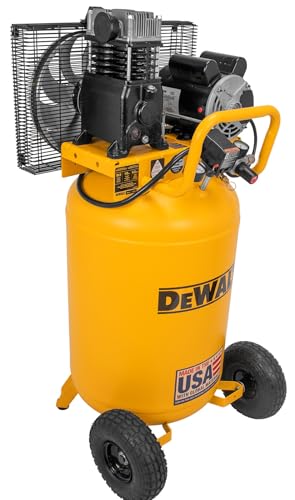
Vertical stationary models
A vertical tank stands tall on a small footprint, so it tucks into a corner beside a workbench and leaves floor space free for vehicles and storage. These models are built to stay in one place, usually on rubber feet or a fixed pad. They suit a dedicated shop corner where the compressor feeds a fixed air line or a long hose reel. The trade off is moving them, since a full size vertical unit is heavy and awkward to load into a truck.
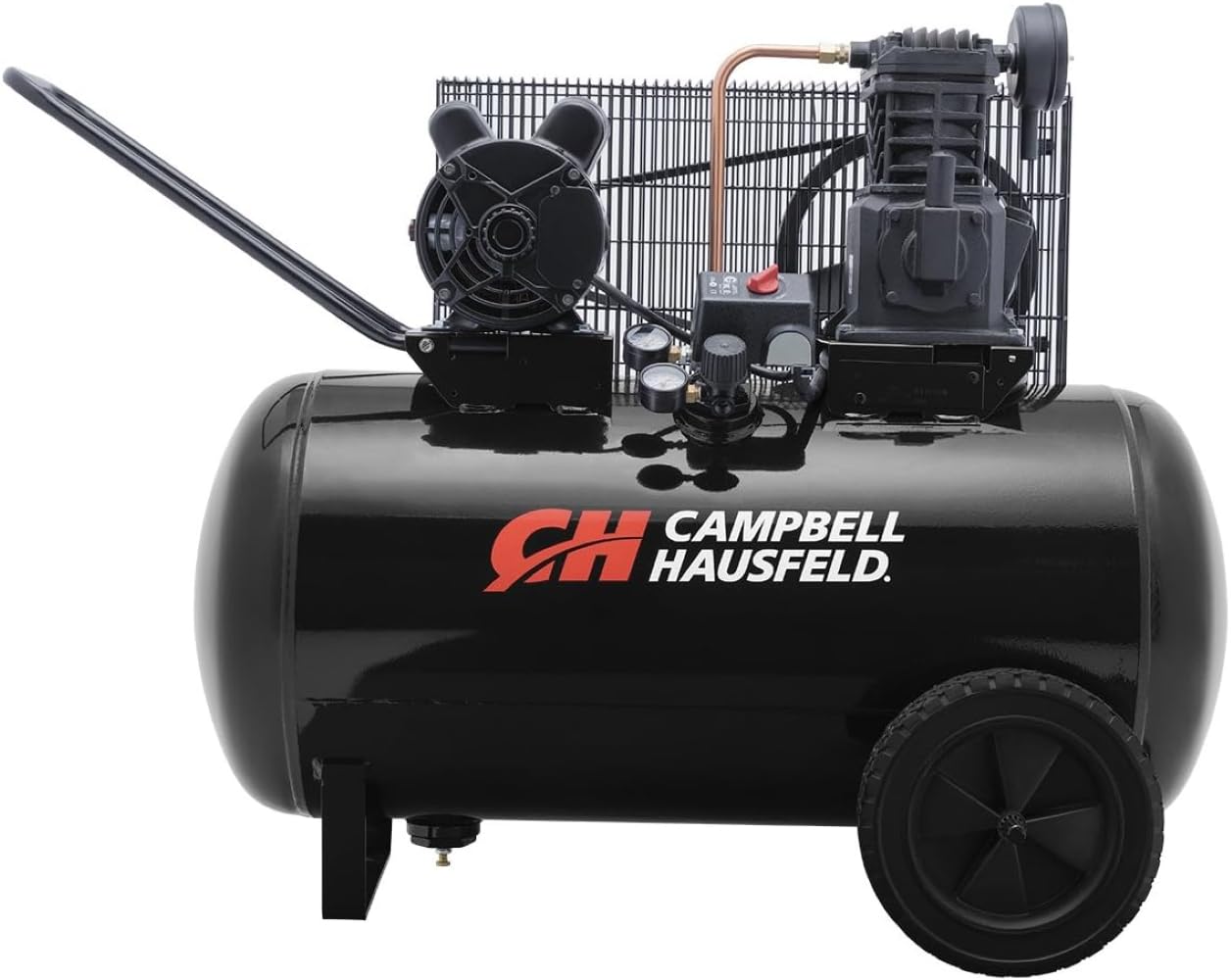
Wheeled portable models
These units lay the tank horizontally on a frame with two wheels and a pull handle, much like a large suitcase. You can roll one out to a driveway for tire work or move it between a garage and a barn without a second pair of hands. The frame also gives you a natural place to wrap the power cord and hose. The cost is floor space, because the horizontal layout spreads wider than a vertical tank of the same capacity.
Belt drive workshop models
A belt drive design separates the motor from the pump and links them with a belt and pulleys, which lets the pump turn more slowly. A slower pump usually runs cooler and quieter and tolerates long spray sessions or extended grinding better than a compact direct drive unit. These models often use a cast iron pump that can be serviced rather than replaced. They cost more and need occasional belt checks, so they fit owners who run air tools most days rather than once a month.
How We Chose the Criteria in This Guide
We judged this size class on the factors that decide daily satisfaction: delivered airflow at working pressure, maximum pressure, pump and motor design, noise level, duty cycle, and warranty terms. We drew the spec ranges from manufacturer documentation and weighed them against the demands of common garage tools. We did not run hands on tests, so treat the criteria as a decision framework for comparing listings rather than as lab results.
How to Choose the Right Air Compressor
Start with your hungriest air tool, then work through the factors below in order. Our air compressor buying guide covers the same ground for smaller and larger sizes if you are still deciding on capacity.
Airflow and pressure come first
Airflow, rated in CFM, matters more than tank size. Check the CFM figure at 90 PSI, since most impact wrenches, ratchets, and spray guns are rated at that pressure. Your compressor should deliver at least as much CFM at 90 PSI as your largest tool consumes, or the tool will slow down while the pump struggles to catch up. Maximum pressure matters too. Most units in this class reach about 125 to 155 PSI, and higher stored pressure means more usable air between pump cycles.
Pump type and lubrication
Single stage pumps dominate this size and handle general shop work well, while two stage pumps compress air twice for higher pressure and faster recovery in demanding use. You also choose between an oil lubricated pump and an oil free pump. Oil lubricated cast iron pumps tend to run quieter and last longer but need oil checks and changes. Oil free pumps ask almost nothing of you but run louder and usually wear sooner. Our breakdown of oil vs oil free compressor designs goes deeper on that trade off.
Power supply and motor design
Almost every 30 gallon model is a corded electric unit, because a tank this size serves stationary shop work rather than quick cordless inflation jobs. Smaller motors run on a standard 120 volt circuit, while stronger two stage and belt drive models often need 240 volt service, so confirm your shop wiring before ordering. Gas engine models exist for farms and job sites with no power, but they must run outdoors because of exhaust fumes. Most motors here are induction type, valued for steady torque and few wear parts.
Noise, duty cycle, and placement
Noise ratings in this class range from the low 70s to the mid 80s in decibels, a gap you will feel in an attached garage. Duty cycle tells you how long the pump can run in a given period without overheating, and a 50 percent rating means equal parts running and resting. Place the unit on a level surface with open air around the pump for cooling, and keep intake air away from sawdust and paint overspray. A spot near a drain also makes daily tank draining far easier.
Accessories and warranty
A bundled hose, blow gun, and tire chuck can save a separate purchase, but check the hose length before counting that value, since short hoses often get replaced anyway. Wheels, a handle kit, and a regulator with dual gauges matter more over years of use. Read the warranty closely because the tank, pump, and motor sometimes carry different terms, and tank coverage protects the most expensive part.
How much should you spend?
Expect to pay about $400 to $650 for a basic direct drive model with an oil free pump, which covers tire work, nail guns, and light automotive jobs. Stepping up to about $650 to $950 usually buys an oil lubricated pump, a stronger motor, and quieter running. Belt drive and two stage models run about $950 to $1,500 and earn that price only if you spray paint often or run tools for long stretches. Spending past your tool demands buys capacity you will rarely use.
Is a 30 Gallon Air Compressor the Right Size for You?
Choose this size if you run automotive tools, inflate large truck or tractor tires, blow out irrigation lines, or spray finishes on furniture and cabinets. The tank stores enough reserve that the pump cycles less often than it would on a 20 gallon unit, which keeps pressure steadier during long pulls on an impact wrench. It is also a natural fit as the best air compressor for home garage use where one unit must cover both vehicle work and woodworking tools.
Step down if your work is mostly trim nailing, hobby airbrushing, or topping off car tires. A compact unit such as the best pancake air compressor costs less and stores on a shelf. Step up to 60 gallons if you run a dual action sander or a media blaster for long sessions, since those tools drain a 30 gallon tank quickly. Your most used tools should decide the size.
Common Mistakes to Avoid
- Buying on tank size alone: a big tank with low CFM still starves a hungry tool once the reserve runs out.
- Ignoring the circuit: plugging a large motor into a shared or undersized circuit trips breakers and can overheat the motor on startup.
- Skipping the drain habit: water left sitting in the tank rusts it from the inside and shortens its service life.
- Using a long thin extension cord: voltage drop under load strains the motor, so use a heavy gauge cord or move the unit closer to the outlet.
- Forgetting intake placement: a compressor parked beside a sander inhales dust that clogs the filter and wears the pump.
- Overtightening fittings: cranking brass fittings too hard cracks them and creates leaks that make the pump cycle more often.
How to Make Your Air Compressor Last Longer
Open the drain valve at the bottom of the tank after each work session and let the collected water run out, tilting the unit slightly if the drain sits off center. Leave the valve open overnight in humid weather so the tank interior can dry. Check the intake filter monthly and clean or replace it when it looks gray, because a clogged filter makes the pump work harder for the same air. Following a safe routine from a guide on how to use an air compressor also protects the tools downstream from moisture damage.
On oil lubricated models, check the sight glass before long sessions and change the oil at the interval the manual states. Inspect the belt on belt drive units for cracks and correct tension, and look over hoses and couplers for leaks each season. A unit that suddenly cycles far more often than it used to is telling you air is escaping somewhere. Store the compressor indoors, away from standing water and freezing temperatures.
FAQ
What is the best 30 gallon air compressor for a home shop?
The best choice for most home shops is an oil lubricated belt drive or direct drive model whose CFM at 90 PSI covers your largest tool, paired with the quietest rating your budget allows. One point buyers often miss is circuit history. Older garages sometimes share one circuit with lighting and a freezer, so a model that starts fine alone may trip the breaker when everything runs together. Map your circuits before choosing motor size.
What size air compressor do I need for painting a car?
Painting a full car asks more of a compressor than painting panels one at a time. A spray gun can consume air continuously for minutes, so look for strong CFM at the gun pressure and consider whether you will spray primer and clear in long passes. Many owners of 30 gallon units paint panels, motorcycle parts, and cabinets comfortably. For a full respray in one session, a larger tank or a second person pacing the work keeps pressure from sagging mid coat.
How long does a 30 gallon air compressor last?
A well kept unit often serves for ten years or more, and the pump usually wears out before the motor does. The true end of life sign is rust inside the tank, which weakens the steel in ways you cannot see from outside. If the drain water runs heavily rust colored for months or the tank bottom shows deep pitting, retire the tank rather than repairing it. Pressure vessels are not a place for guesswork.
Is a 30 gallon air compressor worth it over renting?
It is worth it if you reach for air tools more than a few weekends a year. Renting makes sense for a single fence build or one suspension job, but rental fees add up quickly across a season of tire rotations, blow cleaning, and nail gun work. Ownership also means the unit is ready at odd hours, when a low trailer tire or a clogged line will not wait for a rental counter to open.
How do you clean the outside of an air compressor?
Wipe the tank and frame with a dry or slightly damp cloth, and brush dust off the pump cooling fins and motor vents with a soft brush while the unit is unplugged. Never wash the motor or pump with a pressure washer or garden hose, since water driven into bearings and windings causes damage that shows up weeks later. Clean cooling fins matter because packed dust traps heat and quietly shortens motor life.
Final Thoughts
Match CFM to your largest tool, pick the layout that fits your floor, and decide honestly how often the pump will run each week. Do that, and the best 30 gallon air compressor for your shop becomes a clear choice rather than a guess. Look back at the product table above to compare the three configurations once more, then order the setup that fits your wiring, your space, and your tools.