
Best 6 Quart Stock Pots (2026): Builds, Sizes and Buying Tips
Disclosure: We may earn a commission when you buy through links on this page, at no extra cost to you. As an Amazon Associate I earn from qualifying purchases. Learn more

A practical guide to the best 6 quart stock pot: build types, stove compatibility, handles and care for soups, pasta and stock.
A Tuesday soup can turn into a storage puzzle when the pot is too tall for the cabinet or too wide for the burner. The best 6 quart stock pot for your home is the one that fits your shelves, your stove, and the number of people at your table. This guide walks through size, materials, and upkeep costs so you can choose once and cook with it for years.
The sections below compare the main build types and the features that matter in daily use, and you will find the comparison table below a helpful summary as you read. If you are still weighing the whole category, start with our guide to the best stock pot and then return here for the 6 quart details.
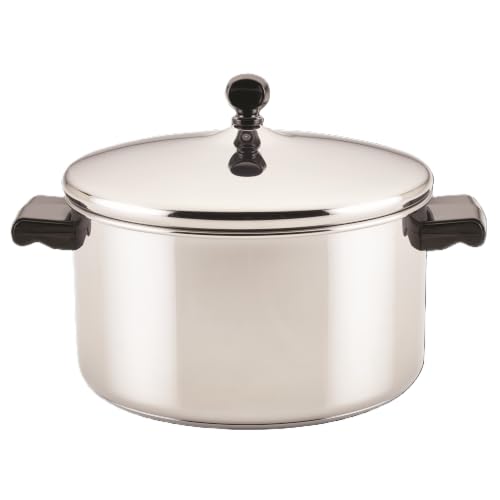


Quick Answer: Three Routes to the Right Pot
Most homes land on one of three routes. A stainless steel pot with a layered base suits cooks who want one versatile pot for soup, pasta, and stock. An enameled or aluminum pot suits cooks who value lighter weight. A tri ply build suits cooks who simmer often and want even heat up the sides as well as across the base.
Before You Buy: A Quick Checklist for Choosing a Stock Pot
Size: Match It to Your Space
Six quarts holds about 24 cups, which covers a family soup, a batch of chili, or pasta for four with room to stir. The catch is shape. Two pots with the same capacity can differ by several inches in height and width, and that difference decides whether the pot fits under your cabinets on the stove. Measure your cabinet clearance and your deepest shelf before you order.
Diameter matters for heat as well. A pot much wider than your burner wastes energy at the edges, while a tall and narrow pot can heat unevenly on a small burner. If your household often cooks for six or more, read our guide to the best 8 quart stock pot before you settle.
Which Type Fits Your Routine
Stainless steel is the default for good reason. It tolerates high heat and does not react with tomato based sauces. Its weakness is weight when the base is thick, plus a tendency for starchy foods to stick if the heat runs too high at the start. For a deeper look at this material, see our guide to the best stainless steel stock pot.
Aluminum heats fast and feels light, but plain aluminum can react with acidic foods and may warp on high heat. Enameled pots resist staining and look good on the table, though the enamel can chip if you bang utensils against the rim. Nonstick versions release food easily, yet their coatings wear out years before the pot itself does.
Features Worth Paying For and Ones to Skip
A strainer lid earns its keep if you drain pasta or potatoes often, since it removes the need to balance a colander over the sink. A pasta insert lets you lift noodles out while the water stays ready for a second batch. A steamer basket is worth it only if you steam vegetables or dumplings a few times a month.
A spigot looks appealing for stock, but on a 6 quart pot it adds a part that needs scrubbing and a seal that can leak over time. Spend on a better base and lid first, and treat inserts as a bonus rather than a reason to buy.
Material Safety and Coating Questions
If you want to avoid coating questions entirely, uncoated stainless steel and enameled surfaces are the simplest choices, since there is no sprayed layer to wear away. Cast iron with enamel behaves the same way, though it is heavy at this size. These materials ask more of your stirring habits, but they carry no concern about a coating breaking down at high heat.
Nonstick coatings vary. Some use PTFE, and some use ceramic style layers that wear faster but suit cooks who prefer to avoid PTFE. Follow the maker guidance on heat limits, and retire a pot once its coating peels or flakes, since loose coating does not belong in food.
Induction, Gas, and Glass Top Compatibility
Induction burners need a magnetic base, so bring a small fridge magnet when you shop in person, or check the product page for an induction note when you shop online. A magnet that sticks firmly to the base means the pot will heat on induction. A weak grip or no grip at all means it will not work.
Gas burners forgive almost any base, though thin bases can scorch at the flame ring. Glass top stoves need a flat base that sits fully on the element, and heavy pots should be lifted rather than dragged, since dragging can scratch the surface.
Oven Safe Temperature and Handles
Many stainless steel pots can go into the oven, which helps when you start a braise on the stove and finish it under cover. The limit is rarely the pot body. It is the lid knob and the handle material, so check the stated oven limit for the whole pot, lid included. Glass lids often carry a lower limit than metal lids.
Handles decide how safe a full pot feels. Look for riveted or welded handles with a wide grip you can hold with a towel or mitt. Short loop handles save cabinet space but sit close to the heat, while helper handles on both sides give you a steadier lift.
Realistic Budget Ranges
Under about $30, expect a thin base and basic handles. These pots boil water fine, but they scorch sauces more easily and may warp after a few years of high heat. Between about $30 and $50, bases get thicker and lids fit better, which covers most home soup and pasta duty.
From about $50 to $100, you gain layered bases, sturdier handles, and better finish. Above about $100 to $200, you are paying for full tri ply construction and finer fit, which makes sense for cooks who simmer weekly. Occasional cooks rarely notice the difference in the bowl.
Types Compared: Three Builds Worth Considering
Stainless Steel With a Layered Base
This build bonds a heat spreading layer into the bottom of a stainless steel body. You get the acid resistance and durability of steel with fewer hot spots than a plain thin base. It handles soup, beans, and pasta water with equal ease, and for most homes it is the safest single choice.
Lightweight Aluminum and Enameled Builds
A lighter pot matters more than many buyers expect. Six quarts of water alone weighs about 12 pounds, before you add the pot and the food. Aluminum and thinner enameled builds keep the total lift manageable for smaller cooks. The trade off is care, since aluminum needs gentler heat and enamel needs protection from hard knocks.
Full Tri Ply Builds for Frequent Simmering
Tri ply construction runs the layered core up the sides, not just across the base. Heat travels more evenly around the pot, which helps when a stew simmers for hours and you do not want to stir often. These pots cost and weigh more, so they reward frequent use. If you make stock twice a year, the layered base build gives you nearly the same meals for less money.
How to Evaluate a Stock Pot Before You Order
Weigh five factors in this order: heat distribution, durability, material safety, stove and oven compatibility, and cleaning effort. Start with the maker specifications for base construction, dimensions, and oven limits, since those numbers decide fit and function. Then read buyer reviews for repeated themes, such as handles loosening or bases warping. A pattern across many reviews tells you more than any one rating.
Is a 6 Quart Stock Pot the Right Size for You?
For one or two people, 6 quarts can feel generous, but the extra room helps when you boil pasta or double a recipe to freeze. For three or four people, it is the natural fit for weeknight soups, corn on the cob, and small batches of stock. The pot fills up fast, though, once you add bones, vegetables, and water together.
Bigger jobs call for a bigger pot. A seafood boil for a crowd or a large batch of canning water will push past 6 quarts and leave you cooking in shifts. In that case our guide to the best 12 quart stock pot covers the next step up. If you are torn between sizes, the sizing guide at what size stock pot do i need walks through household size and recipe type.
Common Mistakes to Avoid
- Buying by capacity alone and skipping the height check, so the pot hits the cabinet above your stove.
- Choosing a pot wider than your burner, which leaves the edges cool and the center scorching.
- Paying for inserts you will rarely use while settling for a thin base you will notice at every meal.
- Ignoring the weight of a full pot, then struggling to carry hot liquid to the sink.
- Forgetting replacement cost, since a worn nonstick coating can end the life of a sound pot.
Cost of Ownership and Care
A stock pot has no parts to replace on a schedule, so ownership cost comes down to cleaning effort and how long the surface lasts. Stainless steel asks for a soak and a scrub after starchy boils, and a paste of baking soda and water lifts most discoloration. For help with stains and stuck food, follow our guide on how to clean a stock pot.
Store the pot dry with the lid ajar. Avoid stacking heavier pans inside an enameled or nonstick pot, since nested weight scratches the surface. Keep steel pots away from prolonged salty soaks, because salt water left overnight can mark even good steel with small pits.
FAQ
How do you clean a stock pot after making stock?
Strain the stock while it is still warm, then fill the pot with hot water and a small amount of dish soap and let it sit for about 20 minutes. The fat film releases far more easily after a soak than after the pot cools overnight. A soft sponge with a little baking soda paste lifts the greasy ring at the waterline without scratching steel or enamel.
Is a stock pot worth buying if you already own a large saucepan?
Yes, if you boil pasta, make soup for more than two people, or simmer stock with bones. A large saucepan usually holds 3 to 4 quarts and has one long handle, which makes a full load awkward to lift. A stock pot gives you two side handles and a shape that fits bulky ingredients a saucepan cannot hold.
How long does a stock pot last?
An uncoated stainless steel or enameled pot can last decades, since there is no surface layer with a fixed life span. Nonstick versions usually serve about 3 to 5 years before the coating tires. The most common early end is a warped base from repeated high heat on an empty pot, so warm the pot with food or liquid in it whenever you can.
Can a 6 quart stock pot work for canning?
It can handle small batch canning of half pint jars if the jars sit on a rack and stay covered by at least an inch of water. Tall quart jars may not fit with safe headroom. Check current USDA canning guidance for your recipe and jar size, and use a larger pot when the guide calls for more water than this size can hold.
What is the best 6 quart stock pot for a small kitchen?
Look for a shorter, wider shape with loop handles, since height is what small kitchens run out of first. A layered base stainless steel build covers the widest range of meals in that footprint. Measure your shelf depth with the door closed before ordering, because a pot that fits the shelf but blocks the door helps no one.
Final Thoughts
The right pot matches your stove, your shelves, and the meals you actually cook each week. Weigh the base and the handles first, treat inserts as extras, and let the product table above confirm how the build types stack up. Chosen well, the best 6 quart stock pot becomes the pot you reach for without thinking, from weeknight soup to a slow Sunday stock.


