
Best 6 Quart Dutch Ovens (2026): Buying Guide and Sizing
Disclosure: We may earn a commission when you buy through links on this page, at no extra cost to you. As an Amazon Associate I earn from qualifying purchases. Learn more

Choosing the best 6 quart dutch oven? A 6 quart pot feeds four to six people and fits most ovens.
Soup is simmering, bread dough is rising on the counter, and your oven is already warm. This is the moment the best 6 quart dutch oven earns its place in a real home. It holds a family meal without crowding, yet it still fits on a standard burner and inside most ovens. Our guide to the best dutch oven options covers the wider category.
Use the comparison table below to scan the main styles side by side, then use the checklist that follows to match a pot to your space, household size, routine, and budget.
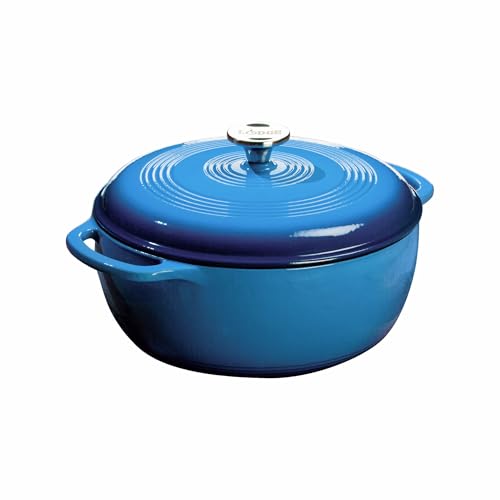


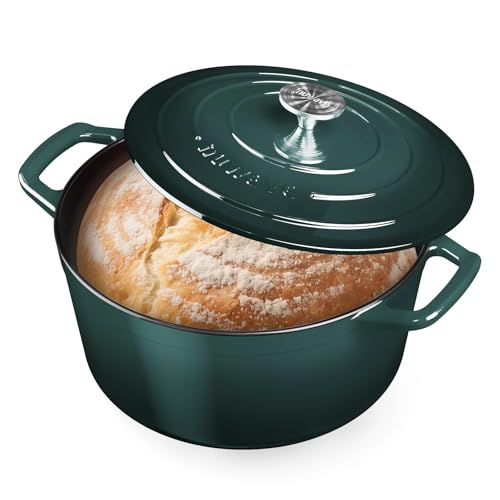

Quick Answer: What a Good 6 Quart Pot Looks Like
For most homes, an enameled cast iron pot in a round shape is the easiest place to start. It moves from stovetop to oven, handles acidic foods like tomatoes, and needs no seasoning. Choose bare cast iron if you want a lower price and do not mind upkeep. Choose a lighter material only if lifting a full pot is a concern, and check heat limits with care, since some light pots cannot match cast iron for browning or high oven heat.
Before You Buy: A Quick Checklist for Choosing a Dutch Oven
Before ordering, measure your oven, your storage shelf, and the burner you use most. Then weigh material, lid fit, handles, and price against how often you cook.
Size: Match It to Your Space
Smaller sizes such as 2 quart, 3.5 quart, and 4 quart suit sauces, side dishes, and meals for one or two people. Mid sizes such as 5 quart and 5.5 quart can feel tight for a whole chicken. A 6 quart pot serves about four to six people and holds most standard bread loaves. Larger sizes such as 7 quart, 8 quart, and 9 quart help with big gatherings, yet feel heavy when full. Check the full picture in our guide on what size dutch oven do i need before you settle on capacity alone.
Which Type Fits Your Routine
Enameled cast iron is the most forgiving type for daily cooking. The glass coating over the iron resists stains, handles tomato based sauces, and wipes clean with little effort. Bare cast iron costs less and tolerates very high heat, but it needs seasoning and should not soak in water. Stainless steel is lighter and reacts fast to burner changes, though it browns meat less evenly. If the enamel route appeals to you, see our guide to the best enameled cast iron dutch oven styles for a closer look at that material.
Features Worth Paying For and Ones to Skip
A tight fitting lid matters more than almost any extra. It traps moisture for braises and helps the pot hold a steady simmer. Lids with small bumps underneath return condensed liquid to the food as it cooks. A metal knob is worth paying for, since some plastic knobs have low oven limits. Wide loop handles help you grip the pot with thick mitts. Skip decorative finishes and bundles you will not use.
Is a Dutch Oven Non Toxic?
Cast iron, enameled cast iron, and stainless steel cooking surfaces contain no PFAS or PTFE coatings, which is one reason many home cooks prefer them. Enamel is a glass layer fused to the iron, and it stays stable at normal cooking heat. Bare cast iron adds a seasoning layer built from heated oil. If a nonstick style pot is on your list, read its coating details closely, since damaged coatings should not stay in daily use.
Induction, Gas, and Glass Top Compatibility
Cast iron and enameled cast iron work on gas, electric, and induction cooktops, because the iron base responds to a magnetic field. On a glass top, lift the pot instead of sliding it, since a rough bare iron base can scratch the surface. Match the pot base to your largest everyday burner. A base far wider than the burner heats unevenly.
Oven Safe Temperature and Handles
Most cast iron pots tolerate oven heat well beyond what home recipes require, but the knob and the enamel finish set the real limit for each model. Check the stated limit before you plan broiler use or high heat bread baking. Phenolic knobs often carry a lower limit than metal ones, and swapping a knob later adds cost. Handles should feel secure with mitts on and keep your knuckles clear of the pot wall.
Realistic Budget Ranges
At under $50, expect bare cast iron or basic enamel with thinner walls and a simpler finish. At about $50 to $100, you find solid everyday enameled pots that suit most soup, stew, and bread recipes. At about $100 to $200, fit and finish improve, lids seal better, and enamel tends to resist chips longer. At about $200 to $300, you pay for refined casting and strong warranties. Above about $300, cooking gains grow small.
Types Compared: Three Styles That Suit Most Homes
Enameled Cast Iron for Most Homes
This style suits cooks who want one pot for soup, braises, pasta sauces, and bread, with simple cleanup after each meal. The enamel surface does not react with acidic foods and needs no seasoning. Weight is the main trade off, since a full pot can be hard to lift from a low oven. If you bake often, our guide to the best dutch oven for bread explains how lid shape and base size affect a loaf.
Bare Cast Iron for Value and High Heat
Bare cast iron suits cooks who sear often, cook over open flame, or want the lowest entry price. It tolerates high stovetop heat and moves from burner to oven without an enamel layer to protect. In return, you must dry it well, keep the seasoning in good shape, and avoid long soaks. Acidic sauces cooked for hours can strip seasoning, so this style fits shorter tomato dishes better.
Lightweight Options for Easier Lifting
Stainless steel and other lighter pots suit cooks who struggle with the weight of iron or who move a full pot from stove to table often. They store easily and respond quickly when you lower the heat. The trade off is heat retention. A thin pot cools faster when cold food goes in, so browning happens in smaller batches. Look for a thick base that spreads heat.
How to Judge a Dutch Oven Before You Buy
Compare styles using the factors that shape daily use in a home kitchen: how evenly the base heats, how durable the cooking surface is, which cooktops and oven heats the pot allows, and how much effort cleaning takes. Read the listed heat limits and look for patterns in buyer reviews, such as chipped enamel or loose lids.
Is a 6 Quart Dutch Oven the Right Size for You?
The best 6 quart dutch oven covers the middle ground most households live in. It holds a batch of soup for four to six people, a whole chicken with vegetables, or a standard loaf with room for the dough to expand. It still fits on one burner and slides into a standard oven without touching the walls. If you often cook for eight or more, or you freeze very large batches, a bigger pot may serve you better. If you mostly cook for one or two, a smaller pot heats faster and stores in less space.
Think about how it compares with nearby tools in your kitchen. The short guide on dutch oven vs stock pot shows why a tall thin stock pot boils pasta water well but cannot braise or go under a broiler the same way. A Dutch oven earns its shelf space when you brown, simmer, and finish dishes in the oven inside one vessel.
Common Buying Mistakes to Avoid
- Buying on capacity alone, then finding the pot is too wide for your oven or too tall for your shelf once the lid sits on top.
- Ignoring total weight, so a pot that felt fine empty becomes a strain when it is full of soup and you lift it with mitts.
- Choosing a low limit knob or finish, then learning it cannot handle the oven heat your bread recipe needs.
- Paying for extra features and bundles while skipping basics like lid fit, handle room, and a base that matches your burner.
- Forgetting the cost of ownership, such as replacement knobs, storage space, and the time a bare iron pot needs for seasoning care.
Cost of Ownership and Care
A good Dutch oven has few ongoing costs. There are no filters, pads, or liners to replace, and energy use depends mostly on your stove and oven habits. Your real costs are small items like a replacement knob and soft sponges that protect enamel. Store the pot with the lid slightly ajar or with a cloth between lid and rim, which protects the enamel edge from chips. Our full guide on how to clean a dutch oven covers washing steps in detail.
Let the pot cool before you wash it, since a sudden plunge into cold water can stress enamel. Dry bare iron on low heat and add a thin coat of oil while it is warm.
Your Questions, Answered
What makes a Dutch oven brand reliable?
Reliability shows up in steady casting quality, enamel that resists chips under normal use, and a warranty the maker honors without a fight. Look for clear published heat limits, available replacement parts such as knobs and lids, and a long record of the same model staying in production. Price alone says little, since some costly pots differ mainly in color range and finish detail.
How do you clean a Dutch oven without harming the finish?
Start with warm water and a short soak, then lift food loose with a wooden spoon or a soft scraper instead of a metal edge. A paste of baking soda and water can ease browned spots on enamel when you rub gently with a soft sponge. Avoid steel wool on enamel and avoid soaking bare iron at all. For a stubborn film on bare iron, simmer plain water in the pot, dry it on the stove, and refresh the seasoning.
Is a Dutch oven worth it for a small kitchen?
It can be, because one pot can stand in for a soup pot, a braiser, and a bread baking vessel, which frees cabinet room taken by single task items. The case grows weaker if you rarely cook meals that start on the stove and finish in the oven. Count how many of your weekly meals would truly use it. If the answer is three or more, the pot will likely earn its place.
How long does a Dutch oven last?
Bare cast iron can serve for decades and can often be restored with cleaning and fresh seasoning even after neglect. Enameled cast iron lasts many years too, but its working life depends on the enamel staying intact. Watch for a network of fine cracks in the coating, deep chips that expose iron at the cooking surface, or a lid that no longer sits flat.
What size Dutch oven do I need for a family of five?
For five people, 6 quart usually works for soups and stews served with bread or rice on the side. Before you buy, check two measurements people often skip. First, the pot height with the lid on should clear your lowest oven rack position with room to spare. Second, picture your tallest regular meal, such as a stacked roast with root vegetables, and confirm the food sits below the rim so the lid closes fully.
Final Thoughts
Match the material to your routine, the base to your burner, and the size to your shelf, and the best 6 quart dutch oven for your home becomes an easy call. Look back at the product table above before you order, confirm the heat limit and knob type, and you will choose a pot that serves your family well for years.


