
Best 4 Quart Dutch Ovens (2026): Materials, Fit and Care
Disclosure: We may earn a commission when you buy through links on this page, at no extra cost to you. As an Amazon Associate I earn from qualifying purchases. Learn more

A guide to the best 4 quart dutch oven: enameled, bare cast iron and lighter options compared.
A 4 quart pot sits on the stove in many homes week after week because it fits real life. It holds soup for tonight and lunch tomorrow, yet it still fits in a crowded cabinet and lifts without strain. If you are looking for the best 4 quart dutch oven for your space, household size, and budget, this guide walks through the choices that matter most. You can also compare the wider category in our guide to the best dutch oven options for other homes.
Start with how you cook most weeks, not with a color or a sale price. The comparison table below sums up the main types, and the sections that follow explain size, material, lids, handles, and care.

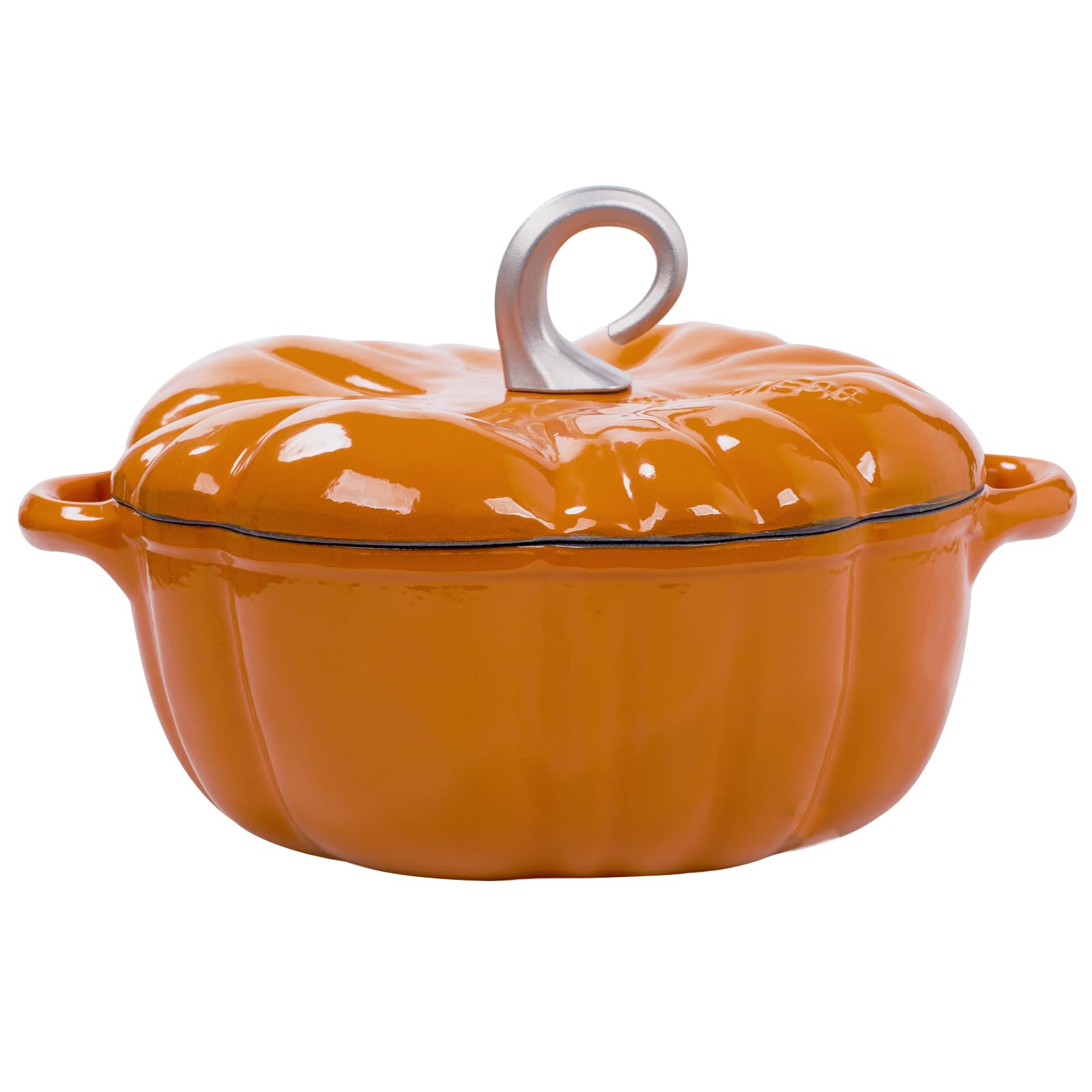


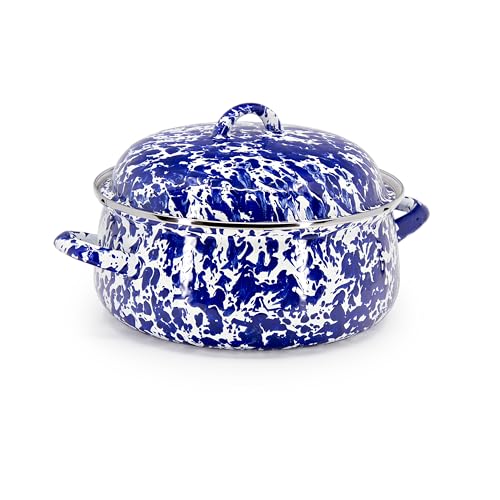


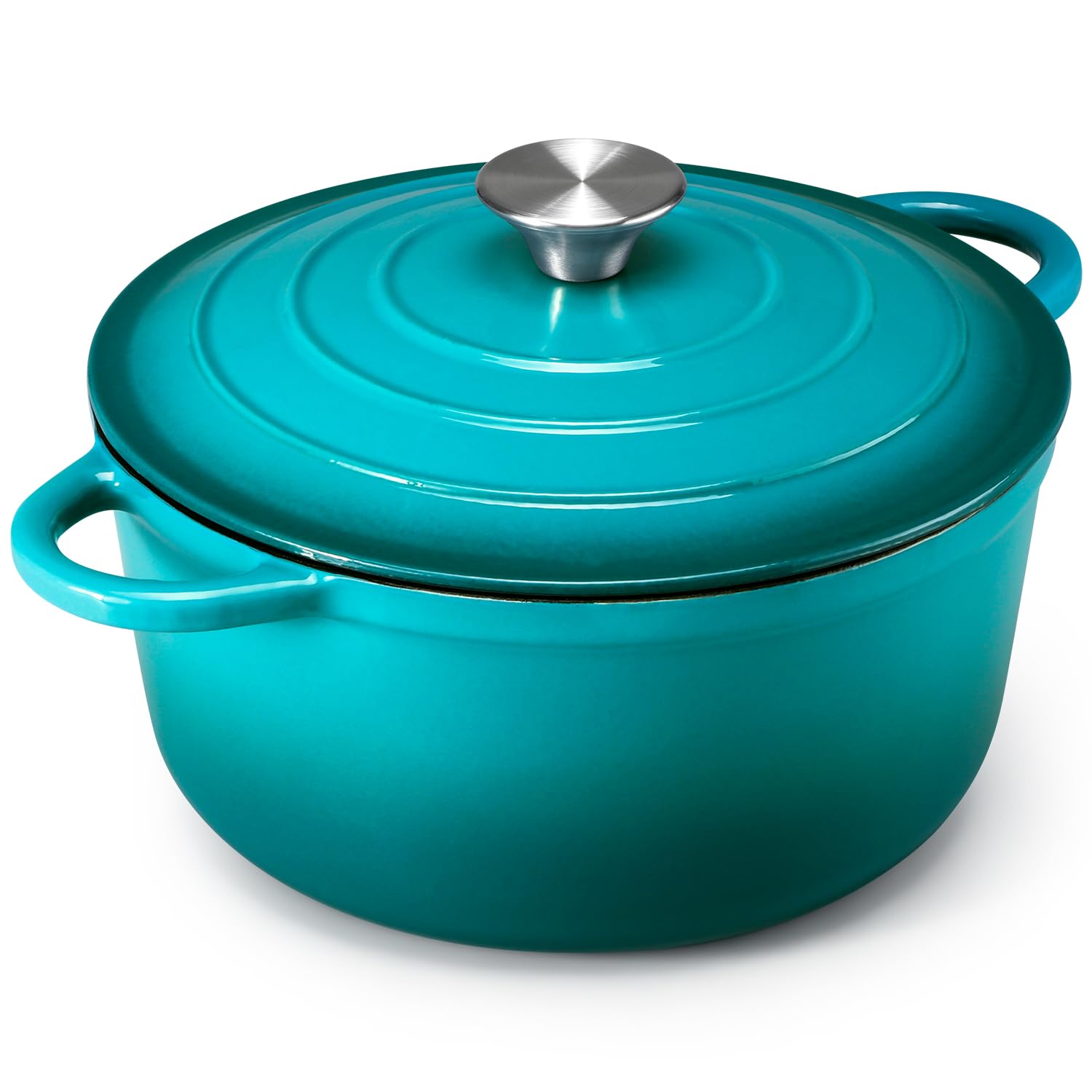
Quick Answer: The Main Types in 30 Seconds
Enameled cast iron is the most versatile choice for most homes because it moves from stove to oven and needs no seasoning. Bare cast iron costs less and suits cooks who like seasoning and very high heat. Stainless steel and ceramic options weigh less, but they suit a narrower set of meals. For most two to four person households, a round enameled model covers the widest range of daily cooking.
Before You Buy: A Quick Checklist for Choosing a Dutch Oven
Use this checklist before you look at any single model. A pot that matches your burner, oven, and routine will serve you far better than one chosen for looks alone.
Size: Match It to Your Space
A 4 quart pot holds about 16 cups and works well for meals for two to four people, with room for a modest whole chicken or a batch of stew. Smaller 2 quart and 3.5 quart pots suit sides and reheating, while 5 quart and 6 quart pots add space for guests. Larger pots need more storage and weigh a lot more when full. Measure your cabinet depth and check the pot diameter against your largest burner. If you are still weighing sizes, the guide on what size dutch oven do i need explains capacity by servings and recipes.
Which Type Fits Your Routine
Enameled cast iron has a smooth coating over iron, so it resists rust and handles tomato sauces and wine braises without extra care. Bare cast iron needs seasoning and dry storage, but it tolerates metal tools and high heat. Stainless steel is lighter and often has a layered base, while ceramic is best for gentle oven use. Oval shapes fit a whole chicken lengthwise but heat less evenly on a round burner, so round shapes suit most stoves best. If enameled iron appeals to you, compare the broader best enameled cast iron dutch oven category for shape and finish options.
Features Worth Paying For and Ones to Skip
A heavy lid that sits flat helps trap steam, and small bumps under the lid can drip moisture back over food as it cooks. Wide loop handles give you a secure grip with oven mitts, which matters when the pot is full and hot. A metal knob matters if you bake at high heat, since some plastic knobs have lower oven limits. Skip bundled extras such as trivets or recipe books if they raise the price. Focus your budget on the pot body, lid fit, and handle comfort first.
Is a 4 Quart Dutch Oven Free of Problem Coatings?
Enameled cast iron, bare cast iron, and stainless steel do not rely on the slick coatings used on many nonstick pans. The enamel is a glass based coating fused to iron, and it should be free of chips. Ceramic pots vary by maker, so read the materials list for that model. When in doubt, choose a plain material with clear care guidance over a coated surface with vague claims.
Induction, Gas, and Glass Top Compatibility
Cast iron and enameled cast iron work on gas, electric coil, glass top, and induction stoves because iron responds to magnetic induction. Stainless steel works on induction only if the base is magnetic, so check the base description before you buy. On glass top stoves, lift the pot instead of sliding it, since a heavy base can scratch the surface. Match the pot base to the burner size as closely as you can, since a far wider base wastes energy and heats unevenly.
Oven Safe Temperature and Handles
Most enameled and bare cast iron pots handle oven heat well, but the knob and enamel finish set the real limit for a given model. Check the stated oven limit against the heat you use for bread and roasts. Handles should feel stable when you lift with two mitts. Short, wide handles take less oven space than long handles. If a lid handle feels small or slick, it will feel worse when hot.
Realistic Budget Ranges
Under about $50, expect basic bare cast iron or simple enameled pots with fewer finish choices. From about $50 to $100, you gain more even enamel, better lid fit, and more colors. From about $100 to $200, fit and finish improve further, with smoother enamel and stronger warranty support. Above about $200 to $300, you pay mostly for refined details and broad color ranges. A higher price does not change capacity, so spend more only when the details match how you cook.
Types Compared for a 4 Quart Dutch Oven
Instead of ranking named models, compare the three broad types below. Each type can be right, depending on your stove and how much upkeep you accept.
Enameled Cast Iron for Most Homes
This type suits daily soups, braises, rice, and oven roasts with the least upkeep. It holds heat steadily, so food simmers at a low setting without constant stirring, and it goes to the table for serving. The enamel can chip if struck hard or heated empty for a long time, so it asks for basic care. It weighs more than steel or ceramic, but in this size the weight stays manageable for most adults.
Bare Cast Iron for Value and High Heat
Bare cast iron often costs the least and stands up to very high heat, metal tools, and outdoor cooking over coals. It needs seasoning, prompt drying, and a thin coat of oil after washing to prevent rust. Acid rich foods can wear seasoning during long cooks, so some owners save this type for bread, frying, and roasts. In return, it can last for decades and can be restored if rust forms.
Lighter Options for Easy Lifting
Stainless steel and ceramic pots weigh noticeably less, which helps if lifting a full iron pot feels hard on your wrists. Steel heats fast and suits sauces and boiling, but it does not hold heat as long once off the burner. Ceramic suits oven casseroles and gentle baking, yet it can crack with sudden temperature change. Neither type matches iron for slow braises, but both work for lighter daily meals.
How to Judge the Best 4 Quart Dutch Ovens
Judge types by heat distribution, durability, material safety, stove and oven compatibility, and ease of cleaning. Rely on maker specifications for capacity, materials, and oven limits, and on patterns in verified buyer feedback about lid fit, chipping, and handle comfort. The focus here is fit for home size, daily use, and total cost of ownership.
Is a 4 Quart Dutch Oven the Right Size for You?
This size shines for couples, small families, and single cooks who like leftovers. It holds a batch of soup, a pot of beans, or a braise for three to four servings without crowding. It also fits in a standard oven alongside a sheet pan more easily than a 6 quart pot. Bread bakers like it for compact loaves, and the guide to the best dutch oven for bread covers loaf shape and crust in more depth.
It may feel small if you host six or more people often or make stock in big batches. In those cases a larger pot or a tall stock pot may serve you better, and the comparison of dutch oven vs stock pot explains when each shape wins. Think about your most common meal, not your biggest holiday meal, when you decide.
Common Buying Mistakes to Avoid
- Buying for holiday crowds instead of weekly meals, which leaves you with a heavy pot you avoid lifting.
- Ignoring knob and lid limits, which can rule out the high heat you need for bread.
- Choosing an oval pot for a small round burner, which leads to uneven heating along the ends.
- Skipping storage measurements, which can leave a new pot with no safe place to live.
- Paying for bundled extras you will not use, while settling for a loose lid or small handles.
Cost of Ownership and Care
Daily care is simple and cheap. Wash enameled pots with warm water, a soft sponge, and mild soap, and dry them before storage to protect the rim. Bare iron needs drying on the stove and a light coat of oil now and then. Avoid sudden cold water on a hot pot, and use wood or silicone tools on enamel to limit marks. With normal care, a good pot needs no replacement parts beyond perhaps a new knob. For deeper stains and stuck food, the guide on how to clean a dutch oven gives step by step methods by material.
Store the pot with the lid slightly ajar or with a cloth between lid and base to prevent moisture and odors. Keep it where you can lift it with two hands and a straight path to the stove, since a hard to reach spot leads to less use.
Your Questions, Answered
Can a 4 quart dutch oven hold a whole chicken?
Yes, in most cases a chicken of about 3 to 4 pounds fits with vegetables tucked around it, as long as the lid closes fully. Larger birds need a wider or oval pot. Trussing the legs helps the bird sit lower, and resting the chicken on sliced onions lifts it clear of the base. If the lid lifts even slightly, choose a smaller bird so steam stays inside.
How do you clean a 4 quart dutch oven after a braise?
Let the pot cool until warm, then soak it in warm water for about 15 to 20 minutes to loosen residue. A soft sponge and mild soap lift most remains without harm to enamel or seasoning. For stubborn spots on enamel, simmer water with a spoon of baking soda, cool, and wash again. Never use steel wool on enamel, and dry bare iron at once to stop rust.
Is a 4 quart dutch oven worth it for a small kitchen?
Yes, if you make soups, grains, and braises at least twice a month, because one pot replaces a saucepan, a small stock pot, and a casserole dish. In a small kitchen that range of use earns its shelf space. If you mostly boil pasta or reheat single servings, a lighter saucepan may suit you better.
How long does a 4 quart dutch oven last?
A cast iron or enameled cast iron pot can last for decades with basic care, since the body itself rarely wears out. Enamel may gain fine lines or small chips over years of use, but the pot often stays useful if the cooking surface stays intact. Bare iron can be restored after rust or worn seasoning.
Can a 4 quart dutch oven bake sourdough bread?
Yes, it suits compact loaves made from about 500 grams of dough, giving strong oven spring and a crisp crust. Preheat the pot so the dough starts on a hot surface, and use parchment to lower the loaf safely. A tight lid traps steam for the first part of the bake, which helps the crust stay thin and crisp.
Final Thoughts
For most homes, enameled cast iron offers the best mix of steady heat, simple care, and daily ease. Bare iron wins on price and toughness, while lighter steel and ceramic win on lifting comfort. Whichever type you choose, the best 4 quart dutch oven is the one that fits your burner, your oven, and the meals you cook each week. Look back at the product table above, match it to your space and routine, and you will choose well the first time.


