
Best 6 Inch Springform Pans (2026): Sizes, Types and Prices
Disclosure: We may earn a commission when you buy through links on this page, at no extra cost to you. As an Amazon Associate I earn from qualifying purchases. Learn more

Choosing the best 6 inch springform pan? Small cheesecakes and compact bakes need a leak resistant 6 inch pan.
Your counter is already full, your oven is modest, and you cook for one or two people most nights. A full size cake pan makes too much food and takes storage you do not have. Choosing the best 6 inch springform pan solves that problem, because it bakes a small cheesecake, a compact quiche, or a layered cake without leftovers sitting for a week. The comparison table below groups the main types by material, finish, and care so you can match one to your space and routine.
This guide focuses on daily use at home. You will learn how diameter and height change portions, which base and latch designs release food cleanly, and what ownership costs over time.

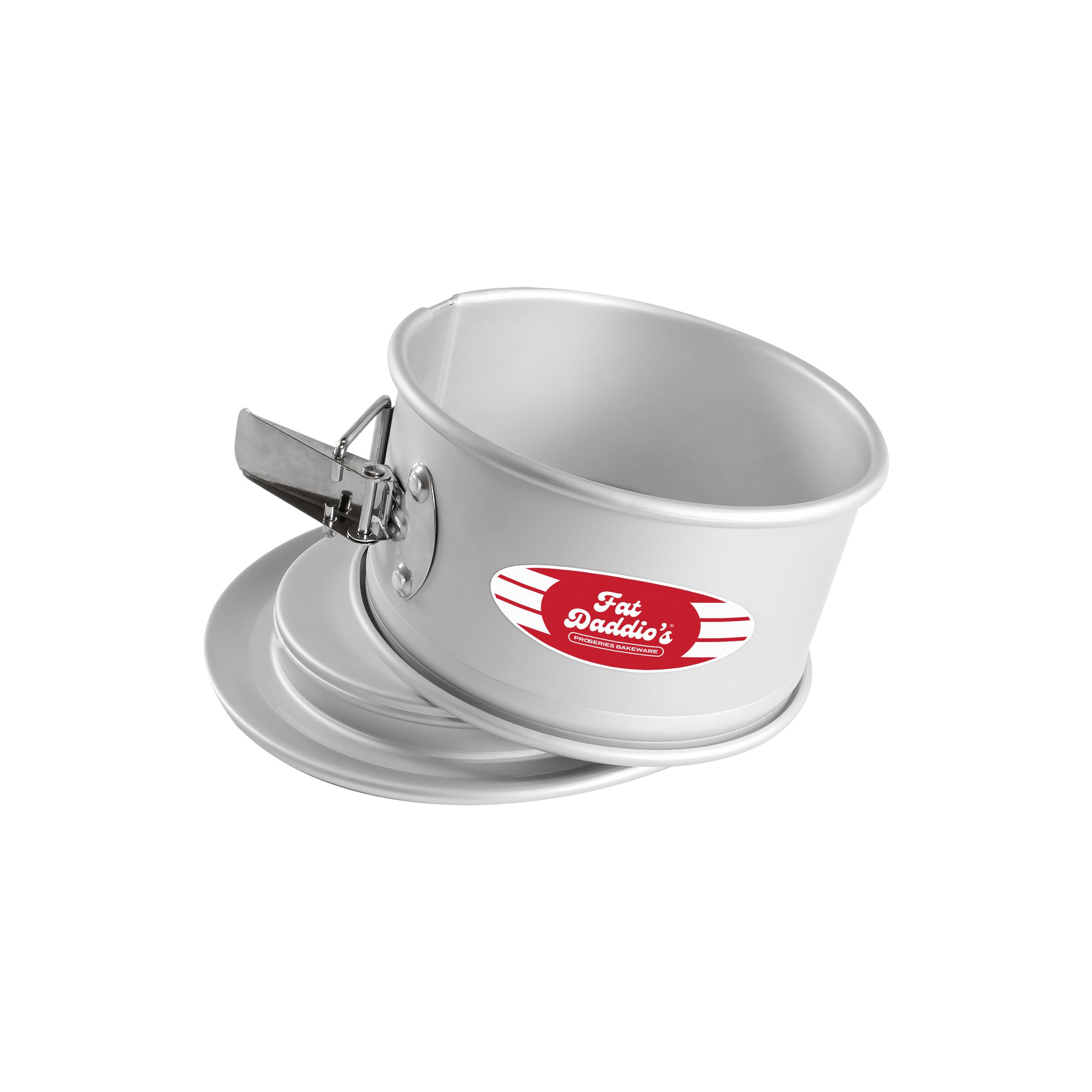
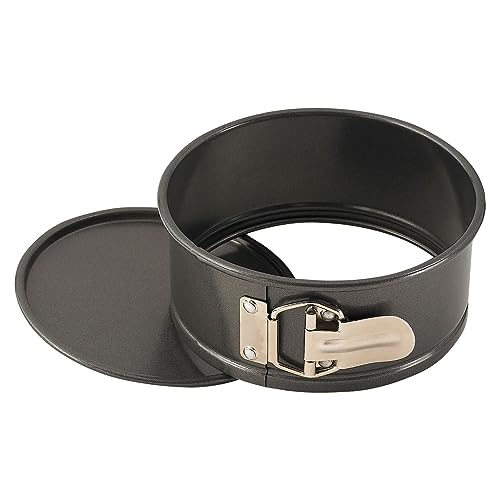

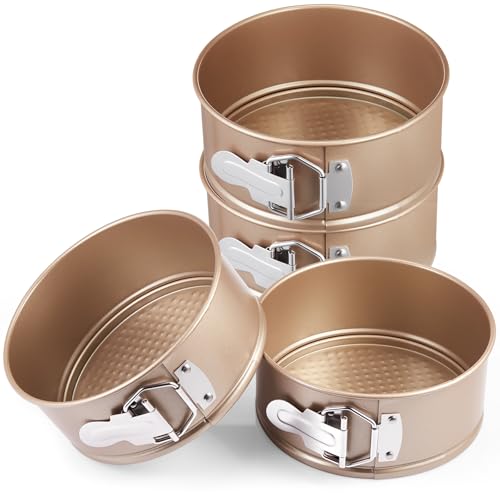
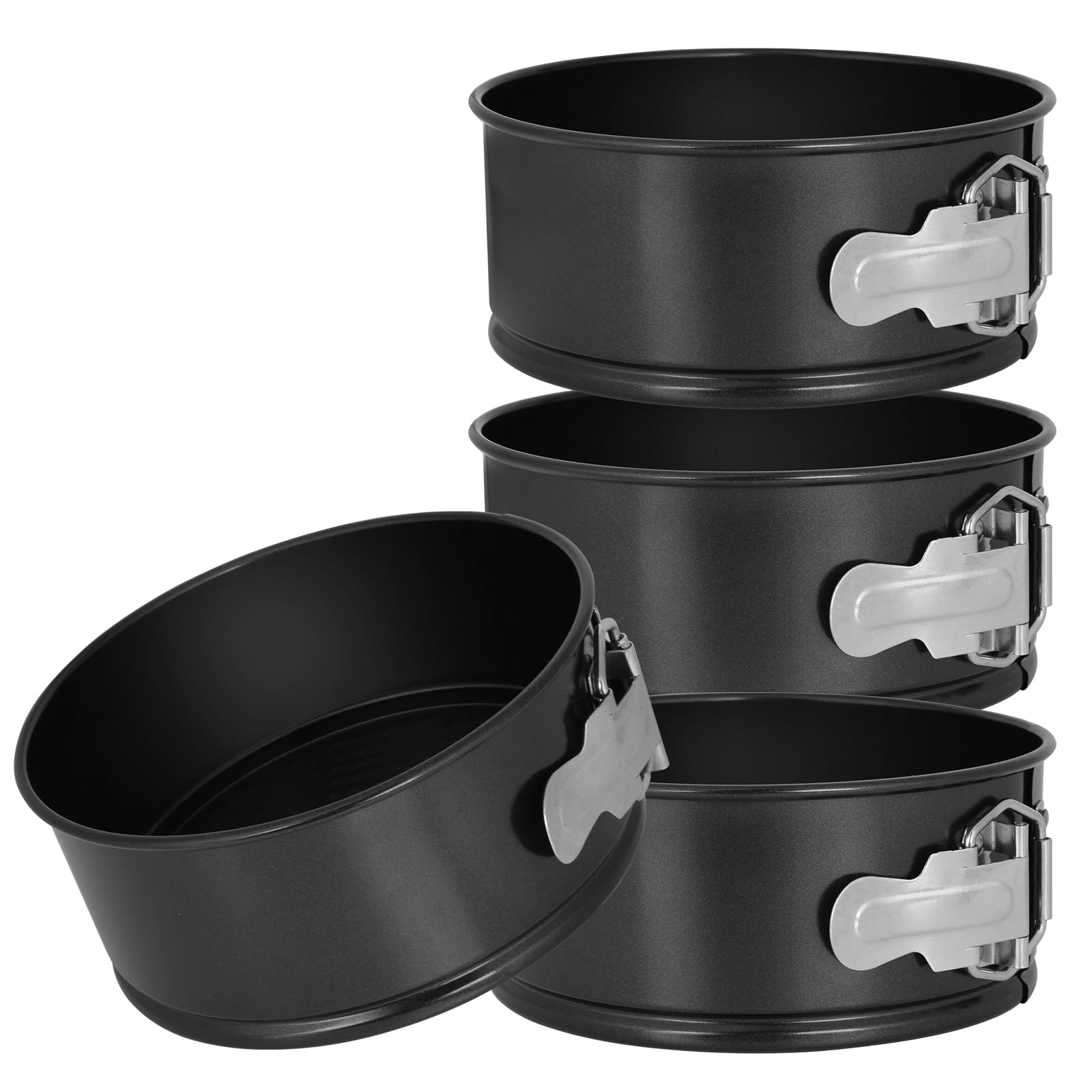
Quick Answer: Choosing a 6 Inch Springform Pan in 30 Seconds
Start with size and routine. A 6 inch pan suits one to four servings, small ovens, and compact cabinets, and it fits inside many pressure cookers and larger air fryers. Pick nonstick steel for easy release, uncoated aluminum for light weight, and heavier steel with a raised base if you bake often. If you are weighing the broader category, see our guide to the best springform pan for how the latch and base system works across sizes.
Before You Buy: A Quick Checklist for Choosing a Springform Pan
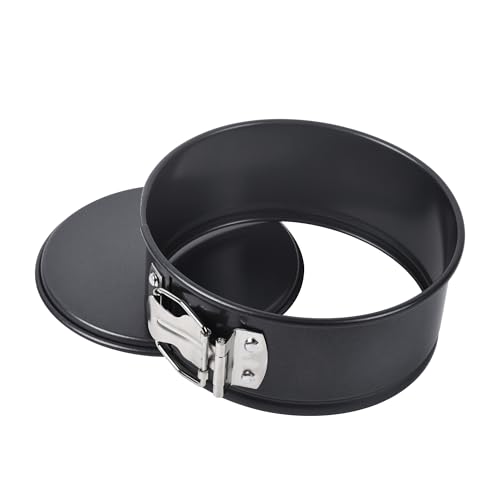
A springform pan has two parts, a ring with a latch and a flat base that the ring clamps around. The seal between those parts, the metal thickness, and the finish decide whether batter stays inside and whether the finished bake lifts out intact.
Size: Match It to Your Space
Measure before you buy, because the latch adds width beyond the stated diameter. A pan sold as 6 inch refers to the inside baking width, while the outside is a little wider and needs clearance on the rack and in storage. Height matters too, with most options around 2 to 3 inches tall. A taller ring suits deep cheesecakes, while a shorter ring suits quiche. For a classic dessert fit, compare your needs with the best springform pan for cheesecake before you settle on height.
Which Type Fits Your Routine
Nonstick steel is the most common choice, because the coating helps delicate crusts release and cleanup stays simple. Uncoated aluminum is lighter and browns gently, but it needs greasing and often a parchment circle on the base. Glass base models let you serve on the base itself, though the glass adds weight. Silicone rings feel flexible, yet they can feel less stable when you carry a full pan. Stainless steel costs more and resists staining, but release depends more on preparation.
Light vs Dark Finish and Browning
Finish changes how the crust colors. Light finishes reflect heat and give paler, more even edges, which suits delicate cakes. Dark finishes absorb more heat and brown the sides and bottom faster, which can help a firm crust but can overbrown a tender crumb if the oven runs hot. If your oven has strong bottom heat, a light finish paired with a baking sheet under the pan gives a gentler result and catches small drips.
Oven Safe Temperature Limits
Check the stated oven limit, because coatings and silicone parts set the ceiling rather than the steel itself. Many nonstick pans are rated to about 450 degrees Fahrenheit, while uncoated metal often tolerates higher heat. Many makers advise against broiler use for coated pans. Let the pan cool before you open the latch, since a sudden temperature change can warp a thin base.
Nonstick Coating vs Uncoated Surfaces
A coating reduces the need for heavy greasing and helps a sticky filling release along the ring, which matters when the sides must look clean for serving. The trade off is care, because metal tools and abrasive pads can damage the surface. Uncoated metal asks more of your preparation, so learning how to grease a springform pan properly makes a real difference. With a light coating of fat and a parchment circle, uncoated pans release reliably without coating wear worries.
Realistic Budget Ranges
Most 6 inch pans for home use fall between about $10 and $30. Around $10 to $15, expect thinner metal, a basic latch, and a coating that needs gentle care. About $15 to $25 usually brings a sturdier base, smoother latch action, and a more even finish. Above about $25, you pay for heavier gauge metal, a tighter seal, and rolled edges. Price alone does not promise a leak free bake, so seal and base fit matter more than the tag.
Types Compared: How 6 Inch Springform Pans Differ
Instead of ranking individual models, compare the three build types below. Each suits a different household pattern, and the right choice depends on how often you bake, what you bake, and how much care you will give the pan.
Versatile Nonstick Steel for Most Homes
This type balances release, weight, and price for everyday baking. The steel body holds its shape, the coating helps cheesecake and tortes come away cleanly, and the latch usually opens with one hand. It suits households of two to four who bake a few times a month and want predictable results without special preparation. The main limit is coating care, so use soft tools and hand washing to keep the surface smooth.
Simple Uncoated Aluminum for Low Cost
Uncoated aluminum keeps cost and weight low, which helps if storage is tight or grip strength is limited. It heats quickly and evenly for its thickness, and you never worry about damaging a coating. Release depends on preparation, so butter the ring, line the base, and let the bake cool before you unlatch it. For occasional bakers, this simple build often covers the need without paying for features you will rarely use.
Heavy Gauge Steel with a Reinforced Base for Long Term Use
A heavier build suits frequent bakers who value stability over low weight. Thicker walls reduce flex when you carry a full pan, a wider base lip can catch small drips, and a firm latch tends to keep its tension longer. These pans cost more and feel heavier when full, so consider your comfort lifting them from a low oven. If you bake weekly, the extra sturdiness can be worth the higher price.
How to Judge a 6 Inch Springform Pan Before You Buy
Compare pans on heat distribution, food release, warp resistance, and cleaning, using the listed dimensions and patterns in buyer reviews. Heat distribution matters because a small pan has less mass to even out hot spots. Food release and seal quality decide whether your work survives removal.
Is a 6 Inch Springform Pan the Right Size for You?
The best 6 inch springform pan holds roughly half the batter of a 9 inch pan, so recipes need scaling rather than a simple swap. That smaller yield is the point for many homes, giving you four modest slices of cheesecake or a small layer cake for two people without waste. It also suits small ovens, toaster ovens with enough height, and apartment kitchens where a large pan crowds the rack. If you regularly feed six or more people, look at the best 9 inch springform pan instead, since doubling a small bake takes more time than using one larger pan.
Storage matters as well. A single 6 inch pan stacks inside larger pans and leaves room for other bakeware in narrow cabinets. For holidays where you need a centerpiece cake, the best 10 inch springform pan gives you volume this size cannot. Many bakers keep the small pan for weekly use and buy a larger one only for gatherings.
Common Buying Mistakes to Avoid
- Buying on diameter alone and ignoring the latch width, so the pan does not fit your small oven or cooker insert.
- Assuming any pan labeled leakproof will hold a thin batter without a foil wrap or a baking sheet beneath it.
- Choosing a dark finish for delicate cakes and then blaming the recipe when the edges brown too fast.
- Paying for a large set when you only need one small pan, which adds storage cost and pieces you never use.
- Using metal tools or abrasive pads on a coated surface, so release gets worse with every bake.
- Skipping the height check, so a tall cheesecake overflows a short ring or a quiche looks lost in a deep one.
Cost of Ownership and Care
Ownership cost stays low when you protect the latch and the base fit. Wash the ring and base separately in warm soapy water, dry both parts fully, and use a soft sponge for coated surfaces. Following clear steps for how to clean a springform pan helps you remove residue from the latch groove, where batter can hide and harden. Store with a cloth between base and ring if you stack bakeware on top, since dents can break the seal.
Parchment circles and foil are the main consumables. A water bath is common for cheesecake, so budget for wide foil if you bake that style often. If the latch loosens, the coating bubbles, or the base warps so the ring no longer clamps evenly, replacement is safer than forcing a seal that can leak hot batter.
Your Questions, Answered
Can you use a 6 inch springform pan in a pressure cooker or air fryer?
Yes, in many models, provided the outside width including the latch clears the inner pot or basket with room for air or steam to move. Measure both before you assume a fit, and leave space to lift the hot pan out with a sling or mitts. Reduce the volume so batter stays below the ring top, since pressure cooking can push a full filling upward.
How do you stop a 6 inch springform pan from leaking in a water bath?
Set the pan on a wide sheet of foil and fold the foil up the outside before you place it in the bath, keeping the seam above the water line. Use one unbroken sheet when you can, because overlapping pieces can channel water toward the base joint. A rack or towel in the outer pan helps you lift the finished bake out steadily.
Is a 6 inch springform pan worth it if you already own a regular cake pan?
It can be, because the removable ring solves a problem a fixed pan cannot, which is releasing a fragile bake without turning it upside down. Cheesecake, mousse cakes, and deep quiche with a delicate crust benefit most from that side release. If you only bake sturdy layer cakes that you already turn out cleanly, the added value is smaller. For small households, the portion control alone often justifies the modest cost and the small storage footprint.
How long does a 6 inch springform pan usually last?
An uncoated metal pan can last many years if the latch keeps its tension and the base stays flat. A coated pan has a shorter surface life, often a few years of regular use, because the coating wears even with careful washing and soft tools. Latch fatigue is the other limit to watch, since a ring that no longer clamps firmly will leak regardless of the surface condition. Replacing the pan when the seal fails protects your oven and your recipes.
What batter amount should you use when scaling a recipe down to 6 inches?
Start with about half the batter of a 9 inch recipe and check the fill level rather than pouring it all in by habit. Fill the ring to about two thirds to three quarters full for cakes that rise, and leave a little more room for cheesecakes baked in a water bath. Keep the leftover batter for a small ramekin bake instead of overfilling, since overflow in a springform design can reach the latch and bake into the mechanism.
Final Thoughts
For most small households, sturdy nonstick steel covers cheesecake, quiche, and small layer cakes with the least fuss, while uncoated aluminum keeps costs low for occasional baking. Look again at the product table above to compare finish, height, and care needs side by side before you decide. If the best 6 inch springform pan for your home is the one you will actually reach for each week, choose the build that fits your oven, your storage, and your patience for care, and it will earn its place in a small cabinet.


