
Best 10 Inch Springform Pan (2026): Features and Buying Tips
Disclosure: We may earn a commission when you buy through links on this page, at no extra cost to you. As an Amazon Associate I earn from qualifying purchases. Learn more

Shopping for a best 10 inch springform pan? Here is what to check on size, build, features and budget before you buy.
Your cabinet is already full, a cheesecake needs to feed the whole table, and a pan that leaks will turn a calm weekend bake into a cleanup job. The best 10 inch springform pan for your home gives you room for generous slices, a base that seals well, and a size you can store without reshuffling every shelf.
This guide helps you choose by household size, storage space, and budget. Start with the comparison table below, then use the checklist that follows to narrow your choice.


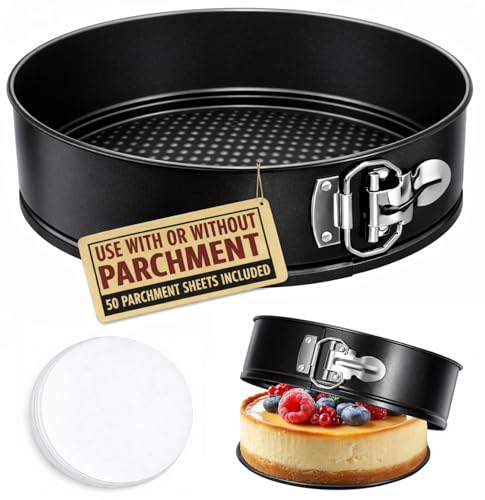


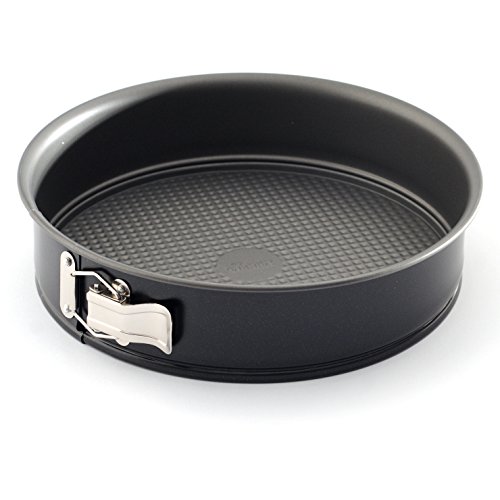


Quick Answer: The Three Types That Fit Most Homes
Most households land on one of three types. A nonstick steel pan with a tight latch suits most homes because it releases cheesecake cleanly. A simple uncoated steel pan at a lower price suits careful bakers who line pans with parchment. A heavier gauge pan suits frequent bakers who want fewer replacements.
All three share the same 10 inch footprint, so your choice comes down to coating, base design, and how often you bake. Our broader guide to the best springform pan covers the full size range in one place.
Before You Buy: A Quick Checklist for Choosing a Springform Pan
Work through these six points before you order. Each one affects daily use in a real kitchen, from fitting the pan in a drawer to washing it after dinner.
Size: Match It to Your Space
A 10 inch pan holds more batter than 6 inch, 7 inch, 8 inch, and 9 inch pans, and it serves about 10 to 12 people. It needs a shelf at least 11 inches wide once you count the latch. Measure your storage spot and oven rack before buying. If space is tight, compare the best 9 inch springform pan options, which fit smaller cabinets more easily.
Which Type Fits Your Routine
Nonstick pans release delicate crusts with the least fuss, while uncoated steel and stainless steel reward bakers who grease and line every time. Glass bottom pans let you serve at the table, and silicone pans store in tight spaces but feel less firm with a full batter. If you use a water bath often, look at the best leakproof springform pan designs, where the base sits in a raised lip that helps hold liquid in.
Light vs Dark Finish and Browning
Finish color changes how your crust browns. Dark finishes absorb more heat, so crusts color faster and can turn too dark at the edges. Light finishes brown more gently and give you a wider margin for pale cheesecakes and sponge layers. If you switch from light to dark, check the bake a few minutes early the first time. Most households that value predictable results keep one light pan as their main pan.
Oven Safe Temperature
Check the stated oven limit before you buy, and match it to how you actually bake. Most home cakes bake at moderate heat, well within the range of steel pans, but some coatings and silicone parts have lower limits than bare metal. Glass bases can have separate limits from the metal ring, so read both numbers. If you plan to use the broiler, confirm the whole pan is rated for that use, or choose plain metal.
Nonstick Coating vs Uncoated
A sound nonstick coating lets the ring lift away without tearing a soft crust, and it reduces soaking after baking. Uncoated pans have no coating to wear thin, but they ask for careful prep each time. Learning how to grease a springform pan properly, with a thin even layer plus a parchment circle, makes an uncoated pan far more reliable. Choose nonstick for ease, or uncoated to avoid replacement coatings.
Realistic Budget Ranges
Pans under $20 usually give you basic steel, a simple latch, and a coating that needs gentle handling. Pans at about $20 to $30 tend to add a firmer base, a smoother latch, and more even walls. Pans at about $30 to $50 often use heavier metal and tighter seals built for frequent use. For occasional baking, the middle band is often enough. For weekly baking, paying more once can cost less than replacing a thin pan.
Three Types of 10 Inch Springform Pan
Instead of chasing a single brand, match one of these three types to your routine. Each type below covers the same buying factors in a different balance of ease, price, and lifespan.
Nonstick Steel With a Tight Base for Most Homes
This type pairs medium weight steel with a smooth nonstick surface and a base that sits snugly inside the ring. It suits families who bake cheesecake and layered cakes a few times a month and want clean release without extra steps. The latch should close with a firm click, and the base should not wobble when you press its center. Its main limit is coating care, since metal tools and harsh scrubbing will shorten its life.
Simple Steel for Careful Bakers
A plain steel pan at a lower price can serve a small household well if you prep it each time. Line the base, grease the sides, and let the cake cool before you open the latch, and release stays clean in most cases. This type suits bakers who bake a few times a year and would rather spend on ingredients than gear. The trade off is more prep and more attention to leaks, since thinner bases can let thin batter escape.
Heavy Gauge Pan Built for Frequent Use
Heavier metal holds its shape through repeated heating and cooling, so the ring keeps meeting the base evenly in normal home use. Look for thick walls, a stiff rolled edge, and a latch with little side play. This type suits larger households and holiday baking, where thin pans dent easily in a busy cabinet. It costs more and feels heavier with a full batter, so check that you can lift it safely. In return, you buy less often and get a more consistent seal.
What Separates One Pan From Another
We judged types by five factors that matter at home: even heat spread, clean food release, resistance to warping, material safety for food contact, and ease of cleaning. We drew on maker specifications for size and temperature limits, plus patterns in verified buyer feedback about leaks, latch wear, and coating life. We gave extra weight to designs that store easily in shared family kitchens.
Is a 10 Inch Springform Pan the Right Size for You?
Choose 10 inches when you regularly feed a crowd, bring a whole cheesecake to gatherings, or bake deep dishes that would overflow a smaller pan. A recipe that fills a 9 inch pan to the brim sits at a safer depth here. For cheesecake, this size gives generous slices without making the cake so tall that the center sets slowly, and our guide to the best springform pan for cheesecake explains how depth and seal affect the result.
Skip it if you mostly bake for one or two people, since leftovers will linger. Also skip it if your oven is compact or your only storage is a narrow drawer. Many recipes written for 9 inches adapt well if you shorten the bake slightly and watch the center.
Common Buying Mistakes to Avoid
- Buying on diameter alone and finding the latch makes the pan too wide for your cabinet.
- Ignoring the base fit, then losing thin batter because the ring and base meet loosely.
- Paying for extra features you will not use, while the basic latch quality stays poor.
- Forgetting replacement cost, since a cheap coating that peels early can cost more than a mid priced pan.
- Using a pan that is too large for a small recipe, which spreads batter thin and dries the edges.
- Storing heavy pots inside the pan, which can bend the ring and ruin the seal.
Cost of Ownership and Care
Owning this pan costs little beyond the purchase if you care for it well. Budget for parchment circles, a soft sponge, and foil for a water bath, since rings and bases are rarely sold alone. Wash the ring groove carefully, dry the latch fully, and store the pan with a cloth between base and ring. Our guide on how to clean a springform pan covers dried batter in the seam without harming the surface.
Keep metal tools off coated surfaces and let the pan cool before washing so sudden temperature change does not warp the base. If the coating scratches deeply or the base no longer sits flat, replacement is safer than forcing a poor seal.
Your Questions, Answered
What size springform pan do I need for a standard cheesecake recipe?
Most standard cheesecake recipes fit well in a 10 inch pan with room to spare. The extra width keeps the filling at a moderate depth, so the center sets before the edges overbake. If your recipe was written for 9 inches, expect a slightly shorter bake, and start checking for a gentle wobble in the center a few minutes early.
How do you stop a springform pan from leaking in a water bath?
Place the pan on a large sheet of foil and fold the foil up the outside before you set it in the bath, keeping the foil in one piece without tears. A second layer helps if your foil is thin. Confirm the base is seated as the maker directs. Pour the bath water in after the pan is in the oven to reduce splashes over the foil edge.
Is a springform pan worth it if I already own a regular cake pan?
Yes, if you bake foods that cannot be flipped out safely. Cheesecake, crumb crust pies, and layered ice cream cakes need the ring to lift away while the base supports the food. If you only bake simple layer cakes that turn out onto a rack, a regular pan is enough. If two or more recent dishes were hard to unmold, the springform format will earn its storage space.
How long does a springform pan last with home use?
Lifespan depends more on handling than on time alone. A coated pan kept away from metal tools can serve regular bakers well for several seasons, while uncoated steel can last much longer if the latch stays straight. Watch for signs of wear rather than a set date: a ring that no longer closes in a true circle, a base that rocks, or coating that flakes.
Can I use a 10 inch springform pan for savory dishes like deep dish pizza and quiche?
Yes, and the removable ring makes serving much easier than lifting slices from a deep fixed pan. For pizza, place the pan on a tray for the first minutes in case the dough lets oil escape. For quiche, chill the crust well before adding filling so it sets a barrier at the seam. Let both dishes rest briefly before you open the latch, which keeps fillings neat.
Final Thoughts
Match the pan to your household first, your storage second, and your budget third. For most families, a nonstick steel pan with a tight base offers the easiest path to the best 10 inch springform pan for everyday baking, while frequent bakers gain from heavy gauge metal. Compare your short list against the product table above, and check your cabinet width one last time before you order.


