Best 6 Inch Chef Knives (2026): Styles, Steel and Buying Tips
Disclosure: We may earn a commission when you buy through links on this page, at no extra cost to you. As an Amazon Associate I earn from qualifying purchases. Learn more

A practical guide to the best 6 inch chef knife: steel, balance, handle and care for cooks with small boards and compact kitchens.
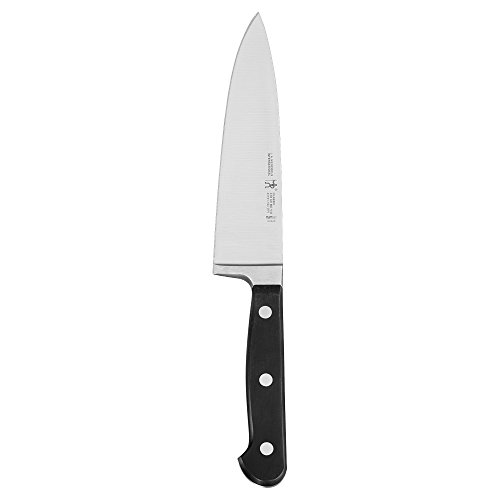
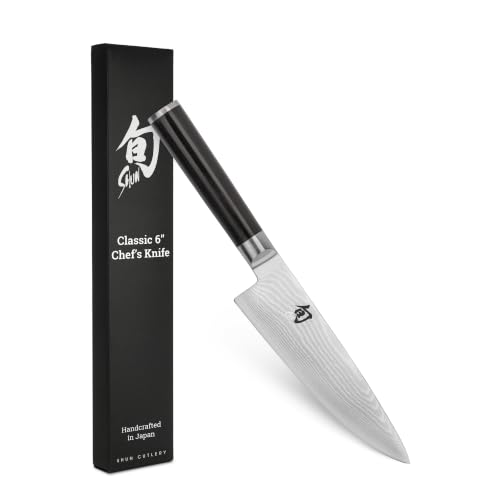
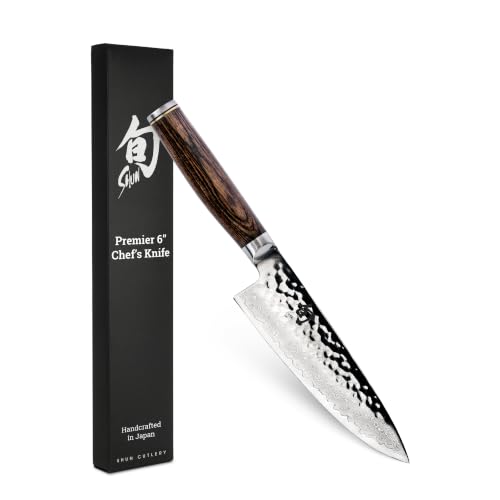
Picture a weeknight dinner in a compact kitchen. Your board sits beside the sink, a chicken breast and two onions need prep, and a long blade keeps knocking the backsplash. This is where the best 6 inch chef knife earns its place, giving you a full chef knife shape in a length that feels calm and controlled. The comparison table below lines up the main styles side by side.
This guide helps you choose by room, household size, and budget rather than by looks alone. If you are also open to a longer blade, see our guide to the best chef knife for the broader picture.


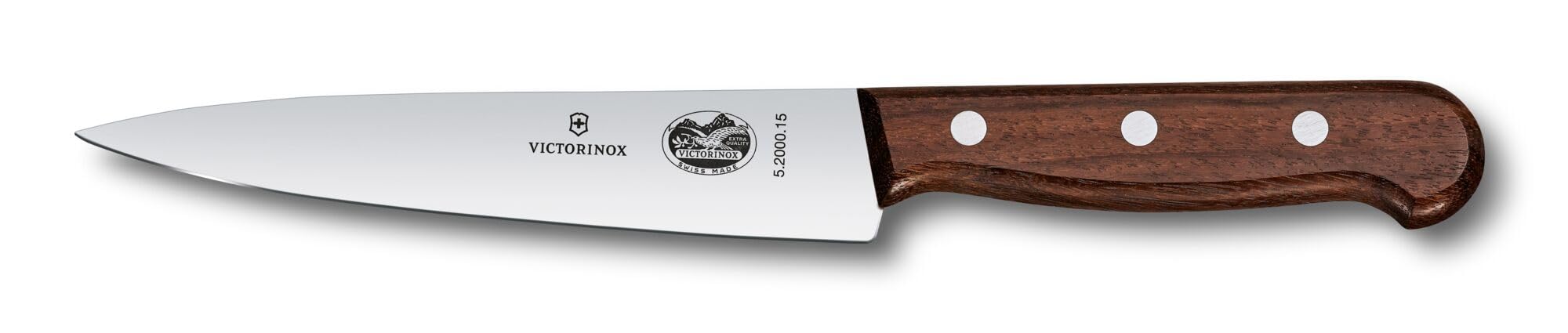

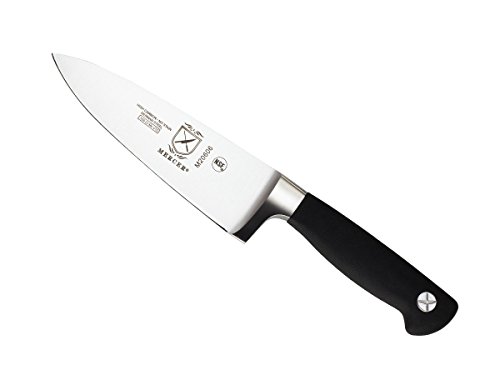
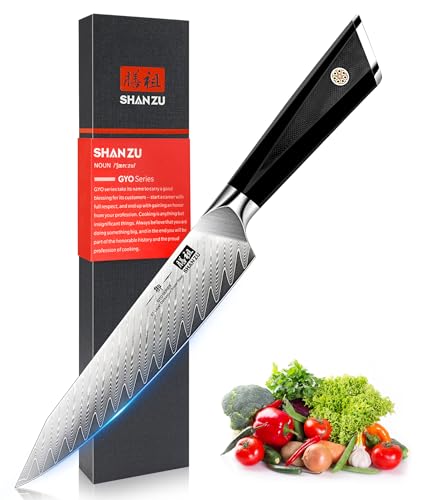
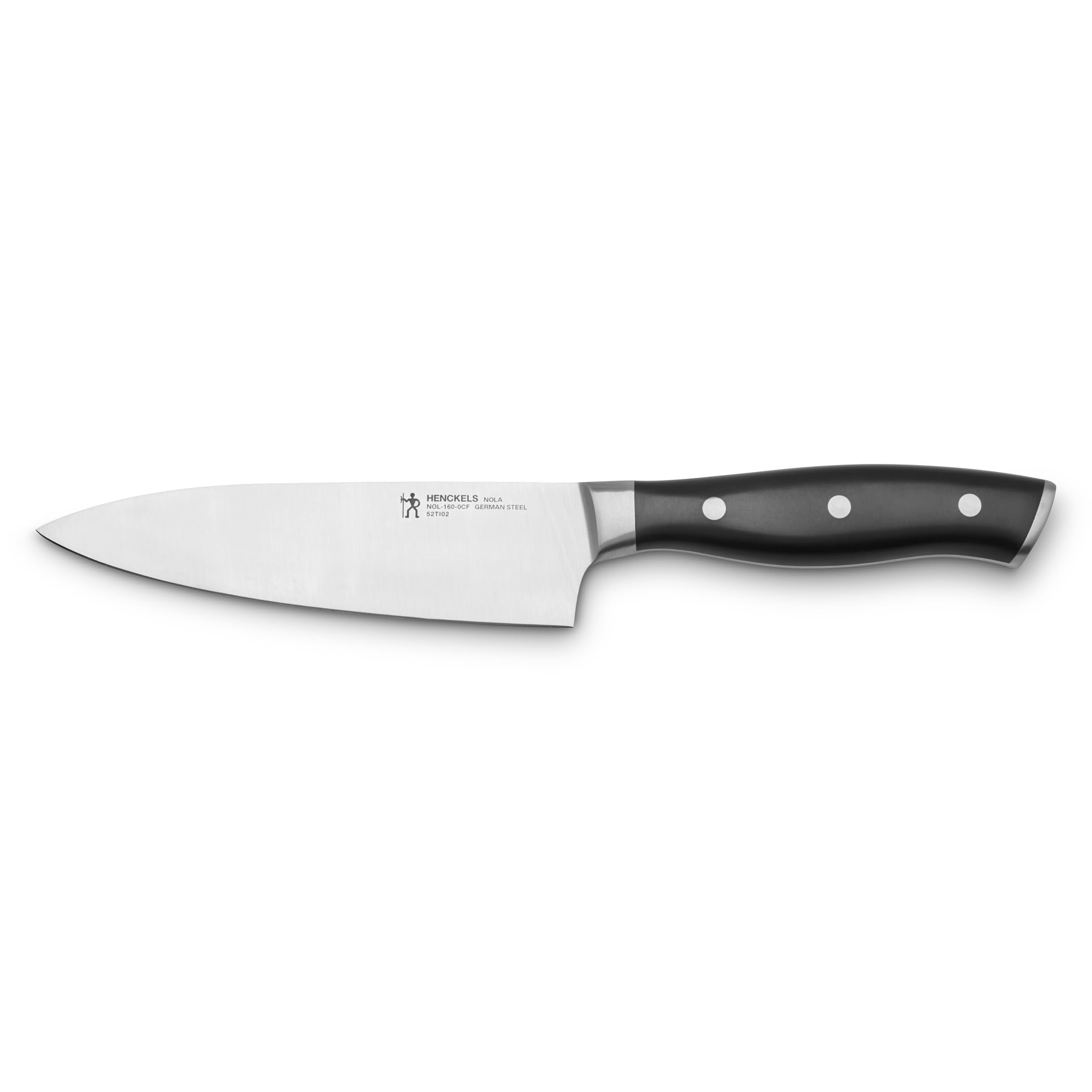
Quick Answer: What to Look For First
Start with fit. A 6 inch blade should match your board, your storage, and the food you cut most often. Next, pick a steel and handle you can live with every day, since the knife you maintain is the knife that stays sharp.
- Choose this size when counter room and board room are tight.
- Choose forged steel when you want more weight and lasting value.
- Choose stamped steel when low cost and light weight matter most.
- Plan for a honing rod or whetstone.
Before You Buy: A Quick Checklist for Choosing a Chef Knife
The checklist below follows the order that matters in a real home: size first, then type and steel, then handle, and only then price.
Size: Match It to Your Space
Most chef knives run 6, 7, 8, 9, or 10 inches, with Japanese lengths often listed as 210 mm or 240 mm. A 6 inch blade turns easily on a board about 12 inches wide, rinses in a small sink, and stores in a drawer without crowding. You lose slicing length on large roasts, yet you gain control on smaller tasks such as trimming chicken and dicing onions. If your prep leans toward flat slices, our overview of chef knife vs santoku shows how the profiles differ.
Which Type Fits Your Routine
German and western styles tend to be sturdier, with more curve and a thicker spine that suits rocking cuts and firm produce. Japanese styles, including the gyuto, tend to be thinner and lighter, with a flatter profile that suits push cuts and fine slicing. Damascus describes layered steel with a visible pattern, so it says more about looks than cutting. Carbon steel takes a keen edge but needs prompt drying, while stainless steel resists rust with far less fuss.
Forged knives are shaped from a single piece of heated steel and usually feel denser, with a bolster at the heel. Stamped knives are cut from a sheet, so they are lighter and cost less. Match the type to your cutting style and tolerance for care.
Features Worth It (and Ones to Skip)
A fitted sheath is worth paying for if the knife will live in a drawer, since it guards the edge and your fingers. Shallow dimples along the blade, often called a granton edge, can help slices of potato release with less sticking, though the effect is modest. A wood handle looks warm but asks for prompt drying. Skip ornate sets and colored coatings that hide wear.
Steel Type and Hardness (HRC)
Hardness is rated on the Rockwell scale, shown as HRC, and it shapes how an edge behaves. Many German blades sit around 56 to 58 HRC, which makes them tougher and less likely to chip, and they respond well to a honing rod. Many Japanese blades sit around 60 to 62 HRC, which helps them hold a fine edge longer, but they need a whetstone and a gentler board. High carbon stainless steel blends both traits, and harder is not simply better at home.
Blade Geometry: German vs Japanese
Geometry is the shape of the blade in profile and cross section, and it decides how food feels under the edge. German blades carry a pronounced belly and a thicker grind, so they rock well and push through dense roots. Japanese blades carry a thinner grind and a flatter edge, so they glide through onions and fish with less wedging. If that lighter feel sounds right, read our guide to the best japanese chef knife before you decide.
Handle, Bolster and Balance
Hold matters more than handle material on paper. Your fingers should wrap the handle without the last finger slipping off the end, and the grip should feel secure when your hand is damp. A pinch grip, with thumb and index finger on the blade just ahead of the handle, gives you the most control and takes strain off your wrist. Slimmer handles often suit smaller hands.
A full bolster adds weight and a firm stop for your fingers, but it can get in the way when you sharpen the heel. A half bolster keeps sharpening simple and lightens the knife. Balance should sit near the pinch point, so the blade neither dives toward the board nor pulls back into your palm.
Realistic Budget Ranges
Price buys steel quality, finish, and how carefully the handle is fitted. Most homes land between about $30 and $100, and a serviceable spare can cost under $30. Use these tiers to set expectations, then put fit first.
- Under $30: stamped stainless blades with basic handles, fine for a first knife or a spare.
- About $30 to $50: better edge holding and grips that feel less slick.
- About $50 to $100: forged options appear, with smoother bolsters and even grinds.
- About $100 to $200: finer steels and polished handles for daily prep.
- About $200 to $300: premium materials and craft details, bought for pleasure.
Types Compared: Three Styles That Suit Different Homes
When we weigh options for the best 6 inch chef knife, shape and steel matter more than a name on the blade. Compare the three styles below, since each suits a different home.
Forged German Style for Hearty Daily Cooking
This style brings weight, a curved belly, and a tough edge that shrugs off dense squash, thick carrots, and the odd slip against a chicken joint. The heft does part of the work, so your arm guides more than it pushes. It suits households that cook meat and root vegetables often and want one sturdy knife for years. The cost is more weight in the hand, plus a honing rod close by.
Light Japanese Style for Precise Produce Work
This style brings a thin blade, a hard edge, and a light feel that makes fine work pleasant, from shaving garlic to slicing ripe tomatoes without crushing them. It suits cooks who prepare lots of vegetables, herbs, and fish. Many handles in this style are wood and feel slim, which smaller hands often prefer. The trade off is care, since the hard edge can chip on bones or frozen food.
Stamped Stainless Style for Small Budgets and Spares
This style keeps cost and weight low, which makes it a smart pick for a first apartment, a rental home, or a backup knife for guests. The blade is easy to wash and cheap to replace if life gets rough on it. It suits cooks who make salads, sandwiches, fruit, and light dinners more than large roasts. Expect to sharpen more often, and expect a plainer handle beside forged options.
Our Selection Process for the Best 6 Inch Chef Knives
We compare options on five points: steel and edge holding, balance and comfort, sharpness as supplied, ease of upkeep, and value for the money. We draw on maker specifications for steel, hardness, and dimensions, and on patterns in verified buyer feedback about grip comfort and chipping.
Is a 6 Inch Chef Knife the Right Size for You?
For many homes, yes. A household of one to three people rarely needs a long slicing stroke, and most weeknight prep involves portions that a 6 inch blade handles with ease. Smaller boards stay stable on narrow counters, and new cooks often feel braver with less blade ahead of their fingers. Cooks with limited grip strength also tend to prefer the lighter swing.
Size up instead when you regularly halve big winter squash, carve roasts for a crowd, or batch cook for a large family. Those jobs reward the longer stroke of an 8 inch blade. Readers who cook mainly for a family table may also enjoy our guide to the best chef knife for home cooks.
Common Mistakes to Avoid
- Buying the size your friend loves, so the blade feels clumsy on your smaller board.
- Judging by handle looks alone, so a slick grip tires your hand during dinner prep.
- Paying for layered steel, then storing the knife loose in a drawer where the edge knocks other tools.
- Cutting on glass or stone boards, so even a good edge dulls fast and can chip.
- Putting the knife in a dishwasher, so heat and rattling loosen rivets and fade wood.
Cost of Ownership and Care
The purchase price is only the start. A honing rod costs little and keeps a German style edge aligned, while a whetstone costs more and restores a dull edge on any steel. Add a sheath or a magnetic strip if you lack a block, and budget for a wooden or soft plastic board. Our guide on how to sharpen a chef knife walks through angles and grit choice when the edge needs real work.
Daily care is simple. Wash the knife by hand in warm soapy water, dry it at once, and store it dry with the edge protected. Keep it away from soaking water, which swells wood handles and can spot stainless blades left overnight.
FAQ
How do you clean a 6 inch chef knife after cutting citrus or tomatoes?
Rinse the blade soon after acidic food, since lemon and tomato juice can leave marks on carbon steel if left to dry. Wash with a soft sponge and mild soap, then dry the full blade and handle before storage. One extra habit helps: wipe the edge on a dry towel mid prep when you switch from citrus to herbs, so acid does not sit while you work.
Is a 6 inch chef knife worth it if you already own a knife set?
It can be, if your set jumps from a small utility knife to a long chef knife and nothing feels right for daily prep. Many sets share one steel and one handle shape, so a single well chosen 6 inch knife can add the grip your set lacks. If you reach past your current knives most dinners, this size fills a real gap.
How long does a 6 inch chef knife last in home use?
A sound blade can serve for many years, and often for decades, because home use is gentle compared with a busy kitchen line. Its life ends slowly, as repeated sharpening narrows the blade and knuckle room shrinks. Handles usually fail first through cracks or loose rivets. Retire the knife when the handle feels unsafe or the blade no longer clears your knuckles.
What size chef knife do you need for a small apartment kitchen?
Measure before you buy. Lay your usual board on the counter and check that you can move the blade in a full stroke without the tip leaving the board. Then measure your drawer space on the diagonal, since a 6 inch blade with its handle runs about 11 inches in total. If both checks pass with room to spare, this size fits your kitchen.
How do you use a 6 inch chef knife with a pinch grip?
Place your thumb on one side of the blade and your index finger on the other, just ahead of the handle, then wrap the rest of your fingers around the handle. Your guiding hand should curl its fingertips inward, with knuckles forward, so the flat of the blade rests against them as you cut. Start slowly with a cucumber. Our walkthrough on how to use a chef knife covers stance and rocking in more detail.
Final Thoughts
A shorter chef knife is not a lesser one. Matched to your board, your household, and your grip, the best 6 inch chef knife can be the blade you reach for most often. Use the product table above to compare the styles again, weigh steel and handle comfort over decoration, and pick the type that fits the meals you actually cook.