Best Cake Knife for 2026: A Practical Buying Guide
Disclosure: We may earn a commission when you buy through links on this page, at no extra cost to you. As an Amazon Associate I earn from qualifying purchases. Learn more
Learn how to choose the best cake knife for clean, even slices. Compare blade style, length, handle, steel, and care before you buy, for neat slices every time.
A good cake knife turns a careful bake into a clean presentation. The best cake knife slices through soft sponge, firm fruit cake, and layered fillings without dragging crumbs or crushing the crumb. The comparison table below gives a quick overview, while this guide explains blade style, length, handle shape, and care in plain terms.
Cake cutting is different from everyday kitchen cutting. The blade must move smoothly through a tall, soft structure, and the handle must stay clear of the plate so your knuckles do not hit the surface. Once you understand those two needs, the rest of the choice becomes much simpler.

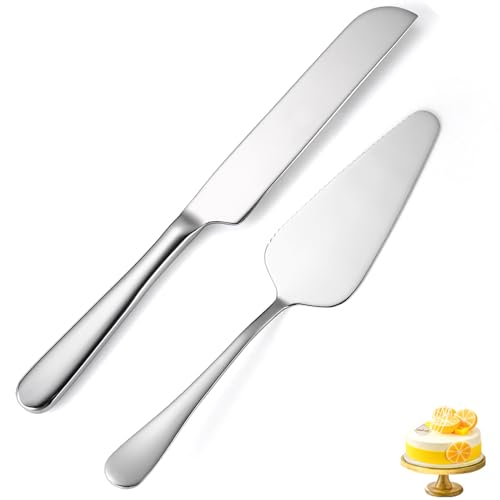
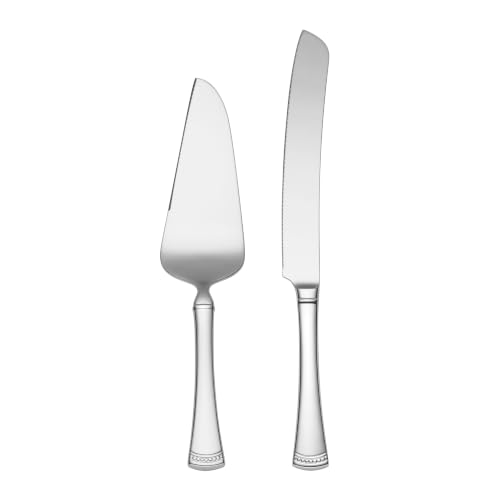

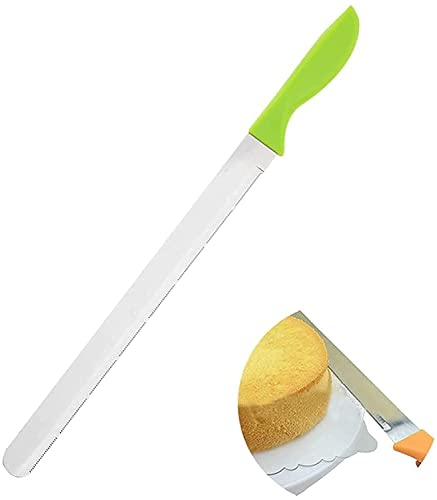
What to Expect at Each Spending Level
Spending levels help you match your budget to how often you cut cakes and how much presentation matters to you. A casual baker who cuts a cake a few times a year has different needs from someone who bakes for gatherings every week. The levels below describe what you usually get at each price point.
Budget Level
Budget cake knives usually offer a simple serrated or straight blade with a basic handle. They cut well enough for soft sponge cakes and casual serving, especially when the blade is kept clean between slices. For occasional use, a budget knife is a sensible starting point.
Midrange Level
Midrange cake knives are the sweet spot for most home bakers. They usually offer a longer blade, a more comfortable handle, and better balance between blade and handle. This level suits layered cakes, frosted cakes, and bakers who want neat slices without fuss.
Premium Level
Premium cake knives focus on refined balance, durable steel, and handles shaped for long cutting sessions. They suit tall celebration cakes, dense cakes, and bakers who cut many slices at events. The extra cost makes most sense when presentation matters a great deal or when you cut cakes often.
How to Choose a Cake Knife: Buying Guide
The right cake knife feels steady in your hand and moves through cake with light, even pressure. Work through the factors below before you buy, starting with blade style.
Blade Style and Edge
Serrated blades grip soft sponge and frosted layers, and they cut without pressing down hard. Straight blades give a smoother cut on firm cakes and chilled cakes, but they need a sharper edge to avoid dragging. Choose the edge that matches the cakes you bake most, not the edge that looks most impressive.
Length and Handle Shape
Blade length should clear the widest cake you cut, with room to spare for a smooth sawing motion. A blade that is too short forces extra passes and leaves ragged edges. An offset handle lifts your hand above the plate, which helps on tall cakes and crowded serving tables. A straight handle suits lower cakes and smaller plates.
Steel and Build
Stainless steel is the common choice for cake knives because it resists rust and cleans easily. Blade thickness affects control. A thin blade flexes more and can wander on tall cakes, while a very thick blade can crush soft layers. Look for a blade that feels firm but not heavy, with a smooth edge and no rough spots near the handle.
Weight and Balance
Balance matters more than weight alone. A knife that feels blade heavy will tire your wrist during a large cake, while a handle heavy knife can feel clumsy on fine slices. The balance point should sit near the handle, so the blade moves with light guidance rather than force.
Edge Angle and Sharpness
A sharper edge cuts cake with less pressure, which keeps layers intact and frosting neat. Serrated edges stay useful longer between sharpenings, while straight edges need more regular care to stay keen. Follow maker guidance for sharpening, and avoid rough sharpening tools that can damage a fine edge.
Storage and Safety
Safe storage protects both the blade and the people in your kitchen. Store a cake knife in a sheath, a block slot, or a drawer guard so the edge does not knock against other tools. Keep sharp knives out of reach of children, and never leave a blade loose in a sink full of soapy water where it cannot be seen.
Types of Cake Knives
Different cake knife shapes solve different serving problems, and many bakers own more than one. The groups below cover the main shapes you will meet, so you can match a shape to your usual cakes.
Serrated Cake Knives
Serrated cake knives use a toothed edge to grip soft sponge and frosted layers without pressing down hard. They suit tall sponge cakes, angel food cake, and cakes with soft fillings that shift under pressure.
Offset Cake Knives
Offset cake knives raise the handle above the blade line, which keeps your knuckles clear of the plate. They suit tall layer cakes, frosted cakes, and serving at a crowded table.
Straight Blade Cake Knives
Straight blade cake knives give a smooth, clean cut on firm and chilled cakes. They suit fruit cakes, pound cakes, and cakes that have been chilled for neat slicing.
Cake Knife and Server Sets
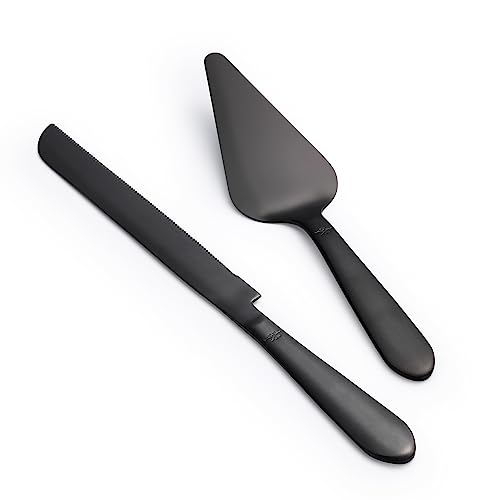
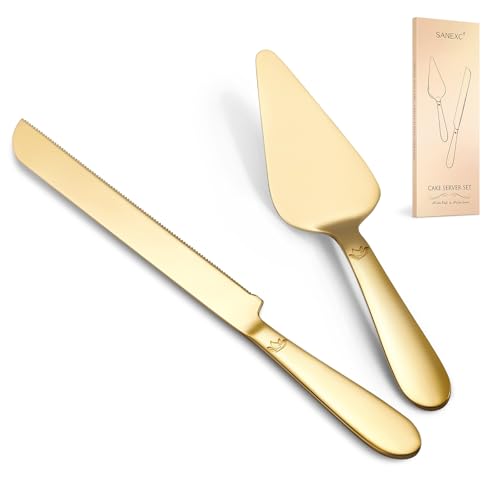
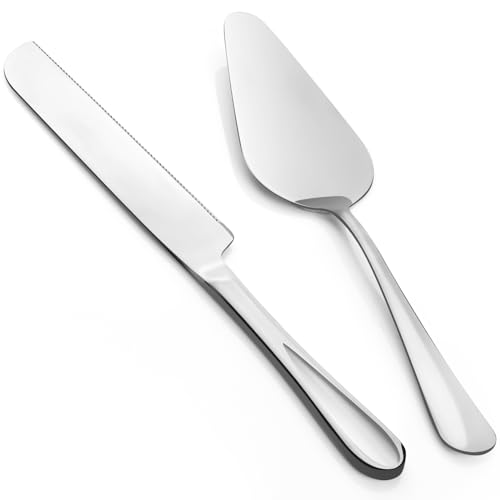
Cake knife and server sets pair a cutting blade with a server for lifting slices cleanly onto plates. They suit celebrations and gatherings where presentation matters and many slices are served at once.
Setup and Care Tips
- Hand wash and dry immediately after use, so frosting and crumbs do not dry onto the blade.
- Hone a straight blade before heavy use, following maker guidance for angle and pressure.
- Use wood or plastic boards for any trimming, and avoid cutting on stone or glass that can dull an edge.
- Sharpen a straight blade 1 to 2 times per year with light use, and more often if you cut cakes weekly.
- Wipe the blade between slices for clean edges, especially on frosted and layered cakes.
- Store the knife safely away from children, in a sheath or guard that protects the edge.
For everyday prep, see our guide to the best chef's knives, our guide to the best chef knife sets, and our guide to the best culinary knife sets.
Frequently Asked Questions
Are expensive cake knives worth it?
Expensive cake knives are worth it when you cut cakes often or when presentation matters a great deal. The extra cost usually buys better balance, a more comfortable handle, and steel that holds an edge longer. For a cake a few times a year, a midrange knife cuts just as cleanly. Judge value by how often you bake and how neat you need each slice to look.
How often should I sharpen a cake knife?
Sharpen a straight blade cake knife 1 to 2 times per year with light use, and more often if you cut cakes weekly. Serrated blades need sharpening far less often, and many bakers replace them when the teeth dull rather than trying to sharpen each tooth. A quick hone before a big event can refresh a straight edge without a full sharpening session. Always follow maker guidance for your blade type.
What length of cake knife do I really need?
You need a blade long enough to span your widest cake in one smooth motion, with a little room to spare. For most home cakes, a blade of about 10 to 12 inches works well, while larger celebration cakes may need a longer blade. A blade that is too short forces extra passes and leaves ragged edges. Measure your largest cake pan before you buy, and choose length based on that size.
Can a cake knife go in the dishwasher?
A cake knife can often go in the dishwasher, but hand washing is better for the edge and handle. Dishwasher heat and jostling can dull an edge, loosen a handle, and leave spots on the blade. Hand wash with warm soapy water, dry at once, and store the knife safely. If the maker states the knife is dishwasher safe, you can use the dishwasher, but hand washing will still keep it in better shape longer.
Are serrated cake knives better than straight cake knives?
Serrated cake knives are better for soft sponge and frosted cakes, because the teeth grip without pressing down hard. Straight cake knives are better for firm and chilled cakes, where a smooth edge gives a cleaner face. Many bakers keep both styles if they bake a wide range of cakes. If you must choose one, pick the style that matches the cakes you bake most often.
Our Verdict
The best cake knife for you is the one that matches your usual cakes, feels balanced in your hand, and stays sharp with simple care. Focus on blade style and length first, then handle shape and balance. Follow maker safety guidance, keep sharp edges away from children, and check the product table above before you order.