
Best 6 Inch Ceiling Speakers Made Simple: A Clear Buying Guide for 2026
Disclosure: We may earn a commission when you buy through links on this page, at no extra cost to you. As an Amazon Associate I earn from qualifying purchases. Learn more

Shopping for the best 6 inch ceiling speakers for the first time? Learn the terms, compare options, and avoid rookie mistakes with this easy guide.
Ceiling speakers promise music and movie sound without boxes on shelves or wires across the floor, but the listings speak a language of watts, ohms, and cutout sizes that can stop a first purchase cold. Do not worry, because the basics are simpler than they look. The best 6 inch ceiling speakers for your home are simply the ones that fit your ceiling, suit your room, and pair well with the amplifier or receiver you own or plan to buy.
This guide starts with plain explanations, then covers placement, power, and setup in the order you will meet them. Use the comparison table below for a quick overview, then read on to shop with a clear head.


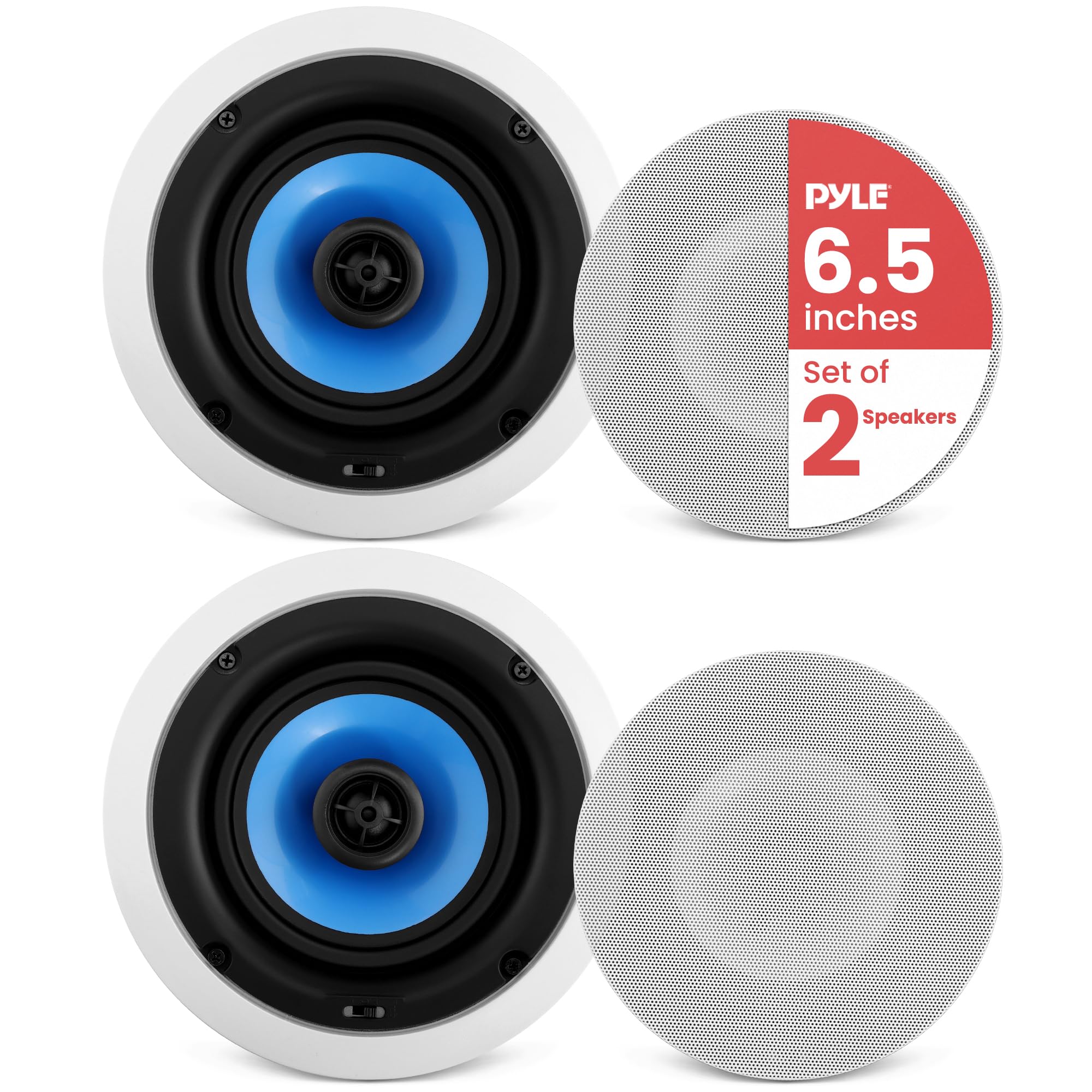
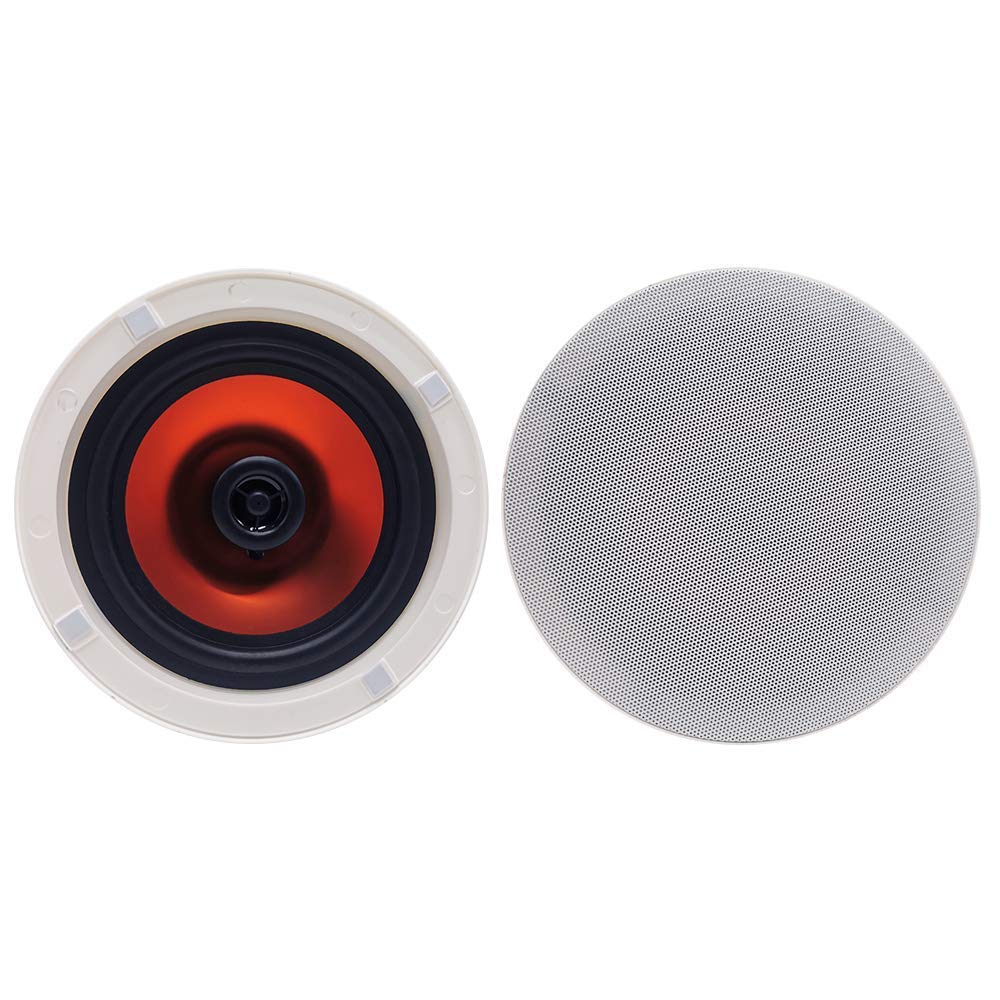


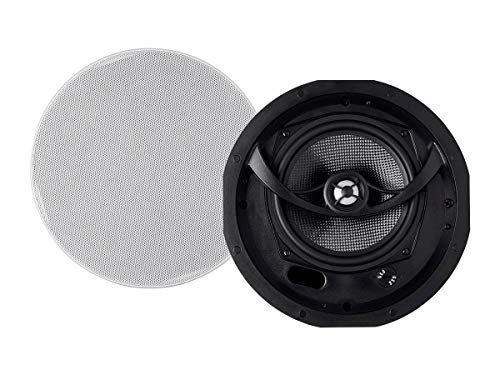
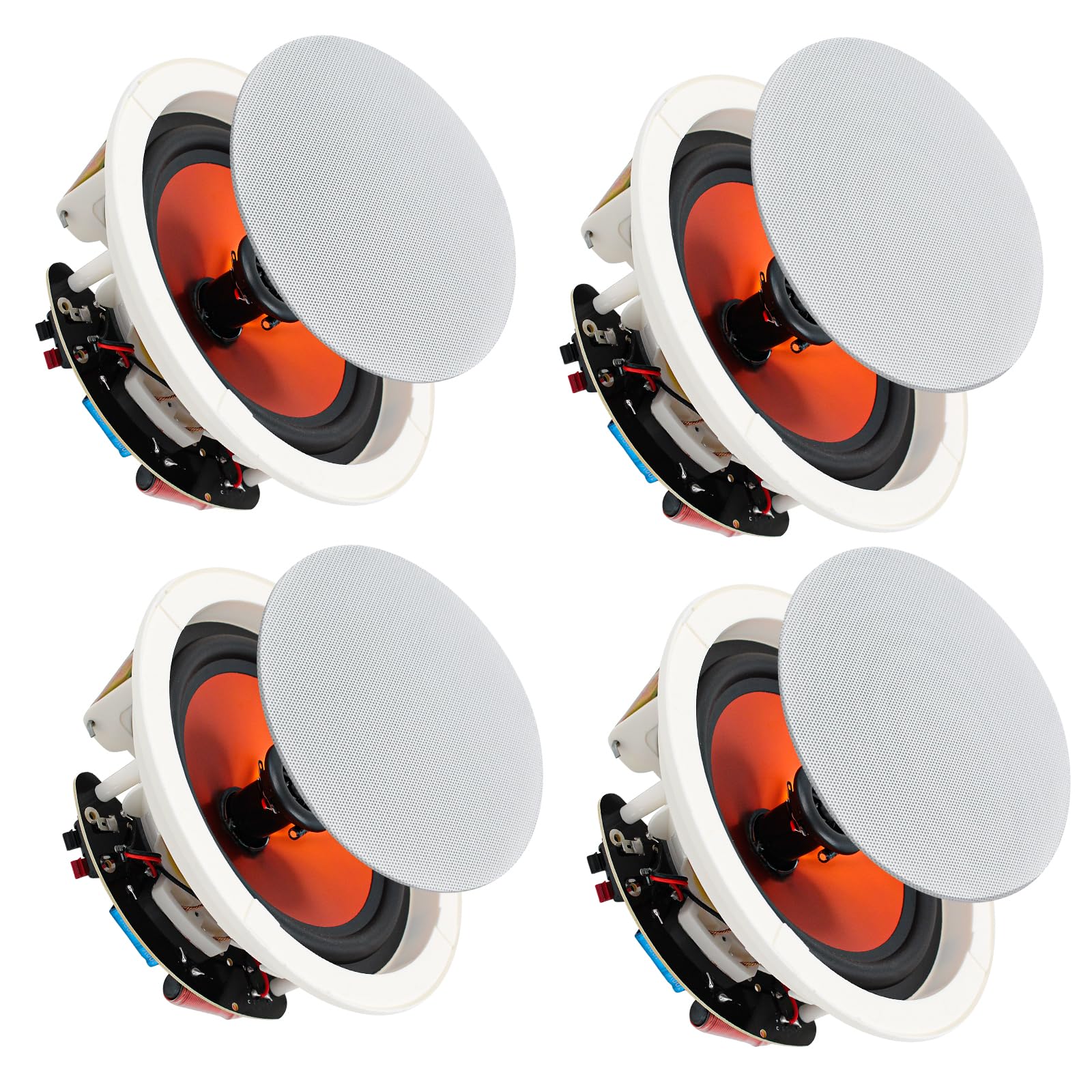
6 Inch Ceiling Speakers 101: The Basics
A ceiling speaker is a speaker built to mount flush inside a ceiling, with only a round grille showing. The 6 inch label refers roughly to the size of the main driver, the cone that makes most of the sound, and many models in this class use a driver near 6.5 inches. A smaller tweeter in the center handles high notes like voices and cymbals. Most models are passive, which means they hold no amplifier of their own and need power from a receiver or a separate amplifier through speaker wire.
People choose this size for kitchens, living rooms, bedrooms, and covered outdoor areas where background music, podcasts, and television sound matter more than thunderous bass. A pair plays in stereo, while larger rooms may use four or more speakers spread across the ceiling. Because the speakers disappear into the room, planning matters more than with a shelf speaker you can move later. Once you cut a hole, that is where the sound lives, so the next sections focus on getting placement and power right the first time.
Key Specs Explained in Plain English
Sound Quality and Tuning
Sound quality starts with the driver materials and the tweeter. Polypropylene and similar cones handle kitchen and bathroom humidity well and sound clear at normal volume, while softer dome tweeters tend to sound smooth and harder materials sound brighter. Frequency response tells you the range of notes the speaker can play, and a lower first number means deeper bass, though a 6 inch driver in a ceiling will not replace a subwoofer. Many models offer an aimable tweeter you can angle toward your seating, plus simple tone switches that soften treble in a bright, hard room. Choose a balanced, neutral sound for mixed use.
Placement and Room Size
Placement decides how even the sound feels. For a stereo pair, place the speakers a similar distance apart as they are from your main listening spot, and keep them clear of corners where bass builds up and muddies voices. Small rooms and kitchens often need only one pair, while long or open plan rooms sound better with two pairs at lower volume than one pair played loud. Think in zones too, since a receiver with zone control lets the kitchen and patio play at different levels. If the room above matters, know that ceiling speakers send sound upward as well, and back boxes can reduce that spill.
If your room is large or you want fuller low notes, our guide to the best 8 inch ceiling speakers explains what the bigger size adds and where it makes sense.
Power and Amplification
Passive ceiling speakers have no battery and no power cord, so this section replaces the battery questions you may see on portable speaker guides. Your receiver or amplifier supplies the power, and your job is matching. Check the RMS watt range and the impedance, which is 8 ohms on most home models, and confirm your amplifier supports that load for the number of speakers you plan. A modest receiver often gives each ceiling speaker all the clean power it needs for background and television listening. Powered models with built in amplification and Bluetooth do exist for simple single room setups, and they trade flexibility for convenience.
Controls, Apps, and Streaming Features
With passive speakers, the smart features live in the receiver, not in the ceiling. Your receiver or streaming amplifier handles Bluetooth, WiFi streaming, app control, and room correction, while the speaker simply plays what it receives. That separation is a strength, because you can upgrade the electronics later without touching the ceiling. Some powered ceiling models include their own app and equalizer settings, which suits a single room but can complicate multi room plans. Before you buy, decide which device will be the brain of the system, then choose speakers that fit that plan instead of paying twice for the same features.
Moisture Resistance and Room Fit
Ceiling speakers do not cancel noise the way headphones do, so quiet listening comes from sensible placement and volume rather than a special feature. What does matter by room is moisture. Kitchens add steam and grease, bathrooms add daily humidity, and covered patios add outdoor air, so look for moisture resistant cones, rust resistant grilles, and a stated rating for damp locations when the room calls for it. Standard models are fine for living rooms and bedrooms. Keeping volume moderate also keeps sound from leaking into rooms above, which your family will appreciate at night.
For genuinely wet or outdoor locations, our guide to the best 6 inch marine speakers covers designs built for harsher conditions than a home ceiling.
Rookie Mistakes to Avoid
- Buying before measuring the ceiling. Check the cutout diameter and the depth above the ceiling, plus joists, pipes, and ducts, before you order.
- Forgetting the amplifier. Passive speakers stay silent without a receiver or amplifier, so budget for the electronics from the start.
- Placing speakers by looks alone. A neat row over the wrong spot sounds worse than a slightly offset pair aimed at where people sit.
- Expecting deep bass. A 6 inch ceiling driver gives pleasant low end, not cinema rumble, so plan a subwoofer if movies matter.
- Using the wrong wire. Runs inside walls and ceilings should use wire rated for that purpose, and long runs need thicker wire.
Getting Started: Setup and First Use
Begin on paper. Sketch the room, mark seating, and choose speaker spots that avoid joists and lights, then confirm what sits above the ceiling in the attic or with a stud finder. Turn off power to nearby lighting circuits at the breaker before you cut, because ceiling cavities often hold electrical cables, and call a licensed electrician if you are unsure about any wiring you find. Use the included cutout guide to trace each hole, cut carefully, and run your speaker wire before mounting. Connect each speaker, test the system at low volume, and only then lock the mounting clamps and fit the grilles. Finish by setting your receiver speaker size and levels, and keep the cutout guides and manual in case you add another pair later.
If you are comparing this size class with other speaker types, our guide to the best 6 inch speakers gives a wider view, and our guide to the best 6 inch speakers for bass sets honest expectations for low notes.
Frequently Asked Questions
Do 6 inch ceiling speakers need a moisture rating for a bathroom?
For a bathroom or a steamy kitchen, yes, choose a model made for damp locations. Steam reaches the ceiling on every shower, and standard paper cones and plain steel grilles can degrade or rust over time. Moisture resistant cones and coated grilles handle that daily cycle well. Place the speaker away from the direct shower spray zone, and run a bathroom fan during showers, since lower humidity protects the speaker, the paint, and the ceiling itself.
Do 6 inch ceiling speakers have batteries?
No, typical ceiling speakers have no battery at all. Passive models draw power from your receiver or amplifier through speaker wire, so they play as long as that equipment is on and never need charging. A small number of powered models plug into mains power and stream over Bluetooth, and those suit simple single room projects. If a listing for a ceiling speaker talks about battery life, it is likely a portable speaker in the wrong category, so read the description again before buying.
Do 6 inch ceiling speakers need a special codec or format?
No special codec is needed for the speakers themselves. Passive speakers accept an analog signal from your amplifier, so formats and codecs are handled by your phone, streamer, or receiver. If you stream over Bluetooth to the receiver, its codec support shapes quality, and a wired or WiFi source usually sounds a step better. Spend your attention on the receiver features you will actually use rather than on codec logos when you shop for the speakers.
Do 6 inch ceiling speakers offer noise cancelling?
No, ceiling speakers do not offer noise cancelling, because that technology belongs to headphones and some earbuds that seal around your ears. A ceiling speaker fills a room with sound, and everyone in the room hears it. If you need quiet for one person while others watch television, headphones are the right tool for that job. What ceiling speakers do offer is even, low volume background sound that feels less intrusive than one loud speaker in a corner.
Wired or wireless ceiling speakers: which sound better?
Wired passive speakers usually sound better for the money and never suffer dropouts, because the amplifier does the hard work and the wire carries a clean signal. Wireless powered models win on simplicity for a single room where running wire is hard. Sound differences at normal listening levels are modest either way, so decide by your home. If the ceiling is open during a remodel, run wire even for future speakers, because that cheap step keeps every option open later.
Wrapping Up
For a first purchase, keep three checks in front of you: the speaker must fit your ceiling, your amplifier must match its power and impedance, and the placement must serve where people actually sit and listen. Get those right and almost any well made model in this size will please you for years. The best 6 inch ceiling speakers for your home are the ones that disappear into daily life while the music stays. Compare your finalists in the product table above and measure your ceiling once more before you order.


