
Best 6 Inch Marine Speakers: Every Type Explained Side by Side for 2026
Disclosure: We may earn a commission when you buy through links on this page, at no extra cost to you. As an Amazon Associate I earn from qualifying purchases. Learn more

The best 6 inch marine speakers compared by type, who each suits and what to check before you buy.
Marine speakers in this size look similar in photos, yet their construction, mounting style, and water protection differ a great deal. This guide to the best 6 inch marine speakers compares each type side by side, so you can choose for your boat, dock, or open vehicle with confidence.
Use the comparison table below for prices, power ratings, and protection levels at a glance. Then read the type guide and selection checks that follow, because on the water the right build matters as much as the sound.


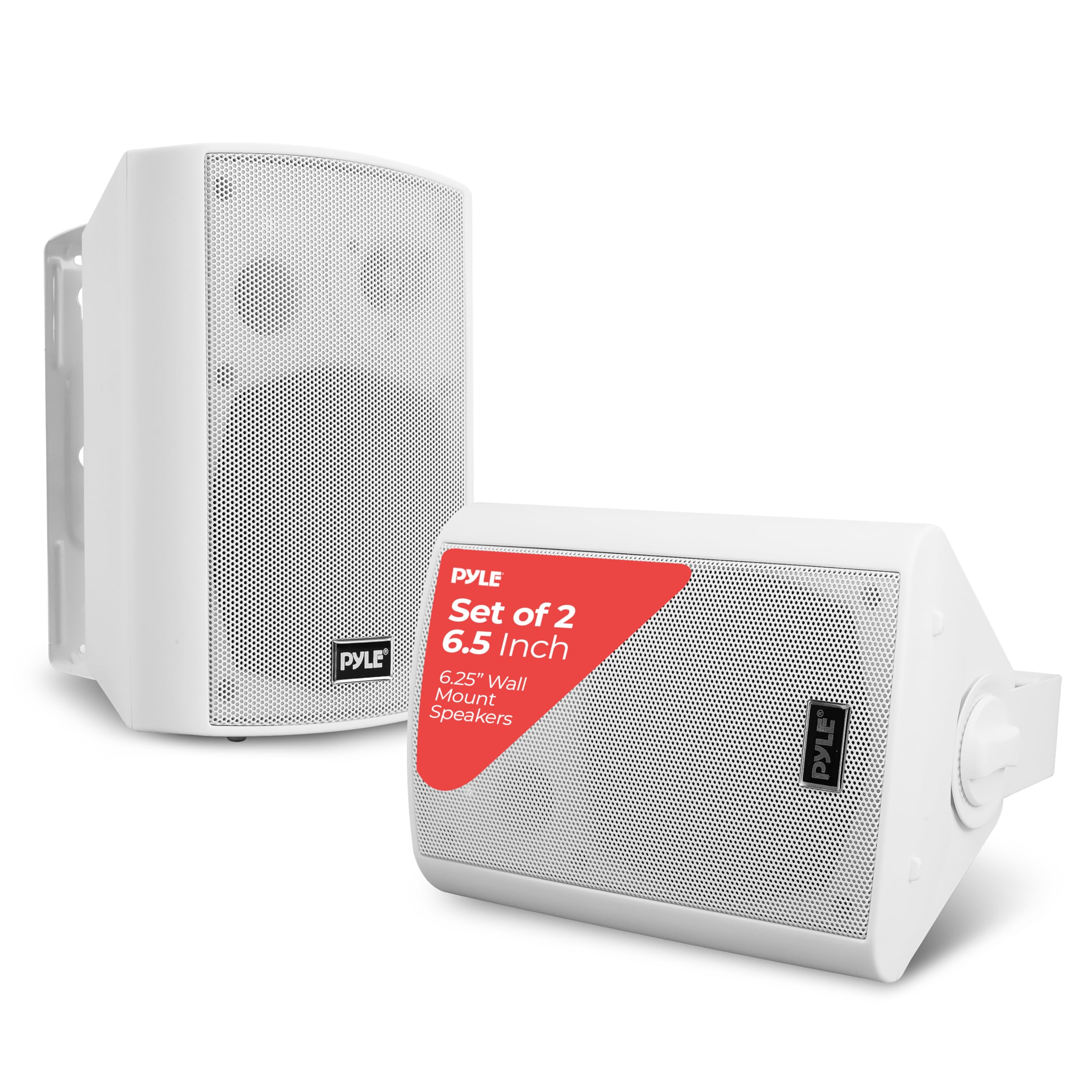
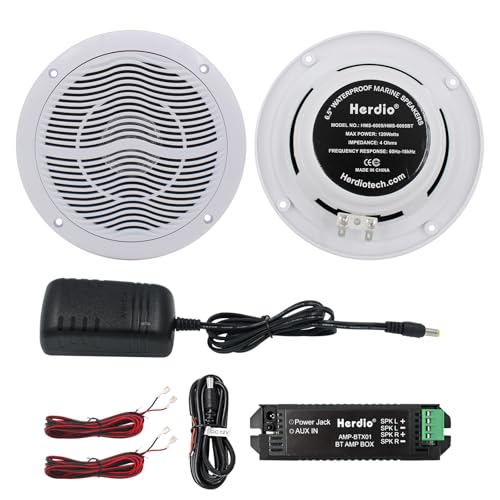
Types of 6 Inch Marine Speakers Compared
Three main types cover nearly every installation. Typical United States prices run around $60 to $150 for coaxial pairs, around $150 to $300 for component sets, and more for enclosed tower designs with mounting hardware included.
Coaxial Models
Coaxial marine speakers combine woofer and tweeter in one unit that mounts in a flat cutout, such as a console, cabin wall, or cockpit side panel. They are the simplest and most popular choice, because installation uses one hole and the existing wiring. Sealed cones and protected crossovers keep spray out, and most sets include grilles that resist corrosion. Sound is full and clear for general listening, though the low tweeter position limits imaging on open decks.
Component Models
Component sets separate the woofer from the tweeter and add an external crossover. On a boat this lets you aim tweeters toward the helm or seating area, which helps clarity over engine and wind noise. The trade off is more mounting work and more parts to protect: crossovers must sit in a dry location, and every extra connection is a place where corrosion can start. Choose components when sound quality at the helm is the priority and you have dry mounting space.
Enclosed and Tower Models
Enclosed designs house the drivers in a sealed pod that clamps to a tower, rail, or roll bar instead of a cutout. They suit wake boats and open vehicles where no flat panel exists, and the enclosure protects the back of the drivers completely. Projection is their strength: they throw sound toward riders behind the boat or across a deck. They cost more, add visible bulk, and need secure clamps sized to your tubing, so measure bar diameter before ordering.
Owners comparing sizes for a refit can also see our guide to the best 8 inch marine speakers to judge whether a larger cutout is worth making.
Coaxial vs Component: Which Should You Choose?
Choose coaxial for most boats, because simplicity is a genuine advantage in a wet, vibrating environment. Fewer parts and connections mean fewer failure points, and modern coaxial sets sound very good at normal listening distances. Choose component when you regularly listen from one fixed seat, such as the helm, and want voices placed clearly above engine noise. Enclosed models win when there is no panel to cut or when sound must project outward. In every case, protection and mounting security outrank small differences in tonal character, because a speaker that fails in its second season helps no one.
How to Choose the Right 6 Inch Marine Speaker
After type, apply the five checks below. They reflect what actually ends marine speaker life early: water, sun, corrosion, and vibration.
Sound Quality and Tuning
On open water, clarity through the midrange matters more than deep bass, because wind and engine noise mask low frequencies underway. Favor sensitivity, since loud and clean on modest power suits most boat stereos. A tweeter that can be aimed or that sits proud of the cone helps on decks where speakers mount low. After installation, tune with the engine running at cruise, not at the dock, because that is the balance you will live with.
Durability and Water Resistance
Look for a stated IP rating where available, with IPX5 or higher a sensible target for exposed cockpit locations. Beyond the rating, check details: sealed cone surrounds, coated crossover boards, stainless or protected hardware, and grilles that will not rust stain the gelcoat. Ultraviolet resistance matters for any speaker in direct sun. In salt water use, freshwater rinsing habits will decide service life as much as the rating on the box.
For smaller spaces such as a cabin or a compact console, see our guide to the best 4 inch marine speakers before forcing a larger cutout.
Power Source and Boat Battery
These speakers are wired and draw from the boat electrical system through the stereo or an amplifier, so there is no speaker battery to recharge. What matters is matching continuous power ratings to your stereo output and keeping the house battery healthy during long anchor sessions. An amplifier raises draw noticeably, so monitor voltage on small boats. Efficient speakers reduce that strain while still playing clearly at anchor and underway.
Clarity Over Engine and Wind Noise
No passive marine speaker cancels noise electronically, and buyers should treat any such claim with caution. What works is placement and headroom: speakers near ear level, aimed at listeners, with enough clean power to stay composed at volume. On center console boats, adding a second pair near the helm often beats one louder pair at the bow. Judge any setup underway, because dockside listening hides the noise you are trying to overcome.
Mounting and Microphone Free Listening
Confirm cutout diameter, depth, and what sits behind the panel, since fuel lines, wiring looms, and storage compartments often hide there. Use marine grade wire and sealed connections, and disconnect the battery before wiring work. If your stereo supports hands free calls or voice assistants, test microphone pickup at the helm after installation, because wind can make calls unintelligible even when music sounds fine. Speaker choice affects this less than microphone placement does.
Best 6 Inch Marine Speakers for Specific Needs
Best 6 Inch Marine Speakers for Motorcycle: Which Type Works Best
For motorcycle use, enclosed or compact coaxial designs with strong weather sealing work best, because fairings and bags expose speakers to direct rain and constant vibration. Prioritize secure mounting that will not loosen, high sensitivity for limited amplifier space, and grilles that shed water. Confirm depth and clearance with bags or fairing parts closed, and expect less bass than on a boat, since small enclosures and open air riding limit low end output.
Care and Maintenance Tips
Rinse speakers gently with fresh water after salt water outings, and let them dry before covering the boat. Inspect terminals and connections each season for green corrosion, and clean and protect them before resistance builds and sound suffers. Check mounting screws for tightness, since vibration loosens hardware over time. Avoid pressure washers aimed at cones and tweeters, and store removable enclosed speakers indoors over winter where possible. These habits routinely double the useful life of a marine set.
Riders and boaters cross shopping car audio sizes may also find our guide to the best 6 inch car speakers useful, but remember that car speakers lack the water protection marine locations require.
FAQs
How long does the battery last with marine speakers?
The speakers themselves hold no charge, so the real question is how long your boat battery supports the stereo. A modest system at anchor volume can run for hours on a healthy house battery, while a large amplifier shortens that greatly. Watch voltage and keep a reserve for starting the engine. Solar charging or a second battery is the practical fix for long, music filled days at anchor.
Do marine speakers need a special codec?
No codec lives in a wired marine speaker, because codecs apply to the wireless link between your phone and the stereo. Any modern Bluetooth stereo handles the common formats well enough for deck listening, where wind and water noise hide small differences. Spend your attention on the stereo weather rating and speaker sensitivity instead. If calls and voice control matter, test them at the helm in real conditions.
Wired or wireless: which sounds better for marine speakers?
Wired is the standard and the better sounding option for installed marine speakers. The stereo harness delivers power and signal directly, with no compression added at the speaker and no batteries to manage. Wireless speakers have a place as portable extras on a beach or dock, but they cannot match an installed wired pair for output underway. Clean, sealed connections keep wired sound consistent season after season.
What IP rating do I need for marine speakers outdoors?
For exposed cockpit and deck locations, look for IPX5 or higher, which covers water jets and heavy spray. Cabin speakers in dry locations can accept less, but splash resistance is still wise anywhere on a boat. Remember that a rating assumes intact seals and correct installation, so gaskets must sit flat and drain paths must stay clear. When no rating is stated, judge sealing and materials carefully instead.
Is ANC worth the extra cost on marine speakers?
No, active noise cancellation is not a feature of installed passive speakers, so it should not add cost to a marine speaker purchase. Cancellation belongs in headphones, which are unsafe for a helm operator who must hear traffic, alarms, and crew. Spend the money on sensitivity, protection, and secure mounting instead. If a listing promotes cancellation for a passive marine speaker, read the rest of its specifications with extra care.
Wrapping Up
Choose the type that fits your mounting reality, demand real water and sun protection, and match sensitivity to the power your stereo provides. Coaxial sets serve most boats well, components serve the helm focused listener, and enclosed designs solve tower and open vehicle installs. With those points settled, compare the best 6 inch marine speakers in the product table above and verify your cutout and depth before ordering.


