
Best 6 Inch Cast Iron Skillets (2026): Buying Guide
Disclosure: We may earn a commission when you buy through links on this page, at no extra cost to you. As an Amazon Associate I earn from qualifying purchases. Learn more

Choosing the best 6 inch cast iron skillet? A 6 inch skillet is made for single eggs, sauces and small portions.
A small skillet earns its place fast in a busy home. It fries one egg without waste, melts butter for a sauce, and warms a single portion of leftovers without heating a huge pan. If that sounds like your kitchen, the best 6 inch cast iron skillet is a compact tool that suits small spaces, small households, and tight budgets. This guide helps you choose by room, by household size, and by how much upkeep you will accept. Start with the comparison table below.




Quick Answer: Three Types Worth Considering
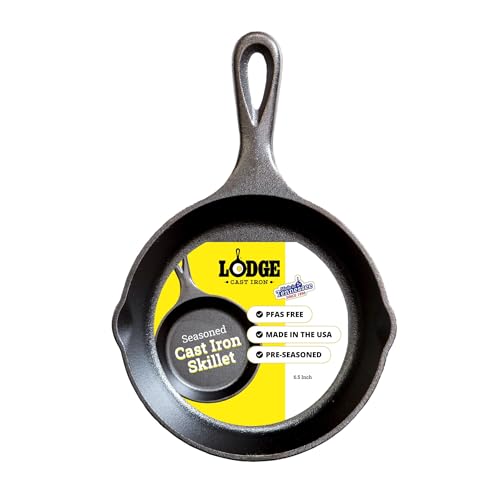
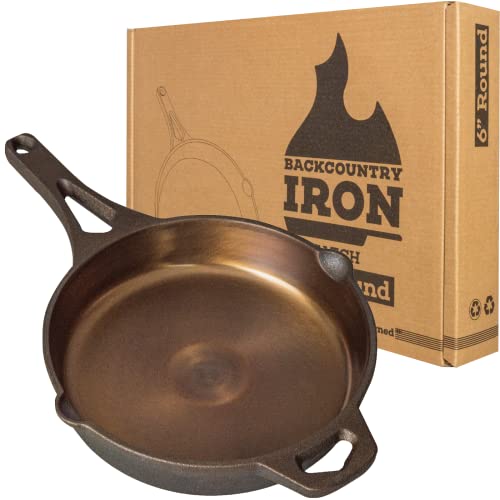
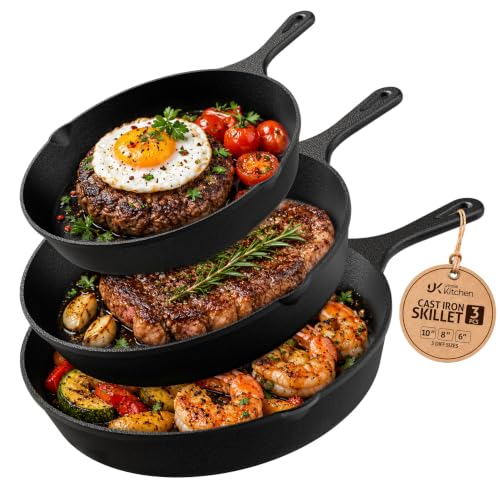
Most small skillets fall into three broad types, and each fits a different home. A basic pre seasoned skillet is the lowest cost route and works for nearly every daily task. An enameled skillet skips seasoning upkeep and handles acidic foods with less worry. A smooth machined skillet costs more, releases food more easily, and often weighs less. Your stove type and patience for care matter more than any feature list.
Before You Buy: A Quick Checklist for Choosing a Cast Iron Skillet
Size: Match It to Your Space
Cast iron sizes run from 6 inch up through 8 inch, 10 inch, 10.25 inch, 12 inch, and 15 inch pans, plus deep and square shapes. The 6 inch size holds one egg, one small chicken thigh, or a single serving of cornbread. It will not hold a family meal, and that limit is the point. In a small apartment or a camper, it stores in a drawer where a 12 inch pan will not fit. If you often cook for two or more people at once, treat this pan as a side tool beside a larger main skillet. Measure your storage spot before you order.
Which Type Fits Your Routine
Pre seasoned pans arrive with factory seasoning and suit cooks who want the lowest price and accept simple upkeep. Enameled pans carry a glass coating over the iron, so they resist rust and need no seasoning, but the coating can chip if you drop the pan. Lightweight and smooth machined pans use thinner walls or a polished surface, which helps if wrist strength is a concern. Deep pans hold more sauce, square pans fit sandwiches neatly, and double handle pans are easier to lift when full but harder to pour from.
Features Worth It, and Ones to Skip
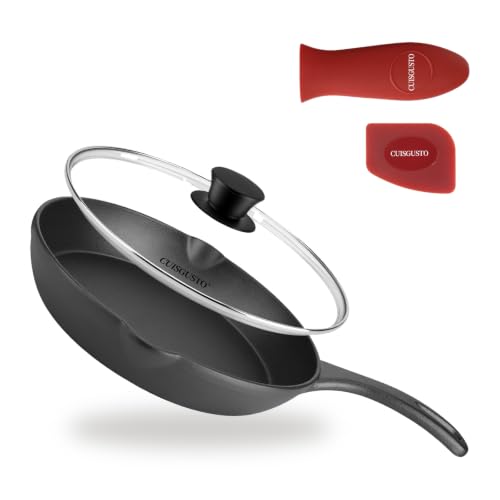
A helper handle opposite the main handle is worth having, since even a small cast iron pan feels heavy when it holds hot food. Pour spouts on both sides help left handed and right handed cooks drain fat without a spill. A fitted lid is worth paying for if you plan to braise or steam eggs. Skip oversized accessory bundles you will never use. If you want a broader view of sizes first, our guide to the best cast iron skillet covers the full range.
Is Cast Iron Free of Problem Coatings?
Bare cast iron has no synthetic coating at all. The cooking surface is iron covered with seasoning, which is oil baked into a hard layer through use and heat. That means there is no PFAS or PTFE layer to wear out at high heat. Enameled cast iron uses a glass based coating that is also free of those chemicals, though you should still follow the maker guidance on maximum heat. For a broader material comparison, see cast iron vs stainless steel skillet.
Induction, Gas, and Glass Top Compatibility
Cast iron works on gas, electric coil, and induction cooktops, since the iron itself responds to a magnet. On a glass top stove, the main risk is scratching the surface if you drag the heavy pan, so lift it to move it and set it down gently. A rough bottom raises that risk, so look for a flat, smooth base. On induction, a pan much smaller than the burner ring may not register on some models, so check your cooktop manual for a minimum pan size.
Oven Safe Temperature and Handles
Bare cast iron handles oven heat well beyond what home baking needs, and most makers rate their pans for broiler use as well. Limits usually come from the extras, not the iron. A silicone handle cover or a plastic knob on a lid may carry a far lower rating, so remove covers before the pan goes under a broiler. Enameled pans often have a stated ceiling tied to the coating, so read that number before a high heat bake.
Realistic Budget Ranges
Under about $30, expect a basic pre seasoned pan with a somewhat rough surface that smooths out with use. Between about $30 and $50, you gain better finishing, a helper handle, or a lid in some cases. Between about $50 and $100, enameled finishes and lighter castings become common. Above about $100, you are paying for smooth machined surfaces and careful finishing rather than stronger iron. For a pan that cooks one egg, the lower tiers usually make the most sense.
Three Types Compared: How to Choose Without Overpaying
Basic Pre Seasoned for Most Homes
This is the type most households should start with. It costs the least, tolerates metal utensils and high heat, and improves as the seasoning builds with regular cooking. The trade off is early sticking while the factory layer is still thin, plus the need to dry the pan on the stove after washing. If you are new to this material, a best pre seasoned cast iron skillet guide can help you judge factory layers and surface finish. For daily eggs and grilled cheese, this type covers nearly everything a small home needs.
Enameled for Low Upkeep Routines
An enameled pan suits cooks who want cast iron heat without seasoning chores. You can soak it briefly, simmer tomato sauce, and store leftovers in it with less concern about rust. The trade offs are price and fragility of the coating, since a hard knock can chip the enamel and expose the iron beneath. Weight also stays high, because the iron core is the same. Choose this type if your household shares cooking duties and not everyone will follow a careful drying routine.
Smooth and Lightweight for Comfort and Easy Release
Smooth machined pans polish the cooking surface, so eggs and fish release with less coaxing once the pan is hot and oiled. Lighter castings reduce strain when you lift the pan one handed, which matters for older cooks and anyone with a sore wrist. The trade off is cost, and thin walls hold heat a little less stubbornly than thick ones. If low weight is your top concern, compare options in our roundup of the best lightweight cast iron skillet models.
How to Judge a Small Skillet Before You Buy
Compare small skillets on heat distribution, durability, stovetop and oven compatibility, and how simple they are to clean. Read the stated dimensions and weight, then look for patterns in buyer reviews, such as repeated notes about rough bottoms or chipped enamel. A pan is a good fit when its listed details match what owners report after months of use.
Is a 6 Inch Cast Iron Skillet the Right Size for You?
Answer honestly how you cook on a weekday morning, because the best 6 inch cast iron skillet is the one that matches your portions. If breakfast is one egg, one sausage, or a small portion of hash, this size fits and heats fast. If you cook for a partner as well, two eggs fit only if you crowd them, and a shared omelet is out of reach. Solo cooks, students, and couples who eat at different times get the most from this pan. So do second pan buyers who want a small skillet for sauces beside a large one. If your household is three or more people eating together, buy this pan only as an extra.
Common Buying Mistakes to Avoid
- Buying a 6 inch pan as your only skillet when you cook for a family, which leads to crowded food that steams instead of browning.
- Ignoring the bottom finish on a glass top stove, since a rough base can scratch the surface the first time you slide the pan.
- Paying for a large accessory bundle you will not use, which raises the price without improving a single meal.
- Choosing an enameled pan for campfire cooking, since soot and hard knocks can stain and chip the coating.
- Skipping the weight check, since a thick small pan can still feel surprisingly heavy when full of food.
Cost of Ownership and Care
Ownership costs stay low with bare cast iron. You need cooking oil, a stiff brush, and a dry storage spot. Seasoning costs nothing beyond the oil you already own, and a pan used often rarely needs a full oven seasoning cycle. Our step by step guide on how to season a cast iron skillet walks through that process when the surface needs a refresh. Enameled pans cost more up front but remove seasoning from your routine, and a sound pan can serve for decades.
Daily cleaning is simpler than its reputation suggests. Wash the warm pan with hot water and a brush, use a small amount of soap when needed, then dry it on a warm burner and wipe on a thin film of oil. If food sticks, simmer a little water in the pan to loosen it. The full routine is covered in our guide on how to clean a cast iron skillet.
Your Questions, Answered
What is the most reliable cast iron skillet brand?
Reliability in cast iron comes less from a brand name and more from casting quality and honest specs. Look for even wall thickness, a flat bottom that sits without rocking, and a clear statement of weight and dimensions. Long warranties are a useful sign, but a simple pan from a lesser known maker can cook just as well. Check recent buyer reviews for repeated complaints about cracks or warped bases, since those patterns say more than any single glowing review.
Can a 6 inch cast iron skillet go in the dishwasher?
No, and this applies to both bare and enameled pans. Dishwasher detergent and long wet cycles strip seasoning from bare iron and leave it open to rust, while the harsh cycle can dull or chip enamel. Hand washing takes about a minute for a pan this small. Food also releases far more easily when you rinse the pan while it is still warm rather than letting it sit and cool.
Is a cast iron skillet worth it at this small size?
Yes, if you cook small portions often. A 6 inch pan heats quickly, uses less energy than a large pan for one egg, and doubles as a serving dish for a warm dip or a single cookie baked to share. It is not worth it as a novelty you use twice a year, since even a small pan takes storage space and needs basic care. Judge by your weekly habits, not by how appealing the idea sounds.
How long does a cast iron skillet last?
A sound cast iron pan can last for decades and often outlives the stove it sits on. The iron itself does not wear out from normal cooking, and seasoning can always be rebuilt after neglect. Real end of life causes are cracks from a hard drop onto concrete, deep rust that has pitted the surface, or a warped base from extreme heat shock, such as cold water poured into a very hot pan. Avoid those shocks and it should not need replacing.
What foods cook best in a 6 inch cast iron skillet?
Single eggs, a small fillet of fish, one burger patty, and individual cornbread rounds all suit this size well. It also shines for toasting nuts, melting cheese over a small portion of nachos, and baking a single serving fruit crisp. Foods that need room to spread, such as pancakes for a group or a stir fry, belong in a larger pan. Think of this skillet as a one portion tool.
Final Thoughts
For most homes, a basic pre seasoned pan in this size is the sensible buy, with enameled and smooth lightweight types serving cooks who value low upkeep or easy lifting. Match the pan to your space, your household size, and your care routine, and the best 6 inch cast iron skillet for you becomes an easy call. Look back at the product table above, then choose the type that fits your cooking.


