
Best 6 Inch Car Speakers 2026: A Complete Buying Guide
Disclosure: We may earn a commission when you buy through links on this page, at no extra cost to you. As an Amazon Associate I earn from qualifying purchases. Learn more

How to choose best 6 inch car speakers: compare the main types and key features, match size and performance to your space, and set a budget before you order.
Shopping for best 6 inch car speakers is easier once you separate size, power handling, and mounting, because those three facts filter most options quickly. The comparison table below gathers the main options, and this guide explains what each specification means in a real vehicle or boat.
A 6 inch speaker is a common door size that balances bass, clarity, and easy fitting, making it a popular first upgrade.




The Basics
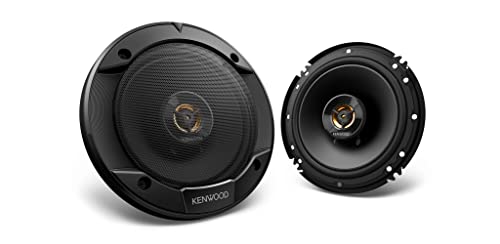
A 6 inch speaker, often sold as 6.5 inch, fits many car doors and gives fuller bass than smaller speakers while staying easy to mount. It is the default upgrade size for a reason: it improves vocals, instruments, and low end without major surgery.
Door mounting brings its own challenges, because thin metal panels vibrate and leak sound. A little sound deadening and a proper seal around the speaker often improve bass more than spending extra on the speaker itself.
Types Compared
There is no single type that suits every home, so start by matching the type to the job you actually need done. Speaker designs differ in how they split sound, and the right design depends on your system and your ears.
Coaxial Speakers
Coaxial speakers mount the tweeter in the centre of the woofer, giving a simple drop in upgrade for factory locations. They suit most buyers, because installation is straightforward and sound improves clearly over worn factory speakers.
Component Speakers
Component speakers separate the woofer and tweeter with a crossover, giving better imaging and detail. They need more installation work and often an amplifier, but they reward careful fitting with a wider, clearer soundstage.
Speakers with an Amplifier
Adding an amplifier gives speakers clean power, tighter bass, and less distortion at higher volume. If your head unit alone sounds thin or strained, an amplifier often improves sound more than a speaker swap alone.
Key Features to Compare
Once you know the type, the features below decide how happy you will be after the first month. These specifications matter more than brand badges when you compare speakers.
Power Handling
Match RMS power handling to your amplifier or head unit, not to peak numbers, which exaggerate. A speaker rated well above your amplifier stays safe, while a speaker rated far below it risks damage when you turn up the volume.
Sensitivity
Sensitivity shows how loud a speaker plays from a given power, and higher sensitivity helps modest head units sound fuller. For factory head units, sensitivity matters more than maximum power handling.
Materials and Durability
Polypropylene cones resist moisture, rubber surrounds last longer than foam, and silk tweeters sound smooth while metal tweeters sound brighter. Choose materials that suit your climate and your listening taste.
Frequency Response
A wide frequency range hints at bass and treble reach, but the numbers alone do not guarantee pleasant sound. Use them to compare similar speakers, then trust listening tests and reviews from owners with similar vehicles.
Size, Fit, and Compatibility
Measure the door opening, mounting depth, and window clearance, because a deep magnet can foul the window mechanism. Check the screw pattern and whether an adapter ring is needed, and confirm grille clearance with the door card refitted. Test the window fully before refitting trim.
Who Should Buy, and Who Should Wait
The most common mistake is skipping depth and window clearance checks, which can force a refit. Another mistake is fitting speakers without sealing gaps, which wastes bass. Finally, do not set the fader fully rearward, because the front soundstage carries most of the music.
Budget and Long Term Value
A 6 inch speaker suits most car owners wanting a clear, affordable upgrade without custom work. It is a weaker choice for bass lovers who want deep sub bass, because even good door speakers cannot replace a subwoofer. Pair door speakers with a small subwoofer if deep bass matters to you.
Setup and Everyday Care
Prices range from about $50 to $300 per pair, with the middle buying better cones, smoother tweeters, and longer lasting surrounds. Sound deadening adds modest cost but real benefit, so include it in the budget. An amplifier improves results further, but many buyers start with speakers alone.
Mistakes to Avoid
Keep door drains clear, avoid pressure washing directly into door panels, and check for rattles after fitting, because loose clips cause buzz. If a speaker crackles, check wiring in the door jamb, where flexing breaks wires over time. Clean grilles gently and avoid poking cones.
A Final Check Before You Order
Before you order, revisit the types covered above and match one to your main use. Coaxial Speakers, Component Speakers, and Speakers with an Amplifier each suit a different routine, so pick the type that fits the job you will do most often, not the type that sounds most impressive. Write down your measurements, your power or connection needs, and your budget ceiling, then compare those notes with the product table above before you commit. If two types both seem plausible, favour the simpler one, because simpler setup usually means faster satisfaction and fewer returns.
Next, run through the features that matter most: Power Handling, Sensitivity, Materials and Durability, and Frequency Response. Score each option briefly on those points, and let the scores guide you rather than a single eye catching specification. A balanced option that scores well across the list usually beats a flashy option that excels in one area and fails in another. Keep your notes beside you while you compare, and do not let a discount rush you past a mismatch in size, power, or compatibility.
Living With Your Choice
In the first weeks, give your new choice a fair trial in your real routine. Use it at normal settings, in your normal room, and with your usual sources, and note anything that annoys you while the return window is still open. Small adjustments to placement, settings, or accessories often fix early disappointments, and a short note of what you changed helps you judge fairly. Resist the urge to judge on the first day alone, because unfamiliar controls and settings always feel awkward at first.
Over the longer term, simple care keeps performance steady. Follow the care notes above, keep accessories and spares together in one place, and revisit the settings after a month, when you know your habits better. A choice that still pleases you after a month is usually a choice worth keeping, while a choice that still frustrates you after fair adjustments deserves a second look. Share what you learned with anyone else who will use it daily, so the whole household gets the benefit.
Related Guides Worth Reading
To compare neighbouring sizes and styles, read our guide to best 6 inch car speakers for bass, which shows how that option differs in bass, mounting, and power needs.
To compare neighbouring sizes and styles, read our guide to best 6 inch car door speakers, which shows how that option differs in bass, mounting, and power needs.
To compare neighbouring sizes and styles, read our guide to best 6 inch speakers, which shows how that option differs in bass, mounting, and power needs.
To compare neighbouring sizes and styles, read our guide to best 6 car speakers, which shows how that option differs in bass, mounting, and power needs.
To compare neighbouring sizes and styles, read our guide to best 4 inch car speakers, which shows how that option differs in bass, mounting, and power needs.
Frequently Asked Questions
Are 6 inch and 6.5 inch speakers the same?
They are often used interchangeably, but exact mounting dimensions vary by model, so always check the guide. Some 6.5 inch speakers fit 6 inch openings with an adapter, while others need a larger hole. Measure your door and compare with the speaker specifications, and keep this point in mind for your own space, budget, and daily routine before you order.
Do door speakers need sound deadening?
Not strictly, but deadening reduces panel vibration and improves bass noticeably for modest cost. Even a small amount around the speaker opening helps. If your doors rattle or bass sounds thin, deadening is the first upgrade to try, and keep this point in mind for your own space, budget, and daily routine before you order.
Will 6 inch speakers fit my doors?
Most cars with 6 inch or 6.5 inch factory locations accept them, but depth and screw pattern still matter. Measure depth, window clearance, and the opening, and check adapter availability for your car. When in doubt, ask a fitter who knows your model, and keep this point in mind for your own space, budget, and daily routine before you order.
Should I upgrade front or rear speakers first?
Upgrade the fronts first, because they create the soundstage you actually listen to. Rear speakers add fill for passengers, but they should not dominate. Spend more on the front pair, and keep the rears modest, and keep this point in mind for your own space, budget, and daily routine before you order.
Can I run 6 inch speakers on the factory head unit?
Yes, in most cases, especially if you choose higher sensitivity speakers. Sound improves clearly over worn factory units, though an amplifier later adds headroom and bass control. If distortion appears at high volume, an amplifier is the next step, and keep this point in mind for your own space, budget, and daily routine before you order.
Final Thoughts
The right speaker is the one that fits your vehicle, matches your system, and sounds clear on your everyday drives.
Check size, power, and mounting, compare the product table above, and choose best 6 inch car speakers that you will enjoy for years.


