Best 4 Inch Car Speakers 2026: Fit, Power and Sound
Disclosure: We may earn a commission when you buy through links on this page, at no extra cost to you. As an Amazon Associate I earn from qualifying purchases. Learn more

Clear checks on features, price and upkeep to help you choose the best 4 inch car speakers.
Small car speakers can still make a daily drive sound pleasant, but only when the size, power and mounting details match the car. The best 4 inch car speakers are the ones that fit the factory opening, work well with the power available, and suit the kind of music the driver actually plays. A speaker that looks good on paper can disappoint if the door is shallow, the magnet is too deep, or the head unit cannot drive it cleanly.
The product table gives a quick side by side view, while the rest of this guide explains what to check before ordering. Measure first, think about bass limits honestly, and choose a design that fits the way the car will be used, from short commutes to long highway trips.



Who Should Buy Small Car Speakers
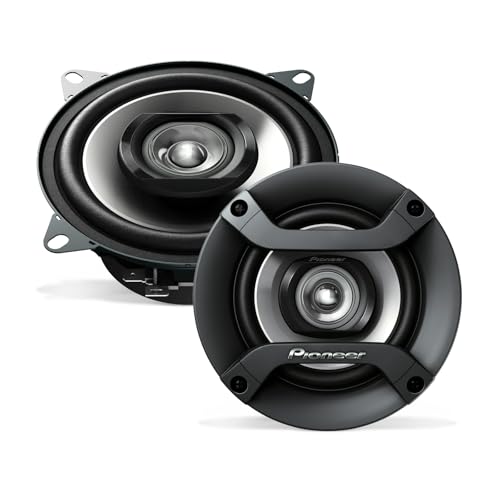
Four inch speakers suit cars with small factory openings, older vehicles, and dashboards or rear decks where a larger speaker simply will not fit. They are also a sensible choice for a driver who wants clearer voices and cleaner treble without rebuilding the whole audio system. If the goal is gentle background music and clearer calls, a well chosen small speaker is often enough.
They are less suited to a driver who wants deep bass at high volume. Physics limits how much low end a small cone can move, so expectations should stay realistic. A small speaker can still sound full at moderate volume, especially with a sealed door and a careful crossover setting, but it will not replace a subwoofer for low bass.
Drivers who want stronger voices and instrument detail may also compare midrange focused designs, and a related guide to best 4 inch midrange car speakers explains how a dedicated midrange driver changes vocal clarity.
Those planning a fuller front stage can read about best 4 inch component car speakers, which covers separate tweeter placement and the extra wiring that a component set needs.
Shoppers chasing a fuller low end should also look at best 4 inch car speakers with good bass, since it sets realistic expectations for what a small cone can do before a subwoofer is added.
Power Handling and Sensitivity Explained
Power handling tells the buyer how much power a speaker can accept without damage, while sensitivity tells how loud it plays with a given amount of power. For a factory head unit, sensitivity matters more, because factory power is modest. A sensitive speaker will sound livelier on limited power, while a power hungry design may sound flat until an amplifier is added.
Check both the continuous rating and the peak rating, and give the continuous figure more weight. A speaker rated for high peak power but low continuous power is not automatically better. Match the speaker to the real power source, and leave some headroom so loud passages do not push the speaker into distortion.
Fit, Mounting Depth and Door Preparation
Fit is the first practical test. Measure the opening diameter, the mounting depth behind the panel, and the clearance in front of the grille. A speaker that is a fraction too deep can hit a window track, while a speaker that is too wide will not sit flat. Adapter rings can help in some cars, but they cannot fix a depth problem.
Door preparation also changes the result. A rattling panel or a leaky door cavity wastes sound energy and makes bass sound thin. Sealing obvious gaps, securing loose trim, and adding a modest amount of damping material can improve clarity more than a small upgrade in speaker price. Keep wiring tidy and protected from sharp metal edges.
Sound Shape: Voices, Treble and Bass Limits
Small speakers usually shine in the midrange and treble, where voices, guitars and cymbals live. Listen for clear speech at low volume and for treble that stays smooth rather than harsh when the volume rises. Harsh treble often points to a poor match between the tweeter and the car interior, not to a need for more power.
Bass from a small speaker should be judged at normal listening levels. A speaker that promises deep bass may still roll off quickly below a certain point, and pushing it harder only adds distortion. If strong bass matters, plan for a separate subwoofer later and let the small speakers handle voices and detail, which is where they do their best work.
Wiring, Break In and Everyday Care
Use wiring rated for car use, keep polarity consistent across all speakers, and secure connections so vibration cannot loosen them. Reversed polarity on one speaker can thin out the sound and confuse the stereo image, so a quick polarity check after installation is worth the time. A fuse on any added amplifier circuit is essential for safety.
New speakers often sound slightly stiff at first, then settle after some hours of normal use. There is no need for special break in rituals. Simply avoid maximum volume during the first days, keep the grille clean, and check fasteners after a few weeks of driving on rough roads.
Related Guides Worth Reading
These closely related buying guides overlap with this topic and are worth a look when you compare nearby options.
A Closer Look Before You Order
Before ordering, gather the numbers that decide fit: opening diameter, mounting depth, and the shape of the factory grille. Compare them with the speaker specification sheet, not with a generic size chart, since small differences between model years can change the result. Photograph the factory speaker and its mounting before removing it, so wiring colours and screw positions are easy to recall during reassembly.
Think about the rest of the system too. A small speaker upgrade pairs well with sound deadening in the doors and a modest high pass setting, both of which cost little and improve clarity. If a subwoofer is planned later, keep the small speakers focused on voices and detail, and let the subwoofer handle deep bass when it arrives.
Finally, test with music that is familiar and played at normal driving volume, with road noise in mind. A speaker that sounds pleasant on a quiet driveway but harsh at highway speed is a poor daily companion. Give the install a week of normal driving before judging it, and recheck fasteners and trim after the first rough roads.
Mistakes That Waste a Speaker Upgrade
One common mistake is buying on peak power alone, since peak figures say little about clean sound on a factory head unit. A speaker with a high peak number but low sensitivity can sound dull and strained, while a sensitive speaker with honest continuous ratings sounds lively at normal volume. Read sensitivity and continuous power together, and ignore peak numbers when comparing.
Another mistake is skipping the fit check and discovering too late that depth, screw pattern, or grille clearance fails. Measuring takes ten minutes and prevents a return, a damaged panel, or a speaker mounted at an angle that buzzes. Photograph the factory setup before removal, and keep the old speakers until the new ones have been tested for a week.
A third mistake is judging sound with tone controls pushed to extremes. Heavy bass boost hides distortion and strains small speakers, while extreme treble settings make a balanced speaker sound harsh. Start from neutral settings, listen for a week, and then make small adjustments for personal taste rather than large corrections for a poor match.
Finally, many buyers forget the door itself. A rattling panel, a loose clip, or a leaky mount wastes more sound than a small speaker upgrade can recover. Sealing gaps, securing trim, and adding modest damping material often improves clarity and bass more than spending extra on the speaker, and the work costs little.
Frequently Asked Questions About Best 4 Inch Car Speakers
How do I know if a 4 inch speaker fits my car?
Start with the factory speaker size, the mounting depth, and the shape of the opening, then compare those figures with the speaker dimensions before ordering. Adapter rings can adjust the mounting surface in some cars, but they cannot create depth that does not exist. When the figures are close, check owner forums for the exact car model and confirm whether the window track or door brace gets in the way.
Will small speakers give me strong bass?
Small speakers can give clean bass at moderate volume, but they cannot move as much air as a larger speaker or a subwoofer. Expect tight and tidy low end rather than deep room shaking bass. If strong bass is a priority, pair the small speakers with a compact subwoofer and let each part of the system do the job it handles best.
Do I need an amplifier for 4 inch speakers?
Many small speakers work well on a factory head unit, especially sensitive designs. An amplifier helps when the head unit is weak, when the speakers are power hungry, or when the driver wants clean volume on the highway. Match the amplifier output to the continuous rating of the speakers and keep the gain set conservatively.
What is the difference between coaxial and component designs?
A coaxial speaker places the tweeter on the same axis as the main cone, which keeps installation simple and the sound source compact. A component set separates the tweeter, which allows better placement and often clearer imaging, but it needs more mounting work. For a simple upgrade, coaxial designs are usually the easier and tidier choice.
How can I reduce rattles after installing new speakers?
Check that every screw is tight, that the panel clips are fully seated, and that no wire touches a moving part. Add damping material to large flat panels that buzz, and seal gaps around the speaker mount. If a rattle remains, play a steady tone at moderate volume and press gently on different trim pieces until the source is found.
Final Thoughts
Choosing well comes down to fit first, then sensitivity, then sound character. Measure the car, match the power source, and accept the natural bass limits of a small cone. The product table can help compare the main options side by side before a final choice is made.
For most drivers, the best 4 inch car speakers are the ones that install cleanly, play clearly at normal volume, and leave room for a subwoofer later if deeper bass becomes a priority. Take time with the install, and the result will sound better than a rushed upgrade with a more expensive speaker.