
Best 6 Car Speakers: Which One Fits the Way You Use It for 2026
Disclosure: We may earn a commission when you buy through links on this page, at no extra cost to you. As an Amazon Associate I earn from qualifying purchases. Learn more

Not all 6 car speakers fit every routine. See which best 6 car speakers match how you actually use them, what features to prioritize, and what to skip.
There is no single speaker that suits every driver, because a commuter, a road trip family, and an enthusiast ask different things of the same door or deck opening. This guide to the best 6 car speakers starts with how you actually use your car, then matches features to that routine.
Use the comparison table below to scan prices and ratings quickly. Then work through the user groups and feature checks that follow, and you will know which type belongs on your shortlist and which extras you can safely skip.


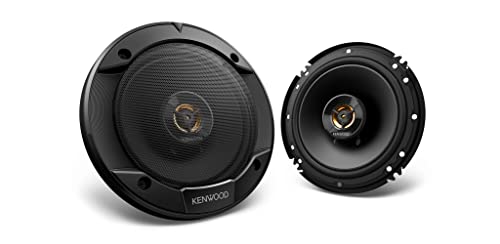

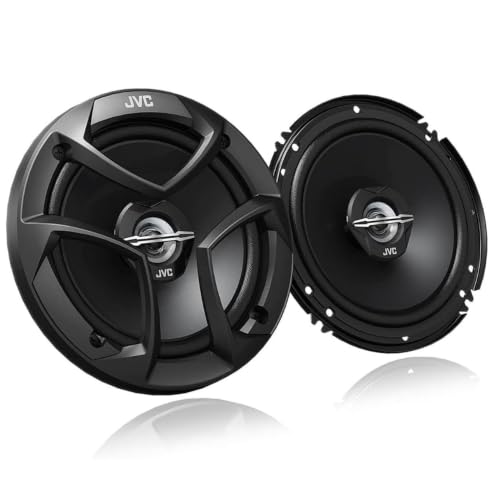


Who Should Buy Which 6 Car Speakers?
Start by finding yourself in one of the three groups below. Each group points to a different balance of price, performance, and convenience, and choosing by group prevents the common error of buying specifications you will never use.
For Value Seekers
Value seekers want a clear upgrade over factory sound without turning the car into a project. Prioritize high sensitivity, so head unit power alone gives satisfying volume, and rubber surrounds for long service life. A well made coaxial set in the middle price band usually fits best. Skip oversized power claims and decorative extra tweeters, and put any savings toward sound deadening or a proper wiring adapter for a clean, rattle free result.
For People Who Want the Best Performance
Performance focused listeners should look at component layouts, honest continuous power ratings, and crossovers that can be adjusted or positioned with care. These traits buy detail, stronger midbass, and an image that sits at ear level instead of down in the doors. Be ready to add an amplifier, because premium speakers on weak power often disappoint. Tuning time matters too: plan an hour of listening and small equalizer changes after installation.
For Gift Shoppers
Gift shoppers need certainty more than ultimate performance. Choose a widely compatible coaxial set with clear fit information for the recipients car, a solid warranty, and a seller with easy returns in case the size is wrong. Include a wiring harness adapter if one exists for that vehicle, since it turns the gift into a simple afternoon swap. Avoid component sets as gifts unless you know the recipient enjoys installation work.
Drivers whose cars use the closely related larger opening can compare options in our guide to the best 6 inch car speakers before settling on a size.
Key Features to Compare
With your group in mind, compare the five areas below. Each one connects directly to a daily driving situation, which makes trade offs easier to judge than a raw specification list.
Performance Specs
The two numbers that matter are sensitivity and continuous power handling. Sensitivity tells you how loud the speaker plays on your available power, which decides satisfaction for head unit users. Continuous power, often labeled RMS, tells you whether an amplifier pairing is safe. Peak figures describe brief moments and should not drive the decision. Also check impedance, since most car speakers are 4 ohm and some factory systems expect a different load.
Vehicle Compatibility
Nominal size is only a starting point, because cutout diameter, depth, and frame shape vary between brands and vehicles. Confirm fit for your exact make, model, and year, and note whether the location is a door, dash, or rear deck, since clearance differs. Some cars need spacer rings or different screw positions. Measuring your opening takes minutes and prevents the frustration of door panels off and speakers that will not seat.
If your vehicle actually uses the larger oval format, see our guide to the best 6 9 car speakers for fit notes specific to rear decks.
Ease of Installation
Coaxial speakers are the simpler install, usually a direct swap using factory wiring and mounting points. Component sets add tweeter mounting and crossover placement, which rewards patience and basic tools. Either way, disconnect the battery negative cable before wiring work, test each speaker before refitting trim, and keep polarity consistent. If your doors contain airbag modules or complex electronics, or if cutting is required, professional installation is a sensible cost.
Features and Extras
Useful extras include pivoting tweeters that aim sound toward listeners, included grilles for exposed locations, and adapter rings supplied in the box. Less useful extras are decorative trim, exaggerated way counts, and lighting that adds wiring without improving sound. Crossovers deserve attention rather than decoration: a real crossover network, even a simple one, protects the tweeter and cleans the midrange. Judge the extras by whether they solve a problem in your car.
Warranty and Brand Support
Look for a warranty of at least a year and support channels that answer fit questions before purchase. Established brands publish honest ratings and keep matching models available, which matters if you upgrade in stages and want front and rear speakers to share a tonal character. Keep receipts and packaging until you have lived with the speakers for a few weeks. A generous return window is worth as much as a small discount.
Setting a Sensible Budget
As a rough guide, entry level pairs often cost around $40 to $80, midrange pairs around $80 to $180, and premium component sets around $180 to $350. The smart place to land depends on the rest of the system. A modest head unit and untreated doors will hide much of what premium speakers offer, so midrange money plus a small amount spent on deadening usually sounds better overall than premium money spent on speakers alone.
Also think in stages. If you plan to add an amplifier next year, choose speakers now whose continuous power rating leaves room for it, even if they run on head unit power at first. If the car will be sold soon, a durable value set that restores clear sound is the rational spend. Writing down your stage plan before shopping stops the common pattern of buying twice, once cheaply and once properly.
Common Mistakes to Avoid When Buying 6 Car Speakers
- Choosing by peak power numbers instead of sensitivity and continuous ratings, which leads to quiet or strained sound on real power.
- Assuming the nominal size guarantees fit, without checking cutout, depth, and window clearance in the door.
- Wiring one speaker with reversed polarity, which cancels bass and is often mistaken for poor speaker quality.
- Spending the whole budget on speakers and nothing on adapters or deadening, leaving rattles that mask the upgrade.
- Judging sound in the first five minutes, before surrounds loosen and before any equalizer tuning is done.
Setup and Care Tips
After installation, set the balance and fader to center, play a familiar recording, and adjust tone in small steps over several drives. Check your owners manual for the factory speaker specifications if anything about the original system is unclear, especially impedance. Inspect mounting screws after the first month, since vibration can loosen new hardware, and retighten gently. Keep door drains clear so water does not sit against the speaker, and clean grilles with a dry brush. These small habits protect the sound you paid for.
Listeners building a matched system may also want our guide to the best sounding car speakers for tonal balance across all positions.
Frequently Asked Questions
How long does it last?
A quality set commonly lasts five to ten years, depending on materials and exposure. Rubber surrounds and synthetic cones age best, while foam and plain paper decline sooner in hot cabins. One early warning sign is a faint buzz on bass notes at moderate volume, which often means a surround is starting to separate. Catching that early lets you plan a replacement before sound falls apart.
Will it fit my vehicle?
It will fit if the cutout, depth, and mounting pattern match your car, which you should verify for your exact year and trim. Supplier fit guides help, but a quick measurement of your opening is more reliable. Note that front and rear locations in the same car sometimes use different depths. If a shallow spacer solves a small gap, confirm the door panel still clips back fully.
What specs matter most?
Sensitivity and continuous power handling matter most, in that order for most drivers. Sensitivity decides how satisfying the speakers sound on the power you already have, while the continuous rating decides amplifier safety later. A less quoted but useful figure is the low frequency limit in a door, since realistic expectations there prevent disappointment and stop buyers chasing bass that only a subwoofer can supply.
Do I need professional installation?
Not for a straightforward coaxial swap, which most owners complete with basic tools and a panel guide. Professional help makes sense for component sets, amplifier wiring, or doors with airbags and dense electronics. Ask any installer about polarity checks and gain setting, because those steps decide the result as much as the hardware. If quotes vary widely, ask what each includes before choosing.
The Bottom Line
Decide by use first, verify fit second, and let sensitivity and durable materials settle the rest. Value seekers and gift buyers will be happiest with a quality coaxial set, while performance listeners should budget for components and power. Check your finalists among the best 6 car speakers in the product table above, and confirm the fit for your exact car one last time.


