
Best 6 9 Car Speakers by Budget: Smart Picks for 2026
Disclosure: We may earn a commission when you buy through links on this page, at no extra cost to you. As an Amazon Associate I earn from qualifying purchases. Learn more

Learn how to choose the best 6 9 car speakers by budget, with clear guidance on power handling, fit, materials, and what each price level delivers.
Large oval speakers promise big sound for little money in some listings and premium performance in others, and the gap between those claims is where buyers waste cash. This guide to the best 6 9 car speakers sorts the market by budget, so you can see what each level should give you in output, bass, and durability.
Start with the comparison table below for power ratings and prices. Then use the tier checklists and feature notes that follow to judge whether a higher price buys sound you will actually hear in your car.
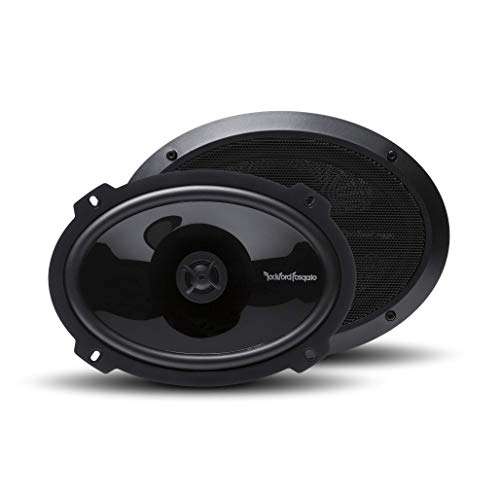
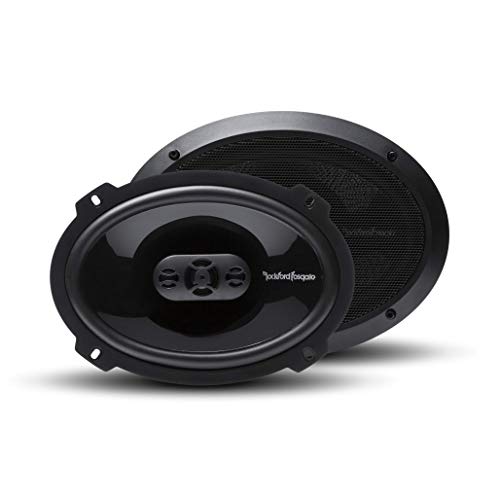
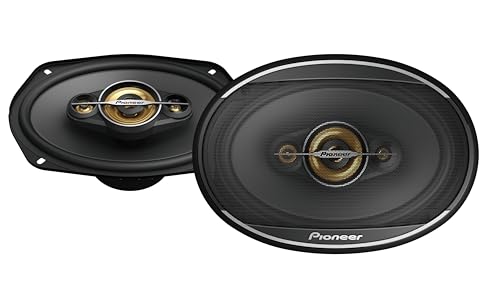


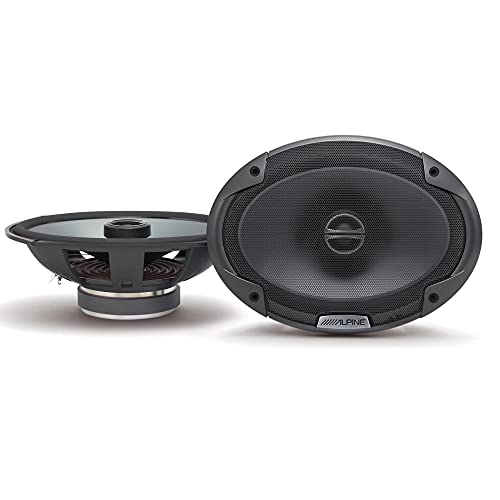





Choosing by Budget: What Each Level Should Deliver
Treat the levels below as minimum expectations. A set listed in the product table above should satisfy its level checklist before anything else on the box earns your attention.
Budget Level Checklist
A budget set suits a driver replacing blown rear deck speakers who listens at normal volume. Expect a clear improvement in vocal clarity and some added warmth over worn factory units, in exchange for limited bass depth and tweeters that can sound bright. Check for rubber surrounds rather than foam, a sensitivity rating that suits head unit power, and a mounting pattern that matches your deck or door without cutting metal.
Midrange Level Checklist
The midrange should add stronger magnets, better cone materials, and crossovers that keep tweeters from sounding harsh at volume. This is the level where continuous power handling becomes honest enough to pair with a small amplifier later. Look for complete mounting hardware, clear depth figures, and a warranty of at least a year. Most daily drivers get the best balance of loudness, tone, and service life in this band.
Premium Level Checklist
A premium set must justify its price with build and tuning, not trim. Expect separate or well integrated crossovers, durable surrounds, and tweeters voiced to stay smooth when driven hard. Premium sets often handle amplifier power gracefully and hold their tone at high volume on long drives. Choose this level if your rear speakers carry much of the system output, or if you plan a subwoofer and want the midbass to keep pace.
What Your Money Gets You at Each Price Tier
Typical United States pricing falls into three broad bands. Knowing what each band usually includes helps you spot a set priced above its real specification.
Budget Tier: What to Expect
Budget sets often run around $40 to $80 a pair. You get coaxial drivers with basic cones, small magnets, and simple built in crossovers. They work fine on head unit power for talk, pop, and casual listening. Bass is present but light, and distortion arrives early when you push volume. For an older car or work truck, that may be exactly enough, provided fit is correct and surrounds are rubber.
Midrange Tier: The Sweet Spot for Most Buyers
Midrange sets often run around $80 to $180 a pair. Materials improve noticeably here: stiffer cones hold shape at volume, surrounds last longer, and tweeters sound less shrill. Continuous power ratings support modest amplifiers, and many sets include grilles and hardware that budget sets omit. If you listen daily and keep cars for years, this tier usually delivers the strongest value, because you pay for durability and tone rather than decoration.
Premium Tier: When Spending More Pays Off
Premium sets often run around $180 to $350 a pair, sometimes more for component style designs. The payoff is cleaner output at high volume, stronger midbass, and parts built for heat and vibration over many seasons. The catch is system balance: without adequate power and some tuning, premium speakers in a rear deck may sound only marginally better than midrange sets. Spend here when the rest of your system can reveal the difference.
Features Worth Paying For and Ones to Skip
Specification sheets mix decisive numbers with decoration. The five checks below separate the two, in the order most buyers should apply them.
Vehicle Compatibility
Fit comes first, because the 6 by 9 format lives in rear decks, doors, and boxes with very different depth and clearance. Confirm cutout size, mounting depth, and top mount height, especially tweeter protrusion under a deck grille. Some vehicles need spacer rings or minor trimming, which changes the real cost of a cheap set. Check your model year fit notes before ordering, and keep packaging until both speakers are mounted and tested.
Power Handling and Sensitivity
Judge power by the continuous rating, not the peak figure printed largest on the box. Match that rating to your head unit or amplifier output per channel, and favor high sensitivity if you run head unit power alone. A sensitive speaker plays louder on the same watts, which matters in a noisy cabin. Oversized power claims with tiny magnets are a warning sign that the rating deserves skepticism.
If strong low end is your goal, see our guide to the best 6 9 car speakers for bass for cone area and enclosure notes.
Materials and Weather Exposure
Rear deck speakers bake in sun through the back window, so materials matter. Polypropylene or treated composite cones and rubber surrounds resist heat and ultraviolet damage far better than plain paper and foam. Tweeter material shapes tone: metal sounds bright and forward, textile sounds smoother. In convertibles or vehicles that see moisture, look for protected terminals and coated parts, and avoid designs with exposed untreated paper.
Installation and Wiring Safety
Installation is straightforward in most decks, but work carefully. Disconnect the battery negative cable before handling wiring, keep polarity consistent on both sides, and secure loose wires away from sharp deck edges. Reversed polarity on one side cancels bass and shifts the image, a fault often blamed on the speakers themselves. Test with a familiar track before refitting trim, and use proper connectors rather than twisted bare wire.
Warranty and Brand Support
A clear warranty and reachable support matter more than a long feature list. Check whether coverage includes surround failure and burned voice coils, and what proof of purchase is required. Established makers tend to publish honest ratings and offer replacement parts or matching models years later, which helps if one speaker fails. Keep invoices and register the product if the maker offers it, since that small step can decide a claim.
Shoppers comparing formats can also see our guide to the best sounding 6 by 9 speakers for tonal differences between coaxial and component layouts.
Once installed, tune in small steps and live with the settings for a few drives before judging. If you are planning a full cabin refresh rather than a single pair, see our guide to the best sounding car speakers for how front and rear speakers should balance.
Long Term Costs to Factor In
The pair price is not the whole bill. Adapter harnesses, spacer rings, and sound deadening for a rattling rear deck can add around $20 to $80. Professional installation, if you choose it, often costs as much as a budget pair. Against that, durable midrange speakers that serve for many years beat cheap sets replaced repeatedly. If you later add an amplifier or subwoofer, speakers with honest power ratings already in place save a second purchase, which is another reason the midrange tier appeals.
FAQs
Do I need professional installation?
Most owners can install rear deck speakers at home with basic tools and a trim guide for their car. The work becomes harder when panels hide airbags, or when cutting is required for depth. Professionals earn their fee in those cases and when amplifier wiring is involved. Either way, ask that polarity and mounting torque be checked, because those two details decide much of the final sound.
Will it fit my vehicle?
Fit depends on more than the nominal size, so verify cutout, depth, and grille clearance for your exact model and year. Some factory openings are slightly smaller than standard, and some decks place braces close behind the speaker. Supplier fit guides are a good start, but measuring your own opening is better. If a spacer solves the gap, confirm the deck panel still sits flat afterward.
What specs matter most?
Sensitivity and continuous power handling matter most, followed by frequency response through the midrange. Sensitivity decides loudness on your available power, and the continuous rating decides whether an amplifier is safe. One overlooked figure is mounting depth in inches for your exact car, because a speaker with perfect specifications is useless if the magnet meets a trunk brace. Compare depth before tone.
How long does it last?
A well made set commonly lasts five to ten years, with rubber surrounds at the long end of that range. Sun exposure on a rear deck is the main aging factor, followed by habitual distortion from underpowered sources played too loudly. Early signs of decline include buzzing on bass notes and a scratchy sound at low volume. Replacing a tired pair restores clarity that equalizer settings cannot.
Our Verdict
Confirm fit, match sensitivity to your power source, and buy the most durable materials your budget allows. Most drivers should start in the midrange, moving up only when amplifier power and listening habits justify it. Compare your finalists among the best 6 9 car speakers in the product table above, and check depth one final time before you order.


