
Best 6 3 4 Door Speakers by Budget: Smart Choices for 2026
Disclosure: We may earn a commission when you buy through links on this page, at no extra cost to you. As an Amazon Associate I earn from qualifying purchases. Learn more

Compare the best 6 3 4 door speakers at every price point. Learn what you get at budget, midrange, and premium levels and where spending more pays off.
Prices for door speakers run from the cost of a tank of fuel to the cost of a weekend trip, and the box copy all sounds the same. This guide sorts the best 6 3 4 door speakers by budget, so you can see what each price level actually buys in sound, materials, and staying power. The 6 3 4 size, often sold as 6.75 inch, fills many factory door openings in trucks and SUVs.
The comparison table below lines up the current options by price. Below it, each tier gets an honest summary of strengths and trade offs, followed by the features that are worth paying for and the ones you can safely skip.


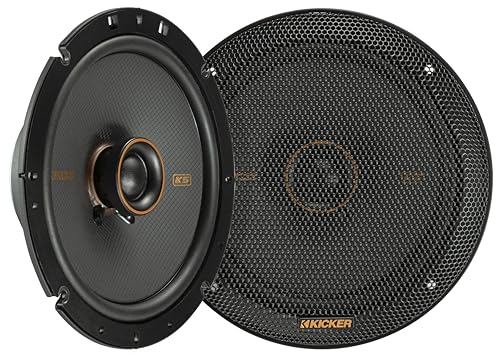
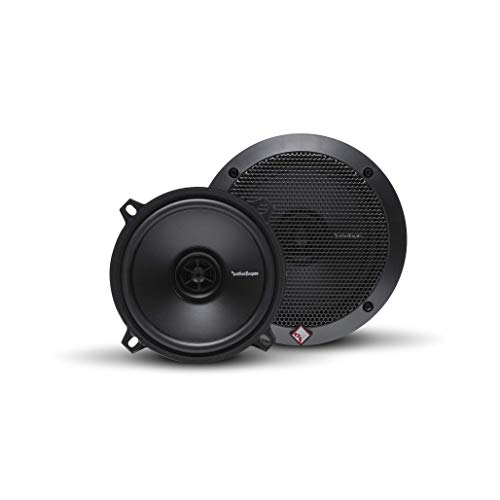
Budget Tiers at a Glance
Budget Tier: What a Smart Buy Looks Like
A smart budget buy, at around $40 to $70 per pair, gives you a polypropylene woofer, a balanced dome or polymer tweeter, and sensitivity near 90 dB so a factory stereo can drive it well. Sound will be clearer and louder than a worn stock speaker, with modest bass. The limits show up at high volume, where cheaper crossovers let the tweeter turn harsh. Choose this tier to repair a failed speaker, to outfit a work truck, or to test whether you enjoy upgrading before you commit more money.
Midrange Tier: What a Smart Buy Looks Like
The midrange, at around $80 to $150 per pair, is where most owners should shop. You get stronger magnets, rubber surrounds, better crossovers that protect the tweeter, and often a tweeter you can aim or adjust. Voices gain texture, and the speaker stays composed at highway volume. This tier also tends to include proper mounting hardware and adapter rings, which matters in this size because factory openings vary. If you plan to keep the vehicle for years and listen daily, the midrange is the sensible place to land.
Premium Tier: What a Smart Buy Looks Like
Premium pairs, at around $160 to $300, add rigid cone materials, cast or reinforced baskets, and crossovers built from higher grade parts. The gains are real but conditional: you hear them with an amplifier, careful door treatment, and good source material. On a stock stereo, a premium pair may sound little better than a midrange pair, and can even sound quieter because premium designs often trade sensitivity for power handling. Choose this tier as part of a planned system that includes amplification, not as a lone splurge.
What Your Money Gets You at Each Price Tier
Budget Tier: What to Expect
Expect honest, simple construction: a treated paper or poly cone, a small magnet, and a basic capacitor protecting the tweeter. Installation hardware may be thin, and you might need to buy adapter rings or a wiring harness separately for a few dollars. Warranties are usually one year. For spoken word, radio, and moderate music levels, none of that is a problem. The main risk is buying the very cheapest no name pair, where stated specs are unreliable and returns are hard. Stay with established audio brands even at this level.
Midrange Tier: The Sweet Spot for Most Buyers
At this level the money goes into things you can hear: a larger magnet for control, a rubber surround that will not rot, and a crossover that keeps the tweeter clean. Many pairs add a tweeter level switch, which helps tame brightness in hard, reflective truck cabs. Fit kits are better, and published specs are usually trustworthy, so matching to your stereo is easier. If your goal is strong bass from the door itself, compare this tier against the guidance in our article on the best 6 3 4 door speakers for bass before you decide.
Premium Tier: When Spending More Pays Off
Spending more pays off when the rest of the system can use it. An amplifier that delivers clean power lets a premium pair play loud without strain, and deadened doors let its tighter bass come through instead of rattling the panel. Premium pairs also hold up better over a decade of heat cycles. If none of that describes your vehicle, the premium tier buys bragging rights rather than sound. Put the difference toward installation quality instead, because a well mounted midrange pair beats a poorly mounted premium pair every time.
Features Worth Paying For (and Ones to Skip)
Sound Quality and Tuning
Pay for sensitivity that matches your power source and for a crossover with a real network rather than a single capacitor. Those two traits shape daily sound more than any exotic cone material. A stated frequency response that dips a little lower is worth a small premium, but treat extreme claims with doubt. Skip paying extra for very high peak wattage numbers, which describe a brief burst rather than working power. If you are still deciding between this size and its close relatives, our guide to the best 6 inch door speakers explains how the smaller round size compares for fit and bass.
Amplifier Readiness
App style features and smart extras do not exist on passive door speakers, so judge this slot by amplifier readiness. A pair rated at 50 to 100 watts RMS with a stable 4 ohm impedance will grow with your system if you add power later. Our guide to the best 4 channel amp for door speakers shows what that upgrade involves and what it costs. Skip speakers with unusual impedance, such as 2 ohm designs, unless your amplifier is built for them, because a mismatch can overheat a factory stereo.
Durability and Moisture Resistance
Doors collect water, so materials are a durability feature, not a luxury. Rubber surrounds, poly or coated cones, and rust resistant baskets are worth paying for at any tier. A formal IP rating is rare on car speakers and not needed inside a door, but marine style construction is a genuine plus in older vehicles with tired window seals. Skip cosmetic extras such as flashy grilles you will hide behind the factory door panel anyway, and skip chrome trim that adds cost without adding life.
Installation Fit and Hardware
This size exists because many factory openings are slightly larger than a standard 6.5 inch speaker, so the fit details decide your Saturday. Pay attention to the included adapter rings, the mounting hole pattern, and the depth, which must clear the window track. Know how point: dry fit the speaker and roll the window fully down before wiring, because a magnet that grazes the glass or track will announce itself only after the panel is back on. If your opening turns out to be the smaller common size, our guide to the best 6 1 2 door speakers covers that fit in detail.
Long Term Costs to Factor In
The speaker price is only part of the bill. Add a wiring harness adapter at around $10 to $15, adapter rings if your kit lacks them, and a sheet or two of sound deadening at around $20 to $40 per door if you want the full benefit. Professional installation, if you choose it, often runs around $75 to $150 per pair. Against that, a decent pair should last the life of the vehicle, so cost per year stays low. Keep your receipt and note the warranty length, since midrange and premium pairs often carry two or three years of cover while budget pairs carry one.
6 3 4 Door Speakers: Your Questions Answered
What IP rating do I need for outdoor use?
You do not need an IP rating for a speaker that lives inside a car door, because the door panel and water barrier shield it from direct weather. What you need is moisture tolerant materials: a poly cone, a rubber surround, and terminals that resist corrosion. If the speaker will truly live outdoors, on a patio or an open vehicle, buy a marine rated model instead of stretching a car speaker beyond its design.
How long does the battery last on door speakers?
Door speakers have no battery, since they are passive and run on power from the stereo whenever the vehicle is on. Their useful measure is service life, not charge time. A pair with rubber surrounds commonly serves for a decade or more, while foam surrounds in hot climates may need attention after five to seven years. Nothing needs charging, pairing, or updating at any point.
Is ANC worth the extra cost on door speakers?
No, because active noise cancellation is not a feature offered on passive door speakers at any price. Cabin noise is managed by the vehicle itself, and in a speaker budget the effective upgrades are door deadening and higher sensitivity, which let you hear more music at a lower volume setting. Any listing that implies cancellation for a passive pair is marketing language, not a real function.
Wired or wireless: which sounds better for door speakers?
Wired sounds better and is the only practical choice for a door. The speaker wire carries full power with no compression, no delay, and no battery to manage, and it works every time you start the vehicle. Wireless designs belong to portable speakers that move from room to room. For a fixed door location with factory wiring already in place, wired wins on sound, cost, and reliability.
Do I need a special codec for door speakers?
No, because codecs describe the Bluetooth link between your phone and your stereo, not the wire between the stereo and the speaker. The speaker plays an analog signal and has no say in digital formats. If streaming quality is a priority, choose a stereo with a current Bluetooth version and set your music service to high quality, then let any decent pair of speakers do its simple job.
Our Verdict
Pick your tier by the system around the speaker, not by the biggest numbers on the box. Most owners should buy midrange, match sensitivity to the stereo, and spend a little on fit hardware and deadening. Check the product table above for current prices in each tier, then choose the best 6 3 4 door speakers that fit your doors and your plans. Owners of vehicles with round openings can also browse our guide to the best 6 inch car door speakers for the closest alternative size.


