
Best 6 Inch Door Speakers: Budget, Midrange, and Premium Guide for 2026
Disclosure: We may earn a commission when you buy through links on this page, at no extra cost to you. As an Amazon Associate I earn from qualifying purchases. Learn more

Compare the best 6 inch door speakers by budget, fit, sensitivity, and power handling, with a clear checklist for choosing a pair for your car doors.
Prices for door speakers stretch from under $40 a pair to several hundred dollars, and the spec sheets all promise big sound. That spread makes it easy to overspend on power numbers you will never use or underspend on a pair that rattles at highway volume. This guide to the best 6 inch door speakers shows you where money actually changes what you hear.
Use the comparison table below to line up sizes, power ratings, and prices side by side. Then read on for what each budget tier really delivers, which features matter inside a car door, and which extras you can safely skip.


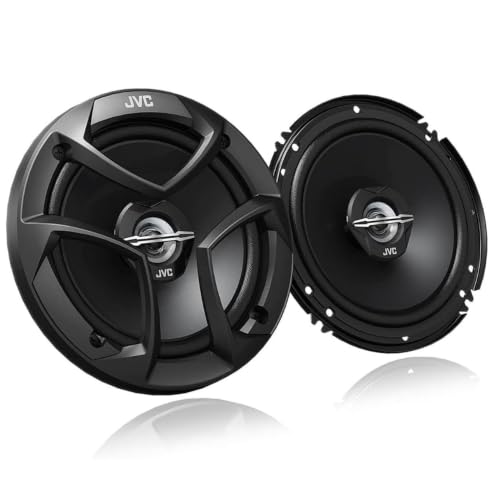


Three Budget Paths Worth Considering
Best Budget Path
A budget pair suits a driver whose factory speakers have torn, buzz, or stopped working and who mainly wants clear voices again. Look for a coaxial design with a built in tweeter, because it drops into the factory location with no extra mounting work. Sensitivity matters more than wattage here, since a factory stereo makes modest power. Expect clean radio, podcasts, and calls at city speeds. The trade off is thinner bass and some harshness when you push the volume on the open road.
Best Midrange Path
The midrange path fits commuters and road trip drivers who listen for hours and want music to stay composed at real world volume. Spend here and you usually get a stiffer cone, a larger voice coil, and a tweeter that sounds smoother on cymbals and female vocals. Many pairs in this band also include grilles and basic mounting hardware. You give up little that matters for daily driving. The main limit is deep bass, which a door location rarely delivers well no matter what you spend.
Best Premium Path
A premium pair makes sense when you plan to add an amplifier later or you already run one, because better materials only show their advantage with clean power behind them. Component sets, with a separate tweeter you mount higher in the door or pillar, belong in this group and widen the soundstage noticeably. Materials and crossovers are the real upgrades, not exotic styling. The cost is installation time, since separate tweeters and crossovers need planning, plus a higher total once wiring and mounting adapters are counted.
What Your Money Gets You at Each Price Tier
Budget Tier: What to Expect
Pairs around $40 to $80 usually use treated paper or basic polypropylene cones, small magnets, and simple foam surrounds. They sound fine at moderate volume and restore clarity that worn factory speakers lost. What you do not get is much headroom, so distortion arrives early on bass heavy tracks. If your stereo is stock and your listening is mostly talk and light music, this tier covers the job without waste. Save the leftover money for proper mounting adapters and foam rings.
Midrange Tier: The Sweet Spot for Most Buyers
Pairs around $80 to $180 typically add mica filled or carbon infused cones, rubber surrounds that last longer in hot doors, and silk or soft dome tweeters. Sensitivity often improves, so the speakers play louder on the same stereo power. Build quality is the quiet win here, because better surrounds resist the heat and humidity cycles inside a door. Most drivers who upgrade once and keep the car for years land happiest in this band.
Premium Tier: When Spending More Pays Off
Pairs above about $180, and component sets above about $250, bring larger magnets, cast or reinforced baskets, and crossovers that protect the tweeter and shape the midrange. These details reward amplifier power and careful installation with lower distortion at high volume. They do not reward a stock stereo in the same way, so match the tier to your system plan. If you will never add an amp, premium money is better spent on sound deadening for the doors.
Features Worth Paying For and Ones to Skip
Durability and Water Resistance
Car doors are wet places, because rain runs down inside the panel past the window seal. Choose cones and surrounds that shrug off moisture, such as polypropylene cones and rubber surrounds, and keep any factory water shield in place during installation. Formal IP ratings like IP67 are rare on door speakers, so material choice matters more than a rating badge. Drivers who live with boats or open air vehicles should instead study the guide to the best 6 inch marine speakers for models built for direct spray.
Placement and Fit in the Door
Fit decides whether a speaker sounds right or buzzes against the panel. Measure mounting depth before you order, because window tracks and door beams sit close behind many factory locations. Shallow mount designs solve tight doors at a small cost in bass. Check the cutout diameter too, since some doors need adapter rings. If you are comparing general sizes before narrowing down, our overview of the best 6 inch speakers explains how this size class behaves across uses.
Head Unit and Amplifier Match
There is no app or Bluetooth ecosystem to buy into here, because door speakers are passive parts wired to your stereo or amplifier. What matters is impedance, usually 4 ohms, and honest RMS power ratings on both sides of the wire. A speaker rated for about 50 watts RMS pairs well with most aftermarket stereos and small amps. Listings that shout peak wattage in huge type while hiding RMS numbers are telling you to look elsewhere.
Sound Quality and Tuning
Frequency response figures only help when a maker states a tolerance, so treat a claim like 40 Hz to 22 kHz with caution. In practice, a 6 inch driver in a door gives useful output down to roughly 70 or 80 Hz, and voices sit in the band where this size is strongest. Tweeters shape the detail you notice most, and soft dome designs tend to sound gentler on long drives. If strong low end is your top priority, read the focused guide to the best 6 inch speakers for bass before you buy.
Power Handling and Wiring
Skip any feature list that talks about battery life, because these speakers draw power from the vehicle and carry no battery at all. Spend attention on wiring instead. Factory door wiring is thin but adequate for stereo power, while an amplifier install deserves fresh wire through the door boot. Secure every connection so it cannot chafe on metal edges. A vibrating loose connector is a common cause of the crackle owners blame on a new speaker.
Long Term Costs to Factor In
The sticker price is only part of the total. Budget for mounting adapters or spacer rings, foam rings that seal the speaker to the door panel, and enough sound deadening mat to calm the worst rattles, often about $30 to $80 per pair of doors. Professional installation commonly adds around $100 to $200 if you would rather not pull door panels yourself. Quality pairs last the life of the car, so warranty length matters less than solid materials. Keep the factory speakers until you are sure the new pair fits and sounds right.
FAQs
How long does the battery last on 6 inch door speakers?
Door speakers have no battery, so there is nothing to charge or wear out. They run entirely on power from your stereo or amplifier whenever the system is on. That also means a weak or noisy stereo limits them, no matter how good the speakers are. If your sound cuts out, check vehicle wiring and grounds first. A speaker that plays cleanly at low volume but crackles when loud usually points to a failing amplifier channel or a loose door connector.
Is ANC worth the extra cost on door speakers?
No, because active noise cancellation is a headphone and cabin system feature, not something a passive door speaker offers. Road noise in a car is handled by door seals, tire choice, and sound deadening material, which is where extra money works harder. Adding deadening behind the speaker often improves clarity more than stepping up a tier. If cabin quiet is your main goal, price deadening and door seal care before you price premium speakers.
What IP rating do I need for outdoor use in a car door?
You rarely need a formal IP rating for a normal car door, since the speaker sits behind a panel and a water shield rather than in open rain. What you need is moisture tolerant materials and an intact shield after installation. Reserve true waterproof ratings for exposed locations like boats, patios, and open top vehicles. Inside a door, a torn water shield left unrepaired will damage even an expensive speaker over a few wet seasons.
Do I need a special codec for door speakers?
No codec applies, because door speakers receive an analog signal over speaker wire, not a digital stream. Sound quality limits come from your source files, the stereo, and the amplifier, in that order. If your music sounds flat, check the stereo tone settings and any loudness feature before blaming the speakers. Drivers comparing full car audio sizes may also find our roundup of the best 6 inch car speakers useful for broader context.
Wired or wireless: which sounds better for door speakers?
Wired is the only real option, and it sounds better by design. A direct wire carries full power with no compression, no pairing steps, and no delay, which is why every factory and aftermarket door install uses it. Wireless audio belongs to portable speakers you carry from room to room. If a listing for a door speaker advertises wireless playback, you are likely looking at a portable product that will not mount or seal correctly in a door.
Our Verdict
Start with fit, then sensitivity, then honest RMS power matched to your stereo or amp plan. Budget pairs restore clarity, midrange pairs add composure and lasting materials, and premium component sets reward amplifier power and patient installation. Compare your shortlist in the product table above, and if your doors are an unusual shape, the guide to the best 6 inch car door speakers covers fit issues in more depth. Chosen with those three checks, the best 6 inch door speakers turn daily driving into listening time you actually enjoy.


