
Best 6 3 4 Door Speakers for Bass: Types Compared and How to Choose for 2026
Disclosure: We may earn a commission when you buy through links on this page, at no extra cost to you. As an Amazon Associate I earn from qualifying purchases. Learn more

The best 6 3 4 door speakers for bass compared by type, who each suits and what to check before you buy.
Plenty of door speakers promise deep bass, yet a small woofer in a thin, rattling door has real physical limits. This guide compares the types of best 6 3 4 door speakers for bass honestly, so you know which design gives the strongest low end, what it costs, and what supporting work makes the bass real instead of buzzy. No type turns a door into a subwoofer, but the right one gets surprisingly close for everyday listening.
The comparison table below shows the current options side by side. Below it, each type gets a plain summary, followed by the specs and door preparation steps that decide how much bass you actually hear.


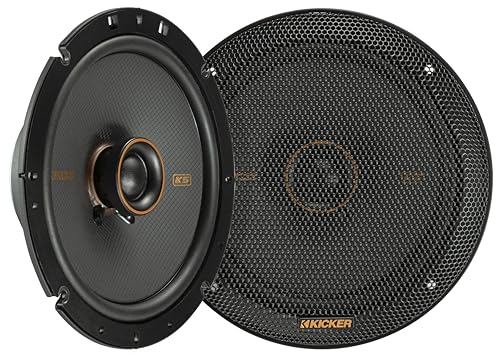
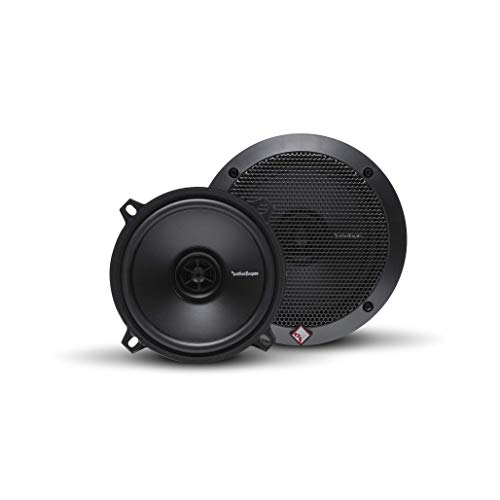
Types of 6 3 4 Door Speakers Compared
Three designs dominate this size for bass focused buyers, and they trade cost, installation effort, and low end strength against each other. Expect to pay around $60 to $120 for a bass capable coaxial pair, around $150 to $300 for a component set with a proper crossover, and more for high excursion designs that need amplifier power. Start by picking the type that matches your stereo and your patience, then compare models within that type. If you have not yet settled on the size itself, our general guide to the best 6 3 4 door speakers covers the broader field at every budget.
Coaxial Models Built for Bass
A bass focused coaxial pair uses a stiff, light woofer cone, a rubber surround that allows healthy cone travel, and a magnet large enough to control that travel. The tweeter sits in the center, so installation stays simple and the pair drops into the factory location. Low end is punchy in the mid bass, which is where kick drums and bass guitar attack live, so music feels fuller even without true deep notes.
The limits are power and control. On a factory stereo, a heavy woofer can sound quieter than stock because the small amplifier cannot move it well. These pairs shine with a modest amplifier of about 40 to 75 watts RMS per channel. Choose this type if you want the easiest path to fuller sound and may add power later.
Component Models Built for Bass
A component set gives the woofer its own job, with no tweeter blocking the cone, and adds an external crossover that keeps deep bass energy away from the tweeter. Many bass focused sets use a woofer with a longer voice coil and greater cone travel, which moves more air per stroke. Mounting the tweeter up high also clears the sound stage, so bass feels anchored in a wider, calmer presentation.
The price is installation effort and money. You will mount crossovers inside the door or dash, find a home for each tweeter, and route more wire. In return you get the cleanest loud playback this size can offer, especially with an amplifier. Choose components if you listen loud, keep vehicles for years, and enjoy a careful install.
High Excursion and Shallow Mount Models
High excursion designs squeeze extra cone travel from this diameter with tall surrounds and long voice coils, trading some sensitivity for deeper reach. Shallow mount designs go the other way, fitting tight truck doors where depth is scarce, and they give up some bass travel to fit. Both are specialty tools. A high excursion pair needs real amplifier power and a well sealed door to pay off, while a shallow pair is the right answer when a standard depth woofer would foul the window track in your specific door.
Coaxial vs Component: Which Should You Choose?
Judge the two main types on five points. For bass strength, components hold a small edge at high volume because the crossover and woofer are optimized separately. For clarity, components win again once tweeters sit at dash height. For installation, coaxial pairs win easily, often taking half the time. For cost, coaxial pairs start around $60, while worthy component sets start around $150. For power needs, both improve with an amplifier, but coaxial pairs tolerate a factory stereo better thanks to higher sensitivity. Choose coaxial for a fast, affordable lift in fullness, and components for the strongest, cleanest result you can build in a door. For a wider view across sizes, see our guide to the best door speakers for bass.
How to Choose the Right 6 3 4 Door Speaker for Bass
Features That Matter for Bass
Bass from a door speaker depends on moving air cleanly, so look for a stated low frequency reach near 45 to 55 Hz, a rubber surround, and a cone material that stays rigid under load, such as polypropylene, treated paper, or a fiber blend. A larger magnet and a higher RMS rating signal a woofer built to be driven hard. Just as important is what the numbers hide: a speaker cannot make bass the door wastes, so plan to seal the large access holes in the inner door skin with deadening sheets, which firms up the low end more than a small spec gain ever will.
Power Handling and Sensitivity Balance
For bass, power and sensitivity must be read together. A woofer rated at 60 to 100 watts RMS with sensitivity near 88 to 91 dB is a balanced target for a small amplifier. Very high power ratings with low sensitivity mean the speaker will sound weak on a stock stereo, no matter how strong its bass design is. If you will never add an amplifier, favor sensitivity above 90 dB and accept a little less ultimate depth. Distortion, not power shortage, is what usually makes door bass sound bad, so headroom in the amplifier matters.
Door Treatment and Sealing
The door is the speaker enclosure, and from the factory it is a leaky, vibrating one. Adding sound deadening to the inner and outer skins, sealing service holes, and mounting the speaker on a firm ring with a foam gasket behind it can add more audible bass than upgrading the speaker itself. Know how point: place a foam ring around the front of the speaker so its output seals against the door panel grille, instead of leaking into the hollow panel where bass cancels itself. This cheap step is the one most owners skip and most regret skipping.
Sound Quality and Tuning
Strong bass should not bury the rest of the music. Look for a smooth midrange and a tweeter with a level adjustment if your cab is bright and reflective. After installation, set the stereo bass control near flat and use a high pass filter around 60 to 80 Hz if you later add a subwoofer, so the door speakers stop straining at notes they cannot reproduce. Owners comparing clarity as well as weight should read our guide to the best door speakers for bass and sound quality, which weighs both goals together.
Fit, Depth, and Window Clearance
Bass capable woofers carry bigger magnets, and bigger magnets need depth. Measure the space from the mounting surface to the window track, and compare it with the stated mounting depth before ordering. Check the cutout diameter too, since 6 3 4 openings vary between brands of vehicle. A thin adapter ring can buy clearance and adds a solid mounting base, but it also moves the cone closer to the door panel, so confirm the surround will not touch the panel at full travel. Careful measuring here prevents the most common return in this category.
Tips to Get the Most From Your Door Speakers
Feed the speakers clean power and keep volume below the point where bass turns to buzz, because distortion destroys voice coils faster than honest power does. Seal and deaden at least the front doors, even if you do it a month after the install. Set gains on any amplifier with the stereo at its normal maximum, not by ear at random. Recheck mounting screws after a few weeks of driving, since door vibration works them loose. If bass still feels thin, the next step is a small subwoofer, not louder door speakers: our guide to the best 6 inch speakers for bass explains the smaller sizes, and a compact sub handles the deepest notes far better.
FAQs
What features matter most in 6 3 4 door speakers for bass?
The features that matter most are cone travel, surround material, and door sealing. A rubber surround and a rigid cone let the woofer move air without breaking up, and a sealed, deadened door stops that air pressure from escaping or cancelling. Specs such as peak watts matter little. One extra point many buyers miss: a foam gasket between the speaker and the door panel often adds more felt bass than the next model up would.
Do I need a special codec for door speakers?
No, because a codec governs the digital link between your phone and your stereo, while the speaker receives a plain analog signal. Bass quality is set by the recording, the stereo output, and the speaker and door, in that order. If your streamed music sounds thin, check the app quality setting first, since low data settings trim deep bass before the signal ever reaches the car.
Is ANC worth the extra cost for bass door speakers?
No, because passive door speakers do not offer active noise cancellation at any price. What helps bass in a noisy cab is output headroom and door treatment, which raise the music above the road noise instead of trying to erase the noise. Spend the money on deadening material and, if needed, a small amplifier. Both give you cleaner, stronger low end on the highway than any cancellation claim on a speaker box.
Wired or wireless: which sounds better for door speakers?
Wired sounds better, and for door speakers it is the only sensible option. A wire delivers full amplifier power with no compression and no battery concerns, which bass reproduction needs more than any other range. Wireless speakers serve portable uses around the house. In a door, where factory wiring already waits behind the panel, choosing wired costs less and performs better every day.
How long does the battery last on door speakers?
There is no battery involved, because these speakers are passive and run from the vehicle electrical system through the stereo. Their lifespan is measured in years: a rubber surround pair in a treated door can serve for a decade. The parts that age are the surround and the cone, and heat plus sunlight through the window are the main enemies, not any charge cycle.
Final Thoughts
Bass from this size is earned through cone travel, honest power, and a sealed door, in that order. Pick the type that fits your budget and your stereo, treat the doors, and set your expectations at strong, musical low end rather than subwoofer depth. Compare your finalists in the product table above, and choose the best 6 3 4 door speakers for bass that your doors can house and your system can drive. Truck and sedan owners with round cutouts may also want our guide to the best car door speakers for bass.


