
Best 5G Phones for Seniors in 2026: Everything to Know Before Your First Purchase
Disclosure: We may earn a commission when you buy through links on this page, at no extra cost to you. As an Amazon Associate I earn from qualifying purchases. Learn more

Plain guidance on the best 5g phones for seniors: easy to read screens, clear sound, battery life, updates and unlocked choices.
Buying a phone later in life should feel calm, not confusing. The best 5g phones for seniors make text easy to read, calls easy to hear, and daily tasks simple to reach in one or two taps. This guide starts with the basics, explains each term in plain words, and shows you what matters before you spend. Use the comparison table below to match each phone against the points here.
Start with your own routine rather than a sales pitch. Think about how often you call family, take photos, read news, or use maps away from home. A phone for a daily video caller may be more than a light user needs.

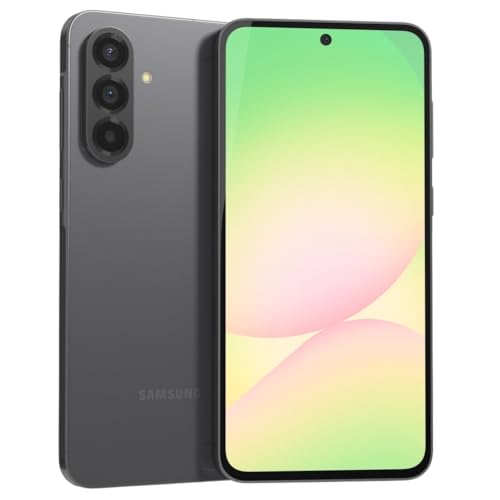


5G Phones 101: The Basics for Senior Buyers
5G is the newest mobile network, and a 5G phone uses it for calls, browsing, maps, and video when coverage is nearby. Where 5G is not available, the phone falls back to 4G, so you do not lose service on trips. Coverage varies by street and carrier, so your address matters more than a headline speed claim.
Your home WiFi does most indoor work, while 5G covers you outdoors and during travel. For a wider view of the category, see our guide to the best 5g phones and then return here. Checking a carrier coverage map for your home is the smartest first step.
Who Should Buy Which 5G Phone?
Most senior buyers fall into one of three groups. Find yours first, because it shows which features deserve your money.
Seniors Who Mainly Call, Text, and Video Chat Family
You need loud, clear speakers, a bright screen for faces, and a front camera that works well indoors. Choose a simple home screen with large icons for phone, messages, and camera. A modest processor and storage are fine here, so spend on sound and clarity instead.
Seniors Who Read, Watch, and Browse Every Day
You will notice screen quality and battery life most. Look for a larger OLED display, strong brightness for reading outdoors, and a battery that lasts a full busy day. More storage helps for articles, podcasts, and photos. Android gives the widest choice here, so see our guide to the best 5g android phones for that market.
Seniors Who Want Simple Controls and Extra Support
You may prefer an easy mode that enlarges icons, a clear emergency button, and steps in plain language. Family help matters too, so pick a system a relative already knows. For senior specific layouts, see our guide to the best android phones for seniors alongside this one.
Six Specs That Matter Most for Easy Everyday Use
Read these six factors in order, because the best 5g phones for seniors are chosen on comfort and clarity first, and on speed second.
Display Size, Brightness, and Text Size
Screens around 6.1 to 6.7 inches give room for larger text without making the phone hard to hold. OLED panels show deep contrast that helps letters stand out, and a refresh rate of 90 or 120 Hz makes scrolling look smooth. Raise the font size in settings, then check reading in bright daylight before you judge any screen indoors only.
Ease of Use, Buttons, and Hearing Support
Easy mode, sometimes called simple mode, enlarges icons and trims the home screen to the apps you use most. Look for a volume button you can find by touch, strong speakers, and hearing aid compatibility if you wear aids. Sudden hearing loss, a sudden change in vision, or new dizziness are signs to seek medical care promptly rather than adjusting phone settings, and you should talk with your clinician about your personal hearing and vision needs.
Camera System and Night Mode for Family Photos
A good main camera matters more than a long list of extra lenses. It handles grandchildren, holidays, and documents you photograph for records. Night mode brightens indoor and evening shots without a harsh flash, and stabilization keeps photos steadier when hands shake a little. An ultrawide lens helps with group photos in small rooms.
Processor, Memory, and Everyday Speed
The processor opens apps, and memory, called RAM, lets you switch between them without reloads. For calls, browsing, photos, and video chat, a mid range processor with about 6 to 8 GB of RAM feels smooth for years. Storage of 128 GB suits most seniors, while 256 GB suits heavy photo users. Cheap phones with little memory slow down first.
Battery Life in mAh and Charging Choices
Battery size is listed in mAh, and most phones here carry about 4500 to 5000 mAh. That should cover one to two days of light use, or one full day with long video calls and maps. Fast charging restores a useful charge during breakfast, and wireless charging removes fiddly cables if you can place the phone steadily on a pad.
Build, Water Resistance, and Software Updates
A rating of IP68 means the phone resists dust and a short dip in water, covering rain and kitchen splashes. Strong glass helps, yet a grippy case matters more for drops. Ask how long the maker promises software updates, because updates keep banking apps working safely. Four or more years of security cover is a sensible target, and an unlocked phone lets you change carriers later.
First Day Setup: Moving Contacts, Photos and Passwords
Set the phone up at a table, plugged in, with your old phone and passwords nearby. Move contacts and photos first, then sign in to email and weekly apps. Set a simple lock you will use, such as a short PIN plus a fingerprint if offered. Add emergency contacts to the lock screen in this first session.
Next, fit a case and a screen protector before the phone leaves the house. Raise text size, turn on easy mode if you chose it, and place phone, messages, camera, and photos on the first screen. If your carrier is Verizon, see our guide to the best 5g phones verizon for network points.
Common Mistakes to Avoid
First time buyers tend to repeat the same few errors. Each one below costs money, comfort, or both.
- Buying the smallest screen to save money leaves text cramped and makes reading a daily strain.
- Choosing on camera count alone wastes money on lenses you will rarely open.
- Skipping a coverage check at home can leave a fast phone with weak signal in your own kitchen.
- Ignoring the update promise can leave banking apps unsupported sooner than you expect.
- Paying flagship prices for gaming power you never use drains the budget for a case, storage, and a good plan.
Care and Maintenance for Your 5G Phone
Keep software updated, because updates carry security fixes and small ease of use gains. Restart the phone every week or two, and remove apps you never open. Back up photos and contacts to a cloud account or a computer, so a lost phone does not mean lost family pictures.
Wipe the screen with a soft, dry cloth and keep the charging port free of lint. Avoid leaving the phone on a hot car seat, because heat shortens battery life. If you like makers that sell straightforward Android models at fair prices, see our guide to the best motorola 5g phones for an upgrade.
5G Phones: Your Questions Answered
What makes a 5G phone for seniors different from a regular 5G phone?
A 5G phone for seniors differs mainly in how easily you can read, hear, and reach everyday tools. The network hardware is the same, but senior friendly setups stress larger text, louder speakers, simple home screens, and clear emergency features. Judge any phone by trying those settings in a store rather than trusting box wording alone.
How much storage do seniors need on a 5G phone?
Most seniors do well with 128 GB of storage on a 5G phone. That holds thousands of photos, key apps, and offline maps with room to spare. One new point is video: short clips of family events fill space far faster than photos, so keen video takers should choose 256 GB or move clips to a computer monthly.
Should seniors buy an unlocked 5G phone or a carrier phone?
An unlocked 5G phone is the safer choice if you may change carriers, travel, or pass the phone to family later. Carrier phones can cost less at first, but they may stay locked until the balance is paid. Before buying unlocked, confirm the model supports your carrier bands, because a phone that lacks a key band will still give weak service.
Is a mid range 5G phone good enough for everyday use by seniors?
Yes, a mid range 5G phone is good enough for calls, browsing, photos, video chat, and maps. Mid range phones now cover the features seniors use most, often at about half the flagship price. The saving is better spent on a case, extra storage, or a data plan with room for weekly video calls with grandchildren.
Do seniors need 5G on a phone at all?
Seniors do not strictly need 5G, but most new phones worth buying now include it. The real benefit is future cover, because carriers keep building 5G while older networks get less attention. If your area has weak coverage today, a 5G phone still works on 4G, so buying one now avoids a forced upgrade when coverage improves.
How many years of software updates should a 5G phone for seniors get?
A 5G phone for seniors should get at least four years of security updates, and longer is better. Count from the model launch date, not the day you buy, because a phone sold late in its life may have fewer years left. Ask the seller for the update end date if you plan to keep the phone a long time.
Final Thoughts
Put screen clarity, hearing, and simple controls first, then check battery life, updates, and coverage at your address. Those points matter daily, while raw speed and extra lenses matter far less. Compare your shortlist against the product table above before you order.
Chosen with those checks, the best 5g phones for seniors will feel easy from the first call and stay useful for years. Buy the simplest phone that meets your needs, set it up carefully once, and spend your time on the people you bought it to reach.


