
Best 5G Mobile Phones in 2026: A Practical Buying Guide
Disclosure: We may earn a commission when you buy through links on this page, at no extra cost to you. As an Amazon Associate I earn from qualifying purchases. Learn more

The best 5g mobile phones compared by display, battery, camera, storage and US carrier bands, with size, type and price tips.
Almost every new phone sold in the United States now connects to 5G, so the label alone tells you very little. What matters is how the screen, battery, camera and carrier bands fit your daily routine. The best 5g mobile phones for you match your hands, your plan and your budget, and the comparison table below shows the key choices side by side.
Start by naming your main use. If you stream video on a train, screen quality and battery matter most. If you take photos of family, the camera matters more than raw speed. This guide explains each factor, so you can rule out phones that look strong on paper but feel wrong in use.
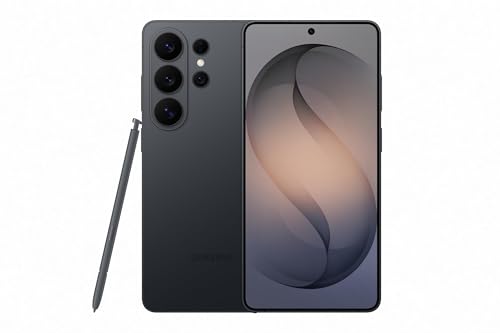
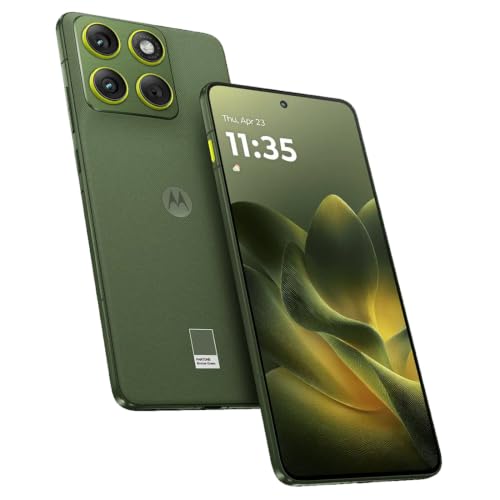


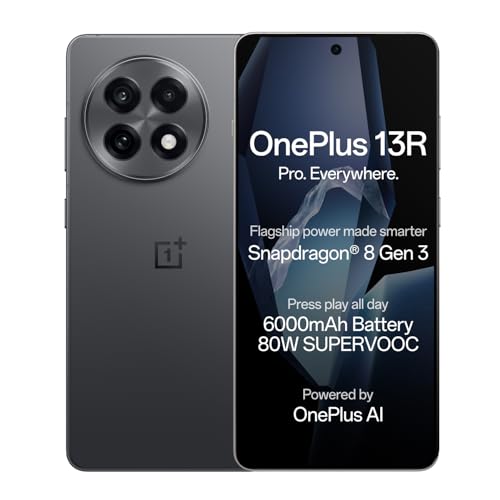

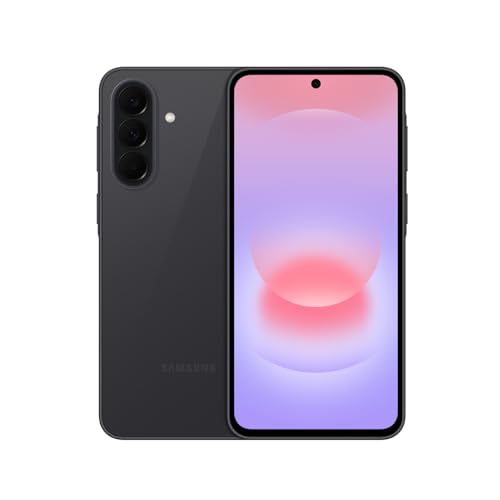


Who Should Buy Which Kind of 5G Phone?
Your routine should decide the size, price and features you pay for. A phone that suits a frequent traveler can feel oversized for someone who mostly calls and texts at home.
Commuters and Travelers Who Live on Their Phones
You rely on maps, transit apps, music and messages all day, often away from a charger. Choose a bright screen you can read outdoors, a battery that lasts a full day, and strong reception on your carrier. A lighter body helps during one hand use, and fast charging helps when you have twenty minutes at home before leaving again.
Parents and Hobbyists Who Take Lots of Photos
You capture birthdays, school events, pets and trips, often indoors or after dark. Prioritize a main camera with optical image stabilization and a good night mode over extra zoom lenses you may rarely use. Generous storage matters too, since video clips fill space quickly.
Buyers Who Keep One Phone for Many Years
You would rather buy once and use the phone until it truly slows down. Choose durable glass, a water resistance rating, and a long promise of software updates. A mid priced or premium model with years of security patches will usually serve you better than the cheapest option that stops receiving updates early.
Key Features to Compare
Work through these factors in order, and note your minimum for each one before you look at prices. When you compare best 5g mobile phones this way, a low price cannot hide a weak screen or the wrong bands. You can also see our guide to the best 5g phones for a wider look.
Choosing a Screen Size You Can Use With One Hand
Most screens measure about 6.1 to 6.9 inches diagonally. Smaller screens suit one hand use and smaller pockets, while larger screens make video and reading easier. OLED panels give deeper blacks and richer contrast than basic LCD panels. A refresh rate of 120 Hz makes scrolling look smoother than the older 60 Hz standard. Outdoor brightness matters as much as sharpness, so choose a screen bright enough to stay readable in direct sun.
Processor, Memory and Everyday Speed
The processor controls how quickly apps open, how smoothly games run, and how well the phone handles photo processing. Recent mid range and premium chips both feel fast for calls, browsing and social apps. Memory, listed as RAM, helps the phone keep several apps ready without reloading them, and about 8 GB suits most people. Heavy gamers should want a faster chip and more RAM, since games push the processor for longer periods.
Carrier Compatibility and US 5G Bands
An unlocked phone can move between carriers, but it still needs the bands your carrier uses where you live. US networks rely on low band 5G for wide coverage and mid band 5G for faster city speeds, while millimeter wave appears only in limited areas. If your plan uses that network, see our guide to the best 5g phones t mobile before you buy. Prepaid shoppers can also see our guide to the best boost mobile phone for plan notes.
Battery Size, Endurance and Charging Speed
Battery capacity is listed in mAh, and many current phones hold about 4000 to 5500 mAh. A larger number helps, but screen size, brightness and signal strength change real endurance just as much. If you often end the day below twenty percent, choose a larger battery over a slimmer body. Fast wired charging can add hours of use in a short stop, and wireless charging suits desks and nightstands.
Cameras, Zoom and Night Mode
Judge a camera by results in the light you actually face, not by lens count alone. A strong main camera with a large sensor and stabilization handles daily photos, an ultrawide camera fits groups and interiors, and a telephoto camera helps with distant subjects. Night mode combines several frames to brighten dark scenes, though moving subjects can still blur. For a deeper look, see our guide to the best mobile phone cameras.
Storage, Build Quality and Software Support
Choose 128 GB if you stream most media and store photos in the cloud, and choose 256 GB or more if you film video or keep a phone for years. Very few current models accept a microSD card, so do not assume you can expand storage later. An IP68 rating means the phone can survive immersion in fresh water within stated limits, and toughened glass helps against drops. Finally, check how many years of updates the maker promises.
Types of 5G Mobile Phones Compared
Price and size divide most models into three clear groups. Knowing which group fits you will narrow the field quickly.
Compact Phones for Comfort in Hand
Compact phones usually have screens near 6.1 inches and are easier to reach across with one thumb. They slip into small pockets and feel less tiring during long calls. The trade off is a smaller battery and less room for cooling. Choose a compact model if comfort matters more than a large canvas for video.
Mid Range Phones for Balanced Value
Mid range phones, often about $300 to $600, now offer OLED screens, capable cameras and all day batteries. They may charge more slowly or receive fewer years of updates than premium models. For most buyers who browse, stream, navigate and take everyday photos, this group covers daily needs without paying for extreme zoom or the fastest gaming chip.
Budget Phones for Calls, Apps and Basics
Budget phones, often under $300, handle calls, messages, maps and light browsing well. Expect dimmer screens, slower storage and cameras that struggle in low light. Some models also lack certain 5G bands or water resistance. Choose this group for a backup phone or light use, and spend any extra first on more storage.
Common Mistakes to Avoid
These errors are easy when listings stress numbers over daily fit.
- Buying a phone without checking your carrier bands leaves you with slow data or no 5G service at home.
- Choosing 128 GB when you film lots of video forces you to delete clips or pay for cloud space sooner.
- Paying for millimeter wave 5G alone wastes money if that signal barely exists where you live and work.
- Ignoring the update promise can leave a new phone without security patches while you still rely on it for banking.
- Picking the largest screen without holding a similar size makes one hand use tiring and raises drop risk.
Care and Maintenance for Your 5G Mobile Phone
A fitted case and a screen protector guard against the most common damage, a cracked screen after a short drop. Clean the screen and case with a soft, slightly damp cloth, and keep grit out of the charging port. Avoid leaving the phone on a hot car dashboard, since sustained heat ages the battery faster than normal daily use.
Install system and security updates when they arrive, and restart the phone if it feels sluggish. Back up photos and contacts to a cloud account or a computer regularly, so a lost phone does not mean lost memories. When battery health falls sharply, an authorized battery replacement can extend the life of a phone that still performs well.
FAQ
How much storage do you need on a 5G mobile phone?
Most people need at least 128 GB on a 5G mobile phone. Check how much space your current phone already uses, then add room for two years of photos and apps. If your current phone is nearly full at 128 GB, move up rather than planning to delete files often.
Do you need 5G on a mobile phone in the United States?
Yes, most buyers in the United States should choose 5G on a new mobile phone. Coverage now reaches most towns and highways, and carriers are building new capacity mainly on 5G. Check a coverage map for your home and workplace rather than your whole state, since a strong signal nearby does not help if your own street sits in a weak spot.
Should you buy an unlocked 5G mobile phone?
Yes, an unlocked 5G mobile phone suits most buyers who may change carriers or travel. It also lets you use a local SIM or eSIM abroad instead of paying daily roaming fees. Some carrier features, such as WiFi calling on certain prepaid plans, may need setup on an unlocked model.
How many years of software updates should a 5G mobile phone get?
A 5G mobile phone should get at least four years of security updates, and longer is better. Count that period from the model launch date, not the day you buy it, since a discounted phone may already be a year into its support window. Makers publish end dates for many models, so check that date first.
Is a mid range 5G mobile phone good enough for everyday use?
Yes, a mid range 5G mobile phone is good enough for most everyday use. Calls, maps, streaming, banking and social apps all run well on recent mid range chips. You will notice the gap mainly in dark photo quality and gaming at the highest settings, so pay more only if those points matter to you.
Our Verdict
Focus first on carrier fit, battery life and screen comfort, because those three shape every day with the phone. Then choose storage for the next few years and a camera that suits your light. Use the product table above to confirm bands, size and price.
When you judge the best 5g mobile phones by your own routine instead of headline numbers, the right choice becomes much clearer. Buy the simplest phone that meets your needs well, and protect it with a case.


