
Best Amplifier for Ceiling Speakers: A Buying Guide for 2026
Disclosure: We may earn a commission when you buy through links on this page, at no extra cost to you. As an Amazon Associate I earn from qualifying purchases. Learn more

Choose the best amplifier for ceiling speakers with this guide to channel counts, 70 volt basics, zones, and the right power for calm whole home audio.
Ceiling speakers promise music that fills a room without a single box on a shelf, but they are only as good as the amplifier feeding them. Too little power, the wrong channel count, or no way to control zones, and an elegant install turns into a daily frustration.
Choosing the best amplifier for ceiling speakers starts with counting speakers and rooms, then matching power and control to that map. This guide covers the price tiers, the specs that actually matter for in ceiling systems, and the care habits that keep an install running for years, and the comparison table below gives you a fast way to compare the essentials.
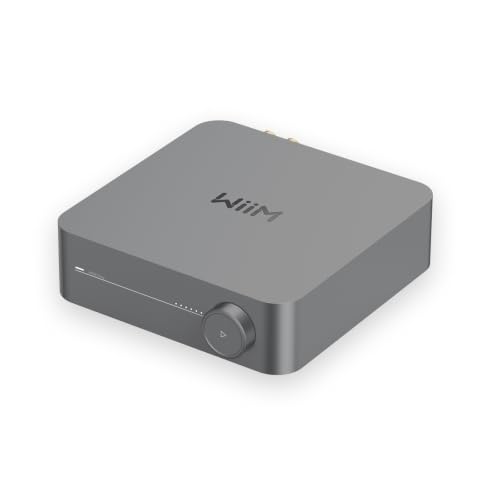


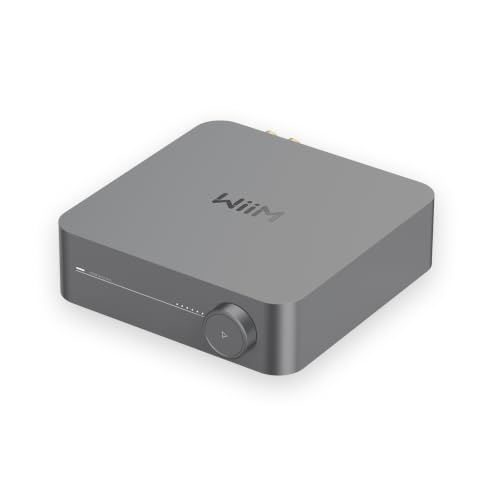
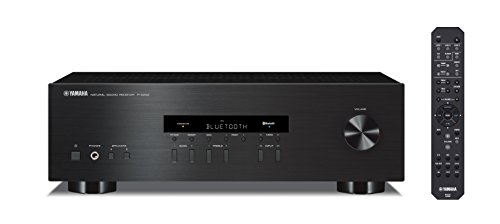
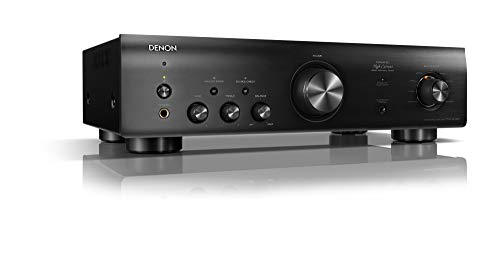
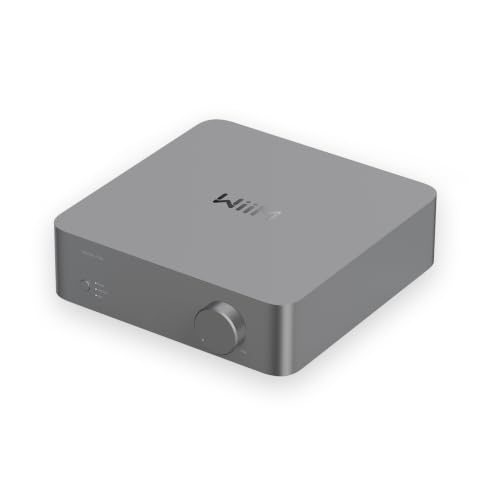
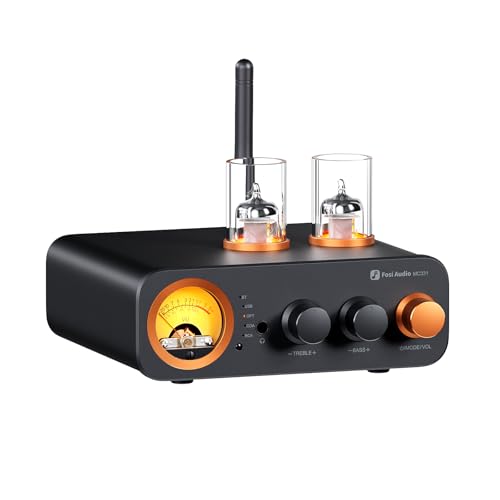

Price Tiers at a Glance
Ceiling systems scale by rooms and speaker pairs, so tiers here reflect channel count and zone control as much as sound quality. Use them as a checklist for what your project size should include.
Entry Tier, Around $80 to $200
Entry tier stereo amps drive one or two pairs of ceiling speakers in a single room, such as a kitchen or a home office. Expect basic analog and Bluetooth inputs, a simple volume knob, and power around 25 to 50 watts per channel, which is plenty for background music and TV support at modest levels. Zone control is manual or absent, so every speaker plays the same source at the same volume. For a single room project, that simplicity is a virtue rather than a compromise.
Mid Tier, Around $200 to $500
The mid tier adds what whole home projects actually need: four to eight channels, separate volume per zone, and streaming built in or easy to add. Power per channel stays moderate, but distribution improves, so a kitchen, dining room, and patio can each play at their own level. App control becomes common at this level, which matters when the amp lives in a closet. Most two to three room homes land happily in this tier.
Upgrade Tier, Around $500 to $1,200
Upgrade tier amplifiers bring twelve or more channels, per zone EQ and volume limits, trigger inputs that wake the system with a TV or streamer, and stronger power supplies that hold up when every zone plays at once. Build quality improves, with better ventilation for rack or closet mounting. This tier suits larger homes, light commercial spaces such as cafes, and anyone who wants one central amp to run the whole property for a decade.
How to Choose the Best Amplifier for Ceiling Speakers: Buying Guide
Features That Matter for Ceiling Speakers
Ceiling speakers are usually 8 ohm models of modest sensitivity, installed in pairs per room, and listened to from across the space rather than from a sweet spot. That profile changes what matters: channel count and zone control outrank exotic fidelity. Count your total speakers first, because two speakers need either one stereo channel pair or one bridged plan, and every extra room multiplies the requirement. Power of about 20 to 40 watts per channel is enough for background and moderate listening, since ceiling speakers are rarely asked for concert levels. If any run will serve a large open area or an outdoor zone, budget extra headroom for those channels.
Impedance planning protects the amp. Wiring two 8 ohm pairs in parallel on one channel presents a 4 ohm load, so confirm the amp allows that or use a speaker selector with impedance protection. Long cable runs also matter: for runs beyond about 50 feet, 14 gauge cable keeps losses small and preserves what little bass ceiling speakers produce.
Sound Quality and Tuning
Ceiling speakers fire downward from a fixed position, so even coverage and clarity at low volume define good sound more than deep bass. An amp with per zone tone controls helps, because a tiled kitchen and a carpeted bedroom need different treble levels from identical speakers. Look for a flat stated frequency response and low distortion at low power, since most ceiling listening happens at background levels where cheap amps can hiss or sound grainy. A loudness style contour that gently lifts bass and treble at low volume is a genuinely useful feature here.
If music quality is the main goal in one key room, pair this planning with our guide to the best ceiling speakers for music, which explains driver sizes and aimable tweeters. And if you are still picking the speakers themselves, start with our overview of the best ceiling speakers to align speaker count and amp channels from the beginning.
Ecosystem and App Features
An amp hidden in a closet lives or dies by its control options. A good app offers per zone volume, source selection, grouping, and a maximum volume limit, which is gold in homes with kids or in rental properties. Streaming built in reduces box count, but an amp with spare analog and optical inputs stays useful when you add an external streamer later. Check for auto sensing inputs that wake a zone when the TV turns on, and for firmware updates delivered through the app rather than a service visit.
Voice Control and Microphone Input
Voice control and microphone features work differently with ceiling speakers. Most ceiling speaker amps accept voice control indirectly: connect a smart speaker or streaming box to an input, and voice commands choose music while the amp handles power. A few install focused amps add a paging or microphone input with priority ducking, which lowers music when an announcement plays, a feature cafes and clinics value. For home use, confirm your chosen voice platform can group with the amp zones you care about, and keep a physical volume control in main rooms as a backup.
Size, Ventilation, and Rack Fit
Comfort for an amplifier means thermal comfort. Multi channel amps in a closet or rack generate real heat when several zones run together, so check the maker guidance on clearance and whether the design uses fans or passive vents. Leave the stated space, keep the closet door louvered or the rack ventilated, and never stack a cable box on top of the amp. Slim one rack unit designs suit tight closets, while taller chassis usually run cooler at the same channel count.
Noise, Hiss, and Grounding
Ceiling speakers reveal hiss because rooms go quiet at night and the speakers sit close to listeners in bedrooms and bathrooms. Prefer amplifiers with a signal to noise ratio of 90 dB or better and per zone gain trim, so you can set structure gains once and use small volume steps without raising the noise floor. Keep signal cables away from dimmer wiring in the walls, use a single power circuit for the audio rack where possible, and ask your electrician to check grounding if a hum survives cable changes, since mains faults are not a do it yourself fix.
Types of Amplifiers for Ceiling Speakers
Wired Models
Wired stereo and multi channel amps are the backbone of most installs. They take sources from a TV, a streamer, or a receiver and distribute them through in wall cable. They offer the best value per channel and the longest service life, because nothing in them depends on a wireless standard. Choose this type when the amp lives centrally and your sources are mostly fixed.
Wireless and Bluetooth Models
Wireless models build streaming or Bluetooth reception into the amp, cutting clutter for single room projects and renters who cannot run much cable. They suit kitchens and bedrooms where a phone is the main source. The limits are range and longevity of the streaming platform, so a unit that also provides wired inputs gives you a fallback. For small single room setups, our guide to the best small amplifier for speakers covers compact options that pair well with one ceiling pair.
Install and Commercial Models, Including 70 Volt
For many speakers spread over a large area, commercial style 70 volt systems send power at high voltage and low current, letting many speakers tap one line with individual volume settings. Cafes, offices, and large patios benefit most. Homes with four or fewer rooms rarely need 70 volt complexity, and standard low impedance amps sound better per dollar at that scale. If your project mixes a home theater, note that height channels follow different rules, covered in our guide to the best ceiling speakers atmos setups need.
How to Make Your Amplifier Last Longer
- Ventilate the closet or rack. Heat is the main cause of early failure in multi zone amps, so keep vents clear and add a quiet rack fan if the maker allows one.
- Keep firmware updated. Streaming and app controlled models gain bug fixes and security patches through updates, so apply them a few times a year.
- Label every cable at install. Clear labels prevent crossed zones and shorted pairs during later changes, which protects output stages.
- Avoid max volume for long sessions. Set per zone volume limits below the point of strain, especially for outdoor zones that invite turning things up.
- Use surge protection. A rack level surge protector guards the power supply against spikes, a cheap step for gear that runs daily.
FAQs About Amplifiers for Ceiling Speakers
What features matter most in amplifiers for ceiling speakers?
Enough channels for every speaker, independent zone volume, and honest power around 20 to 40 watts per channel matter most. Those three decide whether the system fits your home map at all. Next come inputs that match your sources and an app you enjoy using, because a closet amp is only ever controlled through it. Per zone volume limits are a small feature that prevents big annoyances.
How long do ceiling speaker amplifiers last?
A quality multi channel amp commonly serves ten to fifteen years, and the speakers often last even longer because they have no electronics to age. Heat and dust in the equipment closet set the real limit, so ventilation and an occasional dusting extend life meaningfully. Streaming features may age out sooner, which is why spare wired inputs protect the investment.
Wired or wireless: which sounds better for ceiling speakers?
Wired connections sound at least as good and are always more stable, because the signal never faces dropouts or codec compression. Wireless shines for convenience in single rooms and for adding a phone as a source. In practice, many owners use both: wired feeds for TV and a central streamer, wireless for casual phone listening. Choose the amp that keeps both doors open when the price difference is small.
What IP rating do I need for outdoor ceiling zones?
The amplifier itself should stay indoors and needs no IP rating; the rating belongs to the outdoor or bathroom speakers, where IP65 or better resists rain and steam. In damp rooms, confirm the speaker is rated for moisture and keep the amp on a dry room circuit. Use outdoor rated cable for patio runs and seal junction points, since corrosion at connections is the most common outdoor failure.
How many ceiling speakers can one amplifier run?
It depends on channels and impedance. A stereo amplifier normally drives one pair, or more pairs through a speaker selector with impedance protection. Multi-zone amplifiers list their channel count, so divide your speakers by rooms before you shop.
The Bottom Line
Count speakers and rooms first, buy channels and zone control to match, and give the amp air and clean power. Compare your project against the product table above, and the best amplifier for ceiling speakers for your home will be the one that disappears into daily life while every room plays exactly what it should.


