
Best Amplifier for Definitive Technology Speakers for 2026: Every Type Explained Side by Side
Disclosure: We may earn a commission when you buy through links on this page, at no extra cost to you. As an Amazon Associate I earn from qualifying purchases. Learn more

The best amplifier for definitive technology speakers depends on music, movies or both. Compare amp types, power and impedance before you buy.
Definitive Technology makes everything from compact bookshelf speakers to tall towers with powered bass sections, so the amplifier question has more than one right answer. The confusion starts when every type of amplifier claims to be the best amplifier for definitive technology speakers. This guide compares the main types side by side in plain language, then shows how power, impedance, and your room narrow the choice. By the end, you will know which type belongs in your system and which specs to check in the comparison table below.
Many Definitive Technology speakers are efficient and easy to enjoy at moderate volume, yet their impedance can dip in the bass region. An amplifier with a stable power supply keeps that bass firm instead of loose.
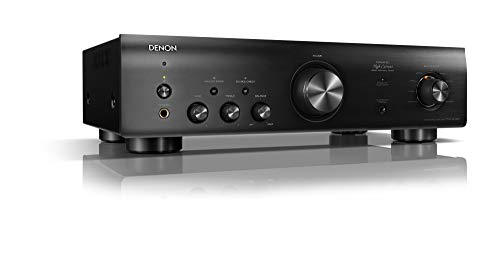

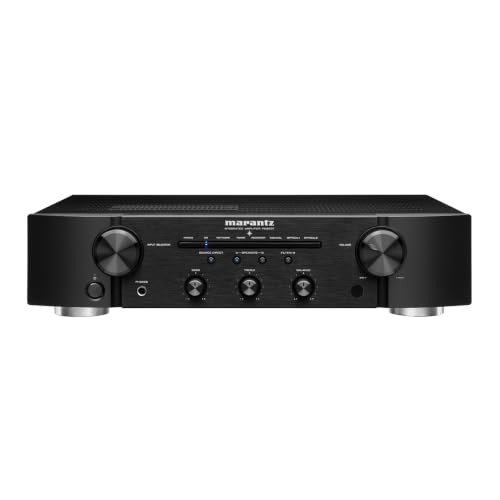

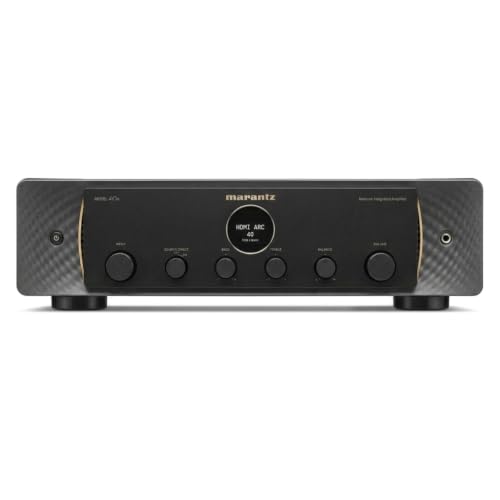
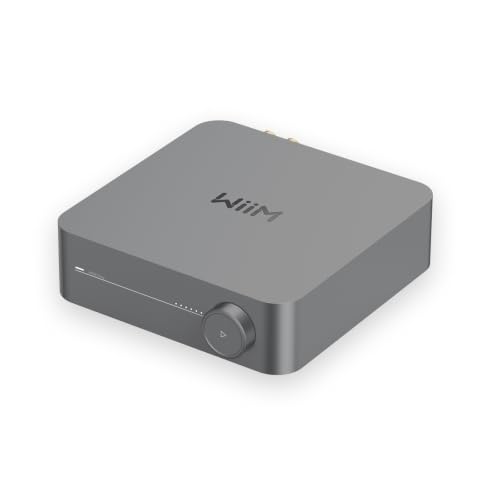
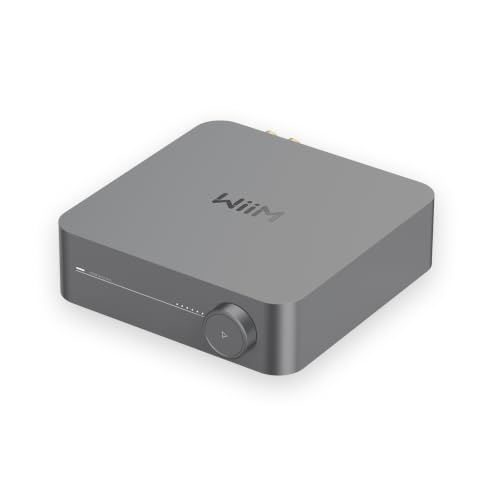


Types of Amplifiers Compared
Three amplifier families cover almost every Definitive Technology setup. Each one below explains how it works, where it shines, where it struggles, and who should choose it, with typical prices stated in round terms.
Integrated Amplifiers for Music Rooms
An integrated amplifier combines a preamp and a power amp in one box, with inputs for your sources and a volume control. Typical prices run from about $300 to $1,500 for models that suit these speakers well. The strength of this type is focus: the whole budget serves two channels, so sound quality per dollar is high. The limit is expansion, since there is no processing for center or surround speakers. Choose this type if music is the heart of your system and your speakers are a stereo pair, whether bookshelf models or towers.
AV Receivers for Home Theater
An AV receiver adds surround processing, HDMI switching, and room correction software to the amplifier job. Typical prices run from about $400 to $2,000 depending on channel count and features. The strength is flexibility: one box runs a full movie system and calibrates it to your room. The trade off is that the budget spreads across many channels and video features, so pure stereo quality at the same price is usually a step behind an integrated amp. Choose this type if films and games share the room. Our guide to the best receiver for definitive technology speakers digs into that route, and the best av receiver for definitive technology speakers covers higher channel counts.
Separate Power Amplifiers
A power amplifier does one job: it takes a signal from a preamp or a receiver with preamp outputs and drives the speakers with authority. Typical prices run from about $500 upward, plus the cost of the preamp side. The strength is current delivery and headroom, which helps larger Definitive Technology towers play loudly without strain. The trade off is cost, shelf space, and extra cables. Choose this type if you already own a processor or receiver you like, but its internal amplifiers run out of breath on demanding passages.
Integrated Amplifiers vs AV Receivers: Which Should You Choose?
Compare the two main routes on five points. For sound quality in stereo, the integrated amplifier usually wins at equal price. For movies, the receiver wins outright because it decodes surround sound and manages a subwoofer. For simplicity, the receiver offers one remote and automatic setup, while the integrated amp offers fewer menus and a shorter signal path. For upgrades, the integrated amp pairs with any future streamer or DAC, while the receiver dates itself as video standards change. For value, decide what you will actually use: paying for nine channels to drive two speakers wastes money, and paying for pure stereo gear in a movie room misses the point. If you are still choosing the speakers themselves, start with our guide to the best definitive technology speakers and match the amplifier afterward.
How to Choose the Best Amplifier for Definitive Technology Speakers
Features That Matter for Definitive Technology Speakers
Check the impedance rating first, because many models in this range are rated at 8 ohms but dip lower through the bass. An amplifier that also publishes a 4 ohm rating, or at least stays stable and cool at high volume, is a safer partner. Powered tower models with built in bass amplifiers lighten the load, since the main amplifier only drives the upper drivers. Either way, about 50 to 125 watts per channel of honest power covers most rooms and speaker sizes in this lineup.
Power and Current Delivery
Watts tell only half the story, because speakers draw current in bursts during bass notes and film effects. A power supply that holds voltage steady during those bursts keeps the sound composed. Look for a 4 ohm power figure close to double the 8 ohm figure, which signals a strong supply, and treat a missing 4 ohm rating as a question to ask rather than a deal breaker. Dynamic headroom figures, when published, describe exactly this short burst ability in plain numbers.
Connectivity
Count your sources and pick inputs to match: HDMI ARC or optical for a TV, a phono stage for a turntable, USB or network streaming for digital music, and Bluetooth for quick phone playback. Towers with powered bass sections also need a line level connection or speaker level setup as their manual describes, so confirm the amplifier provides what your exact speakers expect. Our broader guide to the best amplifier for speakers explains input types in more depth if any term is new to you.
Sound Quality and Tuning
Definitive Technology speakers are known for a big, lively presentation with strong bass from their powered sections and radiators. A neutral amplifier keeps that character from tipping into boom, and room correction on a receiver can tame bass peaks caused by walls and corners. Keep tone adjustments small, a nudge rather than a shove, and set powered tower bass levels by ear with familiar music. If dialogue sounds buried, the fix is usually placement or a center channel, not more treble.
Placement and Room Size
Room size decides how much power you truly need. A compact pair in a bedroom plays happily on about 40 watts per channel, while big towers in an open plan space reward 100 watts or more plus the headroom of a strong supply. Bipolar and wide dispersion designs in this family like some space from side walls, so budget a little floor area as part of the system cost. Sit the amplifier where air can move across its vents, and keep the speaker cables as short as the room allows.
Setup and Care Tips
Set powered tower bass levels conservatively at first, then raise them over a few days of listening instead of chasing impact in the first hour. Run any room correction software with the microphone at ear height where you sit, and save the result before experimenting. Keep firmware updated on network models so streaming services keep working. Dust the amplifier vents with a dry cloth, confirm speaker terminals stay snug every few months, and give electronics a surge protector. If a tower has a powered section, plug it into the same quality power strip as the amplifier so the whole system shares one switch and one ground reference.
Frequently Asked Questions
What features matter most in amplifiers for definitive technology speakers?
Stable power into lower impedance matters most, because these speakers can dip below their nominal rating in the bass. Look for a published 4 ohm figure or strong reviews of high volume composure, about 50 to 125 watts per channel, and the inputs your sources need. A subwoofer output or proper bass management helps if your model lacks powered bass. Everything else is refinement.
Do powered Definitive Technology towers still need a strong amplifier?
Yes, but the demand is smaller than the cabinet size suggests. The built in amplifier handles the bass drivers, so your main amplifier drives the midrange and treble, which is an easier job. A clean 50 to 80 watts per channel is enough for most powered towers in most rooms. You still want low distortion, because the upper drivers carry voices and detail that reveal a rough amplifier quickly.
How much power do Definitive Technology bookshelf speakers need?
Most bookshelf models in this family reach satisfying volume with about 40 to 75 watts per channel in a small or medium room. Their sensitivity is usually healthy, so they play louder per watt than many rivals. Spend the difference on placement and stands rather than on power you will not use. If the room is large or you listen from far away, step up one power tier for headroom.
Wired or wireless: which sounds better?
The speaker connection is always wired, so the real choice is how music reaches the amplifier. A wired digital input or a WiFi stream delivers the full signal and sounds best, while Bluetooth trades a little quality for convenience. In a theater setup, HDMI carries both picture switching and sound in one cable. Most owners end up using a mix, wired for serious listening and wireless for casual days.
Can one amplifier run Definitive Technology speakers for both music and movies?
Yes, and many owners do exactly that. An AV receiver is the natural choice if you will add a center channel and surrounds, while an integrated amplifier with an HDMI or optical input covers stereo movie sound very well. Stereo imaging from this speaker family is wide, so two channels alone can feel surprisingly cinematic. Decide based on whether extra speakers are a real plan or just an idea.
The Bottom Line
Pick the type first: integrated for music, receiver for theater, separate power amp for maximum headroom. Then confirm stable power, the right inputs, and room in your budget for placement. Check your finalists in the product table above, and remember that the best amplifier for definitive technology speakers is the one that fits your speakers, your room, and your habits without breaking a sweat. Chosen well, it will disappear and let the speakers do the talking.


