
Best Built Sofas: Frame, Foam, and Fit Guide for 2026
Disclosure: We may earn a commission when you buy through links on this page, at no extra cost to you. As an Amazon Associate I earn from qualifying purchases. Learn more

Frame, suspension, cushions, and fit decide how long a sofa lasts. This guide shows how to choose the best built sofas.
A sofa is used every day for years, so what is under the fabric decides whether it stays comfortable or sags within two seasons. The best built sofas share a strong frame, supportive suspension, dense cushion foam, and upholstery that matches how your household lives. This guide shows how to judge construction, size a sofa to your room, and avoid the shortcuts that cheaper models hide.
Use the product table for a quick look at current options, then apply the checks below to any sofa you consider, in a showroom or from a product page.


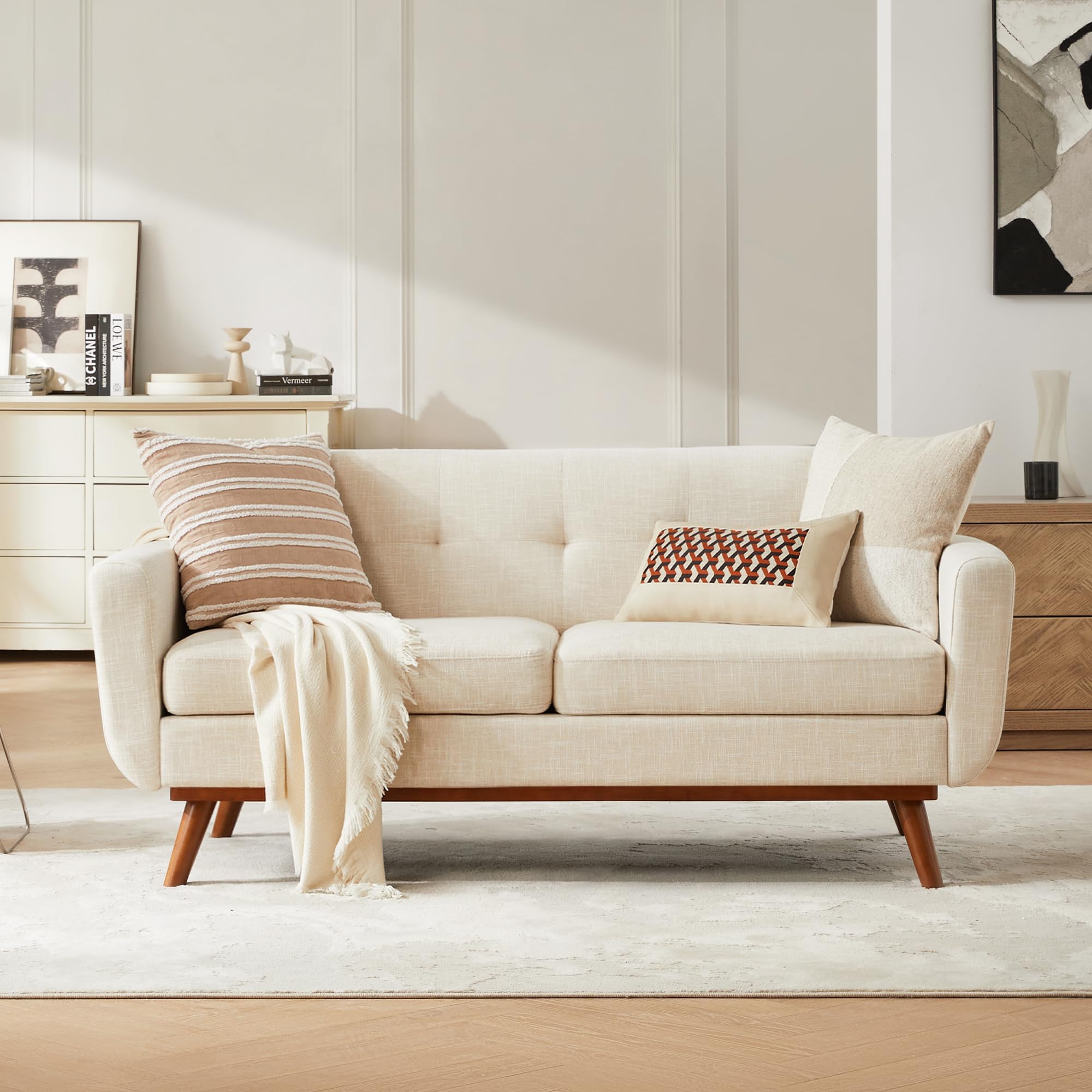

What Makes a Sofa Well Built
Three parts carry most of the weight: the frame, the suspension, and the cushions. The frame should be kiln-dried hardwood or thick, laminated plywood with corner blocks and screwed or doweled joints. Particleboard and thin staple-only frames flex, creak, and loosen. Suspension, usually sinuous steel springs or eight-way hand-tied springs, supports the seat and keeps it from forming a dip. Cushions of high-density foam (around 1.8 lb per cubic foot or more) hold their shape far longer than soft, light foam.
Upholstery is the part you see, but it is the easiest to replace. A beautiful fabric over a weak frame will wobble and sag, while a plain fabric over a strong frame can feel solid for a decade. Lift one end of the sofa when you can: a good frame feels heavy and does not twist.
Who Should Buy Which Sofa
Busy Families With Kids and Pets
Choose a tight-weave fabric, performance fabric, or leather that wipes clean, a frame that handles jumping, and cushions with removable, washable covers. Darker or patterned fabrics hide wear. Skip delicate textures that snag under claws.
Small Apartments
Measure the room and the path in: doors, hallways, and stair turns stop more deliveries than room size does. Compact two-seat sofas, loveseats, and sofas with slim arms and raised legs save floor space. If you host guests, a sofa bed adds a bed without a spare room; see our guide to the best bed sofas for what to check in the mechanism.
Large Living Rooms
A wider three-seat sofa or a sectional anchors a big space. Sectionals give more seating and a chaise for stretching out; our guide to the best built sectional sofas covers layout and frame checks for that style.
Renters and Frequent Movers
Look for a sofa that breaks down into pieces or has removable legs and arms, so it fits through narrow doors in your next home. Mid-priced models with solid frames offer the best mix of value and portability.
Key Features to Compare
Frame and Joints
Ask the maker what the frame is made of and how the joints are fastened. Corner blocks, glued and screwed joints, and a center support rail on longer sofas are signs of care. Avoid frames described only as "engineered wood" with no further detail.
Seat Cushions and Suspension
Sit for several minutes and then stand up: a good cushion springs back quickly. Foam wrapped in fiber or feather blends feels softer but needs more fluffing. Eight-way hand-tied springs are the traditional premium choice, while well made sinuous springs perform well at a lower price.
Seat Height and Depth
A seat height of about 17 to 20 inches and a depth of about 21 to 24 inches suit most adults. Taller people may prefer a deeper seat, while shorter people often prefer a shallower one so their feet stay flat on the floor.
Upholstery and Cleaning
Leather ages well and wipes clean, performance fabric resists stains, and tight-weave polyester blends cope with daily use. Check the cleaning code on the tag, which tells you whether to use water, solvent, or either.
Arms, Legs, and Style
Track arms and slim legs look modern but offer less back and elbow support than rolled arms. Solid wood or metal legs bolted into the frame are sturdier than plastic legs held by a single screw.
Price and Value
Sofas with sound frames start around $600 to $900. Mid-range sofas around $1,000 to $2,000 typically add hardwood frames and denser foam, and premium models above that add hand-tied suspension and better fabrics. Judge value by cost per year of use: a sofa that lasts twelve years is cheaper than one replaced after four. For a wider look at construction across price tiers, our guide to the best quality sofas adds more checks.
Delivery and Setup
Confirm whether delivery reaches your room or stops at the curb, and measure doorways before you order. Check the return window, because comfort cannot be judged from photos. When the sofa arrives, attach the legs, press the sections together, and sit on every seat to check for wobble.
Sofa Types and Sizing
Standard three-seat sofas are 76 to 90 inches wide and suit most living rooms. Loveseats, around 52 to 65 inches, fit small rooms and bedrooms, and apartment-size sofas fall in between. Sleeper sofas add a pull-out bed, while reclining sofas add motors or levers that add weight and moving parts to check. Mark the footprint on the floor with painter's tape and leave at least 30 inches for walkways.
Count seats honestly: each adult needs about 24 to 30 inches of width to sit comfortably, so a sofa labeled for four may seat three. For a sofa that doubles as a guest bed, consider whether comfort for daily sitting or occasional sleeping matters more, because the two goals pull the design in different directions.
Care Tips
- Rotate and flip loose cushions weekly so wear spreads evenly.
- Vacuum seams with a soft brush to keep grit from wearing the fabric.
- Keep the sofa out of strong direct sunlight, which fades color.
- Blot spills quickly instead of rubbing, and follow the cleaning code.
- Tighten legs and bolts every few months as the frame settles.
Common Mistakes
- Choosing by fabric and style while ignoring the frame.
- Skipping a floor-tape test, so the sofa feels bigger than expected.
- Forgetting delivery access through doors, hallways, and stairs.
- Judging cushions by the first sit instead of a few minutes of sitting.
Frequently Asked Questions
How long should a good sofa last?
A well built sofa with a hardwood frame and dense foam commonly lasts 10 to 15 years. The frame usually outlasts the cushions, which can be refreshed with new foam inserts.
What frame material is best?
Kiln-dried hardwood is the benchmark because it resists warping and holds joints tight. Thick laminated plywood with corner blocks is also strong. Avoid particleboard in the load-bearing parts.
Is leather or fabric more durable?
Both can last. Genuine leather ages well and wipes clean, while tightly woven performance fabric resists stains and wear. Faux leather costs less but can peel in heavy use.
How do I test a sofa in a store?
Sit in your normal posture for several minutes, then stand up and watch the cushion recover. Lift one end to feel for twisting, and press the arms to check for wobble.
Is an expensive sofa worth it?
It can be, because the price gap mostly pays for the frame, foam, and suspension that decide lifespan. For a rarely used guest room piece, a mid-priced model may be enough.
Final Thoughts
Put the frame, suspension, and cushions ahead of style, measure the room and the path in, and choose upholstery that suits your household. Compare your shortlist in the product table with these checks, and the best built sofas will be the ones that still feel solid when the warranty is long over.


