
Best Built Sectional Sofas Made Simple: A Clear Buying Guide for 2026
Disclosure: We may earn a commission when you buy through links on this page, at no extra cost to you. As an Amazon Associate I earn from qualifying purchases. Learn more

Shopping for the best built sectional sofas for the first time? Learn the terms, compare options, and avoid rookie mistakes with this easy guide.
A sectional is likely the largest piece of furniture you will ever buy, and the listings all sound alike. Every brand claims deep comfort, durable fabric, and a frame that lasts for years, yet prices range from a few hundred dollars to several thousand. This guide translates the sales language into plain checks you can actually make.
You will learn what the best built sectional sofas have in common under the cushions, how to size one for your room and your body, and which corners get cut on cheaper models. Keep the comparison table below in mind as you read, because frame and cushion quality matter far more than styling photos.


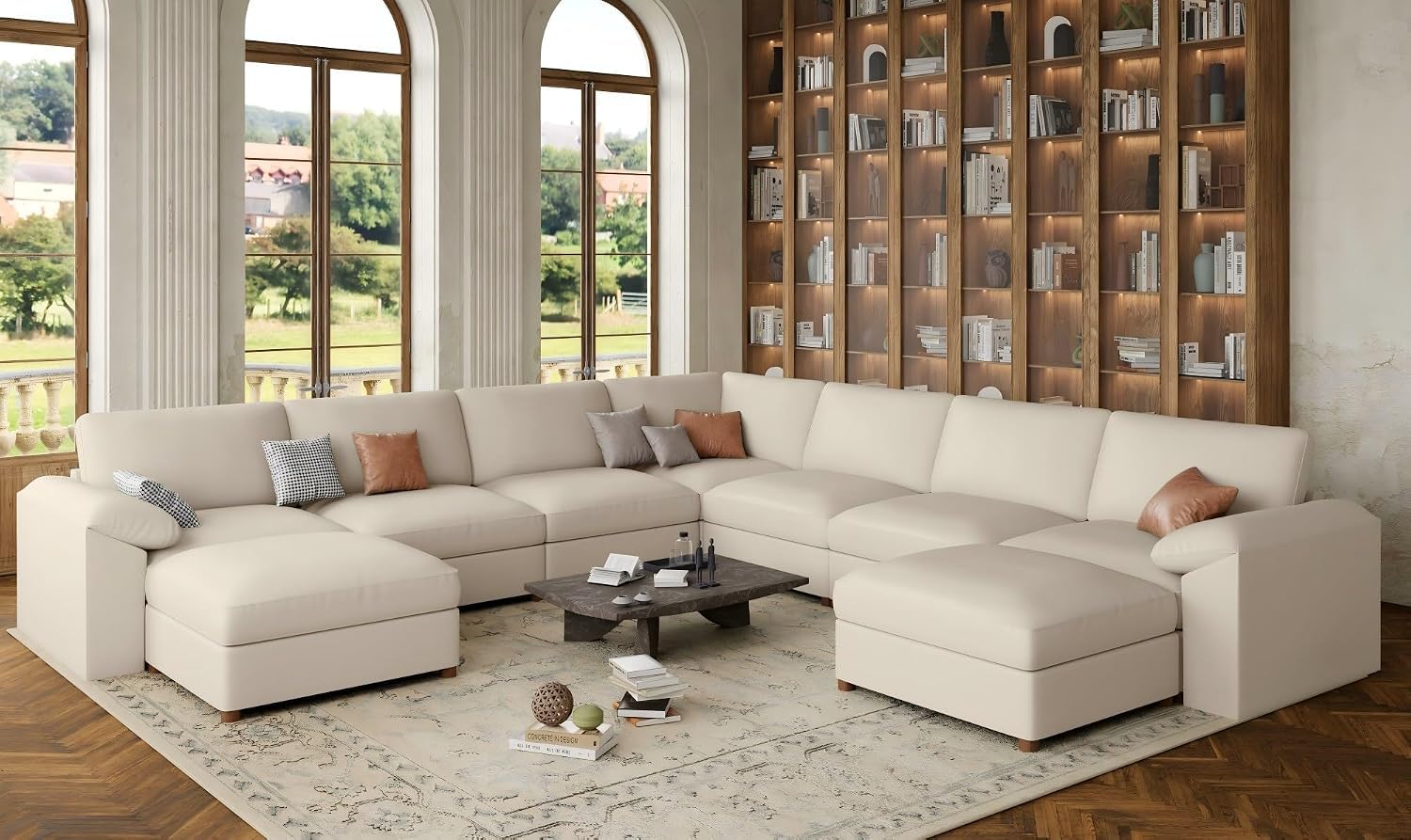


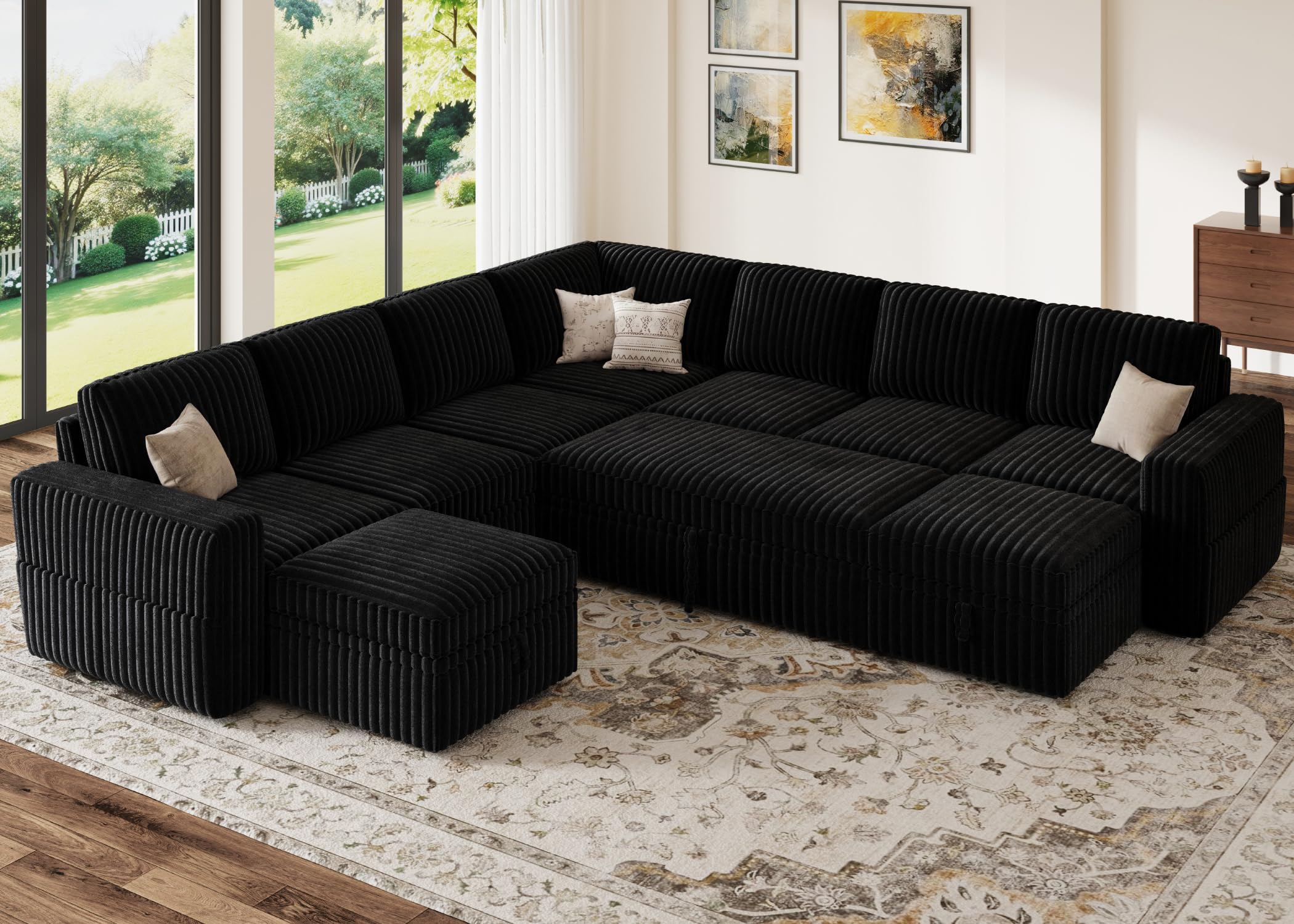
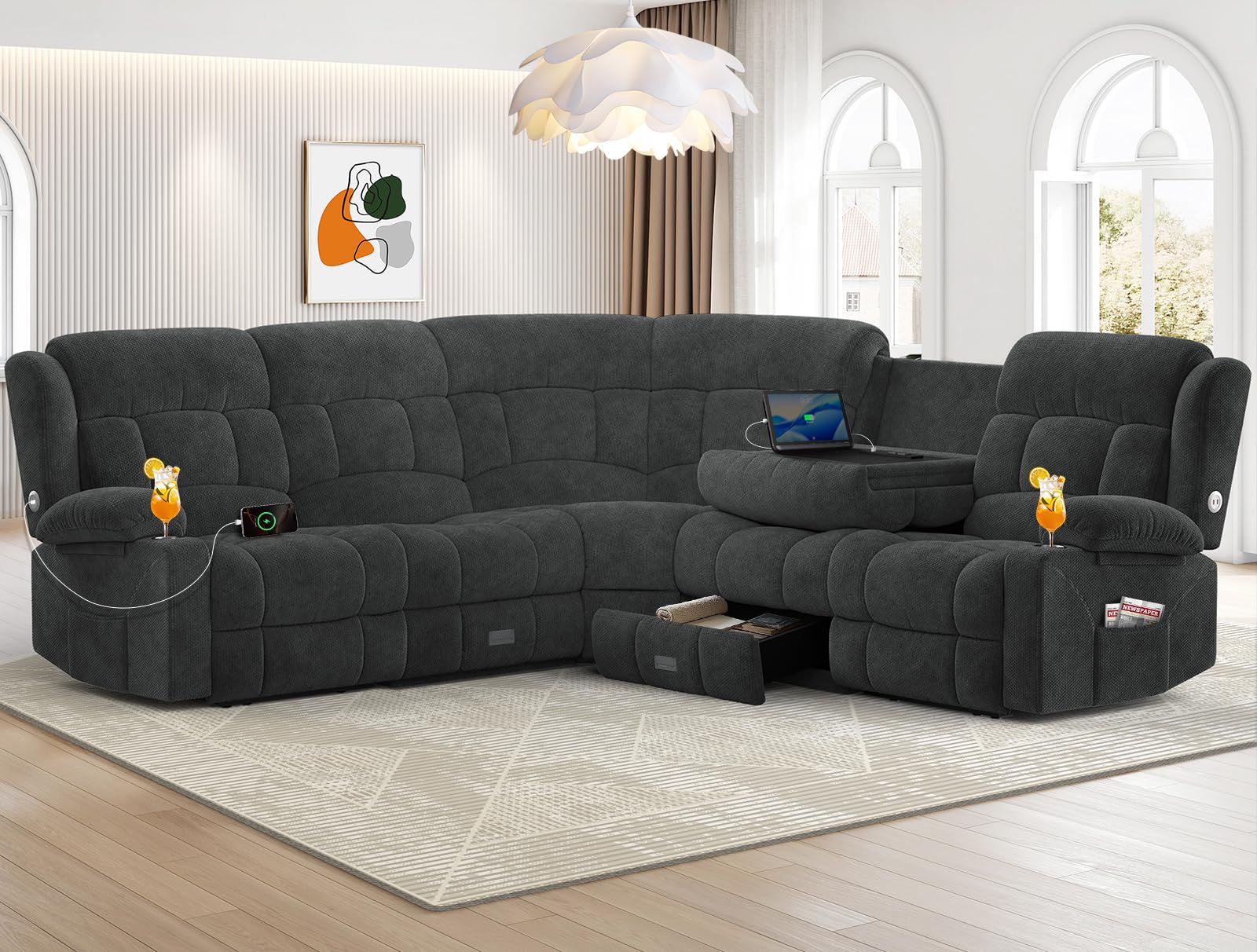

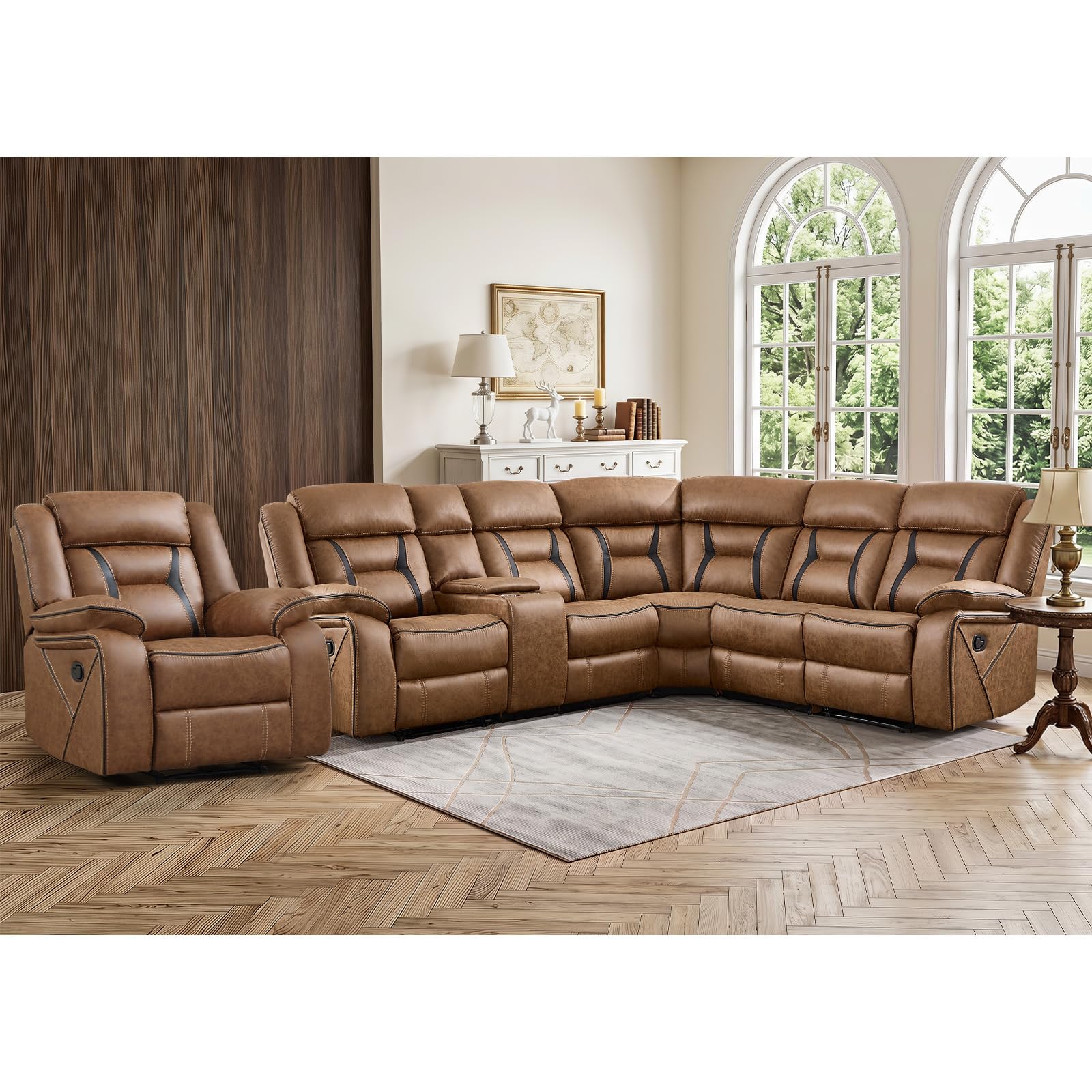
Built Sectional Sofas 101: The Basics
A sectional is a sofa made from two or more connected pieces that form an L shape or a U shape. Common layouts include a chaise that extends one side for stretching out, a corner unit that joins two seating runs, and modular pieces you can rearrange as your room or household changes. Connectors underneath or at the sides lock the pieces together so they do not drift apart during daily use.
The word built in this category points to what you cannot see. The frame carries every load, the suspension under the cushions decides whether seats feel supportive or hammock like, and the foam density inside the cushions decides how long they hold their shape. Upholstery is only the surface of that system. A beautiful fabric over a weak frame will wobble and sag within a couple of years, while plain fabric over a strong frame can feel solid for a decade.
Sectionals also differ by orientation. A left arm facing chaise means the chaise sits on your left as you face the sofa, not as you sit on it. Getting that one detail wrong is the most common ordering mistake, so sketch your room and mark the layout before you commit.
Key Specs Explained in Plain English
Five areas separate a sectional that ages gracefully from one that disappoints quickly. Read each one with your own room, household, and habits in mind.
Ergonomics and Adjustability
Comfort over long evenings depends on simple geometry. Seat height around 17 to 20 inches lets most adults sit with feet flat on the floor and stand up without strain, while a seat depth of about 21 to 24 inches supports your thighs without pushing your lower back away from the backrest. Lumbar support comes from a backrest angle and cushion firmness that keep a gentle curve in your lower spine. Some sectionals add adjustable headrests or reclining seats, which help taller users and anyone who reads or watches films for hours. Sit in your usual posture when judging a showroom model, because upright display sitting hides problems that appear after an hour.
Size, Dimensions, and Weight Capacity
Measure your room before falling for any layout. Mark the full footprint on the floor with painter tape, then check walkways of at least about 30 inches so people can pass without turning sideways. Measure doorways, hall turns, and stair landings too, since a sectional that fits the room but not the route into it becomes an expensive return. Weight capacity per seat, often around 250 to 300 lb on sturdy models, reflects frame and suspension strength. Households with kids who pile on together or larger adults should favor reinforced frames and center supports rather than the lightest modular sets.
Materials and Upholstery
Frame material is the headline here. Kiln dried hardwood frames resist warping and hold joints tight for years, while frames built from thin plywood or particleboard flex, creak, and loosen much sooner. Corner blocks and dowelled or screwed joints add strength where stress concentrates. For upholstery, tightly woven fabric handles daily friction well, genuine leather ages with a patina and wipes clean, and faux leather or PU surfaces cost less but can peel in high heat or heavy use.
Comfort and Cushioning
Cushion feel comes from foam density more than thickness. High density foam, around 1.8 lb per cubic foot or higher, keeps its shape and support through years of daily sitting, while low density foam feels plush in the store and flattens into a permanent dip. Many good cushions wrap that firm core in a softer layer so you get support without a board like feel. Down blends feel luxurious but need regular fluffing and slowly compress. A simple showroom test helps: sit on the corner seat for several minutes, then stand and watch how fast the cushion recovers. Slow or uneven recovery hints at foam that will age quickly.
Assembly and Delivery
Most sectionals arrive in several boxes with the pieces, legs, and connectors packed separately. Assembly usually means attaching legs, sliding backrests onto metal brackets, and clipping the sections together, which takes about 30 to 60 minutes with two people. Read the listing for box dimensions and total weight before ordering, and confirm whether delivery stops at the curb or reaches your room of choice. Keep the assembly guide and any spare hardware, because you will need them when you move. Generous return windows matter here too, since comfort over a full evening cannot be judged from photos.
Rookie Mistakes to Avoid
- Guessing the chaise side. Left and right are judged facing the sofa, and mixing them up leaves the layout backwards for your room.
- Skipping the tape test. A sectional always looks smaller in a warehouse store than it does in your living room.
- Judging foam by the first sit. Very soft cushions feel great for one minute and tiring after a full film.
- Ignoring the frame material. Fabric can be cleaned or covered, but a weak frame cannot be upgraded later.
- Forgetting delivery access. Narrow doors and tight stair turns stop more sectional deliveries than room size ever does.
Shoppers comparing construction quality across price tiers will find the guide to the best quality sectional sofas useful, since it focuses on frames and fabrics in more depth.
Getting Started: Setup and First Use
When the boxes arrive, photograph each piece before removing all the packaging, and lay parts out in the order the guide lists. Assemble on a rug or blanket so legs and brackets do not scratch your floor. Push the sections together firmly until every connector clicks or locks, then test each joint by sitting and shifting your weight.
During the first weeks, rotate and flip any loose cushions weekly so wear spreads evenly, and vacuum seams with a soft brush to stop grit from grinding into the fabric. Recheck and tighten legs and bolts every few months, because new frames settle and small looseness grows into wobble if ignored. Households that host overnight guests often compare guest ready layouts in the guide to the best sectional sleeper sofas, while movie lovers who want powered recline can look at the best sectional reclining sofas before deciding which mechanism suits their space.
Built Sectional Sofas: Your Questions Answered
How long should a good built sectional sofa last?
A well built sectional with a hardwood frame and high density foam should last about 7 to 15 years of daily use. The frame usually outlives the cushions, and many owners refresh foam inserts around year five to restore the original feel. Fabric wear depends on household traffic: homes with pets and young kids may see thinning or stains sooner. Rotating cushions and cleaning spills quickly are the two habits that add the most years.
How do I choose the right size?
Start with the tape outline of the footprint, then leave clear walkways and space for doors and drawers to open. Count seats honestly: each adult needs about 24 to 30 inches of width for relaxed sitting, so a crowded sectional feels smaller than its measurements suggest. Consider the room balance too, since a sectional should anchor the space without blocking windows or heat vents. If two sizes both fit, the smaller one with better construction usually serves you better.
What features matter most for long hours?
Supportive seat height, firm foam that does not bottom out, and a backrest that meets your lower back matter most for long sitting. A chaise adds leg support that many readers and film watchers value more than any powered feature. Adjustable headrests help if your household mixes shorter and taller people. Lumbar pillows are a cheap fix when the backrest feels too deep, so do not reject an otherwise strong sectional over a small fit issue you can solve with one cushion.
Is an expensive built sectional sofa worth it?
It can be, because the price gap mostly buys a hardwood frame, denser foam, and better fabric, which are exactly the parts that decide lifespan. A sectional used every evening repays that cost in years of comfort, while a rarely used guest room piece may not. Compare cost per year rather than sticker price: a sofa that lasts twelve years is cheaper over time than one replaced after four. If funds are tight, the guide to the best inexpensive sectional sofas shows which compromises hurt least.
Our Verdict
Prioritize the frame, the foam, and the fit. A kiln dried hardwood frame with reinforced corners, high density cushions, and dimensions taped out on your floor will serve you longer than any styling trend. Shoppers who want the same construction lessons applied to standard sofas can read the companion guide to the best built sofas for a simpler footprint.
Use the product table above to compare layouts and price tiers, then choose among the best built sectional sofas with your room measurements in hand. Measure twice, sit once if you can, and the sectional you pick should feel like the natural center of your home for years.


