Best 52 Inch Zero Turn Mowers: Everything to Know Before Your First Purchase for 2026
Disclosure: We may earn a commission when you buy through links on this page, at no extra cost to you. As an Amazon Associate I earn from qualifying purchases. Learn more
Shopping for the best 52 inch zero turn mowers for the first time? Learn the key terms, specs, and setup basics, and avoid common rookie mistakes.
Buying your first riding mower can feel like learning a new language, with deck sizes, engine numbers, and steering terms all competing for your attention. This guide slows things down and explains best 52 inch zero turn mowers in plain English, starting with what the machine actually is and building toward the specs that matter for your yard.
You will learn how power source, terrain, discharge options, and runtime affect everyday mowing, plus the mistakes new owners make most often. Scan the comparison table below as you read, and by the end you should know which questions to ask before you spend anything.

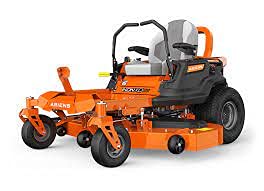
52 Inch Zero Turn Mowers 101: The Basics
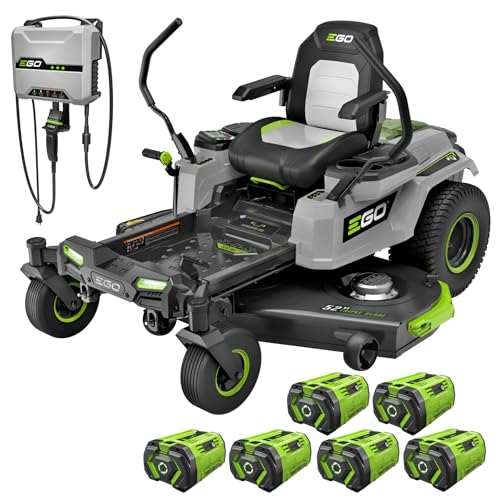
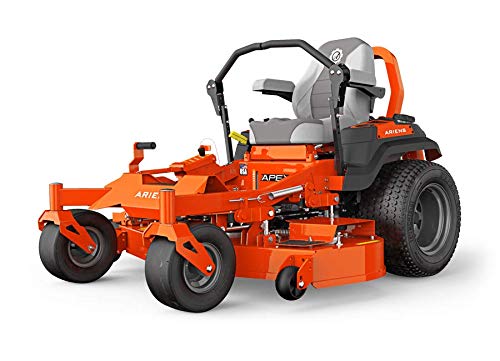
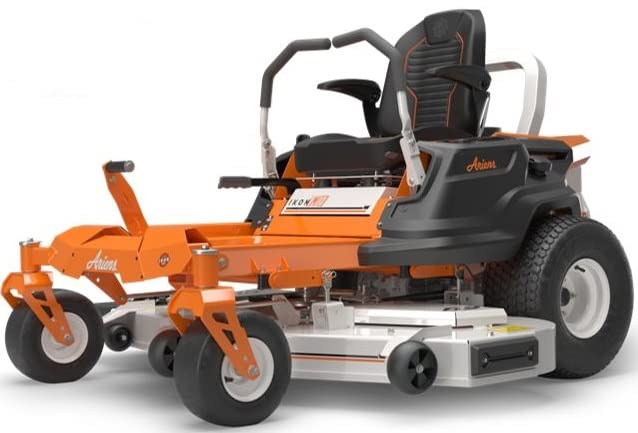
A zero turn mower is a riding mower that steers with two lap bars instead of a steering wheel. Each bar controls one rear wheel, and the wheels can move in opposite directions, so the mower can spin in place rather than sweeping through a wide arc. That tight turning is the whole appeal. You can circle a tree, reverse direction at the end of a row, and trim close to flower beds without long passes back and forth.
The 52 inch figure describes the width of the cutting deck, the metal housing under the mower that holds the spinning blades. A wider deck covers more ground per pass, so a 52 inch model suits flat yards of roughly one to three acres where a smaller mower would take many extra passes. The trade off is size. The machine is wide, heavy, and harder to thread through narrow gates or tight garden paths.
This deck size sits in the middle of the zero turn range, which helps explain the neighboring options you will see while shopping. If your yard has narrow gates and lots of obstacles, it is worth reading about best 42 inch zero turn mowers before you commit. If you mow wide open acreage, our overview of best 60 inch zero turn mowers shows what the extra width buys you, while best 54 inch zero turn mowers cover the closest step up for buyers who want a little more deck without a much bigger machine.
For a broader look at how this class compares with other deck sizes and brands, see our guide to the best zero turn mowers once you understand the basics here. Everything below assumes you are new to riding mowers, so each term gets explained the first time it appears and nothing is taken for granted.
Key Specs Explained in Plain English
Spec sheets look intimidating, but most of the numbers reduce to six questions: how it is powered, where it can safely mow, how much upkeep it needs, how it drives, what it does with clippings, and how long it runs. Work through each one and the listings in the product table above will start to read like a simple checklist.
Power Source: Gas, Battery, or Corded Electric
Gas models dominate this size class. They refuel in minutes, deliver strong power for tall or thick grass, and ask for regular upkeep such as oil changes, air filter cleaning, and fresh fuel. Battery models are quieter, start with a button, and skip oil and fuel entirely, but their runtime is fixed by the batteries on board. Corded electric power, common on small walk behind mowers, is not a realistic option for a 52 inch riding machine, since a cord cannot follow a mower across acres of lawn. For most first time buyers, the honest choice is gas for unlimited runtime or battery for quiet, low upkeep mowing on a yard that fits within one charge.
Slopes and Terrain
Zero turn mowers are built for flat, open ground, and slopes are their weak point. The small front caster wheels offer little grip, and the rear wheels can slide on a bank, so most makers advise staying on slopes of 15 degrees or less and mowing across gentle rises rather than straight up and down. Wet grass lowers traction further, so a slope that feels fine when dry can become risky after rain. If your property has steep banks, ditches, or a pond edge, plan to handle those areas with a walk behind mower or a string trimmer and keep the zero turn on the level ground it handles best.
Noise, Storage, and Maintenance
A 52 inch zero turn mower needs real storage space, roughly the footprint of a small car split in half, so measure your garage or shed door before ordering and confirm the deck clears the opening. Gas models are loud enough that hearing protection is a sensible habit, while battery models run noticeably quieter. Maintenance differs by power source. Gas engines need oil, spark plug, and filter attention on a schedule, plus fuel care during winter storage. Battery models mostly need clean connections, a cool dry place for the batteries, and charging habits that avoid leaving packs empty for months.
Drive Type: Push, Self Propelled, Riding, Zero Turn, and Robotic
It helps to place zero turn mowers among the other drive types you will see listed. Push mowers rely on your legs entirely, while self propelled mowers power their own wheels and only ask you to walk and steer, with rear wheel drive versions gripping slopes best. Riding lawn mowers and tractors use a steering wheel and suit mixed jobs like towing a small cart. Robotic mowers cut on their own schedule but handle small, simple lawns. Zero turn models trade towing flexibility for speed and agility, and if you want the wider riding category explained, our guide to best zero turn riding mowers puts them in context.
Mulch, Bag, and Side Discharge Options
Most decks in this class are three in one designs, meaning they can mulch, bag, or discharge clippings from the side, though the bagging kit is often sold separately. Mulching chops clippings finely and drops them back into the lawn, where they break down and return nutrients, and it works best when you mow often enough that clippings stay short. Bagging leaves the cleanest finish and is the right choice for picking up leaves in fall or grass from an overgrown lawn. Side discharge throws clippings out quickly and handles tall, wet grass better than the other modes, at the cost of visible rows of clippings on the surface.
Engine Size or Battery Voltage and Runtime
On gas models, engine size is listed in cubic centimeters or horsepower, and many 52 inch decks use a two cylinder engine because the wider deck asks more of the blades in thick grass. Bigger numbers generally mean the mower holds its blade speed in heavy growth instead of bogging down. On battery models, voltage tells you the size of the electrical system, commonly 40 to 80 volt platforms, while amp hours describe how much energy the packs hold. Battery runtime is what actually matters to you, so look for an acres per charge figure and check how many battery packs are included, since extra packs add real cost.
Rookie Mistakes to Avoid
Most first season problems with a mower this size come from a handful of avoidable errors rather than defects. Read these before your first mow, not after.
- Buying the deck before measuring your gates and shed door, which can leave a new mower stranded outside with nowhere to live.
- Mowing a steep or wet slope because it looked manageable, which is how zero turn mowers slide, lose steering, and damage turf or worse.
- Cutting far too much grass in one pass after a busy week, which clogs the deck, strains the engine, and leaves clumps everywhere.
- Skipping the practice session and heading straight for the trees and beds, which leads to scalped edges and dented deck corners.
- Ignoring the manual and its service schedule, which turns simple oil and filter care into expensive repairs within a few seasons.
Getting Started: Setup and First Use
When the mower arrives, resist the urge to mow immediately. Read the manual cover to cover, then check the basics your model lists: engine oil level on a gas machine or a full charge on a battery machine, tire pressure on all four wheels, and a level cutting deck. Uneven tire pressure is a quiet cause of crooked stripes, since a low tire drops one side of the deck and changes the cutting height on that side.
For your first drive, pick an open, flat area away from beds and fences. Practice pushing both lap bars forward evenly, turning with one bar at a time, and stopping smoothly, because zero turn steering feels twitchy until your hands learn it. Go slowly for the first full mow. Speed is the reward for later, once the controls feel automatic and you know every dip and obstacle in the yard.
Two mowing habits protect both the lawn and the machine from day one. First, never remove more than one third of the grass blade in a single cut, raising the deck and making a second pass a few days later if the lawn has grown long. Second, keep the blades sharp, with a proper sharpening at least once each season and sooner if you strike stones or thick sticks. After each early mow, clear packed clippings from under the deck once the blades have stopped and the machine is off, since buildup steals airflow and leaves an uneven finish.
Frequently Asked Questions
How often should you sharpen the blades on a 52 inch zero turn mower?
Sharpen the blades at least once a season, and check them every 20 to 25 hours of mowing. A quick inspection is the real habit to build: look along the cutting edge for nicks, rounding, and a dull shine. Grass tells you the truth as well. Torn, pale tips on the blades of grass after mowing mean the mower blades are ripping instead of cutting, which stresses the lawn and invites disease, so sharpen or swap the set then rather than waiting for the calendar.
Is a 52 inch zero turn mower worth it for one acre?
Yes, for one flat acre a 52 inch zero turn mower is a comfortable fit rather than overkill. The deck finishes the open areas quickly, and the tight turning saves the most time around trees, beds, and fences, where a smaller mower spends many extra minutes maneuvering. The main checks are storage space and gates, since the machine is wide. If your acre is broken into small fenced sections with narrow openings, a smaller deck may serve you better despite the extra passes.
Are battery powered 52 inch zero turn mowers as good as gas models?
Battery models match gas models on cut quality and ease of use, and they win on noise and upkeep. The real difference is runtime discipline. A gas mower refuels in minutes and mows all day, while a battery mower must finish your yard within its charge or pause while packs recharge. Battery models suit owners with a predictable yard size and a garage outlet nearby. If your property might grow, or you regularly help neighbors with overgrown lots, gas keeps the fewest limits on your day.
What size zero turn mower do you need for your yard?
Match deck width to open area and access points, not just total acreage. As a rough guide, yards under half an acre usually suit decks in the low 40 inch range, one to three acres suit a deck around 50 inches, and wide open properties above that reward 60 inch decks. Then confirm the practical details: the mower must pass through every gate you use, fit its storage space, and still leave room to turn at the end of each row without climbing onto beds.
How long does a 52 inch zero turn mower last?
A well kept residential 52 inch zero turn mower commonly serves for many seasons, often a decade or more of home use. Lifespan depends less on the badge and more on habits: clean oil or healthy batteries, sharp blades, a deck cleared of wet clippings, and storage out of the weather. Hour meters, fitted to many models, track real use better than years do. Budget mentally for wear items such as blades, belts, and tires along the way, since replacing them on time is what keeps an older mower cutting like a newer one.
Final Thoughts
For a first time buyer, the decision comes down to three things: a deck that fits your gates and your acreage, a power source whose runtime matches your yard, and terrain flat enough for a zero turn to work safely. Get those right and the remaining specs are fine tuning. Compare the models in the product table above against those three tests, and the best 52 inch zero turn mowers for your home will narrow to a short, confident list.