Best Automatic Pool Cleaners Reviews in 2026: Which Type Is Right for You?
Disclosure: We may earn a commission when you buy through links on this page, at no extra cost to you. As an Amazon Associate I earn from qualifying purchases. Learn more
Compare the best automatic pool cleaners reviews by type, filtration, waterline cleaning, and upkeep to match a cleaner to your pool.
The best automatic pool cleaners reviews keep returning to the same question: which type of cleaner suits your pool, your debris, and your patience for maintenance? An automatic cleaner saves hours of manual brushing and vacuuming, but a poor match for your pool leaves dead spots, tangled hoses, or a clogged filter every other day. This guide explains the main types, the specs that matter, and the mistakes buyers make most often.
Use the product table to compare current options, then read on to match a cleaner to your pool shape, surface, and cleaning routine.
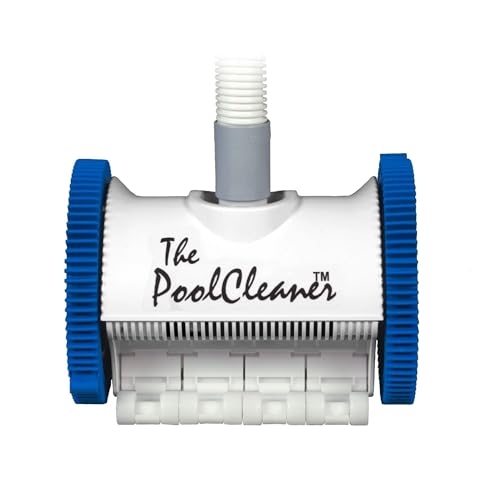


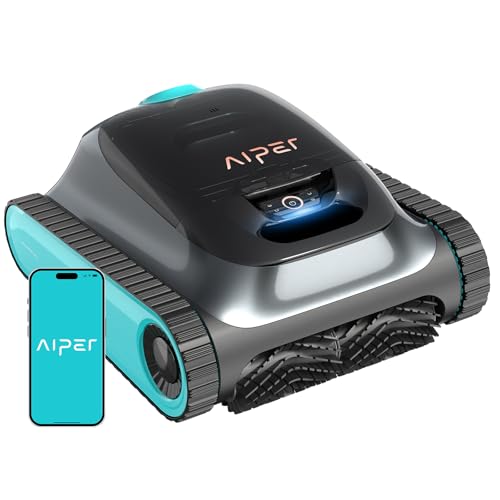
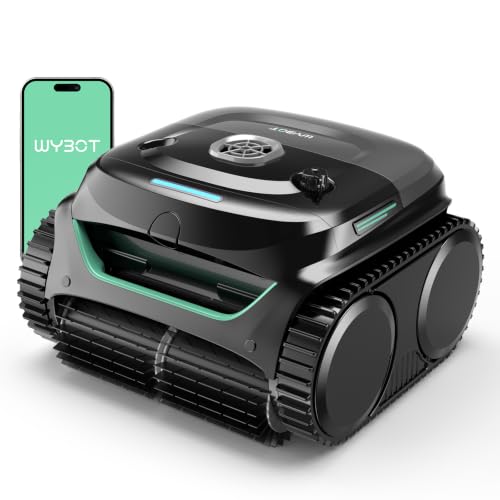
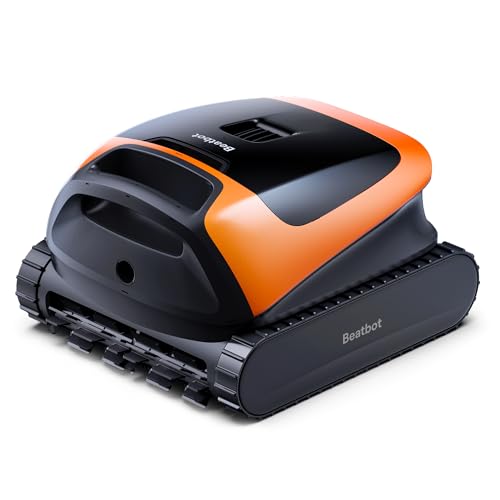
Types of Automatic Pool Cleaners Compared
| Type | How it works | Best for | Main trade off |
|---|---|---|---|
| Robotic | Own motor and filter bag, plugs into a low voltage power supply | Floors, walls, and waterline on most pools | Highest upfront cost |
| Suction side | Connects to the skimmer or a dedicated suction line and uses your pump | Light debris and tighter budgets | Adds load to the pump and filter |
| Pressure side | Runs on water pushed from a dedicated return line, often with a booster pump | Leaves, twigs, and larger debris | Needs plumbing and often a booster pump |
| Cordless robotic | Battery powered robot with no cable to tangle | Small and medium pools with easy access | Limited run time per charge |
Robotic Cleaners
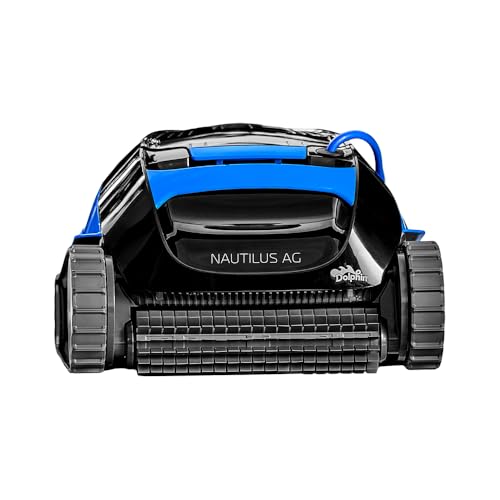
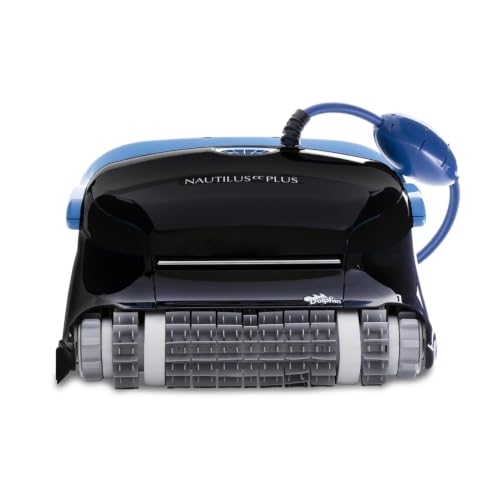
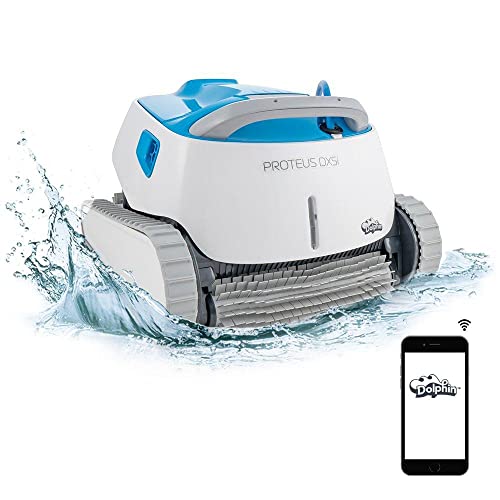
Robotic cleaners work independently of your pool pump, so they put no extra strain on your circulation system. They climb walls, scrub the floor, and many clean the waterline as well. Their own filter bag or cartridge catches fine dirt, which helps keep your main filter cleaner. Expect to empty the filter after most cycles and to lift the unit out of the pool for storage.
Suction Side Cleaners
Suction side cleaners are the simplest and usually the cheapest. A hose links the cleaner to your skimmer, and the pump pulls the cleaner along the floor while debris travels to your pump basket and filter. They suit pools with light leaf fall, but a full pump basket slows them down, so check the basket often.
Pressure Side Cleaners
Pressure side cleaners use water pressure from a return line and collect debris in their own bag. That makes them good with leaves and acorns that would clog a suction cleaner. Many need a booster pump, so the total cost and installation effort are higher than the sticker price suggests.
Cordless Robotic Cleaners
Cordless robots remove the cable, which makes setup and storage easier. Battery life sets the limit: check the rated run time against the size of your pool and plan to recharge between uses.
Robotic vs Suction Side: Which Should You Choose?
Choose robotic if you want the most thorough clean with the least stress on your pool equipment and you accept a higher price. Choose suction side if your pool sees light debris, your budget is tight, and your pump is in good condition. Pressure side suits pools under heavy trees, while cordless models fit smaller pools where convenience matters most. Whichever you pick, compare models in the product table above, and read our guides to the best robotic automatic pool cleaners and the best pool cleaners for broader context.
How to Choose the Right Automatic Pool Cleaner
Pool Size, Shape, and Surface
Match the cable length or coverage claim to the longest dimension of your pool. Odd shapes with steps and benches can confuse simple cleaners, so look for models with smart navigation. Surface matters as well: vinyl liners, plaster, tile, and fiberglass each prefer different brushes or wheels, so confirm the cleaner is rated for your surface.
Debris Type and Filtration
Fine dust and sand call for a fine mesh filter or cartridge, while leaves and twigs need a large debris bin or bag. A larger basket means fewer interruptions in fall. Easy access to the filter, ideally from the top without tools, makes cleaning after every cycle a habit rather than a chore.
Wall and Waterline Cleaning
Many robotic models climb walls and scrub the waterline where oils and scum collect. Suction and pressure cleaners often clean the floor and lower walls only. If a clean waterline matters to you, check that feature in the listing before you buy.
Weight and Ease of Removal
A robotic cleaner full of wet debris can be heavy to lift out. Look for a handle, a caddy or a built in release, and a model that drains water as it surfaces. Lighter units are easier for one person to handle.
Warranty and Parts Availability
Brushes, tracks, wheels, and filter bags wear out. Choose a brand that sells replacement parts and offers a clear warranty of at least one to two years. Check how easy it is to reach support before you need it.
Picking Automatic Pool Cleaners for Different Pools
Inground Pools
Inground pools work with every type. Robotic cleaners are the popular choice, while suction and pressure models make sense when the plumbing is already in place. Our guide to the best inground automatic pool cleaners covers this use in more detail.
Above Ground Pools
Above ground pools need a lighter cleaner with a smaller footprint, and the cleaner should handle the soft liner without scraping it. Check that the cable is long enough to reach the whole pool from where the power supply sits. See our guide to the best automatic swimming pool cleaners for more options.
Care and Maintenance Tips
- Empty the filter bag or basket after every cycle, because a full filter cuts suction and cleaning ability.
- Rinse the cleaner with fresh water after use, especially in salt or heavily treated pools.
- Check brushes, tracks, and wheels for wear every month in season and replace them when they flatten.
- Untangle the cable or hose after each run and coil it loosely to avoid kinks.
- Store the cleaner out of direct sun and away from chemicals when you are not using it.
- Follow the manufacturer instructions for the power supply, and keep it away from standing water.
Frequently Asked Questions
How long should a pool cleaner run?
Most robotic cleaners finish a cycle in about two to three hours, and suction or pressure cleaners often run for as long as your pump does. Running a cleaner every day or every other day keeps debris from building up. Follow the cycle time in the manual for your model.
Which cleaner is best for leaves?
Pressure side cleaners and robotic cleaners with a large debris bin handle leaves best. Suction side cleaners can work if the leaf load is light, but heavy fall debris clogs the hose and pump basket quickly.
Are robotic pool cleaners worth it?
For most owners, yes. They clean thoroughly, save wear on the pump, and need little setup. The higher price pays back in time saved and lower energy use, though a simple suction cleaner may be enough for a small, lightly used pool.
Can I leave a robotic cleaner in the pool?
It is better to remove it after each cycle. Constant sun and chemicals wear down brushes, cable, and plastic housing. Taking it out also gives you a chance to empty the filter and rinse the unit.
Final Thoughts
Pick the cleaner type that fits your pool and debris first, then compare models on filtration, wall and waterline cleaning, weight, and warranty. Weigh your finalists in the product table above, and the best automatic pool cleaners reviews will point you to a cleaner that saves time all season.