Best 42 Inch Zero Turn Mowers in 2026: Every Type Explained Side by Side
Disclosure: We may earn a commission when you buy through links on this page, at no extra cost to you. As an Amazon Associate I earn from qualifying purchases. Learn more
Gas, battery or steering wheel? See which of the best 42 inch zero turn mowers suits your yard size, slopes and budget.
A 42 inch deck is the compact end of the zero turn world, and within that one size you will find gas machines, battery machines and steering wheel models that behave quite differently. Homeowners comparing the best 42 inch zero turn mowers are usually cutting a yard of an acre or less, threaded with trees, beds and fences, where turning on the spot saves real time.
This guide explains each type side by side, then covers the checks that decide between them: gate width, slope safety, power source and discharge style. Shoppers still weighing the format itself can start with the broader guide to best zero turn mowers, and use the comparison table below to see how the 42 inch types stack up on price and purpose.

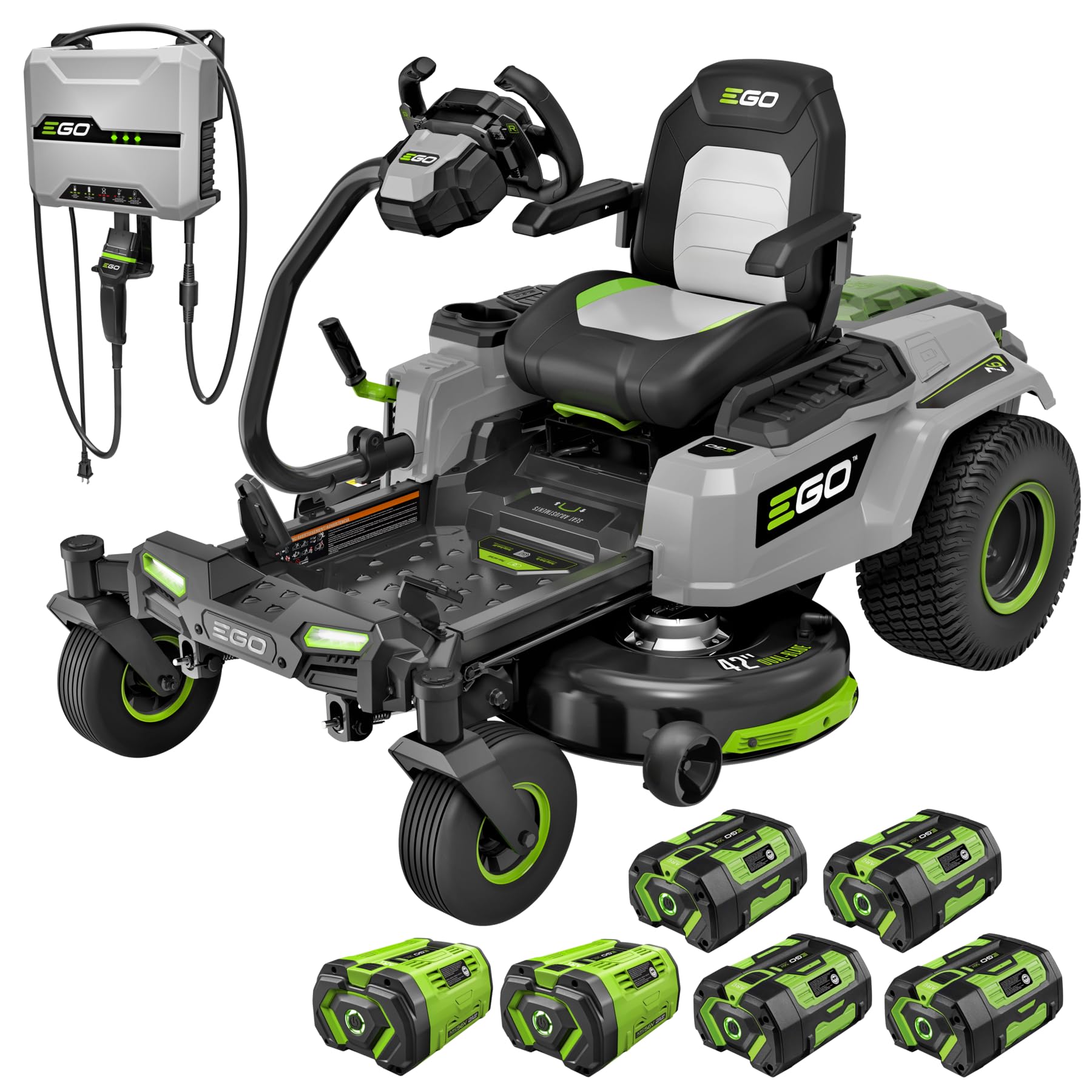
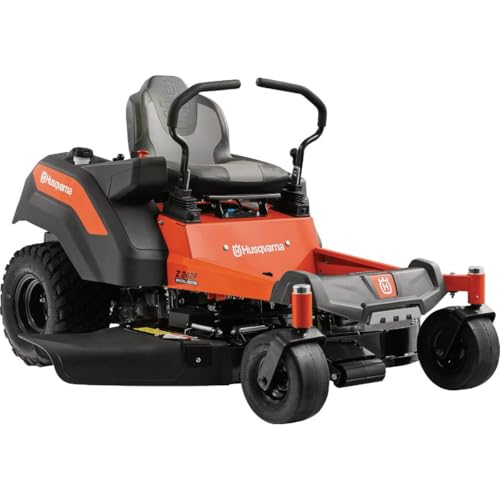
Types of 42 Inch Zero Turn Mowers Compared
Zero turn machines form the smallest riding class in most lineups, and they sit inside the wider family of best zero turn riding mowers. All three types below spin around their own center by driving the rear wheels independently, which is what lets a 42 inch deck work around obstacles that would slow a tractor. What separates them is how they are powered and how you steer.
| Type | Best For | Pros | Cons | Typical Price |
|---|---|---|---|---|
| Gas Powered Lap Bar Models | Yards up to about an acre, buyers wanting the lowest entry price | Proven design, refuels in minutes, strong dealer and parts support | Engine upkeep, noise, weakest on slopes | about $2,400 to $3,200 |
| Battery Powered Models | Flat yards up to about half an acre, quiet neighborhoods | No fuel or oil, low upkeep, starts instantly | Limited runtime per charge, battery packs costly to replace | about $3,000 to $4,500 |
| Steering Wheel Models | Small yards with gentle banks or uneven patches | Tracks straighter on slopes, steering feels familiar to car drivers | Costs more than lap bar equivalents, fewer models to choose from | about $2,800 to $3,800 |
Gas Powered Lap Bar Models
Two lap bars, one for each hand, control the rear wheels on the classic design. Push both forward to go, pull one back to spin, and the mower pivots within its own length. Gas engines in this class are simple single or twin cylinder units with plenty of parts support, and a fuel can keeps you cutting all day.
This is the cheapest way into zero turn mowing and the easiest to get serviced locally. The honest costs are noise, exhaust, and a yearly routine of oil, filters and blade care. Lap bar steering also takes a few sessions to learn, and beginners tend to tear turf on turns until the touch becomes gentle.
Battery Powered Models
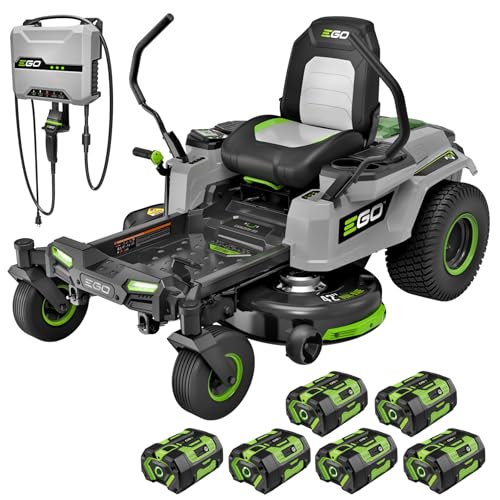
Battery models swap the engine for electric motors at the wheels and blades. They start with a button, run far more quietly, and skip oil, belts in some designs, spark plugs and fuel storage altogether. For a flat suburban yard they feel like the modern default, and neighbors notice the quiet.
Runtime is the boundary. A charge covers a modest yard, and thick or wet grass drains the pack faster, so measure your cutting area honestly against the maker's acreage claim, which assumes ideal conditions. Replacement battery packs are the biggest long term cost in this class, so check pack prices and warranty length before buying, not after.
Steering Wheel Models
A smaller group of zero turn mowers replaces lap bars with a steering wheel linked to the front wheels. The mower still turns tightly, but the front end is guided rather than free casting, which helps it hold a straight line across a gentle bank where a lap bar machine wants to drift downhill.
Drivers who never took to lap bars often find this control style natural from the first session. You pay more for it, and the model range is thinner, so sizes and dealer coverage are limited. For flat yards it offers little over a lap bar machine; its value appears exactly where slopes begin.
Zero Turn or Self Propelled Walk Behind: Which Should You Choose?
Time is the first criterion. On an open half acre with trees and beds, a 42 inch zero turn usually cuts in about half the time of a walk behind mower, because it travels faster and turns without a wide arc. On a small, simple rectangle of lawn, the gap shrinks and the walk behind wins on price.
Budget is the second. A good self propelled mower costs a few hundred dollars; the zero turn costs several thousand, plus a larger storage footprint roughly the size of a small car space. Effort runs the other way: riding removes the walking, which matters in heat or on a big yard. Storage and gates settle many decisions, since a walk behind hangs on a wall and a zero turn does not.
How to Choose the Best 42 Inch Zero Turn Mowers for Your Yard
Gate Width and Yard Size Come First
Measure your gate before anything else. A 42 inch deck with its discharge chute needs more than 42 inches of clear opening, and many side gates are tighter than the mower. If the machine cannot reach the back yard, nothing else about it matters, and widening a gate or removing a fence panel becomes part of the real purchase price.
For area, this deck size is at its best up to about an acre of actual grass. A yard a little beyond that often suits the step up class covered under best 52 inch zero turn mowers. At two acres or more, look at best 54 inch zero turn mowers or best 60 inch zero turn mowers, where the wider deck repays its price in saved passes.
Slopes and Terrain: The Safety Limits
Be plain about this: a zero turn mower is at its weakest on slopes. The weight sits over the rear wheels, the front casters carry little load, and on a bank the machine can slide or, in the worst case, roll over, which is the named risk with this design. Wet grass makes every slope worse, and a slope that feels mild on foot is not mild under a mower.
Follow the manufacturer's instructions: the handbook's slope limit governs, and maker handbooks commonly cap mowing at about 15 degrees for this class. Treat that as a ceiling, not a target, and walk any bank first. Yards with serious slopes belong to walk behind mowers or steering wheel models on their gentler sections, and the steepest parts are safest cut with a trimmer.
Power Source and What It Costs to Run
Gas running costs are steady and predictable: fuel, an oil change and filters each season, a plug now and then, and blades. The machine can also sit unused for months and start again after basic care, which suits occasional use at a second property or a large rural lot.
Battery running costs are lower day to day, since electricity is cheap and there is no engine service, but they arrive in one lump when the pack ages. Compare the price and warranty of a replacement pack as part of the purchase. Corded electric zero turn mowers are not a real class at this size, so the choice stays between fuel in a can and charge in a pack.
Discharge Options and Cutting Height
Most 42 inch decks offer three discharge paths. Side discharge throws clippings out fast and handles long grass best. Mulching chops clippings fine and returns them to the lawn, but it struggles when grass is wet or overgrown. Bagging gives the cleanest finish and collects leaves in fall, at the price of emptying bags and storing an attachment.
Cutting height on this class usually adjusts from about 1.5 to 4.5 inches. A single lever that lifts the whole deck beats separate corner adjusters when you change height often, for example between a front lawn and a rough back section. Whatever you choose, keep numbers consistent: the height you set is the height your grass adapts to, and scalping shows at once on uneven ground.
Tips to Get the Most From Your 42 Inch Zero Turn Mower
- Sharpen blades at least once a season, and sooner if you hit sticks or stones; a sharp blade cuts cleanly and asks less of the engine or battery.
- Never cut more than one third of the grass blade in one pass, and raise the deck instead of forcing a scalped finish on overgrown grass.
- Before any work near the deck or blades, switch the engine off, remove the key, and wait for the blades to stop fully; on gas models, remove the spark plug lead for real deck work.
- Children are never passengers on a riding mower and never in the mowing area while you cut; stones and sticks can be thrown farther than a child expects.
- Battery owners: store packs indoors over winter, partly charged, and keep the charger somewhere dry rather than in a damp shed.
Frequently Asked Questions
How often should I sharpen mower blades on a 42 inch zero turn?
Once a season is the minimum, and twice is better if you mow weekly or your yard has sandy soil, which dulls edges fast. Learn the sign rather than the calendar: a dull blade tears grass instead of cutting it, leaving pale, frayed tips that brown within a day or two and invite disease. Sharpening is cheap, and many owners keep a second blade set so a swap takes minutes while the dull pair goes to the shop.
Are battery zero turn mowers as strong as gas models?
In cutting power, yes for the grass this deck size is meant for: electric motors deliver strong torque and hold blade speed well in normal lawn growth. The real difference is endurance, not strength. A gas mower refuels in two minutes, while a battery model stops for a long charge or an expensive spare pack. Judge battery models by honest runtime on your yard size, and treat maker acreage figures as a best case reached on flat, dry, moderate grass.
What size yard suits a 42 inch zero turn mower best?
Up to about an acre of grass is the comfortable range, with half an acre to an acre being the sweet spot where the time saving over walking is largest. Obstacle count matters as much as area: a third of an acre wrapped around trees, beds and a pool can take longer than an open acre, and it is exactly there that zero turn steering earns its keep. Below about a quarter acre with tight gates, a walk behind usually makes more sense.
How long does a 42 inch zero turn mower last?
With basic care, a residential machine commonly serves for many seasons, and engine life is usually counted in hours, roughly 500 to 1,000 hours for this class depending on build and upkeep. The parts that end ownership are rarely the engine: worn wheel motors, tired belts and a rusted deck usually decide first. Clean grass from under the deck after wet cuts, store the mower under cover, and keep up the oil schedule, and the frame will outlast several sets of blades.
Is a zero turn mower worth it for one acre?
For one acre, usually yes, provided the yard is mostly flat and the gates pass the deck. The saving is roughly half your mowing time compared with walking, plus far less physical effort in summer heat, and over years of weekly cuts that repays the higher price. The exceptions are slope and storage: a hilly acre is safer with other tools, and a mower this size needs real garage space. If you can, mow once with a borrowed or rented machine before committing.
Final Thoughts
Three checks decide this purchase: the gate and yard size first, the slope safety limit second, and the power source third, with discharge style a distant fourth. The product table lines up the picks against those checks, and the best 42 inch zero turn mowers for your yard are simply the ones that fit through your gate, stay safe on your ground, and match how you prefer to fuel and maintain a machine.